2025年12月23日
3D ACADEMY offers affordable English study programs in Cebu, Philippines – perfect for beginners, professionals, and exam takers.

3D UNIVERSAL ENGLISH INSTITUTE INC
info.3d-universal.com
8:00-17:00(Mon-Fri)
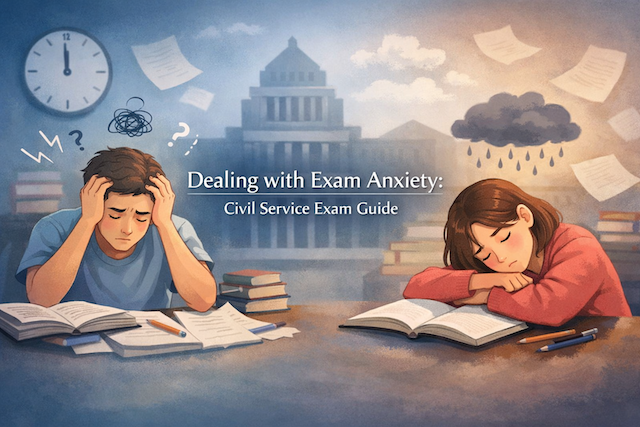
Dealing with Exam Anxiety: Civil Service Exam Guide
Contents
- Dealing with Exam Anxiety: Civil Service Exam Guide
- Understanding Exam Anxiety
- Common Symptoms of Exam Anxiety
- Why Exam Anxiety Is Common in the Civil Service Exam
- How Anxiety Affects Exam Performance
- Building Confidence Through Preparation
- Developing a Healthy Study Routine
- Managing Negative Thoughts and Fear
- Relaxation Techniques to Reduce Anxiety
- Using Practice Exams to Build Emotional Control
- Strategies for the Night Before the Exam
- Staying Calm on Exam Day
- What to Do If Anxiety Strikes During the Exam
- Long-Term Perspective and Self-Compassion
- Final Thoughts
- FAQs (Frequently Asked Questions)
- What is exam anxiety, and is it normal for the Civil Service Exam?
- How can I tell if my anxiety is hurting my performance?
- What should I do if I freeze or go blank during the exam?
- How many practice exams should I take to reduce anxiety?
- Can better study habits really lower anxiety, or is anxiety purely emotional?
- What are the best quick techniques to calm down right before the exam starts?
- What should I do the night before the Civil Service Exam?
- How can I stop negative thoughts like “If I fail, everything is over”?
- Is it okay to feel anxious even if I studied a lot?
- When should I consider seeking professional help for exam anxiety?
Dealing with Exam Anxiety: Civil Service Exam Guide
Preparing for the Civil Service Exam is not only a test of knowledge but also a test of mental strength. Many candidates study diligently yet underperform because anxiety interferes with focus, memory, and confidence. Exam anxiety is common, especially for high-stakes exams like the Civil Service Exam, where results can affect career opportunities and long-term goals.
This guide explains what exam anxiety is, why it happens, and—most importantly—how to manage it effectively. With the right mindset and practical strategies, you can reduce anxiety, stay calm, and perform at your best on exam day.
Understanding Exam Anxiety
Exam anxiety is a form of performance anxiety that occurs before or during an examination. It can range from mild nervousness to overwhelming fear that disrupts thinking and concentration.
A certain level of nervousness is normal and even helpful, as it keeps you alert. Problems arise when anxiety becomes so intense that it affects your ability to recall information or think logically.
Common causes of exam anxiety include:
-
Fear of failure or disappointing others
-
Pressure to secure a stable government job
-
Previous negative exam experiences
-
Lack of preparation or ineffective study methods
-
Perfectionism and unrealistic expectations
Understanding that exam anxiety is a psychological response—not a personal weakness—is the first step toward managing it.
Common Symptoms of Exam Anxiety
Recognizing the signs of exam anxiety allows you to address it early rather than letting it control you.
Physical Symptoms
-
Rapid heartbeat
-
Sweating or cold hands
-
Nausea or stomach discomfort
-
Headaches or dizziness
-
Muscle tension
Emotional Symptoms
-
Feelings of panic or fear
-
Irritability or mood swings
-
Low self-confidence
-
Sense of helplessness
Cognitive Symptoms
-
Racing or negative thoughts
-
Difficulty concentrating
-
Blank mind during questions
-
Overthinking simple problems
These symptoms can appear days or even weeks before the Civil Service Exam, intensifying as exam day approaches.
Why Exam Anxiety Is Common in the Civil Service Exam
The Civil Service Exam carries unique pressure compared to ordinary academic tests.
First, it is often seen as a gateway to stable employment, benefits, and long-term security. This makes the outcome feel extremely important.
Second, many examinees take the exam only once or twice, increasing the fear of “wasting” an opportunity.
Third, social pressure from family or peers can add emotional weight, especially if others expect you to pass.
Understanding that thousands of capable individuals experience the same anxiety can help normalize your feelings and reduce isolation.
How Anxiety Affects Exam Performance
Excessive anxiety interferes with the brain’s ability to retrieve information. When stress levels rise, the body enters a fight-or-flight response, diverting energy away from logical thinking.
Effects of unmanaged anxiety include:
-
Misreading questions
-
Making careless mistakes
-
Forgetting well-studied material
-
Poor time management
-
Giving up too quickly on difficult questions
Managing anxiety is not about eliminating stress entirely, but about keeping it at a level that supports focus rather than sabotages it.
Building Confidence Through Preparation
One of the most effective ways to reduce exam anxiety is solid preparation. Confidence grows naturally when you trust your study process.
Create a Realistic Study Plan
Break your preparation into manageable sections. Allocate time for each subject tested in the Civil Service Exam, including practice exams and review sessions.
Avoid cramming. Last-minute studying increases anxiety and reduces retention.
Use Active Study Methods
Instead of passively reading notes, engage with the material:
-
Practice sample questions
-
Explain concepts out loud
-
Create summaries or mind maps
-
Teach topics to someone else
Active learning improves understanding and builds confidence.
Track Your Progress
Seeing improvement over time reassures your mind that you are capable. Keep a simple log of completed topics or mock exam scores.
Developing a Healthy Study Routine
A balanced routine supports both mental and physical well-being.
Maintain Consistent Sleep
Sleep deprivation increases anxiety and reduces concentration. Aim for 7–8 hours of sleep, especially during the weeks leading up to the exam.
Eat for Mental Clarity
Avoid excessive caffeine and sugar, which can heighten nervousness. Focus on balanced meals with protein, whole grains, fruits, and vegetables.
Schedule Breaks
Short breaks prevent burnout and keep your brain fresh. Studying for long hours without rest often increases stress rather than productivity.
Managing Negative Thoughts and Fear
Exam anxiety is often fueled by negative self-talk such as:
-
“If I fail, my future is over.”
-
“Everyone else is smarter than me.”
-
“I always mess up under pressure.”
These thoughts are exaggerated and unrealistic.
Practice Cognitive Reframing
Replace negative thoughts with balanced alternatives:
-
“This exam is important, but it does not define my worth.”
-
“I have prepared and will do my best.”
-
“Many people feel nervous and still pass.”
Writing down these reframed thoughts and reviewing them regularly can reduce mental pressure.
Relaxation Techniques to Reduce Anxiety
Learning to calm your body directly calms your mind.
Deep Breathing
Slow, deep breathing reduces physical symptoms of anxiety. Try inhaling for four seconds, holding for four seconds, and exhaling for six seconds.
Practice this daily so it becomes automatic on exam day.
Progressive Muscle Relaxation
Tense and relax each muscle group from head to toe. This helps release physical tension caused by stress.
Mindfulness and Meditation
Mindfulness trains you to focus on the present rather than worrying about outcomes. Even five minutes a day can improve emotional control.
Using Practice Exams to Build Emotional Control
Mock exams are essential not only for knowledge assessment but also for anxiety management.
Simulate real exam conditions:
-
Use a timer
-
Sit in a quiet environment
-
Avoid checking answers until the end
This helps desensitize your mind to exam pressure and reduces fear of the unknown.
After each practice exam, focus on learning rather than judging yourself. Mistakes are part of preparation, not evidence of failure.
Strategies for the Night Before the Exam
The night before the Civil Service Exam should focus on calming your mind, not intense studying.
-
Review light summaries only
-
Prepare your documents and materials
-
Plan your transportation and arrival time
-
Avoid late-night cramming
-
Go to bed early
Confidence comes from preparation done over time, not from last-minute memorization.
Staying Calm on Exam Day
Exam day anxiety is normal, even for well-prepared candidates.
Arrive Early
Arriving early reduces stress and gives you time to settle in.
Control Your Breathing
If you feel panic rising, pause and take slow, deep breaths before starting the exam.
Read Questions Carefully
Anxiety can cause rushing. Take a moment to understand each question fully.
Focus on What You Can Control
You cannot control the difficulty of the exam, but you can control your effort, pacing, and mindset.
What to Do If Anxiety Strikes During the Exam
If your mind goes blank:
-
Skip the question temporarily
-
Answer easier questions first
-
Return later with a calmer mindset
Remind yourself that one difficult question does not determine the entire result.
Small mental resets can prevent anxiety from escalating.
Long-Term Perspective and Self-Compassion
Passing the Civil Service Exam is important, but it is not the sole measure of success or intelligence.
Treat yourself with compassion:
-
Acknowledge your effort
-
Accept imperfection
-
Learn from every experience
Even if the outcome is not what you hoped for, the skills you gain—discipline, resilience, and self-awareness—are valuable for life.
Final Thoughts
Exam anxiety is a common and manageable challenge. By understanding its causes, preparing effectively, and practicing mental and physical relaxation techniques, you can significantly reduce its impact.
The Civil Service Exam tests more than knowledge—it tests composure under pressure. With the right strategies, you can walk into the exam room feeling calm, focused, and confident.
Trust your preparation, believe in your ability, and remember that anxiety does not define your potential.
FAQs (Frequently Asked Questions)
What is exam anxiety, and is it normal for the Civil Service Exam?
Exam anxiety is a stress response that shows up before or during a test. It can include nervous thoughts, physical tension, or fear of failing. It is very common for the Civil Service Exam because the result often feels tied to job security and future plans. A moderate level of stress is normal and can even help you stay alert. The problem starts when anxiety becomes intense enough to disrupt focus, memory, or time management. The good news is that exam anxiety is manageable with preparation, healthy routines, and calming strategies practiced ahead of time.
How can I tell if my anxiety is hurting my performance?
You may notice that you understand topics while studying, but your mind goes blank during practice tests or the actual exam. Other signs include rushing through questions, rereading the same line repeatedly, feeling overwhelmed by the time limit, or making careless mistakes on easy items. Physical cues like rapid heartbeat, nausea, and shaky hands can also be signals. If these patterns appear consistently, it is likely that anxiety—not lack of ability—is interfering. Tracking your mock exam experience (not just your score) helps you identify anxiety triggers and build a plan to respond.
What should I do if I freeze or go blank during the exam?
If you freeze, pause for a short reset instead of forcing your brain to “push through” panic. Put your pencil down, take slow breaths for 20–30 seconds, and relax your shoulders and jaw. Then move to an easier question to rebuild momentum. Your brain often recovers once you regain a sense of control. If you return later to the difficult question with a calmer mind, it may feel more manageable. Freezing is common and does not mean you are failing; it is a temporary stress reaction that can be interrupted with simple steps.
How many practice exams should I take to reduce anxiety?
There is no perfect number, but consistency matters more than quantity. A useful approach is to take one full practice exam every one to two weeks early on, then weekly as the exam date approaches. In between, do timed mini-sets (for example, 15–30 questions) to train your pacing. The goal is not just to raise scores but to become familiar with pressure, time limits, and test-style questions. After each practice exam, review mistakes calmly and focus on patterns: topics you miss, time traps, and moments when anxiety spikes.
Can better study habits really lower anxiety, or is anxiety purely emotional?
Better study habits lower anxiety because they increase your sense of control. Anxiety often grows when your brain feels uncertain about what will happen or doubts your readiness. A realistic plan, active practice, and steady progress reduce that uncertainty. This does not mean emotions disappear, but you give your mind evidence that you are prepared. For example, when you repeatedly answer questions under timed conditions, your brain learns that the exam environment is not “dangerous.” That learning reduces the intensity of the stress response over time.
What are the best quick techniques to calm down right before the exam starts?
Use techniques that are simple and do not draw attention. First, try slow breathing: inhale for about four seconds and exhale longer than you inhale. Longer exhales help reduce the body’s stress response. Second, do a brief body check: relax your shoulders, unclench your jaw, and loosen your hands. Third, use a short mental script such as “I prepared, I will focus on one question at a time.” Avoid last-minute comparison with others or reviewing heavy material in the exam room, as this can increase anxiety.
What should I do the night before the Civil Service Exam?
The night before should support rest, not panic studying. Prepare your requirements, clothes, snacks, and transportation plan so you remove avoidable stress. Do only light review, such as quick summaries or a few easy practice questions, and stop early. Avoid excessive caffeine, heavy meals, and late-night screen time. A calm routine signals safety to your brain, making it easier to sleep. If anxious thoughts appear, write them down, then write one practical action you already completed (for example, “I finished my mock exams”).
How can I stop negative thoughts like “If I fail, everything is over”?
Negative thoughts feel real under stress, but they are often exaggerated. Practice reframing: replace extreme statements with accurate ones. For example, “If I fail, everything is over” can become “If I fail, it will be disappointing, but I can retake and improve.” This is not fake positivity; it is balanced thinking. You can also use evidence-based reminders: list what you studied, how your scores improved, and how many difficult tasks you have handled in the past. Training your self-talk ahead of time makes it easier to manage during the exam.
Is it okay to feel anxious even if I studied a lot?
Yes. Preparation reduces anxiety, but it does not always remove it completely. High-stakes exams naturally activate stress because you care about the outcome. Many successful examinees feel nervous and still perform well. The key is learning to work with anxiety rather than fighting it. Treat nervousness as energy you can direct into careful reading, steady pacing, and focus. When you accept that some anxiety is normal, it often becomes less intense. You do not need to feel perfectly calm to pass; you need to stay functional and consistent.
When should I consider seeking professional help for exam anxiety?
If anxiety is severe, persistent, or affects daily life—such as causing insomnia for weeks, panic attacks, or inability to study—you may benefit from support from a counselor or mental health professional. Professional help can teach coping tools, address deeper fears, and provide structure. Seeking help is not a sign of weakness; it is a practical step to protect your performance and well-being. If you have access to school counseling services, community clinics, or telehealth options, consider reaching out early rather than waiting until the anxiety becomes overwhelming.
Civil Service Exam Philippines: Complete Preparation and Passing Guide

How to Register for eTravel Philippines (2025 Guide)
Step-by-step guide to completing your eTravel registration before arriving in the Philippines, with images and tips.

Night Market in Cebu – Things You Don’t Know About Cebu Life
Discover the hidden charm of Cebu’s night markets, from street food stalls to local life tips you won’t find in tourist guides.

How to Use ChatGPT for IELTS Preparation: A Complete Guide
Learn how to prepare for IELTS using ChatGPT — including strategies for Writing, Reading, Listening, Speaking, and grammar support.

How to Build a Website Without Coding Using ChatGPT
Discover how to build your own website using AI—no coding skills needed. From structure planning to SEO and design, let ChatGPT guide you.