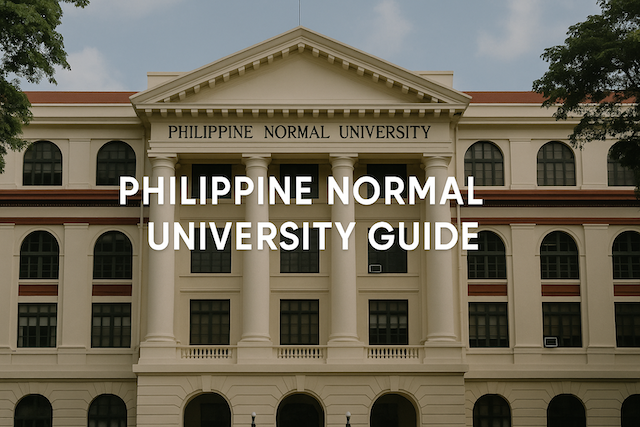
Philippine Normal University (PNU) Guide
Philippine Normal University (PNU) is the National Center for Teacher Education in the Philippines and one of the country’s most respected institutions for future educators. Established in 1901, PNU has played a major role in shaping the Philippine education system by producing competent, ethical, and globally competitive teachers. Today, it continues to lead in teacher training, educational research, and the development of innovative teaching methods.
This comprehensive guide explores PNU’s history, reputation, campuses, academic programs, admissions, tuition fees, student life, and why it remains the top choice for students pursuing a career in education.
Overview of Philippine Normal University
Philippine Normal University is a state-funded teacher education institution known for academic excellence and a strong commitment to educational innovation. As the National Center for Teacher Education (RA 9647), it has the unique mandate of advancing the professional development of educators in the Philippines.
PNU offers undergraduate, graduate, and postgraduate programs focused on education, leadership, curriculum development, and other fields related to teaching and learning. Its main campus is located in Manila, with satellite campuses in North Luzon, South Luzon, Visayas, and Mindanao.
The university is highly regarded for its rigorous curriculum, competent faculty, strong research culture, and consistent performance in the Licensure Examination for Teachers (LET).
History and Reputation
Philippine Normal University began as the Philippine Normal School in 1901 under the American colonial administration. It later evolved into a college, and in 1991 it officially became a university. In 2009, Republic Act 9647 declared PNU as the National Center for Teacher Education.
Over its long history, PNU has earned a reputation for:
-
Producing top-performing teachers in both elementary and secondary education
-
High LET passing and topnotcher percentages
-
Research leadership in education and teacher development
-
International collaborations with universities in Asia, Europe, and the United States
-
Shaping national education policies and standards through research and extension programs
Because of its influence on the Philippine educational system, PNU is often regarded as the “Teacher’s University.”
PNU Campuses
PNU operates several campuses across the country to expand access to teacher education programs.
PNU Manila (Main Campus)
Located in Ermita, Manila, the main campus serves as the administrative and academic center. It houses the largest population of students and offers the most comprehensive set of degree programs. The campus is known for its historical buildings and central location near government offices and cultural landmarks.
PNU North Luzon – Alicia, Isabela
This campus specializes in agricultural education, science teaching, and community-based teacher training programs. It caters to students from Cagayan Valley and the northern regions.
PNU South Luzon – Lopez, Quezon
The South Luzon campus focuses on physical education, technology education, and teacher development initiatives for CALABARZON and MIMAROPA regions.
PNU Visayas – Cadiz City, Negros Occidental
PNU Visayas delivers programs tailored for teacher development in Western, Central, and Eastern Visayas. It emphasizes basic education teaching and community-based instruction.
PNU Mindanao – Prosperidad, Agusan del Sur
Serving Mindanao’s growing educational sector, this campus supports teacher education programs that address regional educational needs, especially in rural and indigenous communities.
Academic Programs
Philippine Normal University offers a variety of teacher-focused academic programs across different levels.
Undergraduate Programs
Most undergraduate programs are education degrees with specializations such as:
-
Bachelor of Elementary Education (BEEd)
-
Bachelor of Secondary Education (BSEd) with majors in:
-
Bachelor of Early Childhood Education
-
Bachelor of Library and Information Science
-
Bachelor of Technology and Livelihood Teacher Education
-
Bachelor of Physical Education
These programs are designed to develop foundational knowledge, pedagogical skills, and subject-area expertise.
Graduate Programs
The Graduate School offers master’s and doctoral degrees, such as:
-
Master of Arts in Education (various majors)
-
Master of Education
-
Master of Science in Teaching
-
Doctor of Philosophy in Education (PhD)
-
Doctor of Education (EdD)
Graduate students engage in advanced research, leadership training, and professional development activities.
Specialized and Certificate Programs
PNU also provides certificate and diploma programs for professional teachers, non-education graduates, and in-service educators seeking further specialization.
Admission Requirements and Process
PNU admissions vary depending on the program level and campus, but the general requirements are as follows:
Undergraduate Admission Requirements
-
Accomplished online application form
-
Senior high school report card (Form 138)
-
Certificate of Good Moral Character
-
PSA Birth Certificate
-
Recent 2×2 ID photos
-
College Admission Test results (if applicable)
PNU may implement qualifying exams and interviews for specific programs.
Graduate Admission Requirements
-
Bachelor’s degree in education or related field
-
TOR (Transcript of Records)
-
Curriculum Vitae
-
Recommendation letters
-
Graduate program entrance exam (varies by program)
Admissions may also require interviews or research proposals.
International Students
Foreign students must submit additional documents such as:
Tuition Fees and Scholarships
As a state university, PNU offers affordable tuition fees, and undergraduate students benefit from the Free Tuition Law (RA 10931). This means qualified Filipino students may study with zero tuition.
Estimated Fees
-
Tuition (undergraduate): Free
-
Miscellaneous and laboratory fees: PHP 2,000–8,000 per semester
-
Graduate program tuition: PHP 500–1,000 per unit (varies by program)
Scholarships and Financial Aid
PNU offers various scholarships:
-
Academic scholarships for high-performing students
-
DOST scholarships for science education majors
-
CHED-funded grants
-
Private foundation scholarships
-
Graduate assistantships
These programs help support students’ academic and financial needs.
Campus Facilities
PNU provides facilities that support teaching, learning, and research.
-
Modernized classrooms and lecture halls
-
Learning Resource Center (LRC)
-
Science and technology laboratories
-
Sports facilities
-
Student Activity Center
-
University dormitories
-
Libraries with access to digital and research databases
The Manila campus also offers spaces for arts, culture, and student organizations.
Student Life at PNU
Life at PNU is centered on academic growth, leadership development, and campus involvement.
Organizations and Clubs
Students can join:
-
Academic organizations
-
Cultural and performing arts groups
-
Student government units
-
Education-related societies
-
Sports teams and fitness clubs
These groups help students develop social skills and leadership abilities.
Internships and Practice Teaching
PNU is known for its strong practice teaching program. Students undergo deployment in public and private schools, where they apply their knowledge and gain real teaching experience.
Events and Traditions
Key events include:
Such activities strengthen school spirit and community engagement.
Why Choose Philippine Normal University?
Here are the top reasons PNU is a leading choice for aspiring educators:
1. National Center for Teacher Education
PNU is uniquely positioned to set standards for teacher training and educational research nationwide.
2. Strong Academic Foundation
Its curriculum is rigorous, research-based, and recognized for producing high-quality educators.
3. Consistent LET Performance
PNU graduates regularly top the Licensure Examination for Teachers, with passing rates exceeding national averages.
4. Affordable Education
State-subsidized tuition makes PNU accessible to students from various backgrounds.
5. Holistic Learning Environment
With good facilities, dedicated faculty, and vibrant student life, PNU fosters both personal and academic growth.
6. Nationwide Reach
Campuses across Luzon, Visayas, and Mindanao make teacher education accessible throughout the Philippines.
Career Opportunities for PNU Graduates
Graduates of PNU often pursue careers such as:
PNU’s strong reputation improves employability both locally and abroad.
Final Thoughts
Philippine Normal University is the best choice for students dedicated to becoming educators, researchers, or educational leaders. With its long-standing tradition of excellence, national mandate, and commitment to teacher development, PNU continues to shape the future of Philippine education.
If you aim to pursue a meaningful and impactful career in teaching, PNU offers the ideal environment, training, and support to help you succeed.
FAQs (Frequently Asked Questions)
What is Philippine Normal University (PNU) best known for?
Philippine Normal University (PNU) is best known as the National Center for Teacher Education in the Philippines. It is highly respected for its strong teacher education programs, consistent performance in the Licensure Examination for Teachers (LET), and its major role in shaping national education policies. PNU specializes in training future educators, school leaders, and education professionals through research-based and practice-oriented programs.
Where are the campuses of Philippine Normal University located?
PNU’s main campus is located in Manila, in the Ermita area near government offices and cultural landmarks. The university also has satellite campuses in different regions of the Philippines: PNU North Luzon in Alicia, Isabela; PNU South Luzon in Lopez, Quezon; PNU Visayas in Cadiz City, Negros Occidental; and PNU Mindanao in Prosperidad, Agusan del Sur. These campuses extend PNU’s teacher education mission across Luzon, Visayas, and Mindanao.
What undergraduate programs does PNU offer?
PNU mainly offers education-focused undergraduate programs such as Bachelor of Elementary Education (BEEd) and Bachelor of Secondary Education (BSEd) with majors in English, Science, Mathematics, Social Studies, Filipino, Values Education, and Technology and Livelihood Education. It also offers programs like Bachelor of Early Childhood Education, Bachelor of Library and Information Science, Bachelor of Technology and Livelihood Teacher Education, and Bachelor of Physical Education. All programs are designed to develop strong content knowledge, pedagogy, and practical teaching skills.
Does PNU offer graduate and doctoral programs?
Yes, PNU has a Graduate School that offers master’s and doctoral degrees in various fields of education. Popular programs include Master of Arts in Education, Master of Education, and Master of Science in Teaching. For advanced studies, PNU offers Doctor of Philosophy in Education (PhD) and Doctor of Education (EdD), which focus on educational leadership, policy, curriculum, and research. These programs are suitable for teachers, school administrators, and education professionals seeking career advancement.
Is tuition free at Philippine Normal University?
For qualified Filipino undergraduate students, tuition at PNU is covered under the Free Tuition Law (Republic Act 10931), meaning they do not pay tuition fees in state universities and colleges. However, students still need to pay certain miscellaneous and other school fees, which may range from a few thousand pesos per semester. Graduate students usually pay per unit, and tuition rates vary depending on their program and course load.
What financial aid and scholarships are available?
PNU provides different types of financial assistance and scholarships for deserving students. These may include academic scholarships for high-performing students, government-funded programs such as DOST and CHED scholarships, and grants from private foundations. Some graduate students may also apply for graduate assistantships, which offer financial support in exchange for research or teaching assistance. Students are encouraged to inquire at the scholarship or student affairs office for updated options and requirements.
What are the admission requirements for undergraduate applicants?
For most undergraduate programs, applicants must submit a completed application form, senior high school report card (Form 138), Certificate of Good Moral Character, PSA Birth Certificate, and recent ID photos. PNU may also administer an entrance examination or screening process, and some programs can require interviews or additional tests. Exact requirements and deadlines can vary by campus and academic year, so it is important to check PNU’s official admissions announcements.
How can I apply as a graduate student at PNU?
Graduate applicants typically need a bachelor’s degree in education or a related field, along with an official Transcript of Records, updated curriculum vitae, and recommendation letters from former professors or supervisors. Some programs may require you to submit a statement of purpose or initial research proposal. You may also need to take a graduate entrance exam and attend an interview. Detailed guidelines are usually provided by the PNU Graduate School or the specific department offering the program.
Does PNU accept international students?
Yes, PNU accepts international students, especially in its major campuses. Foreign applicants generally need to submit authenticated academic records, a valid passport, proof of financial capacity, and English language proficiency documents if required. They must also comply with Philippine immigration regulations, including securing a proper student visa. International students are advised to coordinate directly with PNU’s admissions or international relations office for the latest requirements and procedures.
What is student life like at PNU?
Student life at PNU is active and community-oriented, with many organizations and activities centered on education, culture, and service. Students can join academic clubs, cultural and performing arts groups, sports teams, and student government organizations. The university regularly hosts seminars, education congresses, outreach projects, and campus events that help students build leadership skills and a strong professional network. Overall, the environment encourages collaboration, service, and a strong sense of purpose as future educators.
What facilities are available on campus?
PNU’s campuses generally offer classrooms and lecture halls, libraries with print and digital resources, science and computer laboratories, and learning resource centers. The Manila campus also has spaces for student activities, sports facilities, and sometimes dormitory or housing options for students, depending on availability. These facilities support academic work, research, and co-curricular engagement. The exact facilities may differ by campus, but all are geared toward supporting teacher education and training.
What career opportunities do PNU graduates have?
PNU graduates are highly employable in the education sector and beyond. Many become teachers in public and private schools, both in the Philippines and overseas. Others move into roles such as curriculum developers, education program specialists, school administrators, instructional designers, trainers, and education researchers. Because of PNU’s strong reputation and consistent LET performance, its graduates often enjoy good employment prospects and opportunities for career advancement in education-related fields.