2026年4月5日
3D ACADEMY offers affordable English study programs in Cebu, Philippines – perfect for beginners, professionals, and exam takers.

3D UNIVERSAL ENGLISH INSTITUTE INC
info.3d-universal.com
8:00-17:00(Mon-Fri)
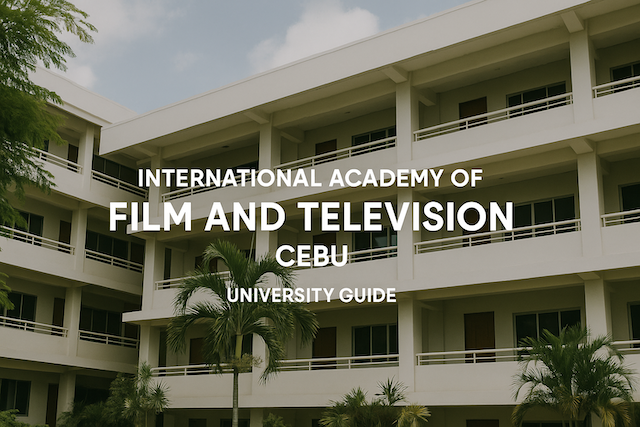
International Academy of Film and Television: Cebu University Guide
Contents
- International Academy of Film and Television: Cebu University Guide
- About IAFT Cebu
- Academic Programs Offered
- Training Philosophy and Teaching Approach
- Campus Location and Facilities
- Admission Requirements
- Tuition and Fees
- Student Life and Community
- Career Opportunities After Graduation
- Why Study at IAFT Cebu?
- Nearby Accommodations and Living in Cebu
- Final Thoughts
- FAQs (Frequently Asked Questions)
- What is the International Academy of Film and Television (IAFT) Cebu?
- What programs are offered at IAFT Cebu?
- Do I need prior experience in film or acting to apply?
- What are the admission requirements for IAFT Cebu?
- Is IAFT Cebu suitable for international students?
- How much does it cost to study at IAFT Cebu?
- Are scholarships or financial aid options available?
- What kind of equipment and facilities can students use?
- Does IAFT Cebu provide on-campus housing?
- Can graduates find work in the film and media industry?
- Are there internship or networking opportunities?
- Does IAFT Cebu offer online or blended learning options?
- How can I get the most accurate and updated information about IAFT Cebu?
International Academy of Film and Television: Cebu University Guide
The International Academy of Film and Television (IAFT) in Cebu is one of the premier film and media institutions in Southeast Asia, known for its hands-on approach to filmmaking, acting, and multimedia production. Established with a mission to produce industry-ready graduates, the academy combines Hollywood-standard training with the creative energy of Cebu’s growing film and media scene. This guide explores IAFT’s programs, facilities, admission process, campus life, tuition, and why it has become a top destination for aspiring creatives from around the world.
Whether you want to become a filmmaker, screenwriter, sound engineer, or actor, IAFT offers a unique environment where students learn directly through real productions and industry mentorship. Below is a complete overview of what to expect as a student at the International Academy of Film and Television Cebu.
About IAFT Cebu
The International Academy of Film and Television (IAFT) was founded to provide practical, immersive media education modeled after professional film studio environments. Rather than focusing on purely theoretical learning, IAFT emphasizes industry apprenticeship, with students participating in actual productions from day one.
Known for its diverse student population, the school attracts learners from the Philippines, the U.S., Europe, Latin America, and the rest of Asia. Many graduates have gone on to work in film studios, production houses, advertising agencies, and independent film circuits around the world.
The Cebu campus is particularly valued for its peaceful environment and affordable lifestyle, making it an excellent location for creative study.
Academic Programs Offered
IAFT Cebu offers specialized programs in film, media, and performing arts. All programs combine classroom instruction with practical workshops, equipment training, and production work.
Filmmaking Program
The flagship program of IAFT is its comprehensive Filmmaking Program, designed to train students in all essential aspects of film production.
Key areas include:
-
Directing
-
Cinematography
-
Film editing
-
Screenwriting
-
Sound design
-
Production management
Students work on multiple short films during the program, giving them a solid portfolio for future employment or festival submissions.
Acting Program
The Acting Program trains students for film, television, stage, and digital content performance. Courses focus on:
-
Character development
-
Voice and movement
-
Scene study
-
On-camera acting
-
Improvisation
Actors frequently collaborate with the filmmaking students for productions, creating a professional studio-like environment.
Screenwriting Program
For students passionate about storytelling, the Screenwriting Program offers training in:
-
Script structure
-
Character creation
-
Dialogue development
-
Writing for film, TV, and web series
Students complete multiple scripts and participate in screenplay workshops and critiques.
Sound Design
IAFT also offers training in sound engineering and production. Topics include:
-
Field recording
-
Foley
-
Sound mixing
-
Post-production techniques
Sound design students work on real student films to gain hands-on experience.
Short Courses and Workshops
IAFT often hosts specialized workshops such as:
-
Directing Masterclass
-
Drone filmmaking
-
Introduction to 3D animation
-
Documentary filmmaking
These are suitable for hobbyists, professionals, or students who want to upgrade skills quickly.
Training Philosophy and Teaching Approach
One of the key strengths of IAFT is its hands-on, production-centered approach. Instead of studying film theory through lectures alone, students learn inside real film sets, using professional-grade equipment.
Mentorship by Industry Professionals
The academy maintains a roster of mentors with practical experience in directing, screenwriting, cinematography, and production. Small class sizes ensure students receive individualized feedback.
Real Productions and Portfolio Building
Students produce several short films, participate in collaborative projects, and take on different production roles. By graduation, each student has a polished portfolio that demonstrates capability across multiple disciplines—an advantage when applying for jobs or festival entries.
Studio-Like Environment
IAFT simulates the workflow of high-level film studios, teaching students to follow industry standards, team structures, and production schedules.
Campus Location and Facilities
IAFT Cebu offers an environment that supports creativity, collaboration, and professional training. Its location provides accessible transportation, nearby accommodations, and a quiet atmosphere ideal for study.
Film Studios and Sound Stages
The campus houses dedicated spaces where students can build sets, experiment with lighting, and shoot scenes for their projects.
Post-Production Suites
Students have access to editing stations equipped with professional software such as:
-
Adobe Premiere Pro
-
DaVinci Resolve
-
Pro Tools
-
Final Cut Pro
Equipment and Gear
IAFT provides:
-
HD and 4K cameras
-
Professional lighting kits
-
Microphones and audio gear
-
Stabilizers and tripods
-
Filmmaking accessories
Students are trained to use all equipment properly and safely during productions.
Acting Rooms and Rehearsal Spaces
The acting department has rooms for script reading, rehearsals, and performance workshops.
Admission Requirements
Students from any nationality may apply. As a film and performing arts school, IAFT emphasizes passion and creative potential more than academic records.
General Requirements
-
Completed application form
-
Copy of passport or valid ID
-
High school diploma (or equivalent)
-
Application fee
-
Portfolio (recommended but not always required)
For Acting Students
Some applicants may be asked to submit a monologue video or attend an audition.
For International Students
Additional requirements include:
-
Student visa processing
-
English proficiency assessment (if necessary)
IAFT staff often assist with visa documentation for foreign learners.
Tuition and Fees
While tuition fees may vary each year, IAFT is considered affordable compared to film schools in the U.S. or Europe. Costs typically include:
-
Registration fee
-
Tuition per term
-
Use of facilities and equipment
-
Production fees
Students may also incur costs for film materials, special workshops, and personal gear such as hard drives.
Housing in Cebu is reasonably priced, especially in areas like Mandaue, Banilad, and Lapu-Lapu, making IAFT a budget-friendly destination for international film students.
Student Life and Community
IAFT has a vibrant creative community that encourages collaboration and cultural exchange.
Diverse Student Body
Students come from around the world, creating an international learning environment.
Film Festivals and Showcases
Students participate in:
-
Local Cebu film festivals
-
Internal screenings
-
International competitions
Some IAFT alumni have won awards in global short film competitions.
Extracurricular Activities
Clubs and activities include:
-
Film appreciation groups
-
Acting clubs
-
Photography groups
-
Media and production teams
Career Opportunities After Graduation
IAFT provides graduates with skills relevant to multiple sectors in the media industry.
Common Career Paths
-
Film director
-
Videographer
-
Film and TV actor
-
Screenwriter
-
Editor
-
Sound technician
-
Producer
-
Documentary filmmaker
-
Digital content creator
Many alumni find work in advertising, online media, and corporate video production.
Industry Connections
IAFT maintains partnerships with production houses and media companies in Cebu, Manila, and abroad. Students benefit from internship opportunities and industry networking events.
Why Study at IAFT Cebu?
The International Academy of Film and Television offers many advantages:
1. Hands-On Learning
Students spend more time creating films than attending lectures.
2. Affordable World-Class Training
High-quality instruction at a lower cost compared to Western film schools.
3. Strong Creative Community
A multicultural, collaborative environment ideal for creative growth.
4. Portfolio-Focused Education
Graduates leave with actual work that demonstrates their abilities.
5. Access to Industry Mentors
Learning from professionals with real-world experience boosts confidence and employability.
Nearby Accommodations and Living in Cebu
Cebu is known for its friendly community, rich culture, and relatively low cost of living. Students often choose housing in nearby areas to stay close to the campus.
Recommended residential zones include:
-
Banilad
-
Mabolo
-
Mandaue City
-
Talamban
-
IT Park
-
Lapu-Lapu City (for those preferring quieter neighborhoods)
Living expenses are typically lower than Manila or major international cities, making IAFT Cebu attractive for long-term study.
Final Thoughts
The International Academy of Film and Television Cebu offers a unique blend of creative training, hands-on learning, and industry-focused education. For aspiring filmmakers, actors, and media professionals, IAFT provides a supportive environment where talent is nurtured, and opportunities are abundant. Its international community, skilled mentors, and high-quality facilities make it a top choice for those pursuing careers in film and multimedia.
Whether you are just starting your creative journey or looking to refine advanced skills, IAFT Cebu delivers an educational experience that prepares you for the professional world of film and entertainment.
FAQs (Frequently Asked Questions)
What is the International Academy of Film and Television (IAFT) Cebu?
The International Academy of Film and Television (IAFT) Cebu is a specialized film and media school that offers hands-on training in filmmaking, acting, screenwriting, sound design, and related disciplines. It follows a practical, production-based approach where students learn by working on real film projects, collaborating with peers, and receiving guidance from industry-experienced mentors.
What programs are offered at IAFT Cebu?
IAFT Cebu typically offers programs focused on film and media such as Filmmaking, Acting, Screenwriting, and Sound Design, along with various short courses and workshops. These programs emphasize practical training, portfolio building, and collaboration across disciplines. Since specific offerings may change over time, applicants should check the official IAFT Cebu information channels for the most up-to-date list of programs and course structures.
Do I need prior experience in film or acting to apply?
No, many students enter IAFT Cebu as beginners. While prior experience can be helpful, it is not always required. The school generally looks for passion, commitment, and an interest in creative work. Introductory courses and guided exercises are designed to help newcomers gain confidence in using cameras, editing software, and performance techniques. However, more advanced programs may expect a higher level of readiness or a small portfolio.
What are the admission requirements for IAFT Cebu?
Typical admission requirements include a completed application form, valid identification or passport, and at least a high school diploma or equivalent. Applicants may also be asked to submit a short personal statement, a sample of creative work, or a video audition (especially for acting). International students will usually need to meet additional requirements related to immigration and visas. Because policies can differ by year and program, it is important to confirm the current requirements directly with IAFT Cebu.
Is IAFT Cebu suitable for international students?
Yes, IAFT Cebu is known for having a diverse student body with learners from different countries. Classes are typically delivered in English, and the school environment is designed to accommodate international students. Assistance may be available for visa-related documentation and basic local orientation, although students are responsible for complying with official immigration rules and requirements set by Philippine authorities.
How much does it cost to study at IAFT Cebu?
Tuition and fees can vary depending on the specific program, course length, and any additional production or equipment-related costs. In general, studying in Cebu may be more affordable compared to film schools in North America or Europe, but it is still a significant financial commitment. Prospective students should request an official fee schedule from IAFT Cebu or review their latest materials to get accurate figures on tuition, registration, and any other mandatory charges.
Are scholarships or financial aid options available?
Scholarships, discounts, or financial aid options, if offered, will depend on IAFT Cebu’s current policies, partnerships, and funding. Some schools provide merit-based assistance, early-bird discounts, or special packages for specific programs or intakes. Because financial offerings can change, the most reliable way to know what is available is to contact the school directly or check its official announcements and admissions materials.
What kind of equipment and facilities can students use?
Students at IAFT Cebu generally have access to professional-grade cameras, lighting equipment, sound gear, and editing stations equipped with industry-standard software. Facilities may include studio spaces, sound stages, rehearsal rooms, and post-production suites. Access rules, reservation systems, and usage policies are usually defined by the school to ensure safety and fairness. Specific models and brands of equipment can change over time as technology is updated.
Does IAFT Cebu provide on-campus housing?
IAFT Cebu may not always operate its own dormitory or residence, and many students choose to live in nearby apartments, shared housing, or boarding facilities. The surrounding areas typically offer a range of options in terms of price, room type, and distance from campus. While the school may provide housing suggestions or contacts, students are generally responsible for arranging their own accommodations and must carefully review rental terms and conditions.
Can graduates find work in the film and media industry?
Graduates from IAFT Cebu often pursue careers such as filmmaker, editor, videographer, screenwriter, actor, sound technician, or digital content creator. The practical training and portfolio development can help them qualify for roles in production companies, advertising agencies, online media, and independent projects. However, the school cannot guarantee employment, as success in the creative industry also depends on personal initiative, networking, location, and market conditions.
Are there internship or networking opportunities?
Depending on the current partnerships and programs, IAFT Cebu may provide opportunities for internships, collaborative projects, and industry events. These can help students build contacts and gain exposure to real-world production environments. The availability and nature of such opportunities can shift over time, so prospective and current students should ask the school about any active industry linkages, internship programs, or showcase events.
Does IAFT Cebu offer online or blended learning options?
Some film and media schools experiment with online or blended formats, especially for theoretical or writing-focused subjects like screenwriting. However, core filmmaking and acting training usually rely heavily on physical equipment, sets, and in-person collaboration. Whether IAFT Cebu currently offers online components or remote-friendly courses will depend on institutional policy and local regulations at any given time. It is best to consult the latest official announcements for accurate information on learning modes.
How can I get the most accurate and updated information about IAFT Cebu?
Because details about programs, tuition, schedules, and policies can change, the most reliable approach is to review IAFT Cebu’s official website, verified social media pages, or admissions office communications. When planning your education, always confirm time-sensitive information—such as application deadlines, visa requirements, and fee structures—directly with the school or appropriate authorities to ensure that you are working with the latest data.
Philippines University Guide
Cebu University Guide
Cebu Province All Universities Lists

How to Register for eTravel Philippines (2025 Guide)
Step-by-step guide to completing your eTravel registration before arriving in the Philippines, with images and tips.

Night Market in Cebu – Things You Don’t Know About Cebu Life
Discover the hidden charm of Cebu’s night markets, from street food stalls to local life tips you won’t find in tourist guides.

How to Use ChatGPT for IELTS Preparation: A Complete Guide
Learn how to prepare for IELTS using ChatGPT — including strategies for Writing, Reading, Listening, Speaking, and grammar support.

How to Build a Website Without Coding Using ChatGPT
Discover how to build your own website using AI—no coding skills needed. From structure planning to SEO and design, let ChatGPT guide you.