2025年12月13日
3D ACADEMY offers affordable English study programs in Cebu, Philippines – perfect for beginners, professionals, and exam takers.

3D UNIVERSAL ENGLISH INSTITUTE INC
info.3d-universal.com
8:00-17:00(Mon-Fri)
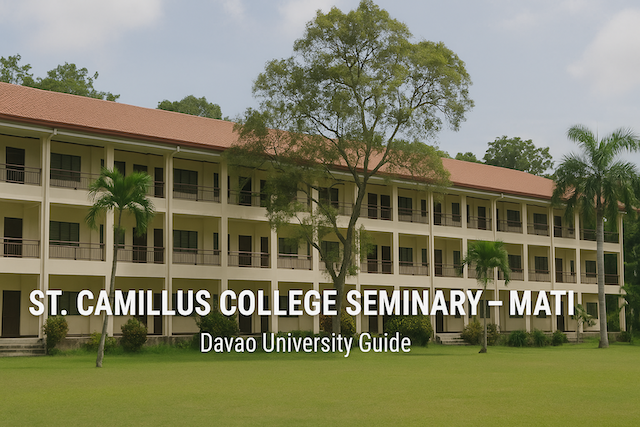
St. Camillus College Seminary – Mati: Davao University Guide
Contents
- St. Camillus College Seminary – Mati: Davao University Guide
- Overview of St. Camillus College Seminary – Mati
- History and Mission
- Academic Programs and Curriculum
- Spiritual and Pastoral Formation
- Campus Facilities and Environment
- Student Life at the Seminary
- Admission Requirements and Process
- Tuition and Financial Considerations
- Why Choose St. Camillus College Seminary in Mati?
- SCCS in the Context of Davao University Education
- How SCCS Shapes Future Leaders
- Final Thoughts
- FAQs (Frequently Asked Questions)
- What is St. Camillus College Seminary in Mati?
- Is St. Camillus College Seminary a regular high school or a seminary only?
- Who can apply to St. Camillus College Seminary?
- What kind of academic curriculum does SCCS follow?
- What makes the formation program at SCCS unique?
- Do all students of SCCS eventually become priests?
- What is daily life like inside the seminary?
- What facilities are available at St. Camillus College Seminary?
- How does the admission process work?
- How much does it cost to study at SCCS, and are scholarships available?
- Is St. Camillus College Seminary only for those who are already sure about becoming priests?
St. Camillus College Seminary – Mati: Davao University Guide
St. Camillus College Seminary (SCCS) in Mati City, Davao Oriental, is one of the most distinct and mission-oriented educational institutions in the region. Managed by the Camillians (Order of St. Camillus), the seminary focuses on forming young men who feel called to pursue the priesthood, while also offering a holistic academic program rooted in Catholic tradition, service, and character formation. Although it is primarily a seminary, it also functions as an educational institution that supports human, academic, spiritual, and pastoral development.
For students and families considering faith-centered education in Mati, St. Camillus College Seminary stands out as a specialized institution committed to values-based formation. This guide covers the seminary’s history, academic offerings, campus atmosphere, admission process, student life, and what makes it a unique part of the Davao university and education landscape.
Overview of St. Camillus College Seminary – Mati
St. Camillus College Seminary is located in Mati City, Davao Oriental, a peaceful and scenic area known for its natural beauty and slower-paced environment—ideal for reflective and spiritual formation. The seminary is operated under the Order of St. Camillus, a Catholic religious order recognized worldwide for its dedication to healthcare, compassion, and service to the sick and poor.
The institution is designed for young men who are discerning their vocation to the priesthood, typically in the minor seminary level. Formation is comprehensive, combining academic study, spiritual growth, community living, and pastoral exposure. SCCS is deeply rooted in the Camillian values of charity, humility, discipline, and service.
History and Mission
The Camillian order, founded by St. Camillus de Lellis, is globally known for ministries in healthcare and compassion. St. Camillus College Seminary in Mati was established as part of the mission to nurture future priests who are not only grounded in Catholic teachings but also trained in compassion and service.
The mission of SCCS is centered on:
-
Forming young men for future service in the Church
-
Nurturing Christian virtues such as charity, humility, and responsibility
-
Providing quality education alongside spiritual and pastoral formation
-
Developing a deep sense of vocation and mission
The seminary maintains a balanced approach, integrating academic rigor with spiritual growth, prayer life, community building, and personal discipline.
Academic Programs and Curriculum
While St. Camillus College Seminary is primarily a seminary, it operates an academic program comparable to secondary education institutions, aligned with Philippine educational standards.
Academic Coverage
The seminary typically offers:
-
Junior High School (Grades 7–10)
-
Senior High School (Grades 11–12) under a specialized curriculum for seminarians
The curriculum is supervised by the Department of Education, ensuring that students receive a complete academic education while also undergoing religious formation.
Core Academic Subjects
Students follow standard secondary school subjects such as:
-
Mathematics
-
Science
-
English
-
Filipino
-
Social Studies
-
MAPEH
-
Technology and Livelihood Education (TLE)
Seminary-Specific and Religious Subjects
Alongside the standard curriculum, seminarians take subjects that help deepen their spiritual and theological understanding:
-
Christian Living / Values
-
Basic Catechism
-
Scriptures
-
Liturgy
-
Church History
-
Spiritual Formation sessions
These classes are taught by formators, priests, and qualified lay educators to guide students toward personal growth and vocation clarity.
Spiritual and Pastoral Formation
The heart of SCCS is its formation program. Students are not only educated academically; they are formed in character, spirituality, and service.
Daily Spiritual Activities
Seminarians follow a structured daily schedule that includes:
-
Morning and evening prayers
-
Holy Mass
-
Rosary and meditation
-
Spiritual reading
-
Community reflections
This structured environment helps cultivate discipline, humility, and spiritual awareness.
Retreats and Recollections
Students join:
-
Annual retreats
-
Regular recollection days
-
Vocation seminars
-
Parish exposure programs
These activities allow seminarians to reflect deeply on their calling and spiritual journey.
Pastoral Exposure
Seminarians are given opportunities to serve in:
-
Parishes
-
Community outreach programs
-
Catechesis for children
-
Mission activities
Through these, students learn compassion, teamwork, and a deeper understanding of priestly life.
Campus Facilities and Environment
St. Camillus College Seminary offers a calm, peaceful campus ideal for prayer, study, and formation.
Key Facilities
-
Chapel – The heart of the seminary community
-
Classrooms – Conducive learning environment
-
Dormitories – Shared living that promotes brotherhood
-
Refectories (Dining areas) – Community meals
-
Recreation areas – For sports and physical formation
-
Study halls – Quiet areas for academics and spiritual reading
The campus is surrounded by greenery and open spaces, helping students focus on personal development away from distractions.
Student Life at the Seminary
Life at SCCS is built around community, simplicity, spirituality, and personal growth.
Daily Routine
The schedule typically includes:
-
Early morning prayers
-
Breakfast
-
Academic classes
-
Afternoon community works / chores
-
Games or physical activities
-
Evening prayers and lights out
This disciplined routine helps develop strong habits and a sense of responsibility.
Community Living
Seminarians live in shared dormitories, which teaches:
-
Cooperation
-
Brotherhood
-
Social maturity
-
Empathy and communication
Clubs and Activities
While the seminary is focused on formation, it also includes:
-
Choir
-
Liturgical ministries
-
Sports (basketball, volleyball)
-
Arts and music activities
-
Academic clubs
Extracurricular involvement supports well-rounded development.
Admission Requirements and Process
St. Camillus College Seminary accepts young men who show potential in academic ability, discipline, spirituality, and leadership.
Typical Requirements
-
Report cards
-
Baptismal and confirmation certificates
-
Recommendation letter from parish priest
-
Application form
-
Entrance interview
-
Sometimes an entrance examination
Qualities They Look For
-
Openness to discern a vocation
-
Good moral character
-
Willingness to follow rules and schedules
-
Interest in spiritual and community life
The admission process ensures that students understand what seminary life entails.
Tuition and Financial Considerations
Since seminary education involves both academic and formation programs, fees may differ from standard secondary schools. Many seminaries offer:
-
Scholarship opportunities
-
Financial aid from benefactors
-
Subsidized formation programs
Families are encouraged to directly inquire about updated tuition structures, including boarding, meals, uniforms, and formation fees.
Why Choose St. Camillus College Seminary in Mati?
1. Strong Spiritual and Moral Formation
Students develop deep Christian values that prepare them for a meaningful, service-oriented life—whether they continue to priesthood or pursue other paths.
2. Peaceful, Focused Learning Environment
The quiet and scenic surroundings of Mati create an ideal space for reflection and learning.
3. Holistic Growth
SCCS integrates academics, discipline, spirituality, physical development, and leadership formation.
4. Character and Values at the Core
The Camillian tradition is rooted in compassion, care for the sick, and service to the needy, shaping students with a heart for others.
5. Community-Oriented Education
Seminarians build lifelong friendships and a sense of brotherhood through shared daily life and formation activities.
SCCS in the Context of Davao University Education
Although not a university in the traditional sense, St. Camillus College Seminary holds an important place in Davao Oriental’s academic and religious landscape. It provides an alternative educational path for young men seeking spiritual direction and values-based formation.
Compared to other institutions in the region:
-
Universities focus on academics and professional degrees.
-
The seminary focuses on vocation, character, and moral development.
This unique positioning makes SCCS a vital institution for families seeking Catholic, faith-centered education for their children.
How SCCS Shapes Future Leaders
Many seminary graduates go on to become:
-
Priests
-
Teachers
-
Community leaders
-
Healthcare workers
-
Social workers
-
Mission volunteers
Even those who do not continue to major seminary often say the discipline and formation they received at SCCS shaped their personal values and future careers.
Final Thoughts
St. Camillus College Seminary – Mati is more than an academic institution; it is a formation house that helps young men grow spiritually, academically, and personally. For families seeking a nurturing environment rooted in Catholic teachings and Camillian values, SCCS remains one of the most meaningful educational options in Davao Oriental.
FAQs (Frequently Asked Questions)
What is St. Camillus College Seminary in Mati?
St. Camillus College Seminary (SCCS) in Mati City, Davao Oriental, is a Catholic minor seminary operated by the Order of St. Camillus. It offers secondary-level academic education integrated with spiritual and human formation for young men discerning a possible vocation to the priesthood. While it follows the standard Philippine school curriculum, its primary mission is to help students grow in faith, character, and service-oriented leadership.
Is St. Camillus College Seminary a regular high school or a seminary only?
SCCS is both a school and a seminary. It provides junior and senior high school education that complies with national academic standards, but it is specifically designed for seminarians. This means that, in addition to regular academic subjects, students also receive spiritual, pastoral, and character formation. It is not a typical public or private high school; it is a formation house for those considering a Church vocation.
Who can apply to St. Camillus College Seminary?
The seminary is open to young men, usually from Grade 7 and up, who show interest in exploring a vocation to the priesthood and are willing to live in a community with rules, schedules, and spiritual activities. Applicants should have good moral character, acceptable academic performance, and a willingness to grow in faith and discipline. A recommendation from a parish priest or religious educator is often required.
What kind of academic curriculum does SCCS follow?
St. Camillus College Seminary follows the standard secondary curriculum mandated by the Philippine Department of Education. Students take core subjects such as Mathematics, Science, English, Filipino, Social Studies, and MAPEH, along with Technology and Livelihood Education. In addition, seminarians study religion-related subjects like Christian Living, Scriptures, basic theology, and liturgy, which support their spiritual formation and understanding of the Catholic faith.
What makes the formation program at SCCS unique?
The formation program at SCCS combines academic learning with spiritual, human, and pastoral development. Daily schedules include prayers, Mass, spiritual reading, community work, and guided reflection. Seminarians also join retreats, recollections, and parish exposures. The formation aims not only to prepare future priests but also to form young men with strong values, self-discipline, compassion, and a deep sense of responsibility toward others.
Do all students of SCCS eventually become priests?
No. While SCCS provides an environment for discerning a vocation to the priesthood, not all seminarians eventually become priests. Some continue on to major seminary, while others choose different paths such as college degrees, professions, or lay ministry. However, many alumni say that the discipline, values, and formation they received at SCCS helped them greatly in their later careers and personal lives, regardless of their chosen vocation.
What is daily life like inside the seminary?
Daily life in the seminary is structured and community-based. A typical day includes early morning prayers, breakfast, academic classes, community chores, study periods, recreation or sports, evening prayers, and quiet time before lights out. Seminarians live in shared dormitories, eat together, and participate in common activities. This lifestyle helps them develop discipline, time management, teamwork, and a sense of brotherhood with their fellow seminarians.
What facilities are available at St. Camillus College Seminary?
SCCS usually has essential facilities for both formation and academics, such as a chapel for liturgical celebrations, classrooms, dormitories, study halls, a refectory or dining area, and open spaces for recreation and sports. There may also be offices for formators and staff, small libraries, and areas for spiritual direction or counseling. The environment is kept simple but conducive to prayer, study, and community living.
How does the admission process work?
The admission process typically includes submission of basic academic documents such as report cards, a completed application form, baptismal and confirmation certificates, and sometimes a recommendation from a parish priest. Many seminaries also conduct interviews and, in some cases, entrance tests to assess readiness and motivation. The goal is to ensure that applicants understand what seminary life involves and are prepared for its spiritual and community demands.
How much does it cost to study at SCCS, and are scholarships available?
Fees at a minor seminary like SCCS may cover tuition, board and lodging, books, uniforms, and formation costs. Exact amounts can change over time, so families are encouraged to contact the seminary directly for updated information. Many seminaries receive support from benefactors and religious communities, and they may offer partial scholarships, discounts, or financial assistance for deserving or financially challenged seminarians.
Is St. Camillus College Seminary only for those who are already sure about becoming priests?
No. The purpose of a minor seminary is to help young men discern, not to demand an early final decision. SCCS welcomes students who are open to exploring the possibility of priesthood and are willing to be guided through prayer, formation, and community life. Over time, with the help of formators, spiritual directors, and personal reflection, each seminarian can better understand whether God is calling him to the priesthood or to another path of service.
Davao University Guide
Davao Province All Universities Lists
Philippines University Guide

How to Register for eTravel Philippines (2025 Guide)
Step-by-step guide to completing your eTravel registration before arriving in the Philippines, with images and tips.

Night Market in Cebu – Things You Don’t Know About Cebu Life
Discover the hidden charm of Cebu’s night markets, from street food stalls to local life tips you won’t find in tourist guides.

How to Use ChatGPT for IELTS Preparation: A Complete Guide
Learn how to prepare for IELTS using ChatGPT — including strategies for Writing, Reading, Listening, Speaking, and grammar support.

How to Build a Website Without Coding Using ChatGPT
Discover how to build your own website using AI—no coding skills needed. From structure planning to SEO and design, let ChatGPT guide you.