2025年12月13日
3D ACADEMY offers affordable English study programs in Cebu, Philippines – perfect for beginners, professionals, and exam takers.

3D UNIVERSAL ENGLISH INSTITUTE INC
info.3d-universal.com
8:00-17:00(Mon-Fri)
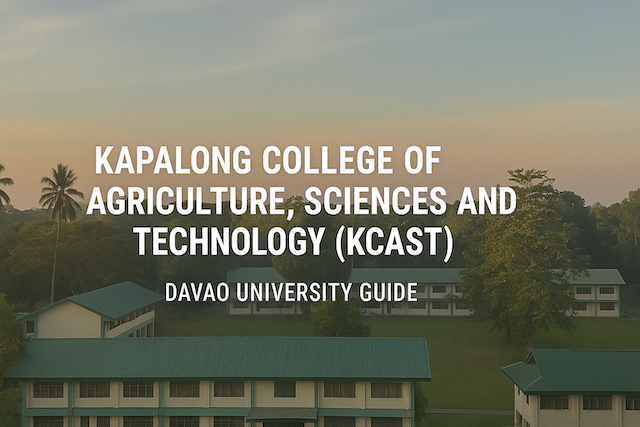
Kapalong College of Agriculture, Sciences and Technology (KCAST)
Contents
- Kapalong College of Agriculture, Sciences and Technology (KCAST): Davao University Guide
- Overview of KCAST
- Academic Programs Offered
- Campus Environment and Facilities
- Student Life at KCAST
- Admissions Process
- Scholarships and Financial Assistance
- Career Opportunities for Graduates
- Community Impact and Extension Services
- Why Choose KCAST?
- FAQs (Frequently Asked Questions)
- What programs are offered at Kapalong College of Agriculture, Sciences and Technology (KCAST)?
- Where is KCAST located?
- What are the basic admission requirements for new students?
- Does KCAST require an entrance exam?
- How much is the tuition at KCAST?
- Are scholarships and financial assistance available for students?
- Does KCAST accept transferees or second-degree applicants?
- What facilities are available for agriculture and science students?
- Is there on-campus housing or dormitory accommodation?
- What is student life like at KCAST?
- What career opportunities are available for KCAST graduates?
- How can I get more information or start my application?
Kapalong College of Agriculture, Sciences and Technology (KCAST): Davao University Guide
Kapalong College of Agriculture, Sciences and Technology (KCAST) is one of Davao del Norte’s key institutions dedicated to uplifting local communities through accessible, industry-aligned education. Known for its strong focus on agriculture, technical-vocational skills, and community-based development, KCAST plays a crucial role in preparing students for careers in agriculture, agribusiness, environmental management, education, and various applied sciences.
This comprehensive guide provides an in-depth look at KCAST’s academic offerings, campus environment, student life, admissions process, and the opportunities it opens for graduates. Whether you are a prospective student, parent, or researcher, this article outlines everything you need to know about KCAST.
Overview of KCAST
Kapalong College of Agriculture, Sciences and Technology (KCAST) is a public college located in Kapalong, Davao del Norte. Established to support the agricultural and economic development of the region, the institution offers degree programs and technical courses aligned with local and national priorities. As agriculture remains a foundational industry in the province, KCAST focuses on equipping students with practical skills, scientific knowledge, and field experience.
Beyond academics, KCAST aims to contribute to rural development, sustainability, and community empowerment. Students are encouraged to engage in research, participate in extension programs, and apply their learning to real-world situations.
Academic Programs Offered
KCAST offers a range of programs in agriculture, sciences, education, and technology. These programs address industry needs and prepare graduates for in-demand careers in the region and beyond.
Bachelor of Science in Agriculture (BSA)
The flagship program of KCAST, BS Agriculture provides comprehensive training in:
-
Crop science
-
Animal science
-
Soil and water management
-
Agribusiness
-
Sustainable farming practices
Students undergo fieldwork, lab activities, and internships that help them gain hands-on experience necessary for careers in farming, research, or agricultural management.
Bachelor of Science in Agricultural Technology (BSAT)
This program focuses on the technical applications of agricultural science. It is designed for students interested in modern farming technologies, agricultural processing, and equipment operation. Graduates often pursue careers in agricultural production, extension work, or as farm technicians.
Bachelor of Science in Education (BSEd)
KCAST also offers education degree programs with major fields such as:
-
Science Education
-
Mathematics Education
-
Technology and Livelihood Education (TLE)
These programs prepare future teachers with methodological, pedagogical, and content-based training aligned with DepEd and CHED standards.
Technical-Vocational Programs
KCAST is known for offering TESDA-aligned courses such as:
-
Agricultural Crops Production
-
Animal Production
-
Organic Agriculture
-
Food Processing
-
Welding and Fabrication
These TVET programs help students gain employable skills in a shorter time frame and prepare them for NC II/III certifications.
Campus Environment and Facilities
KCAST’s campus is designed to support agriculture- and science-focused learning. It provides students with spaces for hands-on laboratory work, experimentation, and field application.
Laboratory and Research Facilities
The campus includes:
-
Agriculture laboratories
-
Livestock and poultry production areas
-
Crop demonstration farms
-
Greenhouses and nurseries
These facilities allow students to conduct field experiments, practice farming techniques, and understand modern agricultural systems.
Classrooms and Learning Hubs
KCAST provides well-maintained classrooms, ICT facilities, and learning resource centers. Wi-Fi connectivity, computer labs, and multimedia-equipped rooms support modern instruction and research.
Student and Community Amenities
On campus, students will find:
-
Student activity spaces
-
Sports facilities
-
Canteen and food stalls
-
Guidance and admission offices
The institution maintains a friendly, community-driven environment. Students often engage in outreach activities that support local farmers and neighboring barangays.
Student Life at KCAST
KCAST fosters a balanced academic and extracurricular culture. Student organizations and clubs organize various activities that support leadership, community engagement, and personal growth.
Student Organizations
Common groups include:
-
Agriculture and Science Clubs
-
Future Educators Organizations
-
Environmental and Sustainability Groups
-
Cultural and Performing Arts Clubs
These organizations allow students to pursue their interests while developing teamwork and leadership skills.
Campus Events and Activities
Annual events often include:
-
Foundation Day celebrations
-
Agricultural fairs and exhibitions
-
Research conferences
-
Community outreach missions
These activities enrich student life and build connections between the school and the local community.
Admissions Process
The admissions procedure at KCAST is designed to be student-friendly and accessible, especially for residents of Davao del Norte and nearby areas.
General Admission Requirements
Applicants typically prepare the following:
-
Form 138 or Senior High School report card
-
PSA Birth Certificate
-
Certificate of Good Moral Character
-
2×2 ID photos
-
Barangay clearance or residency certificate
Additional requirements may apply for transferees or second-degree applicants.
Entrance Evaluation
While KCAST may conduct interviews or evaluations depending on the program, most applicants are assessed based on academic records and program capacity.
Enrollment Steps
-
Submit all required documents to the Admissions Office.
-
Select preferred program and undergo initial advising.
-
Complete evaluation and wait for admission confirmation.
-
Proceed with payment of applicable school fees (if any).
-
Attend orientation and begin classes.
As a public institution, KCAST offers affordable tuition, and qualified students may apply for scholarships or government financial support.
Scholarships and Financial Assistance
KCAST students have access to multiple scholarship opportunities such as:
-
CHED-funded scholarships (Tulong Dunong, Merit Scholarship)
-
Local government unit (LGU) scholarships
-
TESDA financial assistance for TVET programs
-
Private grants and academic achievement awards
These programs help ensure education remains accessible to low-income families.
Career Opportunities for Graduates
Graduates from KCAST are well-prepared for employment in agriculture, education, research, and technical fields.
Agriculture and Agribusiness Careers
-
Farm manager
-
Agricultural technician
-
Crop specialist
-
Livestock production officer
-
Agribusiness marketing assistant
Education and Training Careers
Education graduates often work as:
-
Public or private school teachers
-
Instructional aides
-
Tutors
-
Education program assistants
Technical Careers
TESDA course completers often pursue:
-
Welding and fabrication jobs
-
Food processing technician roles
-
Farm technician work
-
Organic agriculture production roles
KCAST’s strong focus on applied learning ensures students gain relevant workplace skills.
Community Impact and Extension Services
KCAST is deeply involved in community development. Extension programs focus on:
-
Farm technology training
-
Livelihood assistance
-
Organic agriculture workshops
-
Environmental awareness campaigns
These programs help local farmers and residents adopt new technologies, improve productivity, and promote sustainable development.
Why Choose KCAST?
KCAST stands out for several reasons:
-
Practical, hands-on programs suited for agriculture and technical careers
-
Affordable tuition with available scholarship opportunities
-
Strong ties to local industries and community groups
-
Supportive campus environment
-
Relevant programs aligned with regional development goals
For students passionate about agriculture, science, education, and community service, KCAST provides a meaningful and career-focused academic experience.
FAQs (Frequently Asked Questions)
What programs are offered at Kapalong College of Agriculture, Sciences and Technology (KCAST)?
KCAST generally offers degree programs related to agriculture, sciences, education, and technology, as well as selected technical-vocational courses. Examples may include Bachelor of Science in Agriculture, Agricultural Technology, and Education majors, along with TESDA-aligned programs in agricultural production and other applied skills. The exact list of courses may change over time, so it is best to confirm with the registrar or official school announcements.
Where is KCAST located?
Kapalong College of Agriculture, Sciences and Technology is located in the municipality of Kapalong in Davao del Norte, Philippines. The campus primarily serves students from Kapalong and neighboring towns, especially those interested in agriculture and community-based development. For the precise address, campus map, or directions from nearby cities, prospective students should contact the school directly or visit its official communication channels.
What are the basic admission requirements for new students?
Typical admission requirements for incoming first-year students include a completed Senior High School report card or Form 138, PSA-issued Birth Certificate, Certificate of Good Moral Character, recent ID photos, and, in some cases, barangay clearance or proof of residency. Depending on the course, KCAST may also request additional documents or conduct interviews and evaluations. Always check the latest admission guidelines released for the current academic year.
Does KCAST require an entrance exam?
Some public colleges conduct entrance tests or program-specific assessments, while others rely primarily on high school grades and document screening. KCAST may implement placement exams or program-based evaluations, especially for competitive or specialized courses. To avoid confusion, applicants should ask the Admissions Office directly whether an entrance exam is required for the course they are planning to take and when the testing schedule is.
How much is the tuition at KCAST?
As a public institution, KCAST typically aims to provide affordable education. Tuition and miscellaneous fees are usually lower compared to many private institutions, and some programs may be covered or partially subsidized under national government policies for state or local colleges. However, the exact amounts can vary by program, semester, and policy updates. Students should request an official breakdown of fees from the cashier or registrar before enrollment.
Are scholarships and financial assistance available for students?
Yes, many students at KCAST may qualify for financial assistance. Possible options include CHED scholarships, local government scholarships, TESDA training support for technical-vocational courses, and school-based or private grants. Availability and requirements can change each academic year, so interested applicants should regularly check scholarship announcements on bulletin boards, official pages, or through the Student Affairs Office.
Does KCAST accept transferees or second-degree applicants?
KCAST generally accommodates transferees and second-degree applicants, subject to evaluation of academic records and slot availability. Transferring students are usually required to submit official transcripts of records, course descriptions for subjects they wish to credit, and good moral certification. The college then evaluates which courses can be credited and whether additional bridging subjects are needed. Policies may vary by department, so direct consultation with program heads is recommended.
What facilities are available for agriculture and science students?
Agriculture and science students at KCAST typically have access to laboratories, demonstration farms, livestock or crop areas, and field-based learning sites. These facilities support practical learning in crop science, animal production, soil management, and related disciplines. The college may also provide basic research spaces, greenhouses, or nurseries, depending on available resources. For detailed information on current facilities, it is best to visit the campus or inquire with the Agriculture or Science departments.
Is there on-campus housing or dormitory accommodation?
Some local colleges operate their own dormitories, while others rely on nearby boarding houses and rented rooms around the campus. KCAST’s housing arrangements may depend on local infrastructure and partnerships with the surrounding community. Prospective students should ask the school if there are official dorms or recommended boarding houses and should personally inspect any accommodation before committing to a long-term stay.
What is student life like at KCAST?
Student life at KCAST is typically community-oriented and closely connected to local culture and agriculture. There are often student organizations related to academics, leadership, culture, sports, and service. Activities such as campus festivals, foundation day events, outreach programs, and agricultural fairs help students build friendships, develop soft skills, and gain exposure beyond the classroom. The environment is generally more relaxed and rural compared to big-city universities, which many students appreciate.
What career opportunities are available for KCAST graduates?
Graduates of KCAST can pursue careers in agriculture, agribusiness, education, local government, and various technical fields. Agriculture graduates may work as farm managers, agricultural technicians, field researchers, or extension workers. Education graduates may teach in basic education or private schools after meeting licensure requirements. Technical-vocational completers can find work in farm operations, food processing, welding, and other skilled trades. Many graduates also support family-owned farms or start small agribusiness ventures.
How can I get more information or start my application?
For the most accurate and updated information, you should contact KCAST directly through its official phone numbers, email addresses, or social media pages, or by visiting the campus in Kapalong. The Admissions or Registrar’s Office can provide details on current programs, admission schedules, required documents, and fees. It is also helpful to follow official announcements before the start of each semester to avoid missing important deadlines or requirements.
Davao University Guide
Davao Province All Universities Lists
Philippines University Guide

How to Register for eTravel Philippines (2025 Guide)
Step-by-step guide to completing your eTravel registration before arriving in the Philippines, with images and tips.

Night Market in Cebu – Things You Don’t Know About Cebu Life
Discover the hidden charm of Cebu’s night markets, from street food stalls to local life tips you won’t find in tourist guides.

How to Use ChatGPT for IELTS Preparation: A Complete Guide
Learn how to prepare for IELTS using ChatGPT — including strategies for Writing, Reading, Listening, Speaking, and grammar support.

How to Build a Website Without Coding Using ChatGPT
Discover how to build your own website using AI—no coding skills needed. From structure planning to SEO and design, let ChatGPT guide you.