2025年12月13日
3D ACADEMY offers affordable English study programs in Cebu, Philippines – perfect for beginners, professionals, and exam takers.

3D UNIVERSAL ENGLISH INSTITUTE INC
info.3d-universal.com
8:00-17:00(Mon-Fri)
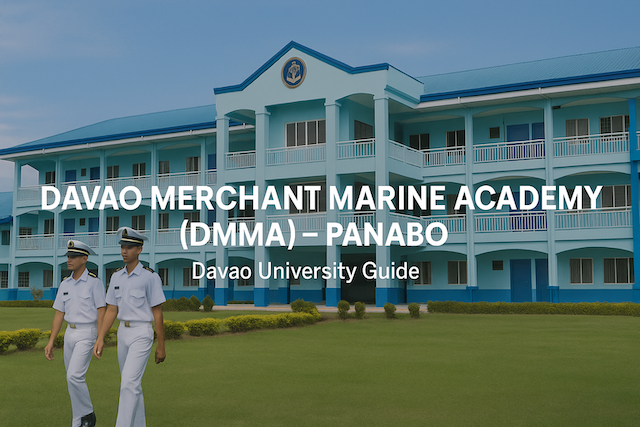
Davao Merchant Marine Academy (DMMA) – Panabo: Davao University Guide
Contents
- Davao Merchant Marine Academy (DMMA) – Panabo: Davao University Guide
- Overview of Davao Merchant Marine Academy (DMMA) – Panabo
- Academic Programs Offered
- Training Facilities and Learning Environment
- Life on Campus
- Admission Requirements
- Industry Linkages and Career Opportunities
- Why Choose DMMA – Panabo?
- Challenges Students Should Expect
- Conclusion
- FAQs (Frequently Asked Questions)
- What is Davao Merchant Marine Academy (DMMA) – Panabo?
- What degree programs are offered at DMMA – Panabo?
- What is the difference between BSMT and BSMarE?
- Does DMMA – Panabo follow international maritime standards?
- What kind of training facilities are available for students?
- What is campus life like at DMMA – Panabo?
- What are the general admission requirements?
- Is there a medical or physical fitness requirement?
- What career opportunities are available after graduating?
- Does DMMA – Panabo help students with shipboard apprenticeship and placement?
- Is studying at DMMA – Panabo difficult?
- What type of student is best suited for DMMA – Panabo?
- How can I get updated information about tuition fees and requirements?
- Can international students enroll at DMMA – Panabo?
Davao Merchant Marine Academy (DMMA) – Panabo: Davao University Guide
Overview of Davao Merchant Marine Academy (DMMA) – Panabo
Davao Merchant Marine Academy (DMMA) in Panabo is one of the institutions recognized in Davao Region for offering maritime-focused education and training. Known for its strong emphasis on discipline, shipboard readiness, and technical competence, the academy continues to attract students who aspire to build careers in the maritime sector. Over the years, the maritime industry has expanded significantly, and DMMA remains aligned with international standards, making it a preferred option for aspiring seafarers, marine engineers, and logistics professionals.
The Panabo campus supports students through well-structured academic programs, experienced instructors, and industry-linked training opportunities. DMMA remains committed to producing globally competitive graduates who can excel in local and international maritime operations. The academy places strong importance on competence, leadership, moral grounding, and practical skills development—traits that maritime employers highly value.
This guide provides a detailed look into DMMA’s academic programs, campus culture, training environment, admissions process, and overall student experience.
Academic Programs Offered
DMMA – Panabo provides a range of maritime and marine-related programs approved by relevant national regulatory bodies. These programs aim to equip students with both theoretical knowledge and hands-on competencies required for maritime service.
Bachelor of Science in Marine Transportation (BSMT)
BSMT focuses on preparing students for roles as future deck officers. The curriculum covers navigation, cargo handling, maritime law, seamanship, and ship management. Students receive simulator-based training, maritime safety courses, and exposure to various navigation technologies. Graduates may eventually qualify for licensure examinations and progress to high-ranking positions such as Third Mate, Second Mate, Chief Mate, and eventually Ship Captain.
Bachelor of Science in Marine Engineering (BSMarE)
BSMarE is designed for students who aim to work as engine officers and marine engineers on board vessels. Coursework includes marine power plants, engineering systems, ship maintenance, and machine operations. Laboratory and workshop components allow students to practice mechanical and electrical skills. Many graduates advance to roles like Fourth Engineer, Second Engineer, or Chief Engineer after licensing and sea-time requirements.
Related Technical-Vocational Maritime Courses
The academy may also offer various short-term courses and training modules required for seafarer deployment. These could include:
-
Basic Safety Training
-
Fire Prevention and Firefighting
-
Survival Craft and Rescue Boat Training
-
Medical First Aid
-
Ship Security Awareness
These programs ensure that learners meet international maritime standards, particularly those set by the International Maritime Organization (IMO) and the Standards of Training, Certification, and Watchkeeping (STCW).
Training Facilities and Learning Environment
DMMA – Panabo incorporates simulation, laboratory exercises, safety drills, and technical workshops to provide an immersive learning experience.
Maritime Simulation Facilities
Students may train on ship bridge simulators, engine room simulators, and navigation systems. These tools allow for realistic and controlled environments where students can practice decision-making and crisis management.
Engineering and Workshop Laboratories
Mechanical and electrical workshops enable practical learning for engineering students. This includes hands-on training in welding, machining, electrical systems, and power plant operations.
Seamanship and Safety Training Areas
Outdoor and indoor practice areas support survival training, rope work, lifeboat operations, and emergency procedures. These facilities help students build confidence and develop essential maritime competencies.
Classrooms and Learning Resources
DMMA provides structured academic settings, access to maritime books, references, and online learning materials. Instructors often combine theory with practical demonstrations.
Life on Campus
Discipline and Professionalism
Maritime schools such as DMMA follow regimented systems inspired by naval and merchant marine traditions. Students typically follow a uniformed lifestyle, scheduled routines, and code of conduct emphasizing respect and responsibility.
Student Organizations and Activities
Students can join marine societies, advocacy clubs, academic organizations, and sports activities. These groups support leadership training, camaraderie, and personal growth.
Support for Students
DMMA offers academic counseling, training placement assistance, and advisors who provide guidance through the progression of academic and practical requirements.
Admission Requirements
Admission to DMMA – Panabo varies depending on the program, but general requirements may include:
For Bachelor’s Degree Programs:
-
High school diploma or Senior High School certificate (STEM preferred but not required)
-
Birth certificate
-
Good moral character certificate
-
Medical and physical fitness tests (important for maritime readiness)
-
Entrance examination or interview
-
Photographs and identification documents
For Short Maritime Courses:
-
Valid IDs
-
Physical fitness assessment
-
Basic academic background
-
Some courses may require existing seafarer documentation
It is important for applicants to check updated requirements through DMMA’s official channels.
Industry Linkages and Career Opportunities
DMMA – Panabo collaborates with maritime companies, shipping agencies, training centers, and marine service providers. Partnerships support:
-
Shipboard apprenticeship (OJT/sea-time requirements)
-
Cadetship programs with international shipping lines
-
Recruitment opportunities for qualified graduates
Graduates of DMMA’s maritime programs often work in:
-
Cargo and passenger vessels
-
Offshore marine operations
-
Shipyards and maritime engineering facilities
-
Port and logistics management
-
Government maritime agencies
Because the maritime sector remains globally interconnected, DMMA graduates may secure overseas careers with competitive salaries.
Why Choose DMMA – Panabo?
Students often choose DMMA for several reasons:
Industry-Relevant Curriculum
Programs follow international maritime standards and Philippine regulations.
Strong Training Foundation
Practical drills, simulation, and workshops contribute to professional readiness.
Competitive Career Pathways
Maritime careers offer high earning potential and global mobility.
Supportive Learning Environment
Structured routines and mentorship from experienced instructors help build discipline and competence.
Challenges Students Should Expect
While DMMA offers many opportunities, maritime education also includes challenges:
-
Strict lifestyle and discipline requirements
-
Physical demands of training and drills
-
Academic rigor in math, physics, engineering, and navigation
-
Long periods away from home during sea-time assignments
Students who commit to these demands typically develop strong character, resilience, and leadership abilities.
Conclusion
Davao Merchant Marine Academy (DMMA) – Panabo stands as an important maritime institution in the Davao Region. With strong academic offerings, disciplined culture, and industry-connected training, it prepares students to pursue meaningful and well-compensated maritime careers. Students who are passionate about the sea, engineering, leadership, and global opportunities will find DMMA a solid foundation for their professional journey.
If you plan to enter the maritime industry, DMMA – Panabo offers a structured and reputable pathway toward becoming a competent seafarer or marine engineer.
FAQs (Frequently Asked Questions)
What is Davao Merchant Marine Academy (DMMA) – Panabo?
Davao Merchant Marine Academy (DMMA) – Panabo is a maritime-focused institution that offers degree and training programs for students who want to become seafarers, marine engineers, and other maritime professionals. The academy emphasizes discipline, technical competence, safety, and global readiness for work in the maritime industry.
What degree programs are offered at DMMA – Panabo?
DMMA – Panabo typically offers maritime-related bachelor’s degree programs such as Bachelor of Science in Marine Transportation (BSMT) and Bachelor of Science in Marine Engineering (BSMarE), along with selected technical and short maritime courses. Actual offerings may change, so applicants should always confirm with the school’s latest prospectus or official announcements.
What is the difference between BSMT and BSMarE?
BSMT focuses on deck-side operations such as navigation, cargo handling, maritime law, and ship management. It prepares students for future roles as deck officers and eventually ship captains. BSMarE, on the other hand, deals with engine-side operations, power plants, machinery, and maintenance, preparing students to become engine officers and marine engineers on board ships.
Does DMMA – Panabo follow international maritime standards?
DMMA – Panabo is designed to align with recognized maritime regulations and standards, including those influenced by the International Maritime Organization (IMO) and the STCW (Standards of Training, Certification, and Watchkeeping) framework. However, students should always verify that specific courses and training programs currently comply with updated regulatory requirements.
What kind of training facilities are available for students?
The campus generally offers simulation facilities, engineering and workshop laboratories, seamanship training areas, and classrooms equipped for maritime instruction. Students may train using bridge and engine room simulators, practice safety drills, and apply theoretical learning through practical workshops. The exact facilities available can evolve over time as the school upgrades its equipment.
What is campus life like at DMMA – Panabo?
Campus life at a maritime academy is usually structured and disciplined. Students often follow a uniformed system, observe strict schedules, and abide by codes of conduct similar to naval or merchant marine traditions. Aside from academics, there may be student organizations, leadership activities, and sports, helping cadets develop teamwork, resilience, and professionalism.
What are the general admission requirements?
Typical admission requirements may include a high school or Senior High School diploma, birth certificate, certificate of good moral character, medical and physical fitness clearance, photos, and passing an entrance exam or interview. Since policies can change, applicants should always consult the latest guidelines from the registrar or admissions office before applying.
Is there a medical or physical fitness requirement?
Yes, maritime education usually requires applicants to be medically and physically fit because of the demands of onboard work and safety regulations. Vision, hearing, physical stamina, and overall health are important. A medical examination is often part of the admission process, and some conditions can limit eligibility for certain maritime roles.
What career opportunities are available after graduating?
Graduates can pursue careers as deck or engine cadets, and with appropriate licensure and sea-time, they can progress to higher officer positions on ships. Other pathways include work in ship management, port operations, shipyards, logistics, maritime training centers, and government maritime agencies. International employment opportunities are common in the maritime sector.
Does DMMA – Panabo help students with shipboard apprenticeship and placement?
Maritime institutions typically maintain partnerships with shipping companies and training centers to support shipboard apprenticeship or cadetship. These collaborations help students meet sea-time requirements for licensure. However, placement conditions and partner companies may change over time, so students should ask the school directly about current tie-ups and procedures.
Is studying at DMMA – Panabo difficult?
Maritime education can be challenging because it combines strict discipline, technical subjects, and physical training. Students must handle math, physics, engineering or navigation, and safety drills, along with a regimented lifestyle. Those who stay committed, manage their time well, and maintain a strong motivation for a maritime career are more likely to succeed.
What type of student is best suited for DMMA – Panabo?
DMMA – Panabo is suitable for students who are interested in ships, engineering, navigation, and global travel, and who are willing to adapt to a disciplined lifestyle. A strong work ethic, resilience, and readiness to spend long periods at sea are important. Students who value hands-on learning and international career opportunities may find the maritime path rewarding.
How can I get updated information about tuition fees and requirements?
Because tuition fees, admission policies, and program details may change, the most reliable way to get updated information is to contact DMMA – Panabo directly through its official website, social media pages, or administrative offices. Prospective students should avoid relying solely on third-party sources and always confirm details with official channels.
Can international students enroll at DMMA – Panabo?
Some maritime schools accept foreign students, but requirements for international applicants may include additional documents such as passports, visa-related papers, and proof of English proficiency. If you are an international applicant, you should contact the school’s registrar or admissions office to check whether they currently accept foreign students and what specific steps you need to follow.
Davao University Guide
Davao Province All Universities Lists
Philippines University Guide

How to Register for eTravel Philippines (2025 Guide)
Step-by-step guide to completing your eTravel registration before arriving in the Philippines, with images and tips.

Night Market in Cebu – Things You Don’t Know About Cebu Life
Discover the hidden charm of Cebu’s night markets, from street food stalls to local life tips you won’t find in tourist guides.

How to Use ChatGPT for IELTS Preparation: A Complete Guide
Learn how to prepare for IELTS using ChatGPT — including strategies for Writing, Reading, Listening, Speaking, and grammar support.

How to Build a Website Without Coding Using ChatGPT
Discover how to build your own website using AI—no coding skills needed. From structure planning to SEO and design, let ChatGPT guide you.