2025年12月13日
3D ACADEMY offers affordable English study programs in Cebu, Philippines – perfect for beginners, professionals, and exam takers.

3D UNIVERSAL ENGLISH INSTITUTE INC
info.3d-universal.com
8:00-17:00(Mon-Fri)
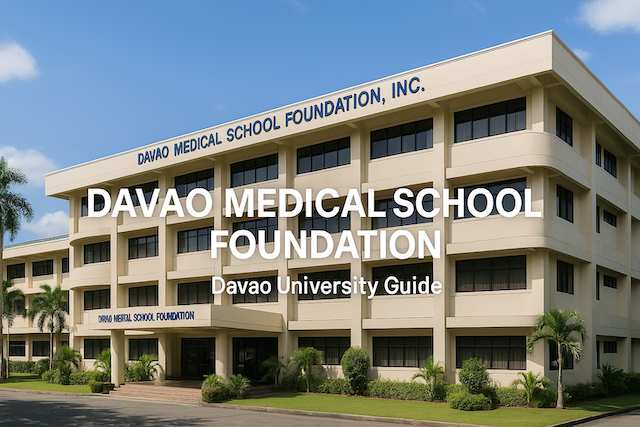
Davao Medical School Foundation: Davao University Guide
Contents
- Davao Medical School Foundation: Davao University Guide
- Overview of Davao Medical School Foundation
- Academic Programs Offered
- Campus Facilities and Learning Environment
- Student Life at DMSF
- Why Choose Davao Medical School Foundation?
- Admission Requirements
- How to Apply
- Nearby Landmarks and Accessibility
- Conclusion
- FAQs (Frequently Asked Questions)
- Is Davao Medical School Foundation a good choice for international medical students?
- What medical and health-related programs are offered at Davao Medical School Foundation?
- How long does it take to complete the Doctor of Medicine program at DMSF?
- What are the general admission requirements for the MD program?
- Are there special procedures for international students who want to study at DMSF?
- How much does it cost to live and study in Davao City as a DMSF student?
- What kind of clinical exposure do students receive at Davao Medical School Foundation?
- Is Davao City a safe place for students to live and study?
- What is the campus environment like at Davao Medical School Foundation?
- Can graduates of DMSF pursue medical careers abroad?
- How can I apply to Davao Medical School Foundation and get more updated information?
Davao Medical School Foundation: Davao University Guide
Davao Medical School Foundation (DMSF) is one of the leading and most respected medical institutions in the southern Philippines. Established to address the growing need for skilled healthcare professionals in Mindanao and beyond, the school has built a strong reputation for producing competent, compassionate, and internationally competitive doctors and medical practitioners. Its location in Davao City—one of the safest and most rapidly developing cities in the country—makes it an attractive choice for both local and international students seeking high-quality medical education.
With modern facilities, experienced faculty, and globally aligned programs, DMSF has become especially popular among foreign students, including those from India, Africa, the Middle East, and Southeast Asia. This guide provides a comprehensive overview of the university, covering its history, academic programs, campus life, admission process, and reasons it remains a top destination for aspiring medical professionals.
Overview of Davao Medical School Foundation
Davao Medical School Foundation was founded in 1976 as the first medical school in Mindanao. The institution was created through the collaboration of key healthcare and civic organizations to provide accessible and high-quality medical education for the region. Today, DMSF has expanded its academic offerings and facilities, ensuring that students receive rigorous training aligned with global medical standards.
The campus is situated in the heart of Davao City, providing students convenient access to major hospitals, research facilities, commercial districts, and transportation hubs. Its strategic location enhances both practical training opportunities and overall student life.
DMSF is known for its academic excellence, strong board exam performance, and a commitment to molding medical professionals who embody both scientific expertise and ethical responsibility.
Academic Programs Offered
DMSF offers several programs focusing on health sciences, but it is best known for its Doctor of Medicine (MD) program. All programs emphasize practical training, research, and clinical exposure.
Doctor of Medicine (MD)
The flagship program at DMSF is a four-year medical program modeled after international curricula. Students undergo:
-
Pre-clinical training in Years 1 and 2, covering foundational subjects such as anatomy, physiology, microbiology, pathology, and pharmacology.
-
Clinical clerkship in Years 3 and 4, conducted in partner hospitals and medical centers across Davao.
The MD program is especially popular with international students because of its comprehensive curriculum, modern laboratories, and reasonable tuition fees compared to medical schools in Western countries.
Bachelor of Science in Biology
A preparatory course for students intending to pursue medicine, the BS Biology program offers:
-
Foundational courses in botany, zoology, microbiology, biochemistry, and genetics
-
Research-based learning
-
Exposure to laboratory work
-
Pre-med advising for students planning to enter the MD program
Bachelor of Science in Nursing
The BS Nursing program is designed to equip students with clinical competencies and leadership skills. The training includes:
-
Community health immersion
-
Clinical rotations in affiliated hospitals
-
Preparation for both local board exams and international nursing certifications
Other Health-Related Programs
Depending on the academic year, DMSF also offers additional courses such as:
-
Medical Laboratory Science
-
Midwifery
-
Postgraduate and continuing medical education opportunities
These programs help diversify the institution’s healthcare education portfolio.
Campus Facilities and Learning Environment
DMSF provides students with technologically advanced facilities to enhance learning, clinical training, and research.
3D Anatomy Simulation and Virtual Labs
The school integrates virtual learning technology, including 3D anatomy models and digital dissection tools, which allow students to explore human anatomy in a more interactive and intuitive way.
Simulation Laboratories
These labs include medical mannequins, emergency response simulators, and equipment that replicates hospital settings. Students can practice procedures such as CPR, IV insertion, and emergency care before working with real patients.
Modern Classrooms and Research Centers
The university continues to invest in upgrading its classrooms, libraries, and research facilities—ensuring that learning remains modern and student-centered.
Affiliated Hospitals for Clinical Training
To guarantee sufficient hands-on experience, DMSF maintains partnerships with top hospitals in Davao, including:
-
Southern Philippines Medical Center (SPMC)
-
Davao Doctors Hospital
-
San Pedro Hospital
-
Brokenshire Hospital
These hospitals provide a wide range of clinical cases, supporting student exposure and training.
Student Life at DMSF
Davao Medical School Foundation hosts a diverse student population, with many coming from different countries across Asia and Africa. This creates a multicultural learning environment where students can build global friendships and professional networks.
International Student Support
The school has dedicated offices to support foreign students, helping them adjust to life in the Philippines by offering:
-
Visa assistance
-
Housing guidance
-
Orientation programs
-
Academic advising
Affordable Living in Davao City
Compared to Manila, Cebu, or international study destinations, Davao City is known for its affordable cost of living. Students benefit from:
-
Budget-friendly dormitories and apartments
-
Affordable transportation options
-
Access to parks, cafés, fitness centers, and study spaces
Safe and Student-Friendly Environment
Davao City is widely recognized as one of the safest cities in the Philippines. Strict local governance, efficient public services, and community-oriented policies make it an ideal place for focused learning.
Why Choose Davao Medical School Foundation?
DMSF continues to attract students for several compelling reasons:
High-Quality and Affordable Medical Education
Students receive world-class training at a fraction of the cost compared to countries like the US, Australia, or Europe.
Excellent Board Exam Results
Graduates consistently perform well in professional medical licensure exams due to the school’s strong academic foundation and comprehensive clinical exposure.
Advanced Learning Tools
The integration of digital learning systems, simulation labs, and modern medical equipment ensures students are industry-ready.
Cultural Diversity
Students experience an inclusive, multicultural learning environment that strengthens communication and collaboration skills—important traits for future healthcare workers.
Global Career Opportunities
DMSF graduates often pursue careers abroad after passing international qualifying exams. The school’s global reputation helps open doors for medical placements and postgraduate studies worldwide.
Admission Requirements
Admission to DMSF varies depending on the applicant’s nationality and chosen program. Generally, the following are required:
For the Doctor of Medicine Program
-
Bachelor’s degree (preferably in a science-related field)
-
NMAT (National Medical Admission Test) results
-
Academic transcripts
-
Birth certificate or passport
-
Recommendation letters
-
Medical certificate
-
Application form and fees
International students may be required to submit additional documents such as embassy authentication, visa paperwork, and English proficiency certification.
For Undergraduate Programs
Requirements typically include:
-
High school diploma
-
Form 137 or academic transcript
-
Entrance examination results
-
Identification documents
-
Application form and fees
How to Apply
The application process usually includes:
-
Online or in-person submission of application documents
-
Evaluation by the admissions office
-
Entrance tests or interviews depending on the program
-
Issuance of acceptance letter
-
Enrollment and registration
International students receive guidance regarding visa applications, pre-departure requirements, and arrival arrangements.
Nearby Landmarks and Accessibility
Davao Medical School Foundation is located along Lisph Road, close to major hospitals, government centers, and commercial areas. Students enjoy easy access to:
-
Public transportation routes
-
Eateries and cafés
-
Shopping malls such as Gaisano Mall and Abreeza Ayala Mall
-
Boarding houses and student dormitories
-
Medical institutions for clerkships and internships
Its central location ensures convenience and accessibility for daily academic activities.
Conclusion
Davao Medical School Foundation stands out as a top-tier institution for medical and health sciences education in Mindanao. With its commitment to academic excellence, modern training facilities, multicultural student community, and strategic location in Davao City, the school provides an ideal environment for students aiming to build successful medical careers.
Whether pursuing medicine, nursing, or other health-related fields, students at DMSF gain not only the knowledge and skills they need but also the values and discipline essential to becoming globally competent healthcare professionals.
FAQs (Frequently Asked Questions)
Is Davao Medical School Foundation a good choice for international medical students?
Yes. Davao Medical School Foundation (DMSF) is widely regarded as one of the leading medical schools in Mindanao and has a strong reputation among international students, especially from Asia, the Middle East, and Africa. The MD program follows an outcome-based, competency-focused curriculum that is comparable to many international medical schools. Students benefit from modern facilities, simulation labs, and clinical exposure in major hospitals in Davao City. In addition, the cost of tuition and living is generally lower than in many Western countries, making DMSF an attractive option for those who want quality education at a more affordable price.
DMSF is best known for its Doctor of Medicine (MD) program, a four-year professional medical degree that combines classroom learning, laboratory work, and extensive clinical training. The institution may also offer related programs such as Bachelor of Science in Biology, Bachelor of Science in Nursing, Medical Laboratory Science, and selected postgraduate or continuing medical education courses, depending on the academic year. Many students enroll in BS Biology or Nursing as preparatory tracks before eventually entering the MD program. All courses emphasize scientific foundations, practical skills, and ethical medical practice.
How long does it take to complete the Doctor of Medicine program at DMSF?
The Doctor of Medicine program at DMSF typically takes four years to complete. The first two years are usually devoted to pre-clinical subjects, such as anatomy, physiology, pathology, microbiology, and pharmacology, delivered through lectures, laboratory sessions, and small-group learning. The last two years focus on clinical clerkship, where students rotate through different hospital departments such as internal medicine, surgery, pediatrics, obstetrics-gynecology, psychiatry, and community medicine. Some graduates may also proceed to internship and residency training in accredited hospitals before taking licensure examinations or pursuing specialization.
What are the general admission requirements for the MD program?
For the MD program, applicants are usually required to have a bachelor’s degree, preferably in a science-related or pre-med field, from a recognized institution. They must also present their academic transcripts, proof of graduation, and standardized test scores such as the National Medical Admission Test (NMAT) for Filipino applicants. Other typical requirements include a birth certificate or passport, recent photos, letters of recommendation, a medical certificate, and a completed application form. International students may need to submit additional documents such as authenticated records, visa-related papers, and proof of English proficiency, depending on their country of origin and current regulations.
Are there special procedures for international students who want to study at DMSF?
Yes. International students follow similar academic requirements but must also comply with immigration and foreign student policies of the Philippines. They generally need to provide authenticated academic credentials, a valid passport, police clearance (if required), and a medical or health certificate. After receiving an acceptance or admission letter from DMSF, they must process a student visa or appropriate visa type through the Philippine embassy or consulate in their home country. The school usually offers assistance or guidance through its international student office, helping with pre-departure instructions, arrival coordination, and orientation activities.
How much does it cost to live and study in Davao City as a DMSF student?
The overall cost of studying at DMSF is considered more affordable compared to many Western or metropolitan Asian cities. Tuition fees for the MD program are relatively competitive, and living expenses in Davao City are generally lower than in Manila or Cebu. Students can find a range of housing options, from budget-friendly dormitories and shared apartments to more private studio units. Daily expenses for food, transportation, and basic necessities are also manageable for most students. Of course, the actual cost will vary based on lifestyle, accommodation type, and personal spending habits, but many international students find Davao City cost-effective.
What kind of clinical exposure do students receive at Davao Medical School Foundation?
Clinical exposure is a major strength of DMSF. During their clinical years, students rotate through various hospital departments and health centers. The school maintains affiliations with well-known hospitals in Davao City, where students encounter a wide variety of medical cases. Under supervision, they learn to take patient histories, perform physical examinations, assist in procedures, and participate in ward rounds. Community health rotations and outreach activities also help students understand primary care, rural health issues, and public health programs, giving them a more holistic view of patient care.
Is Davao City a safe place for students to live and study?
Davao City is often described as one of the safer and more orderly cities in the Philippines. Local government places strong emphasis on public safety, cleanliness, and discipline, which contributes to a generally secure environment for residents and students. The city has established emergency hotlines, strict local ordinances, and active community policing. While no city is completely free from risk, students who follow common safety practices—such as being aware of their surroundings, securing personal belongings, and respecting local regulations—usually find Davao to be a comfortable and conducive place for study and daily life.
What is the campus environment like at Davao Medical School Foundation?
The DMSF campus is designed to support an intensive medical education while maintaining a friendly and collaborative atmosphere. Classrooms are equipped for multimedia lectures, and laboratories feature modern equipment for anatomy, physiology, and other basic sciences. Simulation labs with mannequins and digital tools allow students to practice clinical skills in a controlled environment before interacting with real patients. The campus community is diverse, with local and foreign students working together in study groups, research projects, and extracurricular activities. Students also benefit from nearby eateries, bookstores, and essential services around the campus area.
Can graduates of DMSF pursue medical careers abroad?
Many DMSF graduates pursue medical careers both in the Philippines and overseas. However, working abroad as a doctor always depends on the regulations of the destination country. Graduates typically need to pass that country’s licensure or qualifying examinations and meet any additional training or residency requirements. Some countries may require credential evaluation, bridging programs, or board exams such as USMLE, PLAB, or similar. While DMSF provides a strong foundation in medicine, students planning to work abroad should research the specific pathway early and prepare accordingly during their medical studies.
How can I apply to Davao Medical School Foundation and get more updated information?
To apply, prospective students usually begin by visiting the official website of Davao Medical School Foundation or contacting the admissions office via email or phone. There, they can access the latest admission guidelines, downloadable application forms, program details, and current tuition fee information. After preparing the required documents, applicants submit them online or through the admissions office for evaluation. Because policies, fees, and schedules can change over time, it is important to rely on official channels rather than third-party sources to get the most accurate and updated information regarding applications, deadlines, and requirements.
Davao University Guide
Davao Province All Universities Lists
Philippines University Guide

How to Register for eTravel Philippines (2025 Guide)
Step-by-step guide to completing your eTravel registration before arriving in the Philippines, with images and tips.

Night Market in Cebu – Things You Don’t Know About Cebu Life
Discover the hidden charm of Cebu’s night markets, from street food stalls to local life tips you won’t find in tourist guides.

How to Use ChatGPT for IELTS Preparation: A Complete Guide
Learn how to prepare for IELTS using ChatGPT — including strategies for Writing, Reading, Listening, Speaking, and grammar support.

How to Build a Website Without Coding Using ChatGPT
Discover how to build your own website using AI—no coding skills needed. From structure planning to SEO and design, let ChatGPT guide you.