2025年12月13日
3D ACADEMY offers affordable English study programs in Cebu, Philippines – perfect for beginners, professionals, and exam takers.

3D UNIVERSAL ENGLISH INSTITUTE INC
info.3d-universal.com
8:00-17:00(Mon-Fri)
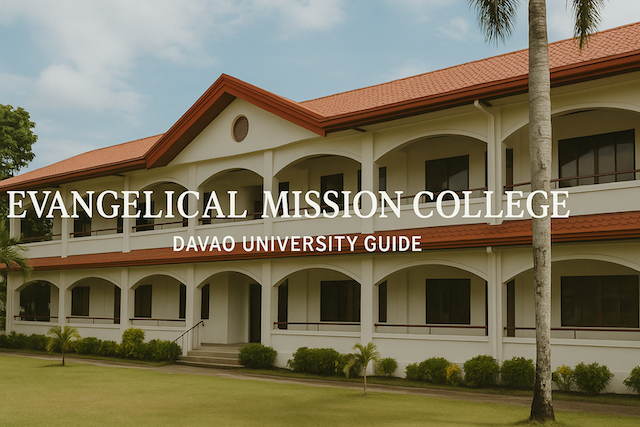
Evangelical Mission College: Davao University Guide
Contents
- Evangelical Mission College: Davao University Guide
- Overview of Evangelical Mission College
- Academic Programs Offered
- Campus Environment and Facilities
- Admission Requirements and Process
- Tuition Fees and Financial Assistance
- Student Life and Extracurricular Activities
- Why Choose Evangelical Mission College?
- Career Opportunities for Graduates
- Tips for Incoming Students
- FAQs (Frequently Asked Questions)
- Where is Evangelical Mission College located?
- What type of institution is Evangelical Mission College?
- What degree programs are available at Evangelical Mission College?
- Does the college offer Senior High School (SHS) programs?
- Are there technical-vocational or TESDA-accredited courses?
- What are the admission requirements for new college students?
- How much is the tuition fee at Evangelical Mission College?
- Are scholarships or financial assistance available?
- What is student life like at Evangelical Mission College?
- Is Evangelical Mission College suitable for working students?
- What career opportunities do graduates typically pursue?
- How can I get more information or start my application?
Evangelical Mission College: Davao University Guide
Evangelical Mission College (EMC) is one of the faith-based higher education institutions in Davao Region, known for its commitment to academic excellence, character formation, and community service. This guide provides an in-depth look at EMC’s programs, campus environment, admission process, student life, and what future students can expect when choosing this school. Whether you are a local applicant, a transferee, or an international student exploring education options in Mindanao, this comprehensive overview will help you understand what makes Evangelical Mission College a meaningful place to study.
Overview of Evangelical Mission College
Evangelical Mission College is a private Christian institution established with the goal of providing accessible and values-based education to students in Davao and its neighboring provinces. With a strong emphasis on moral development and servant leadership, the college integrates faith-based principles into its academic structure.
The institution caters to a wide demographic—senior high school, college undergraduates, working learners, and those seeking vocational or skills-based training. EMC is known for its nurturing environment, small class sizes, and personalized mentorship by faculty who balance academic rigor with compassion and guidance.
Academic Programs Offered
Evangelical Mission College offers a selection of undergraduate and senior high school programs designed to equip students with both theoretical knowledge and practical skills. While offerings may evolve over time, the following are commonly available programs:
Bachelor’s Degree Programs
-
Bachelor of Elementary Education (BEEd)
Prepares students for teaching roles in basic education, focusing on pedagogy, child development, and classroom management. -
Bachelor of Secondary Education (BSEd)
Ideal for aspiring high school teachers, with available majors such as English, Mathematics, or Social Studies depending on the year. -
Bachelor of Science in Business Administration (BSBA)
Provides foundational business competencies with tracks such as Marketing, Financial Management, or Human Resource Management. -
Bachelor of Arts in Theology or Religious Education
Tailored for individuals pursuing ministry-related careers or leadership within faith-based organizations.
Senior High School (SHS) Tracks
-
Academic Track
-
Humanities and Social Sciences (HUMSS)
-
Accountancy, Business, and Management (ABM)
-
-
Technical-Vocational-Livelihood Track (TVL)
Supports students aiming to gain employable skills immediately after SHS.
Technical and Vocational Courses
These programs offer TESDA-accredited training, preparing students for job readiness in sectors such as business services, caregiving, hospitality, and technology.
Campus Environment and Facilities
While Evangelical Mission College is not a large university, it provides a close-knit campus environment ideal for focused learning and community interaction.
Key Facilities
-
Classrooms and Lecture Halls
Clean, organized, and conducive for small-group learning. -
Library and Resource Center
Equipped with textbooks, research materials, and digital resources that support both academic and spiritual study. -
Computer Laboratory
Used for technology-related coursework, digital literacy training, and research activities. -
Multipurpose Hall / Worship Space
Serves as a venue for chapel services, assemblies, seminars, and student activities. -
Student Lounge and Study Areas
Designed for quiet study, group discussions, or relaxation between classes.
Campus Culture
The environment is deeply rooted in Christian values—students often participate in devotionals, prayer meetings, and community service projects. The college prioritizes safety, discipline, and mutual respect, creating a supportive atmosphere for both young learners and adult students.
Admission Requirements and Process
Applying to Evangelical Mission College is straightforward, with the institution welcoming applicants from various academic and geographic backgrounds.
Basic Admission Steps
-
Submit Application Form
Available on-campus or through online portals if offered. -
Prepare Required Documents
Common requirements include:-
Form 138 / Report Card (SHS or High School graduates)
-
Transcript of Records (for transferees)
-
PSA Birth Certificate
-
Certificate of Good Moral Character
-
Two passport-sized photos
-
Entrance examination results (if applicable)
-
-
Attend an Interview
Conducted by program advisors or administrators to help assess the applicant’s goals and readiness. -
Enrollment and Payment of Fees
Tuition fees at EMC are generally affordable, with available payment plans or scholarships for qualified students.
Tuition Fees and Financial Assistance
Evangelical Mission College is known for offering low-cost, accessible education compared to larger private universities in Davao. Tuition varies by program but remains budget-friendly for most families.
Financial Aid Options
-
Scholarships for Academic Excellence
-
Faith-based or Ministry Scholarships
-
Discounts for Siblings or Returning Students
-
TESDA Subsidies for vocational programs
-
Flexible Payment Plans for those needing financial support
Students are encouraged to contact the registrar or finance office for updated fee structures each academic year.
Student Life and Extracurricular Activities
Life at EMC extends beyond the classroom, allowing students to grow socially, spiritually, and professionally.
Student Organizations
-
Christian Fellowship Groups
-
Education Society
-
Business Club
-
Youth Leadership Circles
Regular Student Activities
-
Chapel services and prayer gatherings
-
Outreach missions in local communities
-
Leadership and values formation seminars
-
Intramurals and wellness programs
These activities help students develop confidence, community spirit, and leadership qualities aligned with the school’s mission.
Why Choose Evangelical Mission College?
Evangelical Mission College appeals to students seeking an education that blends academic training with Christian principles. Here are reasons why many choose EMC:
1. Values-Based Learning
Students benefit from an environment emphasizing integrity, compassion, and faith.
2. Personalized Attention
With smaller class sizes, instructors can mentor students more closely.
3. Affordable, Quality Education
Reasonable tuition fees and scholarship options make EMC accessible.
4. Community Engagement
The college regularly organizes outreach programs, helping students understand service and leadership.
5. Supportive Campus Environment
Safe, friendly, and aligned with spiritual growth.
Career Opportunities for Graduates
Graduates of EMC pursue various career paths depending on their program:
Education Graduates
-
Elementary or high school teachers
-
Academic coordinators
-
Tutors or learning facilitators
Business Administration Graduates
-
Administrative roles
-
Sales and marketing positions
-
Office management
-
Entrepreneurial ventures
Theology and Christian Education Graduates
-
Pastoral ministry
-
Missionary work
-
Church leadership roles
-
Nonprofit organizational work
SHS and vocational graduates often find opportunities in entry-level jobs or continue to higher education.
Tips for Incoming Students
If you’re considering enrolling at Evangelical Mission College, here are some helpful tips:
-
Visit the Campus: Experience the environment firsthand.
-
Ask About Scholarships: Many first-time students qualify for discounts.
-
Participate in Activities: Builds friendships and life skills.
-
Manage Your Time Well: College life requires balancing academics and responsibilities.
-
Stay Open to Growth: EMC nurtures both academic and spiritual development.
FAQs (Frequently Asked Questions)
Where is Evangelical Mission College located?
Evangelical Mission College is located in the Davao Region in Mindanao, Philippines. It primarily serves students from Davao City and nearby provinces, but it also welcomes learners from other parts of the country who are looking for a Christian, values-based educational environment. For the most accurate and updated address, contact numbers, and directions, prospective students are encouraged to check the school’s official communication channels or inquire directly with the registrar’s office.
What type of institution is Evangelical Mission College?
Evangelical Mission College is a private Christian institution that offers basic education extensions, college-level programs, and selected technical-vocational courses. It integrates faith-based principles into its curriculum, emphasizing character formation, integrity, and service alongside academic learning. Students who prefer a campus culture shaped by Christian values and spiritual growth often find EMC to be a suitable choice.
What degree programs are available at Evangelical Mission College?
The college typically offers education-related programs such as Bachelor of Elementary Education (BEEd) and Bachelor of Secondary Education (BSEd), as well as business programs like Bachelor of Science in Business Administration (BSBA). In some cases, it may also offer programs in theology, religious education, or ministry. Available programs can change over time, so interested applicants should confirm the current list of courses directly with the school before applying.
Does the college offer Senior High School (SHS) programs?
Yes, Evangelical Mission College usually provides Senior High School programs with Academic tracks such as Humanities and Social Sciences (HUMSS) and Accountancy, Business, and Management (ABM). Some Technical-Vocational-Livelihood (TVL) strands may also be available for students who want to develop employable skills immediately after SHS. Exact strands and sections offered per school year may vary depending on demand, resources, and regulations.
Are there technical-vocational or TESDA-accredited courses?
Many faith-based colleges in the region, including Evangelical Mission College, collaborate with TESDA or offer skills-based programs aligned with industry needs. These may include short-term training or certificate courses in areas such as office work, caregiving, hospitality, or entrepreneurship. Because course availability can change, students interested in specific technical-vocational programs should inquire at the school office or through official announcements.
What are the admission requirements for new college students?
For new college applicants, common requirements include a completed application form, Form 138 or Senior High School report card, a PSA birth certificate, a certificate of good moral character, and recent ID photos. Some programs may require an entrance examination or an interview to better understand the applicant’s academic background and goals. International or non-local students may have additional requirements based on government regulations and school policy.
How much is the tuition fee at Evangelical Mission College?
Evangelical Mission College is generally known for its affordable tuition compared to larger private universities. However, exact tuition and miscellaneous fees can vary by program, year level, and term. There may also be additional costs for uniforms, books, school activities, and laboratory use. To get accurate and updated information, applicants should directly request a tuition breakdown or official assessment from the school’s accounting or registrar’s office.
Are scholarships or financial assistance available?
The college typically offers several forms of financial support, such as academic scholarships for high-performing students, discounts for siblings, and possible ministry or church-related grants. For some technical-vocational programs, there may be TESDA-related subsidies when available. Many students pay on installment plans, which can ease the financial burden on families. Since scholarship policies can change, it is best to ask the guidance office or registrar for current scholarship options and requirements.
What is student life like at Evangelical Mission College?
Student life at Evangelical Mission College is shaped by its Christian identity and community-oriented approach. Learners can participate in chapel services, prayer meetings, ministry activities, outreach programs, student organizations, and occasional intramurals or campus events. The scale of activities may be smaller than at big universities, but this often leads to a more close-knit, supportive environment where students know their teachers and classmates well and receive more personalized attention.
Is Evangelical Mission College suitable for working students?
Yes, many faith-based colleges in the region, including Evangelical Mission College, are familiar with the needs of working students. Class schedules may include daytime and, in some cases, late-afternoon or early-evening subjects, depending on the program. Flexible payment options, understanding faculty, and a supportive environment can help working students balance their responsibilities. Prospective working learners should ask about class schedules, load options, and policies on absences or work-related conflicts.
What career opportunities do graduates typically pursue?
Graduates of Evangelical Mission College pursue careers aligned with their courses. Education graduates often become teachers in public or private schools, tutors, or learning facilitators. Business graduates may work in offices, sales, marketing, or start their own small businesses. Those who completed theology or ministry-related programs may serve in churches, missions, or nonprofit organizations. Senior High School and technical-vocational graduates can seek entry-level jobs, continue to college, or build small enterprises with the skills they acquired.
How can I get more information or start my application?
To learn more about Evangelical Mission College, it is recommended to contact the school directly through its official phone numbers, email addresses, or social media pages, if available. You can ask for brochures, updated program lists, tuition details, and enrollment schedules. Whenever possible, visiting the campus in person is helpful—you can see the facilities, talk to staff, and get a clearer sense of the school’s environment before finalizing your decision to enroll.
Davao University Guide
Davao Province All Universities Lists
Philippines University Guide

How to Register for eTravel Philippines (2025 Guide)
Step-by-step guide to completing your eTravel registration before arriving in the Philippines, with images and tips.

Night Market in Cebu – Things You Don’t Know About Cebu Life
Discover the hidden charm of Cebu’s night markets, from street food stalls to local life tips you won’t find in tourist guides.

How to Use ChatGPT for IELTS Preparation: A Complete Guide
Learn how to prepare for IELTS using ChatGPT — including strategies for Writing, Reading, Listening, Speaking, and grammar support.

How to Build a Website Without Coding Using ChatGPT
Discover how to build your own website using AI—no coding skills needed. From structure planning to SEO and design, let ChatGPT guide you.