2026年1月15日
3D ACADEMY offers affordable English study programs in Cebu, Philippines – perfect for beginners, professionals, and exam takers.

3D UNIVERSAL ENGLISH INSTITUTE INC
info.3d-universal.com
8:00-17:00(Mon-Fri)
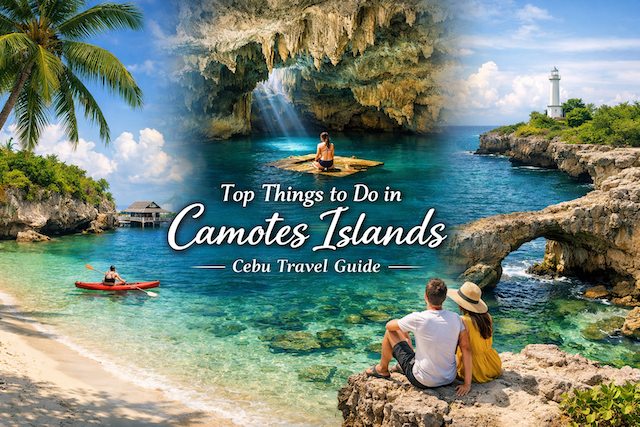
Top Things to Do in Camotes Islands: Cebu Travel Guide
Contents
- Top Things to Do in Camotes Islands: Cebu Travel Guide
- Discover the Beauty of Santiago Bay
- Swim in the Crystal Waters of Tulang Diot Island
- Explore Bukilat Cave (Cave of Lights)
- Visit the Stunning Lake Danao
- Relax at Mangodlong Rock Resort Area
- Experience Timubo Cave and Hidden Pools
- Go Island-Hopping Around the Camotes Sea
- Ride a Motorcycle Around the Island
- Discover Local Culture and Town Life
- Enjoy Fresh Seafood and Local Cuisine
- Visit During Local Festivals
- Take a Day Trip or Stay Overnight
- Practical Tips for Visiting Camotes Islands
- Why Camotes Islands Are Worth Visiting
- FAQs (Frequently Asked Questions)
- Is Camotes Islands worth visiting compared to other Cebu islands?
- How many days should I spend in Camotes Islands?
- What are the top must-see attractions in Camotes Islands?
- Can I visit Camotes Islands without joining a tour?
- Is Camotes Islands safe for tourists?
- Are the caves in Camotes Islands suitable for non-swimmers?
- When is the best time of year to visit Camotes Islands?
- How do I get around once I arrive on Camotes Islands?
- Do I need to bring cash, and are there ATMs on the island?
- What should I pack for a Camotes Islands trip?
- Is Camotes Islands good for families with kids?
- What are common mistakes travelers make in Camotes Islands?
Top Things to Do in Camotes Islands: Cebu Travel Guide
The Camotes Islands are one of Cebu’s best-kept secrets. Located east of mainland Cebu in the Camotes Sea, this peaceful island group is known for its white-sand beaches, crystal-clear waters, caves, lakes, and laid-back provincial charm. Compared to more famous destinations like Bantayan or Malapascua, Camotes remains refreshingly uncrowded, making it ideal for travelers seeking a slower, more authentic island experience.
This guide covers the top things to do in Camotes Islands, from must-see natural attractions to cultural experiences, beach activities, and practical travel tips. Whether you’re visiting for a short getaway or planning a longer stay, Camotes offers more than enough to fill your itinerary.
Discover the Beauty of Santiago Bay
Santiago Bay is the most popular beach area in Camotes Islands and often the first stop for visitors. Located in San Francisco town, this long stretch of white sand faces calm, shallow waters that are perfect for swimming.
The beach is lined with resorts, cottages, and small restaurants, making it ideal for both day trips and overnight stays. Sunsets here are particularly beautiful, with the sky turning shades of orange and pink over the sea.
Santiago Bay is also a good base if you want easy access to other attractions on the island while still enjoying beachfront accommodation and dining options.
Swim in the Crystal Waters of Tulang Diot Island
Tulang Diot is a small sandbar island just a short boat ride from Santiago Bay. During low tide, the surrounding water becomes incredibly clear, revealing white sand beneath shallow turquoise waves.
The island is popular for:
-
Swimming and relaxing
-
Snorkeling near the edges
-
Taking drone and beach photos
-
Short island-hopping trips
There are no large structures on the island, which adds to its natural charm. It’s best visited in the morning when the water is calm and crowds are minimal.
Explore Bukilat Cave (Cave of Lights)
Bukilat Cave is one of the most unique attractions in Camotes Islands. Also known as the Cave of Lights, it features a natural opening in the ceiling that allows sunlight to shine directly into the cave’s underground pool.
As the sun moves throughout the day, beams of light illuminate the clear water, creating an almost magical atmosphere. Visitors can swim inside the cave, but caution is advised as rocks can be slippery.
The best time to visit is midday when sunlight enters the cave at the strongest angle.
Visit the Stunning Lake Danao
Lake Danao is the largest lake in Camotes Islands and one of its most peaceful attractions. Surrounded by greenery, the lake offers a relaxing contrast to the island’s beaches.
Activities at Lake Danao include:
-
Kayaking and paddle boating
-
Bamboo raft rides
-
Lakeside picnics
-
Dining at floating cottages
The calm environment makes it ideal for families and travelers looking to slow down. Early morning and late afternoon are the best times to visit to avoid heat and crowds.
Relax at Mangodlong Rock Resort Area
Mangodlong Rock is another well-known beach destination in Camotes, famous for its long pier and rocky outcrops. The beach has a slightly more rugged appearance than Santiago Bay, but the water remains clear and inviting.
The pier provides an excellent spot for:
-
Jumping into the sea
-
Sunset photography
-
Snorkeling near the rocks
Several resorts in this area offer day-use access, making it easy to visit even if you’re staying elsewhere on the island.
Experience Timubo Cave and Hidden Pools
Timubo Cave is one of the deepest caves in Camotes Islands and features a large underground pool. Unlike Bukilat Cave, Timubo has a more enclosed feel, adding to its sense of adventure.
Visitors descend into the cave via stairs and can swim in the cool freshwater pool below. Life vests are often provided, especially for non-swimmers.
Timubo Cave is a great stop for travelers who enjoy exploring natural formations and want to experience something different from beach activities.
Go Island-Hopping Around the Camotes Sea
Island-hopping is a popular activity in Camotes Islands, especially for those staying multiple days. Tours usually include nearby islets, sandbars, and snorkeling spots.
Common stops include:
-
Tulang Diot Island
-
Remote beach coves
-
Coral-rich snorkeling areas
Private boat rentals are widely available, and prices are generally affordable compared to more commercialized island destinations in Cebu.
Ride a Motorcycle Around the Island
One of the best ways to explore Camotes Islands is by renting a motorcycle. Roads are relatively quiet, and distances between attractions are manageable.
Motorcycle rides allow you to:
-
Discover hidden beaches
-
Visit small villages
-
Stop at roadside eateries
-
Enjoy scenic coastal views
Rentals are available near ports and resorts, and most places do not require an international driver’s license for short-term use.
Discover Local Culture and Town Life
Beyond natural attractions, Camotes Islands offer a glimpse into traditional island life. San Francisco and Poro towns are the main population centers, where you’ll find public markets, small shops, and local eateries.
Visiting town centers allows you to:
-
Try local Cebuano dishes
-
Interact with friendly residents
-
Experience daily island routines
Markets are especially lively in the morning, offering fresh seafood, fruits, and local delicacies.
Enjoy Fresh Seafood and Local Cuisine
Food is an important part of the Camotes experience. Being surrounded by water, the islands offer plenty of fresh seafood at reasonable prices.
Popular dishes include:
-
Grilled fish and squid
-
Kinilaw (Filipino-style ceviche)
-
Adobo and local stews
-
Fresh coconut-based desserts
Many beachfront resorts prepare meals using locally sourced ingredients, giving you a true taste of island cuisine.
Visit During Local Festivals
If your trip coincides with a local festival, you’ll get to experience a different side of Camotes Islands. Town fiestas are celebrated with street dancing, music, food stalls, and religious processions.
These events offer insight into the strong community spirit and cultural traditions of the island residents.
Take a Day Trip or Stay Overnight
Camotes Islands can be visited as a long day trip from Cebu, but staying overnight is highly recommended. This allows you to enjoy quieter evenings, early-morning beaches, and a more relaxed pace.
Accommodation options range from budget guesthouses to mid-range beachfront resorts, making it accessible for different travel styles.
Practical Tips for Visiting Camotes Islands
Planning ahead can make your trip smoother and more enjoyable.
Key tips include:
-
Bring cash, as ATMs are limited
-
Check ferry schedules in advance
-
Travel light if island-hopping
-
Respect local customs and environment
Mobile signal is generally available, but internet speeds may vary depending on location.
Why Camotes Islands Are Worth Visiting
Camotes Islands offer a balance of natural beauty, affordability, and authenticity that’s becoming rare in popular tourist destinations. With stunning beaches, caves, lakes, and warm local hospitality, the islands provide an ideal escape from crowded resorts and fast-paced travel.
Whether you’re a solo traveler, couple, or family, Camotes Islands deliver a rewarding Cebu travel experience that feels both peaceful and memorable.
FAQs (Frequently Asked Questions)
Is Camotes Islands worth visiting compared to other Cebu islands?
Yes. Camotes Islands are worth visiting if you want a quieter, more local-feeling alternative to popular Cebu island destinations. While places like Bantayan and Malapascua are well-known and often busier, Camotes remains relatively relaxed, with fewer crowds and a slower pace. You still get beautiful beaches, clear water, caves, and a scenic lake, but with a more “hidden gem” atmosphere. It’s especially appealing for travelers who prefer nature spots, simple coastal scenery, and low-stress exploring rather than nightlife or heavily developed tourist infrastructure.
How many days should I spend in Camotes Islands?
Two to three days is ideal for most travelers. With two days, you can cover the main attractions such as Santiago Bay, Tulang Diot Island, Bukilat Cave, Timubo Cave, and Lake Danao without rushing too much. With three days, you can slow down, spend more time on the beaches, do a second island-hopping trip if conditions are good, and explore lesser-known coastal areas. A day trip is possible, but it usually feels tight because ferry schedules and travel time limit how much you can comfortably do.
What are the top must-see attractions in Camotes Islands?
The most popular highlights include Santiago Bay for swimming and relaxing, Tulang Diot Island for clear water and sandbar views, Bukilat Cave (often called the Cave of Lights) for its dramatic sunbeams, Timubo Cave for an underground pool experience, and Lake Danao for kayaking and a peaceful lakeside break. Many visitors also like the Mangodlong Rock area for its pier and coastal scenery. If you enjoy combining beaches and nature sightseeing, Camotes offers a strong variety for a compact island destination.
Can I visit Camotes Islands without joining a tour?
Yes, and many travelers do. Camotes is easy to explore independently because the main attractions are accessible by road and local transport. Renting a scooter or motorcycle is the most convenient option if you’re comfortable driving. Tricycles and habal-habal (motorbike taxis) can also take you around, though costs may add up if you visit many places in one day. For Tulang Diot and island-hopping, you’ll typically arrange a boat ride locally rather than through a big tour company.
Is Camotes Islands safe for tourists?
Camotes is generally considered safe for tourists, especially in the common visitor areas such as Santiago Bay and around the main towns. Standard travel precautions still apply: keep valuables secure, avoid leaving bags unattended at the beach, and be cautious at night in less populated areas. When swimming in caves or rocky coastlines, safety is more about natural conditions—slippery steps, deeper water, and changing tides—so it’s smart to use life vests when available and follow local guidance.
Are the caves in Camotes Islands suitable for non-swimmers?
Some cave experiences can still be enjoyed by non-swimmers, but you should be cautious. Timubo Cave, for example, often provides life vests, and many visitors float rather than swim. Bukilat Cave also has areas where you can wade, depending on water depth and conditions, but it can be slippery and darker inside. If you are not confident in the water, wear a life vest, avoid going too far from the stairs or ledges, and consider visiting with a companion or local guide.
When is the best time of year to visit Camotes Islands?
The best time is typically during the dry season, when seas are calmer and beach conditions are more predictable. Clear weather improves visibility for swimming and island-hopping, and it also makes cave and lake visits more comfortable. During rainy months, ferry trips can be bumpier, and sudden weather changes may disrupt boat tours. If you’re planning a short trip, choosing a period with stable weather can make a big difference in how much you’re able to do.
How do I get around once I arrive on Camotes Islands?
The easiest way is to rent a scooter or motorcycle near the port area or in tourist zones like Santiago Bay. This gives you flexibility to move between beaches, caves, and Lake Danao on your own schedule. If you don’t drive, tricycles are widely available and can be hired for point-to-point trips or a half-day itinerary. Habal-habal is another option for short rides. For Tulang Diot Island, you’ll take a small boat from the nearby beach area, usually arranged on-site.
Do I need to bring cash, and are there ATMs on the island?
It’s strongly recommended to bring cash. ATMs exist in some town areas, but availability can be limited, and machines may occasionally run out of cash or have connectivity issues. Many small businesses, local boat operators, and roadside food stalls do not accept cards. Bringing enough cash for transportation, meals, entrance fees, and tours will help you avoid stress. If you are staying at a resort, some may accept card payments, but you should not rely on that for the full trip.
What should I pack for a Camotes Islands trip?
Pack light, breathable clothing, swimwear, reef-safe sunscreen, and a dry bag if you plan to visit caves or go island-hopping. Water shoes are helpful for rocky areas and slippery cave steps. Bring mosquito repellent, especially if you’ll be outdoors in the late afternoon or near greenery by the lake. If you plan to ride a scooter, bring a valid ID and consider packing a small first-aid kit. A power bank is also useful since you may spend long hours away from your hotel.
Is Camotes Islands good for families with kids?
Yes, Camotes can be family-friendly, particularly for families who want calm beaches and simple outdoor activities. Santiago Bay often has shallow water that can be suitable for supervised swimming, and Lake Danao offers gentle activities like paddle boating. However, cave visits require extra care with children because of slippery stairs and deeper water. If traveling with kids, choose accommodations near major areas for convenience, plan shorter travel days, and prioritize beach and lake activities over more adventurous cave swimming.
What are common mistakes travelers make in Camotes Islands?
A common mistake is trying to do everything in one day. Travel time, ferry schedules, and the natural pace of island transport often make a rushed itinerary stressful. Another mistake is not checking conditions before island-hopping, especially if winds pick up. Some travelers also underestimate the need for cash and arrive without enough for tours and transport. Lastly, some visitors skip safety basics in caves—like wearing a life vest or using proper footwear—so it’s better to take precautions and enjoy the experience comfortably.

How to Register for eTravel Philippines (2025 Guide)
Step-by-step guide to completing your eTravel registration before arriving in the Philippines, with images and tips.

Night Market in Cebu – Things You Don’t Know About Cebu Life
Discover the hidden charm of Cebu’s night markets, from street food stalls to local life tips you won’t find in tourist guides.

How to Use ChatGPT for IELTS Preparation: A Complete Guide
Learn how to prepare for IELTS using ChatGPT — including strategies for Writing, Reading, Listening, Speaking, and grammar support.

How to Build a Website Without Coding Using ChatGPT
Discover how to build your own website using AI—no coding skills needed. From structure planning to SEO and design, let ChatGPT guide you.