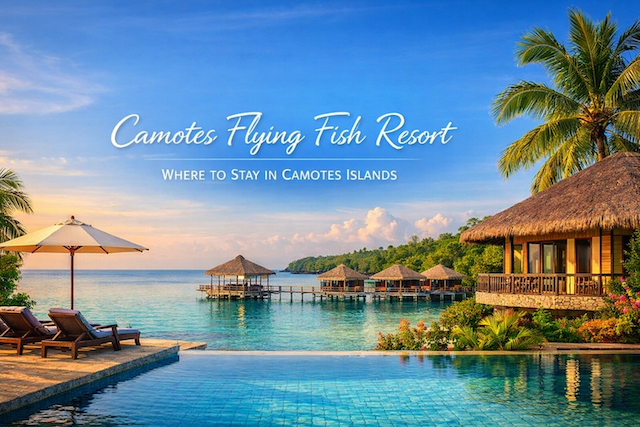
Camotes Flying Fish Resort: Where to Stay in Camotes Islands
Camotes Islands is one of those Cebu-side escapes that still feels relaxed and local, even as more travelers discover it. If you’re planning a short beach trip from Cebu City, looking for a quiet base for island-hopping, or simply want a few days of slow mornings by the water, choosing the right resort matters more than most people expect. You’re not just picking a bed—you’re choosing your access to beaches, your distance from town, how easy it is to book boat rides, and whether your nights are peaceful or noisy.
Camotes Flying Fish Resort is a practical choice for travelers who want a straightforward island stay: close enough to explore, comfortable enough to rest, and simple enough that you can focus on what you came for—clear water, island scenery, and that “no rush” Camotes pace. In this guide, I’ll walk you through what it’s like to stay here, who it suits best, what to expect from the rooms and facilities, and how to plan your day trips around the island while using the resort as your home base.
Quick Snapshot: What This Resort Feels Like
Camotes Flying Fish Resort fits the “easy island stay” category. It’s not trying to be a five-star luxury property, and that’s a good thing for many travelers. The vibe is casual and travel-friendly: you check in, drop your bags, and quickly settle into island mode.
Expect a simple resort rhythm—swimming, beach time, meals on-site or nearby, early nights if you want them, and enough space to unwind. If your priority is a polished, highly curated luxury experience, you might prefer a high-end beachfront property. But if what you want is a comfortable place with a resort atmosphere where you can rest between exploring Camotes’ beaches, caves, and viewpoints, this kind of resort can be exactly right.
Location: Why Base Location Matters in Camotes
Camotes Islands isn’t huge, but getting around can still take time—especially if you’re relying on motorbike rentals, tricycles, or arranged rides. Your resort location affects your whole trip:
-
How quickly you can reach major attractions
-
Whether you can easily visit multiple spots in one day
-
How much you spend on transportation
-
Whether your evenings are quiet or more active
Flying Fish Resort works best as a “base resort,” meaning you stay put and do day trips. You can explore during the day, then come back to a calm place at night. This is ideal for travelers who want variety—beach time one day, caves the next, a lake or viewpoint after that—without moving accommodations.
Who Should Stay Here
This resort is a good match if you’re in one of these travel styles:
-
First-time Camotes visitor who wants a simple, no-drama stay
-
Couple trip focused on beach time, island food, and relaxed schedules
-
Small group of friends who plan to tour during the day and chill at night
-
Solo traveler who wants a resort environment rather than a barebones guesthouse
-
Short weekend trip from Cebu where convenience matters more than luxury details
If you’re traveling with very young kids and need highly child-specific amenities, or you require wheelchair-accessible design, you’ll want to confirm details before booking. Camotes stays vary widely, and not all island resorts are designed for every accessibility need.
Rooms: What to Expect and What to Check Before Booking
In Camotes, room standards can vary a lot between properties. Even resorts that look similar online can feel very different in real life. When considering a stay at Camotes Flying Fish Resort, think about your priorities:
Comfort basics that matter on an island
-
Air-conditioning vs. fan rooms: If you’re sensitive to heat, prioritize air-conditioning.
-
Hot shower availability: Some island properties have limited hot water or schedule-based heaters.
-
Outlet placement and power stability: Islands can have occasional fluctuations; bringing a power bank is always smart.
-
Bed comfort and room size: Especially important for longer stays or couples.
Best room choice by travel type
-
Couples: Choose the quietest room category you can, ideally farther from shared areas if you sleep early.
-
Friends: Look for rooms that allow flexible sleeping setups, or book two rooms near each other.
-
Solo: Prioritize safety, clean bathrooms, and a room where you can rest well after touring.
If you’re the type who likes to work remotely, ask about Wi-Fi reliability. On islands, Wi-Fi can be okay for messaging and basic browsing, but not always strong enough for heavy video calls.
Facilities and Atmosphere: What You’ll Actually Use
Resort facilities matter most in Camotes when you’re tired from exploring and want everything to be easy. Even if you plan to tour all day, you’ll still rely on your resort for these basics:
Swimming and beach time
If the resort has a pool or beach access, it becomes your default “no-planning-needed” activity. This is especially valuable if you’re only staying 2–3 nights and want to maximize relaxation without constant moving.
Dining options
Some travelers prefer a resort with on-site dining so they can keep evenings simple. Others prefer exploring local eateries. The best approach for Camotes is often a mix:
-
Eat out during the day while touring
-
Have a calm dinner option back at the resort (or nearby)
-
Keep snacks and water stocked in your room
Hangout areas
In island resorts, shaded seating areas, simple outdoor tables, and a place to sit after swimming matter more than fancy design. You’ll likely spend a surprising amount of time just sitting, drying off, and planning your next stop.
What a Typical Stay Looks Like: A 2–3 Night Flow
To help you picture it, here’s a realistic rhythm for staying at a base resort like this.
Day 1: Arrival and slow start
-
Check in, settle into the room
-
Swim or walk around nearby coastal spots
-
Simple dinner and early night
Day 2: Full island exploration
-
Morning: one “major” attraction (cave or viewpoint)
-
Afternoon: beach or lake stop
-
Evening: return to resort for shower, dinner, rest
Day 3: Light touring + departure
This is the style of trip where the resort is your “rest station.” You don’t need to constantly search for what to do—you just choose 1–2 highlights per day and keep the rest easy.
What to Bring for a Better Resort Stay in Camotes
Even good resorts can’t solve everything if you didn’t pack the right small items. For Camotes, these practical items make a big difference:
-
Cash (small bills): ATMs can be limited or unreliable depending on your route.
-
Reef-safe sunscreen: You’ll use more than you think.
-
Dry bag: Helpful for boat rides, beach days, and sudden rain.
-
Water shoes: Many coastal areas have rocks or coral fragments.
-
Power bank: Useful during long touring days.
-
Mosquito repellent: Especially at dusk and near greenery.
-
Light rain jacket: Weather changes quickly even on sunny seasons.
Transportation Tips: Getting Around From Your Resort
Most travelers move around Camotes using one of these options:
Motorbike rental
Best for travelers confident in driving and comfortable with local road conditions. You’ll have the most freedom, and it can be the most cost-effective for couples.
Tricycle rides
Great if you don’t want to drive. You can negotiate per trip or arrange a half-day / full-day route. It’s usually the most practical option for families or groups who want to relax.
Arranged tours
If you only have one full day, pre-arranging a tour can save planning time. It can also be safer if you’re unfamiliar with roads and want a local driver.
If you’re staying at a resort, the staff often help with rentals or drivers, which makes a base resort stay smoother than staying in a random guesthouse.
Food Strategy: Simple and Enjoyable Without Overplanning
A common mistake in Camotes is overplanning food. Because travel time between attractions can add up, it’s best to stay flexible.
A good approach:
-
Breakfast at the resort (or a nearby simple spot)
-
Lunch near your attraction (so you don’t lose time backtracking)
-
Dinner at the resort or near your area for convenience
If you’re traveling as a couple, a calm dinner near your resort often becomes a highlight—less noise, fewer decisions, and more time to enjoy the island atmosphere.
Best For These Travel Goals
Camotes Flying Fish Resort is especially useful if your travel goals match these:
“I want to see Camotes, but I also want to rest.”
You can explore without turning your trip into a constant schedule.
“I’m only here for a weekend.”
A stable base makes your 2–3 nights more efficient.
“I want a resort vibe, not a rough stay.”
Resort environments generally feel safer and easier for first-time visitors.
“I want to be near the beach and not stress.”
Beach time doesn’t require planning. You can swim anytime.
Potential Downsides: Know What You’re Choosing
Every resort style has trade-offs. Here are the most common things to consider with practical island resorts:
-
Not luxury-focused: Expect comfort, not premium details.
-
Island infrastructure limitations: Occasional weak signals, power fluctuations, or slower service can happen anywhere in Camotes.
-
Distance to certain attractions: Depending on where you’re staying, some attractions may take longer to reach than expected.
The key is to choose a resort that matches your trip goal. If your goal is “relax + explore,” this resort style works very well.
How to Decide: Is This the Right Place for You?
Ask yourself these simple questions:
-
Do I want a quiet base rather than moving hotels?
-
Is my priority beach time + island touring, not luxury amenities?
-
Do I prefer a place that feels like a resort environment rather than a budget inn?
-
Am I okay with the natural “island pace” of service and infrastructure?
If you answered yes, Camotes Flying Fish Resort is likely a good fit. It supports the kind of Camotes trip most travelers want: easy mornings, beautiful water, a few signature island spots, and restful nights.
Conclusion: A Simple, Reliable Base in Camotes Islands
Camotes Islands is at its best when you don’t rush it. The best trips here usually balance two things: a little exploration and a lot of slowing down. Staying at a base resort like Camotes Flying Fish Resort makes that balance easier. You can enjoy beach time without planning, do day trips without constantly packing, and end each day with the comfort of returning to one place.
If you’re building a Camotes itinerary and want a stay that supports both relaxation and island exploration, this resort is worth considering as your home base—especially for a short getaway from Cebu where you want your trip to feel simple, calm, and genuinely refreshing.
FAQs (Frequently Asked Questions)
Where is Camotes Flying Fish Resort located in the Camotes Islands?
Camotes Flying Fish Resort is located in the Camotes Islands, a group of islands off the coast of Cebu in the Philippines. Because Camotes is made up of multiple islands and municipalities, the most practical way to confirm the resort’s exact area is to check your booking confirmation or the resort’s pinned map location. Once you know the municipality, it becomes easier to plan tricycle rides, motorbike routes, and day trips to popular attractions such as beaches, caves, and viewpoints. Most travelers use the resort as a convenient “base” and explore different parts of Camotes during the day.
Is Camotes Flying Fish Resort a good choice for first-time visitors?
Yes, it can be a very good option for first-time visitors who want a straightforward and relaxed resort stay. Many first-timers prefer a property that feels organized and easy: a clear check-in process, a comfortable room, and staff who can help with basic requests like transportation tips. If your goal is to enjoy Camotes without overplanning, staying in a resort environment is often simpler than choosing a remote homestay or a very basic inn. For first-timers, the biggest advantage is having a stable base for the entire trip.
How many nights should I stay in Camotes if I book this resort?
For most travelers, 2 to 3 nights is the sweet spot. Two nights works well for a quick weekend getaway, especially if you arrive early on Day 1 and tour actively on Day 2. Three nights gives you more breathing room, allowing you to do a full island day trip without feeling rushed and still have time for slow beach mornings. If you want a more relaxing pace—longer swims, fewer transfers, more downtime—then 4 nights can be ideal. Your best length depends on ferry schedules and how much touring you want to do.
Does the resort have Wi-Fi, and is it reliable for remote work?
Many resorts in Camotes offer Wi-Fi, but reliability can vary depending on weather, network conditions, and how many guests are connected. In general, you can expect Wi-Fi to be usable for basic browsing, messaging, and light tasks. If you need stable video calls, large uploads, or all-day remote work, it is safer to treat Camotes as a “low-connectivity” destination and plan accordingly. A practical approach is to bring a local SIM card for backup data, download maps offline, and schedule important work calls before you travel.
What type of traveler is this resort best for?
This resort style is usually best for couples, small groups, and solo travelers who want a comfortable base while exploring Camotes. It also suits travelers who prefer a quiet atmosphere rather than nightlife, and those who want simple beach access without constantly moving accommodations. If you like doing day trips—one attraction in the morning, another in the afternoon—and returning to the same place each evening, this kind of resort makes the trip smoother. Families can also enjoy it, but they should confirm room layout and safety details based on their children’s ages.
Is it better to rent a motorbike or use tricycles when staying here?
Both options work well, and the best choice depends on your confidence level and travel style. Motorbike rental offers freedom and can be cost-effective for couples who want to move quickly between attractions. Tricycles are ideal if you do not want to drive or if you are traveling with kids or a group. Many visitors arrange tricycle trips by negotiating a per-ride price or booking a half-day or full-day island route. If you are staying at a resort, staff can often help you find a driver or give you typical price expectations for common routes.
Can I do day trips to multiple Camotes attractions from the resort?
Yes. Most travelers use a resort base to visit two or more attractions in a single day. A realistic day plan is one “major” stop in the morning (such as a cave, viewpoint, or a signature beach area) and a more relaxed stop in the afternoon (swimming, a quieter beach, or a scenic photo spot). The key is to plan routes by area so you are not crossing the island repeatedly. Leave extra buffer time for meals, road conditions, and spontaneous stops, because the best Camotes moments are often unplanned.
What should I pack to make my stay more comfortable?
Bring cash in small bills, reef-safe sunscreen, mosquito repellent, and a power bank. Water shoes are helpful for rocky shorelines, and a dry bag is useful for boat rides or sudden rain. Lightweight clothing is best, but include a thin rain jacket because island weather can change quickly. If you are sensitive to noise, consider bringing earplugs. If you plan to tour all day, having a small daypack, a refillable water bottle, and quick-dry towels can make your beach and swimming days much easier.
Is Camotes Flying Fish Resort suitable for a budget trip?
It can fit a budget-focused trip depending on your room choice and how you manage transportation and meals. In Camotes, many travelers save money by keeping their itinerary simple: choose a comfortable base, rent a motorbike or negotiate tricycle routes, and eat at local restaurants for lunch while touring. A resort stay can still be cost-efficient because it reduces stress and time loss, especially for short trips. If strict budget is your top priority, compare room types and consider traveling midweek, when availability may be better.
What are the common “island travel” issues I should expect?
Camotes is generally relaxed and enjoyable, but like many islands, it can have occasional power fluctuations, changing mobile signal strength, and slower service during busy periods. Weather can also affect ferry schedules and boat conditions. These are normal island factors rather than problems specific to one resort. The best way to avoid stress is to keep your plan flexible, travel with extra cash, confirm your return schedule early, and treat the trip as a chance to slow down. If you prepare for island realities, your stay will feel much smoother.
The Ultimate Guide to Camotes Islands:Cebu’s Untouched Tropical Escape for Nature Lovers and Adventurers