2026年4月3日
3D ACADEMY offers affordable English study programs in Cebu, Philippines – perfect for beginners, professionals, and exam takers.

3D UNIVERSAL ENGLISH INSTITUTE INC
info.3d-universal.com
8:00-17:00(Mon-Fri)
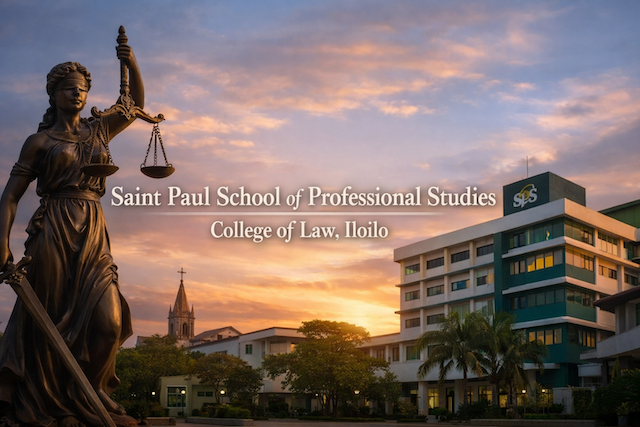
Saint Paul School of Professional Studies College of Law (Iloilo)
Contents
- Saint Paul School of Professional Studies College of Law (Iloilo)
- Introduction
- Overview of Saint Paul School of Professional Studies
- Juris Doctor Program Structure
- Teaching Methodology
- Faculty and Academic Excellence
- Facilities and Learning Environment
- Student Life and Community
- Admission Requirements
- Bar Examination Preparation
- Career Opportunities for Graduates
- Advantages of Studying Law in Iloilo
- Challenges and Considerations
- Why Choose SPSPS College of Law?
- Conclusion
- FAQs (Frequently Asked Questions)
- What is Saint Paul School of Professional Studies College of Law in Iloilo known for?
- Where is Saint Paul School of Professional Studies College of Law located?
- What degree does the College of Law offer?
- Is Saint Paul School of Professional Studies College of Law a good option for aspiring lawyers?
- What subjects are typically included in the Juris Doctor curriculum?
- Can working professionals study at this law school?
- What are the admission requirements for Saint Paul School of Professional Studies College of Law?
- How hard is law school at Saint Paul School of Professional Studies College of Law?
- Does studying law in Iloilo offer advantages compared with studying in bigger cities?
- How can prospective students know if this law school is the right fit for them?
Saint Paul School of Professional Studies College of Law (Iloilo)
Introduction
Saint Paul School of Professional Studies (SPSPS) College of Law in Iloilo is one of the emerging institutions in the Philippines that offers a Juris Doctor (JD) program grounded in academic excellence, ethical formation, and community-oriented legal practice. As part of the Saint Paul University system, which is known for its strong Catholic educational tradition, the College of Law integrates professional training with values-based education.
Located in Iloilo City—often referred to as the “Heart of the Philippines”—the school provides a conducive environment for legal studies, combining urban accessibility with a relatively calm and student-friendly atmosphere. This balance makes SPSPS an attractive option for aspiring lawyers who seek both academic rigor and personal development.
Overview of Saint Paul School of Professional Studies
Saint Paul School of Professional Studies is a higher education institution affiliated with the Sisters of St. Paul of Chartres, a religious congregation that has played a significant role in Philippine education for over a century. The institution focuses on professional and graduate-level programs, catering to students who aim to advance in specialized fields such as law, business, and education.
The College of Law is one of its flagship programs, designed to produce competent, ethical, and socially responsible legal practitioners. It reflects the broader mission of Paulinian education: forming individuals who are Christ-centered, community-oriented, and globally competitive.
Juris Doctor Program Structure
The Juris Doctor (JD) program at SPSPS College of Law is structured to meet the standards set by the Legal Education Board (LEB) in the Philippines. It typically spans four years for full-time students, although flexible schedules may be available for working professionals.
Core Curriculum
The program covers foundational legal subjects, including:
- Constitutional Law
- Civil Law (Persons, Property, Obligations, and Contracts)
- Criminal Law
- Commercial Law
- Remedial Law
- Legal Ethics
These subjects ensure that students acquire a comprehensive understanding of Philippine law and legal systems.
Advanced and Elective Courses
In addition to core subjects, students can take electives that allow them to specialize or deepen their knowledge in areas such as:
- Environmental Law
- Labor Law
- Taxation Law
- International Law
- Alternative Dispute Resolution
This flexibility enables students to align their studies with their career goals.
Clinical Legal Education
A key component of the program is clinical legal education, which provides hands-on experience through legal aid work, internships, and mock trials. Students are trained to apply theoretical knowledge in real-world scenarios, often assisting underprivileged communities.
Teaching Methodology
The College of Law adopts a combination of traditional and modern teaching approaches to ensure effective learning.
Socratic Method
Professors frequently use the Socratic method, encouraging students to think critically and articulate their arguments clearly. This approach prepares students for courtroom practice and legal reasoning.
Case Study Analysis
Students are required to read and analyze landmark cases, helping them understand how laws are interpreted and applied in real situations.
Interactive Learning
Group discussions, debates, and presentations are integral parts of the learning process. These activities foster collaboration and enhance communication skills.
Faculty and Academic Excellence
The faculty at SPSPS College of Law consists of experienced legal practitioners, judges, and scholars. Many of them are actively engaged in legal practice, bringing real-world insights into the classroom.
Their expertise ensures that students receive up-to-date knowledge and practical guidance. Faculty members also serve as mentors, supporting students throughout their academic journey and bar examination preparation.
Facilities and Learning Environment
The school provides facilities designed to support law students’ academic needs.
Law Library
The law library is equipped with essential legal resources, including:
- Philippine jurisprudence
- Statutory materials
- Legal textbooks
- Online legal databases
A well-maintained library is crucial for legal research and case preparation.
Study Spaces
Quiet study areas and collaborative spaces allow students to focus on their coursework and group projects.
Technology Integration
Modern classrooms and digital resources enhance the learning experience, enabling students to access materials and participate in interactive sessions.
Student Life and Community
Life at SPSPS College of Law extends beyond academics.
Paulinian Values Formation
Students are encouraged to develop not only intellectually but also morally and spiritually. Activities such as retreats, community service, and outreach programs are integral to the Paulinian experience.
Student Organizations
Law students can join organizations that promote:
- Legal advocacy
- Moot court competitions
- Community outreach
- Academic excellence
These organizations help students build networks and develop leadership skills.
Work-Life Balance
Given that many law students are working professionals, the institution strives to provide a supportive environment that accommodates their schedules.
Admission Requirements
Admission to the College of Law is competitive and requires applicants to meet specific criteria.
Basic Requirements
- Bachelor’s degree from a recognized institution
- Transcript of Records
- Entrance examination (if required)
- Interview
Additional Considerations
Applicants are often evaluated based on academic performance, communication skills, and motivation to pursue a legal career.
Bar Examination Preparation
Preparing students for the Philippine Bar Examination is a major focus of the program.
Review Programs
The school offers structured review sessions and mock bar exams to help students assess their readiness.
Mentorship
Faculty members provide guidance and strategies for effective bar exam preparation.
Academic Support
Additional tutorials and study groups are available for students who need extra assistance.
Career Opportunities for Graduates
Graduates of SPSPS College of Law have diverse career paths available to them.
Legal Practice
Many graduates pursue careers as attorneys in:
- Private law firms
- Corporate legal departments
- Government agencies
Public Service
Some choose to serve as prosecutors, public defenders, or legal consultants for government institutions.
Academia and Research
Others enter the field of teaching or legal research, contributing to the development of legal education.
Alternative Careers
A law degree also opens opportunities in business, politics, and non-governmental organizations.
Advantages of Studying Law in Iloilo
Choosing Iloilo as a study destination offers several benefits.
Affordable Cost of Living
Compared to major cities like Manila, Iloilo offers a more affordable lifestyle, reducing financial stress for students.
Safe and Student-Friendly Environment
Iloilo is known for its safety and welcoming community, making it ideal for students.
Access to Legal Institutions
Students have access to courts, law offices, and government agencies for internships and practical exposure.
Challenges and Considerations
While SPSPS College of Law offers many advantages, prospective students should also consider potential challenges.
Academic Rigor
Law school is demanding, requiring significant time, effort, and dedication.
Balancing Responsibilities
For working students, managing work, study, and personal life can be challenging.
Bar Exam Pressure
The ultimate goal of passing the bar exam adds an additional layer of pressure.
Why Choose SPSPS College of Law?
Several factors make SPSPS College of Law a compelling choice.
Values-Based Education
The integration of ethical and spiritual formation sets it apart from purely academic institutions.
Supportive Community
Students benefit from a close-knit community that fosters collaboration and mutual support.
Practical Training
The emphasis on clinical education ensures that graduates are practice-ready.
Strategic Location
Iloilo provides a balanced environment conducive to focused study.
Conclusion
Saint Paul School of Professional Studies College of Law in Iloilo represents a strong option for aspiring legal professionals in the Philippines. With its commitment to academic excellence, ethical formation, and community engagement, the institution prepares students not only to pass the bar exam but also to become responsible and impactful members of society.
By combining rigorous legal training with a supportive and values-driven environment, SPSPS College of Law equips its graduates with the knowledge, skills, and character needed to succeed in the legal profession. For students seeking a holistic legal education in a dynamic yet manageable setting, this institution stands out as a worthy choice.
FAQs (Frequently Asked Questions)
What is Saint Paul School of Professional Studies College of Law in Iloilo known for?
Saint Paul School of Professional Studies College of Law in Iloilo is known for offering legal education within a values-oriented academic environment. As part of a Paulinian educational tradition, the school is often associated with discipline, professional formation, and moral responsibility. For many students, this combination is important because studying law is not only about learning statutes, cases, and legal procedures. It is also about developing judgment, integrity, and a sense of duty to clients, communities, and the justice system. The institution appeals to aspiring lawyers who want legal training in a setting that emphasizes both competence and character. In Iloilo, it can also be a practical choice for students who prefer to pursue law outside Metro Manila while still remaining in a highly urbanized, academically active city.
Where is Saint Paul School of Professional Studies College of Law located?
The College of Law is located in Iloilo, one of the major cities in the Visayas region of the Philippines. Iloilo is widely recognized for its educational institutions, business growth, and relatively manageable pace of city life compared with larger metropolitan areas. For law students, location matters because it affects daily costs, commute times, access to legal institutions, and overall study conditions. Being in Iloilo gives students access to courts, law offices, government agencies, and other professional environments that may support internships, observation, or future networking. At the same time, the city is often considered more livable and less congested than larger urban centers, which can help students maintain a more sustainable law school routine.
What degree does the College of Law offer?
The College of Law generally offers a Juris Doctor program, which is the standard professional law degree in the Philippines for those preparing to become lawyers. The Juris Doctor program is designed to provide a broad and structured legal education covering foundational and advanced areas of Philippine law. It usually includes major fields such as constitutional law, civil law, criminal law, commercial law, remedial law, legal ethics, labor law, taxation, and political law. The goal of the program is to prepare students not only for classroom success but also for legal practice and eventually for the Philippine Bar Examination. Students considering enrollment should still verify the latest curriculum structure, admission rules, and academic policies directly with the school, since institutional details can change over time.
Is Saint Paul School of Professional Studies College of Law a good option for aspiring lawyers?
It can be a good option for aspiring lawyers, especially for students looking for legal education in Iloilo within a values-based academic setting. Whether a law school is the right choice depends on several personal factors, including location preference, budget, learning style, schedule flexibility, and long-term career goals. Some students value a strong community atmosphere and a more guided educational environment, while others prioritize size, specialization, or a particular alumni network. Saint Paul School of Professional Studies College of Law may be attractive to students who want a serious legal education while also studying in a school environment that highlights ethics and social responsibility. The best approach is to compare it with other law schools in the region and assess practical factors such as tuition, class schedules, faculty background, bar support, and school culture.
What subjects are typically included in the Juris Doctor curriculum?
A typical Juris Doctor curriculum in the Philippines includes both basic and advanced law subjects that build a student’s legal knowledge step by step. Early years often focus on introductory and foundational courses such as persons and family relations, obligations and contracts, constitutional law, criminal law, and legal writing. As students progress, they usually study property, succession, civil procedure, evidence, labor law, taxation, commercial law, public international law, administrative law, and legal ethics. In many programs, students also complete practice-oriented components such as legal research, advocacy training, clinical legal education, or supervised law student practice. These subjects are meant to prepare students for real legal work and for the bar exam. The exact sequence and structure may vary, so applicants should review the school’s current curriculum guide for updated information.
Can working professionals study at this law school?
Many law schools in the Philippines, especially those serving regional cities, attract working professionals who are trying to balance employment and legal education. Saint Paul School of Professional Studies College of Law may appeal to this group if it offers schedules or academic arrangements that are manageable for employed students. Law school is demanding even for full-time students, so working while studying requires excellent time management, discipline, and realistic expectations. Prospective students should check whether the school offers evening classes, weekend options, or flexible administrative support for students with jobs. They should also consider the workload involved in reading cases, preparing recitations, writing papers, and taking exams. Even if a law school is open to working students, success still depends heavily on personal consistency and the ability to maintain focus over several years.
What are the admission requirements for Saint Paul School of Professional Studies College of Law?
Admission requirements typically include a bachelor’s degree, official academic records, and compliance with the school’s specific application procedures. Applicants may be asked to submit a transcript of records, diploma or proof of graduation, birth certificate, identification documents, passport-sized photos, and other institutional forms. Some law schools also require an entrance examination, interview, personal statement, or recommendation letters. Since requirements can change, applicants should confirm the current list directly with the admissions office before preparing their documents. It is also wise to ask about application deadlines, reservation fees, enrollment schedules, and the release of acceptance results. For students coming from outside Iloilo, early preparation is especially important because relocation, housing, and document processing may take additional time.
How hard is law school at Saint Paul School of Professional Studies College of Law?
Law school is generally challenging regardless of the institution, and students should expect a heavy reading load, frequent class preparation, and significant mental pressure. At Saint Paul School of Professional Studies College of Law, the difficulty level will likely reflect the standard demands of Philippine legal education. Students are expected to read cases carefully, understand legal doctrines, participate in recitations, and perform well in written examinations. The challenge is not only academic. Law school also tests patience, consistency, and emotional resilience. Many students find the first year especially difficult because they are adjusting to a new style of thinking and studying. However, with discipline, steady reading habits, and a good support system, students can gradually adapt. Choosing a school environment that fits one’s personality and circumstances can make this process more manageable.
Does studying law in Iloilo offer advantages compared with studying in bigger cities?
Yes, studying law in Iloilo can offer practical advantages for many students. One major benefit is the cost of living, which is often lower than in Metro Manila. This can make a significant difference over four years of law school, especially when combined with tuition, books, transportation, and daily expenses. Iloilo may also offer a more balanced lifestyle, with shorter commute times and a less overwhelming urban environment. For some students, this translates into more efficient study routines and lower stress. The city still provides access to important legal institutions, making it possible to gain exposure to courts and legal practice. While larger cities may offer broader professional networks, many students prefer Iloilo because it gives them a serious academic environment without the higher financial and logistical burden of studying in the capital.
How can prospective students know if this law school is the right fit for them?
The best way to determine whether Saint Paul School of Professional Studies College of Law is the right fit is to evaluate both academic and personal factors. Students should look at the curriculum, faculty profile, school values, tuition costs, class schedule, and available academic support. They should also consider non-academic concerns such as travel time, living expenses, family responsibilities, and whether they prefer a smaller, more community-centered environment. Speaking with current students or alumni can also provide useful insight into classroom culture, workload, and student life. Visiting the campus, when possible, is another helpful step. Law school is a long-term commitment, so the right choice is not simply the most famous school. It is the school where a student can realistically thrive, remain consistent, and build the foundation needed for both the bar exam and future legal practice.

How to Register for eTravel Philippines (2025 Guide)
Step-by-step guide to completing your eTravel registration before arriving in the Philippines, with images and tips.

Night Market in Cebu – Things You Don’t Know About Cebu Life
Discover the hidden charm of Cebu’s night markets, from street food stalls to local life tips you won’t find in tourist guides.

How to Use ChatGPT for IELTS Preparation: A Complete Guide
Learn how to prepare for IELTS using ChatGPT — including strategies for Writing, Reading, Listening, Speaking, and grammar support.

How to Build a Website Without Coding Using ChatGPT
Discover how to build your own website using AI—no coding skills needed. From structure planning to SEO and design, let ChatGPT guide you.