2026年4月3日
3D ACADEMY offers affordable English study programs in Cebu, Philippines – perfect for beginners, professionals, and exam takers.

3D UNIVERSAL ENGLISH INSTITUTE INC
info.3d-universal.com
8:00-17:00(Mon-Fri)
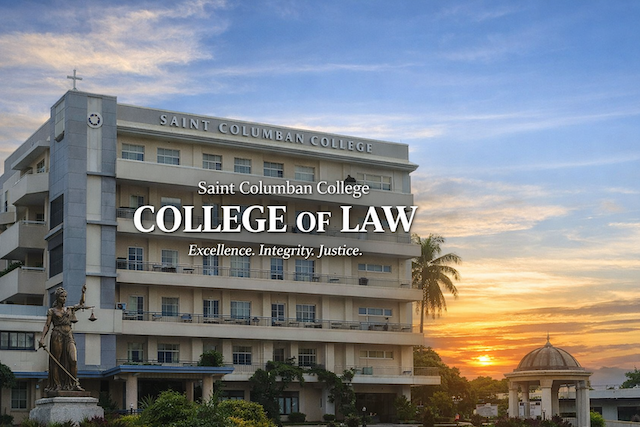
Saint Columban College College of Law: A Comprehensive Guide to Legal Education in Pagadian City
Contents
- Saint Columban College College of Law: A Comprehensive Guide to Legal Education in Pagadian City
- Introduction
- Overview of Saint Columban College
- Vision and Mission of the College of Law
- Academic Program: Juris Doctor (JD)
- Admission Requirements
- Tuition Fees and Affordability
- Facilities and Learning Environment
- Student Life and Culture
- Bar Examination Preparation
- Career Opportunities for Graduates
- Advantages of Studying at Saint Columban College College of Law
- Challenges to Consider
- Living in Pagadian City as a Law Student
- Conclusion
- FAQs (Frequently Asked Questions)
- What is Saint Columban College College of Law known for?
- Where is Saint Columban College College of Law located?
- What degree does Saint Columban College College of Law offer?
- How long does it take to complete the Juris Doctor program?
- What are the admission requirements for Saint Columban College College of Law?
- Is Saint Columban College College of Law a good option for working students?
- How much is the tuition at Saint Columban College College of Law?
- Are there scholarships or financial aid options available?
- What is student life like at Saint Columban College College of Law?
- Can graduates of Saint Columban College College of Law take the Philippine Bar Examination?
Saint Columban College College of Law: A Comprehensive Guide to Legal Education in Pagadian City
Introduction
Saint Columban College College of Law is one of the notable institutions in Mindanao offering legal education to aspiring lawyers in the Philippines. Located in Pagadian City, Zamboanga del Sur, the college plays a significant role in providing accessible and values-driven legal training, particularly for students in Western Mindanao who seek a more community-oriented alternative to larger metropolitan law schools.
This article provides a comprehensive overview of Saint Columban College College of Law, including its background, academic programs, admission requirements, facilities, student life, and career opportunities. Whether you are a prospective law student or simply exploring legal education options in the Philippines, this guide will help you understand what makes this institution unique.
Overview of Saint Columban College
Saint Columban College (SCC) is a private Catholic educational institution founded by the Missionary Society of St. Columban. Established in 1957, the school has grown into a respected academic institution offering programs in various disciplines, including education, business, criminology, and law.
The College of Law was established to address the growing demand for legal professionals in the region. It aims to produce competent, ethical, and socially responsible lawyers who are equipped to serve both local communities and the broader Philippine legal system.
Vision and Mission of the College of Law
The College of Law at Saint Columban College is guided by a mission that emphasizes both academic excellence and moral integrity.
Vision
The institution envisions producing lawyers who are not only skilled in legal practice but also committed to justice, peace, and social transformation.
Mission
The mission of the College of Law includes:
- Providing quality legal education grounded in Christian values
- Developing critical thinking and analytical skills
- Promoting social justice and community service
- Preparing students for the Philippine Bar Examination
This values-driven approach sets SCC apart from many other law schools, especially for students who prioritize ethical leadership alongside professional success.
Academic Program: Juris Doctor (JD)
The primary program offered by Saint Columban College College of Law is the Juris Doctor (JD), which is the standard law degree in the Philippines.
Program Structure
The Juris Doctor program typically spans four years and covers essential areas of law, including:
- Civil Law
- Criminal Law
- Constitutional Law
- Commercial Law
- Remedial Law
- Legal Ethics
The curriculum is designed in accordance with the standards set by the Legal Education Board (LEB) of the Philippines.
Teaching Approach
The College of Law uses a combination of teaching methods to ensure comprehensive learning:
- Case method analysis
- Socratic method discussions
- Legal research and writing exercises
- Mock trials and moot court activities
This approach helps students develop both theoretical knowledge and practical legal skills.
Admission Requirements
Admission to the College of Law at Saint Columban College is competitive but accessible, especially for students in Mindanao.
Basic Requirements
Applicants are generally required to submit:
- A bachelor’s degree from a recognized institution
- Transcript of records
- Certificate of good moral character
- Completed application form
Entrance Examination and Interview
Most applicants must pass an entrance examination designed to assess:
- Logical reasoning
- Reading comprehension
- Basic communication skills
An interview may also be conducted to evaluate the applicant’s motivation and readiness for law school.
English Proficiency
Since legal education in the Philippines is conducted in English, applicants are expected to have a strong command of the language.
Tuition Fees and Affordability
One of the key advantages of studying at Saint Columban College College of Law is its relatively affordable tuition compared to law schools in major cities like Manila or Cebu.
Estimated Costs
While tuition fees may vary, SCC generally offers:
- Lower per-unit costs
- Flexible payment schemes
- Scholarship opportunities
This makes legal education more accessible to students from diverse economic backgrounds.
Scholarships and Financial Aid
The college may offer scholarships based on:
- Academic performance
- Financial need
- Community involvement
Students are encouraged to inquire directly with the administration for updated scholarship programs.
Facilities and Learning Environment
Saint Columban College provides a conducive environment for legal studies.
Classrooms and Lecture Halls
The College of Law is equipped with:
- Air-conditioned classrooms
- Audio-visual teaching tools
- Comfortable seating arrangements
Library Resources
The school library includes:
- Law books and reference materials
- Philippine jurisprudence reports
- Online legal databases (in some cases)
Access to updated legal resources is essential for law students, and SCC ensures that students have the materials they need.
Moot Court and Practical Training
Students may participate in:
- Moot court competitions
- Legal aid clinics
- Internship programs
These activities help bridge the gap between theory and practice.
Student Life and Culture
Law school is demanding, but student life at SCC offers a balanced and supportive environment.
Community Atmosphere
Unlike large urban law schools, SCC offers a close-knit academic community where:
- Students and professors interact closely
- Peer support is strong
- Collaboration is encouraged
Extracurricular Activities
Students can participate in:
- Law student organizations
- Debate clubs
- Community outreach programs
These activities enhance leadership skills and professional development.
Work-Life Balance
While law school is rigorous, the environment in Pagadian City allows for a more relaxed lifestyle compared to highly urbanized areas.
Bar Examination Preparation
One of the ultimate goals of any law school is to prepare students for the Philippine Bar Examination.
Curriculum Alignment
The JD program at SCC is aligned with bar exam subjects, ensuring that students are well-prepared academically.
Review Programs
The College of Law may offer:
- Bar review classes
- Practice examinations
- Mentorship from experienced faculty
Faculty Support
Professors often provide personalized guidance, helping students identify their strengths and areas for improvement.
Career Opportunities for Graduates
Graduates of Saint Columban College College of Law can pursue various career paths.
Legal Practice
Many graduates become:
- Trial lawyers
- Corporate lawyers
- Public attorneys
Government Service
Opportunities include:
- Prosecutors
- Judges (after years of practice)
- Legal officers in government agencies
Alternative Careers
Law graduates can also work in:
- Business and corporate management
- Academia
- Non-governmental organizations
The versatility of a law degree allows graduates to explore diverse career options.
Advantages of Studying at Saint Columban College College of Law
Choosing SCC for legal education offers several benefits.
Accessibility
- Located in Pagadian City, making it accessible for students in Mindanao
- Lower cost of living compared to major cities
Affordability
- Competitive tuition fees
- Scholarship opportunities
Values-Based Education
- Strong emphasis on ethics and social responsibility
- Catholic educational foundation
Supportive Environment
- Smaller class sizes
- Personalized attention from faculty
Challenges to Consider
While SCC offers many advantages, there are also some considerations.
Limited Exposure Compared to Major Cities
Students may have fewer opportunities for:
- Networking with large law firms
- Exposure to high-profile cases
Resource Limitations
Compared to top-tier law schools, resources such as:
- Extensive legal databases
- Large-scale moot court competitions
may be more limited.
However, motivated students can still succeed by maximizing available resources and seeking external opportunities.
Living in Pagadian City as a Law Student
Pagadian City offers a unique environment for students.
Cost of Living
- Affordable housing options
- Lower daily expenses
Lifestyle
- Less traffic and congestion
- Peaceful surroundings conducive to study
Accessibility
- Basic amenities and services are available
- Transportation is relatively convenient
This makes it an ideal location for students who prefer a quieter and more focused academic life.
Conclusion
Saint Columban College College of Law is an excellent choice for aspiring lawyers who seek quality legal education in a supportive and values-driven environment. With its affordable tuition, strong community atmosphere, and commitment to ethical leadership, the institution provides a solid foundation for success in the legal profession.
While it may not have the same level of exposure as larger law schools in major cities, SCC compensates with personalized education, accessibility, and a strong sense of purpose. For students in Mindanao and beyond, it represents a practical and meaningful pathway toward becoming a lawyer in the Philippines.
If you are looking for a law school that combines academic rigor with moral integrity and community focus, Saint Columban College College of Law is certainly worth considering.
FAQs (Frequently Asked Questions)
What is Saint Columban College College of Law known for?
Saint Columban College College of Law is known for providing legal education in Pagadian City, offering an option for students who want to study law in Mindanao without relocating to larger cities. It is often appreciated for its community-oriented environment, relatively accessible location, and values-based educational setting. For many students, it represents a practical pathway toward earning a Juris Doctor degree while staying closer to family, work, or local responsibilities. It is especially relevant for those who prefer a smaller academic environment rather than a highly competitive and crowded metropolitan law school setting.
Where is Saint Columban College College of Law located?
The College of Law is located in Pagadian City, in the province of Zamboanga del Sur, Philippines. This location makes it a convenient choice for students coming from Western Mindanao and nearby areas. Studying in Pagadian City can also be attractive for students who want a more peaceful setting for law school. Compared to major urban centers, the city may offer a lower cost of living and a less stressful daily routine, which can be helpful given the demanding nature of legal studies.
What degree does Saint Columban College College of Law offer?
The school offers the Juris Doctor (JD) program, which is the standard professional law degree in the Philippines. This degree is designed to prepare students for the Philippine Bar Examination and for future careers in legal practice, government service, business, and related fields. The program normally includes the major branches of Philippine law, legal writing, research, ethics, and procedural subjects. As with other law schools, students are expected to handle extensive reading, class recitations, and case analysis throughout the program.
How long does it take to complete the Juris Doctor program?
In most cases, the Juris Doctor program takes about four years to complete, assuming the student follows the regular load and successfully passes all required subjects. Some students may take longer if they are working while studying, need to reduce their course load, or have to retake certain subjects. Law school timelines can vary depending on academic performance, personal circumstances, and the school’s curriculum structure. Prospective students should confirm the latest academic requirements and scheduling policies directly with the institution.
What are the admission requirements for Saint Columban College College of Law?
Applicants are generally expected to hold a bachelor’s degree from a recognized college or university. They are also commonly required to submit documents such as a transcript of records, a certificate of good moral character, passport-sized photos, and a completed application form. Some schools also require an entrance examination and interview. Because policies may change, the best approach is to contact the admissions office directly for the most current list of requirements, deadlines, and application procedures.
Is Saint Columban College College of Law a good option for working students?
For some working students, it can be a practical option because schools outside major metropolitan areas sometimes attract students who are balancing employment, family responsibilities, and graduate study. However, law school remains academically demanding regardless of location. Students should expect a heavy reading load, frequent class preparation, and significant time pressure. Whether it is a good fit depends on the individual’s schedule, discipline, and support system. Anyone planning to work while studying law should ask about class schedules and realistic academic expectations before enrolling.
How much is the tuition at Saint Columban College College of Law?
Tuition and other fees can vary by academic year, number of units, and school policy. Many students consider provincial or regional law schools because they may be more affordable than institutions in Manila or Cebu. Still, exact amounts should always be confirmed with the school itself. Aside from tuition, students should also budget for books, photocopies, transportation, bar review savings, and daily living expenses. Asking for an updated fee structure is one of the most important steps before making a final enrollment decision.
Are there scholarships or financial aid options available?
Some students may qualify for scholarships, tuition assistance, or installment payment arrangements depending on the school’s policies. Financial support may be based on academic merit, financial need, or institutional programs. Availability can change from year to year, so applicants should not assume that previous scholarship offerings are still active. It is advisable to ask the administration whether there are grants, discounts, or payment plans specifically available for law students. Early inquiry is important because some financial aid options have limited slots or fixed application deadlines.
What is student life like at Saint Columban College College of Law?
Student life in a smaller law school environment is often more close-knit. Many students value the chance to build stronger relationships with classmates and professors in a setting where the academic community may feel more personal. Law students typically spend much of their time reading cases, preparing for recitations, writing papers, and studying for exams, but they may also take part in student organizations, legal outreach, and school activities. The overall experience can feel demanding yet supportive, especially for students who thrive in a community-centered academic atmosphere.
Can graduates of Saint Columban College College of Law take the Philippine Bar Examination?
Graduates of a recognized Juris Doctor program may become eligible to take the Philippine Bar Examination, subject to compliance with the applicable rules and requirements of the Supreme Court of the Philippines and other relevant authorities. Completing law school does not automatically guarantee bar success, but it is the essential academic step toward becoming a licensed lawyer. Students should remain updated on current bar admission policies, documentary requirements, and examination rules, since these may change over time. Strong academic preparation, discipline, and review are all critical after graduation.

How to Register for eTravel Philippines (2025 Guide)
Step-by-step guide to completing your eTravel registration before arriving in the Philippines, with images and tips.

Night Market in Cebu – Things You Don’t Know About Cebu Life
Discover the hidden charm of Cebu’s night markets, from street food stalls to local life tips you won’t find in tourist guides.

How to Use ChatGPT for IELTS Preparation: A Complete Guide
Learn how to prepare for IELTS using ChatGPT — including strategies for Writing, Reading, Listening, Speaking, and grammar support.

How to Build a Website Without Coding Using ChatGPT
Discover how to build your own website using AI—no coding skills needed. From structure planning to SEO and design, let ChatGPT guide you.