2025年12月15日
3D ACADEMY offers affordable English study programs in Cebu, Philippines – perfect for beginners, professionals, and exam takers.

3D UNIVERSAL ENGLISH INSTITUTE INC
info.3d-universal.com
8:00-17:00(Mon-Fri)
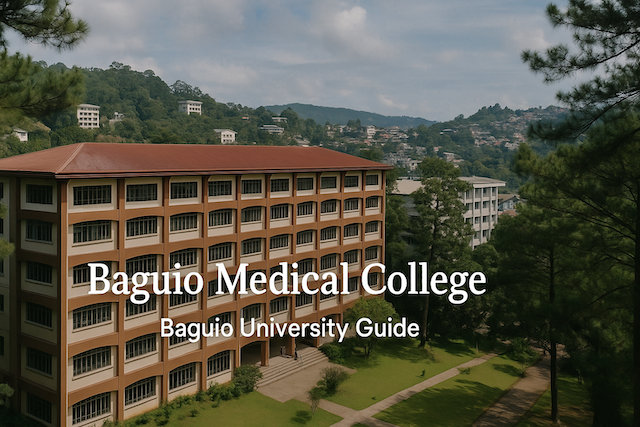
Baguio Medical College: Baguio University Guide
Contents
- Baguio Medical College: Baguio University Guide
- Overview of Baguio Medical College
- Academic Programs Offered
- Campus and Learning Environment
- Clinical Exposure and Partnerships
- Admission Requirements
- Tuition Fees and Financial Assistance
- Student Life at Baguio Medical College
- Career Opportunities for Graduates
- Why Choose Baguio Medical College?
- Final Thoughts
- FAQs (Frequently Asked Questions)
- What programs does Baguio Medical College offer?
- Is Baguio Medical College a good choice for international students?
- Where is Baguio Medical College located and is it accessible?
- What are the admission requirements for new college students?
- Does Baguio Medical College require an entrance examination?
- How much is the tuition fee per semester?
- Are scholarships or financial assistance available?
- What kind of facilities does Baguio Medical College have?
- What clinical and hospital exposure can students expect?
- Is Baguio a safe and student-friendly city for healthcare students?
- What career opportunities do graduates of Baguio Medical College have?
- Does the college support students in preparing for licensure exams?
- How can I apply or contact Baguio Medical College for more information?
Baguio Medical College: Baguio University Guide
Baguio Medical College is one of the city’s emerging institutions dedicated to health sciences education, offering aspiring medical and allied health students a focused and industry-aligned academic environment. Known for its student-centered approach, practical training modules, and integration of modern medical learning systems, the college continues to grow as a reputable choice for those who wish to begin a career in healthcare in the Northern Luzon region.
This guide provides a comprehensive overview of Baguio Medical College, including its programs, campus environment, admission process, facilities, and what students can expect academically and socially.
Overview of Baguio Medical College
Baguio Medical College (BMC) is designed to cater to the increasing demand for healthcare professionals in the Philippines and abroad. The institution emphasizes competency-based learning, ethical training, and clinical immersion. Located within Baguio City—an educational hub with a cool climate and a rich student culture—the college benefits from proximity to hospitals, research institutions, and medical laboratories.
The college’s mission revolves around producing globally competitive healthcare workers who are not only knowledgeable but also compassionate. This aligns with national and global needs for skilled medical practitioners in hospitals, clinics, and community healthcare systems.
Academic Programs Offered
Baguio Medical College provides a selection of undergraduate programs focusing on health sciences. These programs blend theory with hands-on experience to prepare students for licensure exams and careers in medical fields.
Bachelor of Science in Nursing (BSN)
The BSN program is structured to equip students with foundational and advanced knowledge of patient care, medical procedures, and nursing ethics. Students undergo intensive skills training at the college’s nursing laboratories before proceeding to hospital rotations.
Bachelor of Science in Medical Technology (BSMT)
The BSMT program develops skills in laboratory diagnostics, microbiology, clinical chemistry, hematology, and parasitology. Students are trained to operate modern laboratory equipment and interpret medical data, essential for careers in diagnostic centers and hospitals.
Bachelor of Science in Pharmacy (BSP)
This program covers pharmacology, drug development, and therapeutic applications. Students learn medicinal chemistry, compounding techniques, and the regulatory aspects of pharmaceuticals. The degree prepares graduates for licensure and roles in pharmacies, hospitals, and research institutions.
Bachelor of Science in Midwifery
The Midwifery program focuses on maternal and newborn care, reproductive health, and community-based healthcare services. Students take part in clinical exposures that involve assisting deliveries and providing prenatal and postnatal support.
Health Care Services NC II (TESDA-Aligned)
Beyond academic degrees, Baguio Medical College may also offer short-term vocational programs aligned with TESDA standards. These programs cater to students seeking quicker routes to employment, especially in caregiving and basic healthcare support.
Campus and Learning Environment
The college aims to create a supportive atmosphere conducive to academic success. Class sizes are generally moderate, ensuring that students receive individualized attention from instructors. The campus is situated in an accessible part of Baguio City, surrounded by dormitories, eateries, and transportation options.
Modern Laboratories and Simulation Facilities
BMC prioritizes hands-on training by providing:
-
Nursing skills laboratories
-
Medical technology laboratories
-
Pharmacy compounding labs
-
Simulation rooms replicating hospital settings
These facilities allow students to practice real-world scenarios in a controlled and safe environment.
Library and Learning Resources
The library is equipped with medical textbooks, journals, digital resources, and study spaces. Students can also access online academic databases to supplement their coursework and research.
Student Support Services
The college offers guidance counseling, academic consultations, and career development services. These programs encourage students to stay academically motivated and emotionally balanced throughout their study period.
Clinical Exposure and Partnerships
One of the strengths of Baguio Medical College is its network of partner hospitals and clinics where students complete their practicum. These affiliations are crucial in preparing students for real-world medical settings.
Students typically complete rotations in:
-
Medical–surgical wards
-
Pediatric units
-
OB-GYN departments
-
Community health centers
-
Clinical laboratories
These experiences help them build confidence, strengthen their clinical decision-making skills, and develop professional work habits essential in the healthcare sector.
Admission Requirements
The admission process at Baguio Medical College is designed to evaluate the academic preparedness and commitment of applicants.
General Requirements
-
Accomplished application form
-
High school report card (Form 138) or senior high school credentials
-
Good moral certificate
-
PSA birth certificate
-
Medical clearance
-
Application fee (if applicable)
Additional Requirements for Transferees
-
Transcript of Records (TOR)
-
Honorable Dismissal
-
Evaluation of credited subjects
Entrance Examination and Interview
Some programs may require an entrance exam or panel interview, especially Nursing and Medical Technology. These assessments measure the applicant’s aptitude and motivation for health sciences.
Tuition Fees and Financial Assistance
Tuition fees vary depending on the program. Courses like Nursing and Medical Technology typically cost more due to laboratory and clinical requirements.
However, Baguio Medical College also provides:
-
Academic scholarships
-
Financial discounts for honor graduates
-
Payment plans
-
External scholarship partnerships
These options help make education more accessible for financially challenged students.
Student Life at Baguio Medical College
Life at BMC extends beyond the classroom. Students can join academic societies, volunteer programs, research groups, and extracurricular clubs that enrich their educational experience.
Student Organizations
-
Nursing Student Association
-
Medical Technology Society
-
Pharmacy Student Council
-
Community Outreach Club
These groups organize seminars, outreach programs, medical missions, and social events that build leadership and teamwork.
Safe and Accessible City Environment
Baguio City itself is a student-friendly location. With its cool weather, numerous cafés for studying, and safe communities, it is an ideal place for academic-focused lifestyles. Public transportation is also affordable and widely available.
Career Opportunities for Graduates
Graduates of Baguio Medical College can pursue various professional paths depending on their respective degrees.
Nursing Graduates
-
Registered Nurses (local and overseas)
-
Hospital Staff Nurses
-
Community Health Nurses
-
School Nurses
Medical Technology Graduates
-
Licensed Medical Technologists
-
Clinical Analysts
-
Laboratory Researchers
-
Diagnostic Center Specialists
Pharmacy Graduates
-
Registered Pharmacists
-
Hospital Pharmacy Staff
-
Pharmaceutical Sales Representatives
-
Drugstore Managers
Graduates may also pursue further medical education, such as med school or specialized training.
Why Choose Baguio Medical College?
Baguio Medical College has become a favored choice for students pursuing healthcare professions because of its:
-
Strong focus on real-world training
-
Qualified and experienced faculty
-
Accessible location
-
Comprehensive laboratory facilities
-
Student-centered academic approach
-
Affordable tuition relative to other medical schools
Its balanced blend of theory and practice equips students with the knowledge and skills necessary to thrive in demanding medical careers.
Final Thoughts
Baguio Medical College stands as a promising institution for aspiring healthcare professionals seeking quality education in the Cordillera region. With its modern facilities, strong academic programs, and supportive learning environment, it continues to attract students passionate about serving in the medical field.
Whether your goal is to become a nurse, medical technologist, pharmacist, or healthcare support worker, Baguio Medical College offers a solid foundation for achieving your ambitions.
FAQs (Frequently Asked Questions)
What programs does Baguio Medical College offer?
Baguio Medical College offers a range of health science programs designed for students who want to enter medical and allied health professions. Common programs include Bachelor of Science in Nursing (BSN), Bachelor of Science in Medical Technology (BSMT), Bachelor of Science in Pharmacy (BSP), and Midwifery. Some short-term and vocational courses related to health care services or caregiving may also be available. These programs combine classroom learning, laboratory work, and clinical exposure to prepare students for professional practice and licensure examinations.
Is Baguio Medical College a good choice for international students?
Yes, Baguio Medical College can be a practical option for international students, especially those from Asia who are looking for affordable but quality education in English. The city of Baguio is known for its cool climate, academic culture, and relatively low cost of living compared to major metropolitan areas. However, international students should carefully check visa requirements, admission policies for foreign enrollees, English proficiency expectations, and possible bridging programs before applying. It is also recommended to contact the school directly for the most accurate information on international admissions.
Where is Baguio Medical College located and is it accessible?
Baguio Medical College is located in Baguio City, a major educational and commercial center in Northern Luzon. The campus is generally accessible by public transportation such as jeepneys, taxis, and modern PUVs. Nearby you can usually find boarding houses, dormitories, and apartments that cater to students. Food options, convenience stores, and basic services are also available within a short distance, making it easier for students to manage daily life while focusing on their studies.
What are the admission requirements for new college students?
Typical admission requirements for first-year college students include a completed application form, senior high school report card or Form 138, good moral certificate, PSA birth certificate, and recent ID photos. Some programs may require medical clearance and immunization records, especially for Nursing and other clinical courses. Depending on the school’s policy, applicants may also need to take an entrance examination and attend a short interview with the department or guidance office. Requirements and procedures can change, so applicants should always verify with the admissions office.
Does Baguio Medical College require an entrance examination?
Many health-related programs in the Philippines require an entrance examination to assess academic readiness, particularly in science, mathematics, and English. Baguio Medical College may also use entrance exams as part of its admission process, especially for competitive programs like Nursing and Medical Technology. The exam results are often combined with high school grades and interviews to decide acceptance. Some applicants with strong academic records or honors may be eligible for special consideration or scholarship screening.
How much is the tuition fee per semester?
Tuition fees at Baguio Medical College can vary based on the program, year level, and number of laboratory subjects or clinical requirements. Generally, health-related programs cost more than non-science courses because of specialized facilities and equipment. In addition to tuition, students should budget for lab fees, uniforms, books, and transportation. The school may offer installment payment plans or staggered payment options to make finances more manageable. For exact tuition figures, it is important to consult the registrar or finance office directly, as fees can change every academic year.
Are scholarships or financial assistance available?
Yes, many medical and health-focused colleges provide financial assistance, and Baguio Medical College may offer similar options. Possible financial support includes academic scholarships for honor graduates, discounts for consistent dean’s listers, and special grants linked to government programs or private sponsors. Some students may also qualify for external scholarships from local government units or private foundations. Applicants who need financial help should inquire early, as scholarship slots are usually limited and may have strict grade or income requirements.
What kind of facilities does Baguio Medical College have?
Baguio Medical College typically maintains specialized facilities to support health sciences education. These may include nursing skills laboratories, clinical simulation rooms, medical technology labs, and pharmacy compounding rooms. Classrooms are usually equipped with audio-visual tools for lectures, while the library provides textbooks, references, and digital resources. Some campuses may also offer computer laboratories, e-learning access, student lounges, and guidance or counseling offices. These facilities are designed to simulate real healthcare environments and help students practice skills before entering hospitals and clinics.
What clinical and hospital exposure can students expect?
Students at Baguio Medical College can expect structured clinical exposure as part of their training, especially in higher year levels. Nursing students typically rotate through different hospital departments such as medical–surgical wards, pediatric units, maternity wards, and community health centers. Medical Technology students often complete internship hours in accredited laboratories and diagnostic centers. Pharmacy students may train in hospital or community pharmacies. These practical experiences allow learners to handle real patients under supervision, understand hospital protocols, and build confidence in their professional role.
Is Baguio a safe and student-friendly city for healthcare students?
Baguio City is widely regarded as a safe and student-friendly environment. It hosts multiple universities and colleges, which creates a strong academic culture. The cool weather makes it comfortable to study year-round, and many cafés and study spots are available for group work or individual review sessions. While the city is generally safe, students are still encouraged to follow basic safety practices such as securing valuables, using trusted transportation options, and staying aware of their surroundings, especially at night.
What career opportunities do graduates of Baguio Medical College have?
Graduates of Baguio Medical College can pursue various healthcare careers depending on their program. Nursing graduates may work as staff nurses, community health nurses, or school nurses, and many eventually seek overseas employment after passing licensure exams and meeting foreign country requirements. Medical Technology graduates can work in clinical laboratories, hospitals, diagnostic centers, or research institutions. Pharmacy graduates may become hospital or community pharmacists, drugstore managers, or medical representatives. Midwifery and other vocational course graduates can also pursue roles in clinics, birthing centers, or community health programs.
Does the college support students in preparing for licensure exams?
Most health-focused schools, including institutions like Baguio Medical College, place strong importance on licensure exam performance. They may offer review classes, mock board exams, and supplementary workshops in key subjects. Faculty advisors often guide students on exam strategies, time management, and review schedules. Some schools also track exam results to improve their curriculum and teaching approach. Students are encouraged to take advantage of these support systems, join study groups, and maintain consistent study habits leading up to the board examinations.
How can I apply or contact Baguio Medical College for more information?
Prospective students can usually apply by visiting the college admissions office or checking the official website and social media pages for online application instructions. Application steps often include submitting documents, paying an application fee, and scheduling entrance exams or interviews if required. For detailed and updated information regarding programs, tuition, and requirements, it is best to contact the school directly through its official communication channels such as email, phone, or verified social media accounts.
Baguio University Guide
Baguio Province All Universities Lists
Philippines University Guide

How to Register for eTravel Philippines (2025 Guide)
Step-by-step guide to completing your eTravel registration before arriving in the Philippines, with images and tips.

Night Market in Cebu – Things You Don’t Know About Cebu Life
Discover the hidden charm of Cebu’s night markets, from street food stalls to local life tips you won’t find in tourist guides.

How to Use ChatGPT for IELTS Preparation: A Complete Guide
Learn how to prepare for IELTS using ChatGPT — including strategies for Writing, Reading, Listening, Speaking, and grammar support.

How to Build a Website Without Coding Using ChatGPT
Discover how to build your own website using AI—no coding skills needed. From structure planning to SEO and design, let ChatGPT guide you.