2025年12月15日
3D ACADEMY offers affordable English study programs in Cebu, Philippines – perfect for beginners, professionals, and exam takers.

3D UNIVERSAL ENGLISH INSTITUTE INC
info.3d-universal.com
8:00-17:00(Mon-Fri)
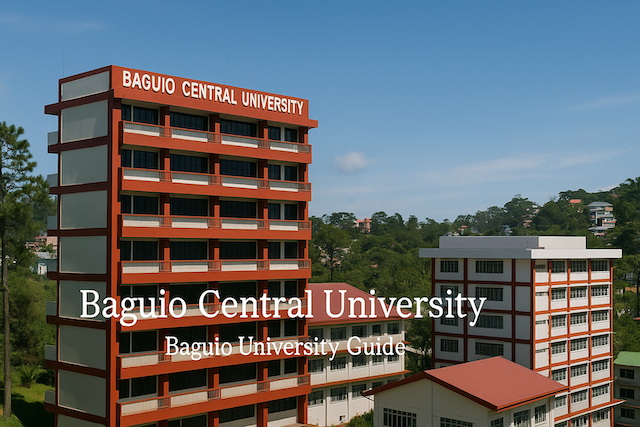
Baguio Central University (BCU): Baguio University Guide
Contents
- Baguio Central University (BCU): Baguio University Guide
- Overview of Baguio Central University
- Academic Programs at BCU
- Campus Facilities and Learning Environment
- Student Life at BCU
- Admissions Process
- Why Choose Baguio Central University?
- Final Thoughts
- FAQs (Frequently Asked Questions)
- What type of institution is Baguio Central University (BCU)?
- What academic programs are offered at BCU?
- Is BCU a good choice for aspiring teachers?
- How strong is the Nursing and health-related training at BCU?
- What career paths can Criminology graduates from BCU pursue?
- Does BCU have business and hospitality programs?
- What is student life like at BCU?
- What facilities are available on the BCU campus?
- Is BCU affordable compared to other universities in Baguio?
- Does BCU accept international or out-of-town students?
- How does the admissions process at BCU usually work?
- Does BCU offer scholarships or financial assistance?
- Is BCU a good fit for me?
- Where can I get the most accurate and updated information about BCU?
Baguio Central University (BCU): Baguio University Guide
Baguio Central University (BCU) is one of the long-standing private higher education institutions in Baguio City, known for its community-focused mission, accessible tuition options, and strong academic programs. Over the years, BCU has built a reputation for offering practical and industry-driven education, especially in fields such as Education, Nursing, Criminology, Business, and Hospitality. For students—whether local or international—who are looking for an affordable, supportive, and values-oriented university environment, BCU remains a popular choice.
This guide provides a comprehensive overview of Baguio Central University, including its academic offerings, campus facilities, student life, admissions process, and what makes BCU stand out among Baguio’s educational institutions.
Overview of Baguio Central University
Baguio Central University was founded with the goal of providing accessible education to students from various backgrounds. Over the decades, the university has expanded its programs and facilities, adapting to the academic demands of modern industries without losing its foundational commitment to community development.
BCU’s approach to education highlights practical competency, character building, and real-world experience. Many of its programs incorporate hands-on training, industry partnerships, and practicum opportunities in local and regional institutions.
Its location in Baguio City—an educational hub in Northern Luzon—adds to its appeal, offering students a comfortable climate, a vibrant student community, and access to numerous academic and professional opportunities.
Academic Programs at BCU
BCU offers a wide selection of undergraduate, graduate, and vocational programs. These programs focus on building strong foundational knowledge while ensuring students gain practical skills for employment or advanced studies.
College of Teacher Education
One of the university’s strongest departments, the College of Teacher Education prepares students to become competent educators at both elementary and secondary levels. Programs emphasize pedagogy, curriculum development, classroom management, and field experience through practice teaching in partner schools.
College of Nursing
The Nursing program is designed to develop compassionate, well-trained healthcare practitioners. Students receive training in anatomy, physiology, medical-surgical nursing, psychiatric nursing, community health, and clinical rotations in accredited hospitals within the region.
College of Criminology
BCU’s Criminology program offers a balanced foundation in law enforcement, forensic science, criminal psychology, and justice administration. This program is popular among students aiming for careers in the police force, investigation units, corrections, or forensic specialties.
College of Business and Accountancy
This college focuses on entrepreneurial thinking and administrative competence. Programs include Business Administration, Accountancy, Marketing, and Financial Management. Students participate in case studies, internships, and feasibility studies to prepare them for business and corporate roles.
College of Hospitality and Tourism Management
Given Baguio’s strong tourism industry, BCU’s Hospitality and Tourism programs provide students with extensive training in hotel operations, food and beverage management, tour guiding, and event management. Internships in local hotels and tourist establishments enhance students’ hands-on learning.
Graduate Studies
BCU also offers graduate programs for professionals who wish to advance their careers, with master’s degrees available in education, business, and public administration.
Technical and Vocational Programs
Short courses and TESDA-certified programs are available for students seeking fast-track training and job-ready skills. These programs cater to hospitality, caregiving, technical trades, and office administration.
Campus Facilities and Learning Environment
BCU’s campus is designed to support academic growth and student engagement. While modest compared to larger universities, BCU offers functional and accessible facilities that meet the needs of its diverse student population.
Classrooms and Laboratories
The campus features updated classrooms, science laboratories, computer labs, and simulation rooms for programs such as Nursing and Criminology. These facilities are essential for hands-on learning and practical examinations.
Library and Learning Resources
BCU maintains a library equipped with books, journals, digital resources, and study spaces. The library supports students in completing coursework, research papers, and independent study.
Community Spaces
The university has multipurpose halls, student lounges, and open areas where students can socialize, collaborate, and organize academic or extracurricular activities.
Practicum and Industry Partnerships
BCU’s partnerships with local institutions—including schools, hospitals, police agencies, and businesses—provide essential training opportunities for students. This enhances their readiness for employment and gives them exposure to real-world professional environments.
Student Life at BCU
BCU fosters a welcoming and community-oriented atmosphere. Students are encouraged to participate in extracurricular activities, leadership roles, and volunteer programs that help build character and interpersonal skills.
Student Organizations
A wide variety of student clubs are available, including academic societies, cultural groups, religious organizations, sports teams, and volunteer groups. These organizations offer opportunities for personal growth and social engagement.
Events and Activities
BCU regularly holds events such as orientation week, intramurals, cultural showcases, academic competitions, and community outreach programs. These activities strengthen the sense of belonging among students.
Support Services
The university provides guidance counseling, academic advising, health services, and career support to assist students in managing both academic responsibilities and personal challenges.
Admissions Process
BCU’s admissions process is straightforward and designed to be accessible for local and international applicants. Requirements may vary by program, but the general process follows these steps:
Step 1: Application Submission
Prospective students complete an application form online or on-campus. Required documents typically include high school or previous college credentials, a birth certificate, and identification photos.
Step 2: Entrance Evaluation
Some programs may require entrance examinations or interviews, especially those in Nursing, Education, and Criminology. The evaluation process ensures that applicants meet the academic standards of the program.
Step 3: Enrollment
Once accepted, students proceed with enrollment by submitting additional documents, selecting courses, and paying initial fees.
Step 4: Orientation
Newly enrolled students attend orientation programs to familiarize themselves with campus facilities, academic policies, and student services.
Why Choose Baguio Central University?
BCU offers several advantages for students who are looking for an affordable and supportive learning environment:
Affordable Tuition
Compared to many private institutions in Baguio, BCU is known for offering accessible tuition and flexible payment plans.
Strong Education and Criminology Programs
These flagship programs are well-regarded and attract many students each year.
Community-Oriented Culture
BCU emphasizes values formation, social responsibility, and community involvement—qualities that resonate with students seeking meaningful educational experiences.
Convenient Location
The university’s central location makes it easy for students to access transportation, dormitories, restaurants, and other essential services in Baguio City.
Opportunities for Practical Experience
With strong ties to local industries and institutions, BCU ensures students gain real-world skills relevant to their chosen careers.
Final Thoughts
Baguio Central University is an excellent choice for students seeking a holistic, affordable, and community-driven education in Baguio City. Its strong academic programs, supportive environment, and commitment to hands-on training make it a standout institution in the region.
Whether you are planning to pursue a degree in Education, Nursing, Criminology, Business, Hospitality, or other fields, BCU provides the resources and opportunities needed to achieve your academic and career goals.
FAQs (Frequently Asked Questions)
What type of institution is Baguio Central University (BCU)?
Baguio Central University (BCU) is a private higher education institution in Baguio City that offers a range of undergraduate, graduate, and technical–vocational programs. It is known for accessible tuition rates, community-oriented values, and practical, industry-aligned training. BCU serves both local and out-of-town students who are looking for affordable education with strong hands-on components.
What academic programs are offered at BCU?
BCU offers programs in Education, Nursing, Criminology, Business and Accountancy, and Hospitality and Tourism Management, as well as various technical and vocational courses. There are also graduate programs for professionals who want to pursue master’s degrees in fields such as education, business, or public administration. Program availability may change, so applicants should always confirm the latest list of courses directly with the university.
Is BCU a good choice for aspiring teachers?
Yes, BCU is widely recognized for its College of Teacher Education. The program typically includes coursework on pedagogy, curriculum development, classroom management, and educational assessment, along with practice teaching in partner schools. This combination of theory and fieldwork makes BCU a practical option for students who aim to become elementary or secondary school teachers in the future.
BCU’s Nursing program focuses on building both clinical skills and compassionate care. Students usually study key areas like anatomy, physiology, medical–surgical nursing, community health, and psychiatric nursing. Clinical exposure is often done in affiliated hospitals and health centers, giving students real-world experience. However, applicants should verify current accreditation status, board performance, and training partners through official sources before enrolling.
What career paths can Criminology graduates from BCU pursue?
Graduates of the Criminology program at BCU may pursue careers in law enforcement, investigation, corrections, security, or forensic-related services, depending on their qualifications and licensing. The program generally covers criminal law, forensic science, criminal psychology, and police administration, which prepares students for government examinations and agency recruitment, subject to meeting all legal and regulatory requirements.
Does BCU have business and hospitality programs?
Yes, BCU offers Business Administration, Accountancy, and related business programs that focus on management, finance, marketing, and entrepreneurship. The Hospitality and Tourism programs are particularly relevant to Baguio’s tourism-driven economy. Students often learn hotel operations, food and beverage service, front office management, and tour operations, and may complete internships in hotels, restaurants, and travel-related businesses.
What is student life like at BCU?
Student life at BCU is generally characterized by a close-knit, community-oriented atmosphere. Students can join academic clubs, sports teams, cultural groups, and service organizations. The university also organizes events such as orientations, intramurals, cultural presentations, and outreach activities. These experiences provide opportunities for leadership development, social interaction, and community involvement alongside regular coursework.
What facilities are available on the BCU campus?
BCU typically provides standard academic facilities such as classrooms, science laboratories, computer labs, simulation rooms for programs like Nursing or Criminology, and a library with print and digital resources. There are also student common areas and multipurpose halls where events and meetings are held. The exact facilities and their condition can evolve over time, so prospective students are encouraged to visit the campus or request an updated facilities overview.
Is BCU affordable compared to other universities in Baguio?
BCU is often considered more affordable than many larger private universities in the region, and it commonly offers flexible payment schemes. However, “affordable” is relative to a student’s financial situation, and tuition and miscellaneous fees may change every school year. It is important to check the latest official fee schedules, scholarship options, and payment plans directly with the university’s admissions or finance office.
Does BCU accept international or out-of-town students?
BCU primarily serves Filipino students but may also accept out-of-town and international applicants who meet its admission and visa requirements. For non-local or international students, it is important to confirm admission procedures, English language requirements (if any), and documentation needed, such as passports, visas, or special study permits, through official university channels or government agencies.
How does the admissions process at BCU usually work?
In general, applicants begin by completing an application form and submitting basic documents such as high school or previous college records, birth certificate, and identification photos. Some programs, especially competitive ones like Nursing, Education, or Criminology, may require entrance exams or interviews. Once accepted, students proceed to enrollment, which includes paying fees, choosing subjects, and attending orientation. Since policies can change, applicants should always refer to the current admissions guidelines issued by BCU.
Does BCU offer scholarships or financial assistance?
Many institutions similar to BCU offer scholarships, government-funded grants, or discounts for qualified students, such as academic scholars, student leaders, athletes, or those under specific financial aid programs. The availability, eligibility criteria, and application process for scholarships and assistance are determined by the university and relevant agencies. Prospective students should inquire directly with BCU’s scholarships or registrar’s office for up-to-date information.
Is BCU a good fit for me?
BCU may be a good fit if you are looking for an institution that balances affordability, practical training, and a community-focused environment. It can be especially attractive for students interested in Education, Nursing, Criminology, Business, or Hospitality programs. To decide if it matches your goals, consider your budget, preferred learning style, desired program, and long-term career plans, and compare BCU with other institutions in Baguio based on official and current information.
Where can I get the most accurate and updated information about BCU?
For the most reliable and updated details—such as current program offerings, tuition and fees, accreditation status, admission schedules, and campus policies—you should contact Baguio Central University directly through its official website, admissions office, or verified social media pages. Information in guides like this is meant to be general and may not reflect the latest changes, so always confirm important decisions using official sources.
Baguio University Guide
Baguio Province All Universities Lists
Philippines University Guide

How to Register for eTravel Philippines (2025 Guide)
Step-by-step guide to completing your eTravel registration before arriving in the Philippines, with images and tips.

Night Market in Cebu – Things You Don’t Know About Cebu Life
Discover the hidden charm of Cebu’s night markets, from street food stalls to local life tips you won’t find in tourist guides.

How to Use ChatGPT for IELTS Preparation: A Complete Guide
Learn how to prepare for IELTS using ChatGPT — including strategies for Writing, Reading, Listening, Speaking, and grammar support.

How to Build a Website Without Coding Using ChatGPT
Discover how to build your own website using AI—no coding skills needed. From structure planning to SEO and design, let ChatGPT guide you.