2025年12月31日
3D ACADEMY offers affordable English study programs in Cebu, Philippines – perfect for beginners, professionals, and exam takers.

3D UNIVERSAL ENGLISH INSTITUTE INC
info.3d-universal.com
8:00-17:00(Mon-Fri)
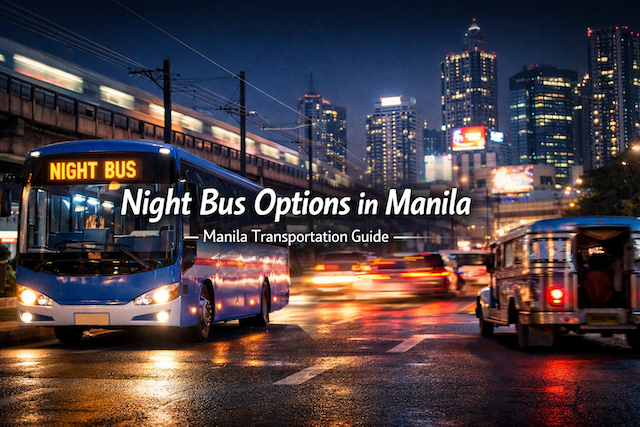
Night Bus Options in Manila: Manila Transportation Guide
Contents
- Night Bus Options in Manila: Manila Transportation Guide
- Understanding Night Transportation in Manila
- EDSA Busway Night Operations
- Traditional City Buses at Night
- Airport Bus Services at Night
- Provincial Night Buses Passing Through Manila
- Jeepneys as a Nighttime Alternative
- UV Express Vans at Night
- Safety Tips for Riding Buses at Night in Manila
- Payment Methods for Night Buses
- Night Buses vs Taxis and Ride-Hailing
- Planning Night Travel in Manila
- Common Mistakes First-Time Travelers Make
- Is Manila Improving Its Night Transport?
- Final Thoughts: Are Night Buses in Manila Reliable?
- FAQs (Frequently Asked Questions)
- Do night buses run 24/7 in Manila?
- What is the best night bus option for beginners or tourists?
- How late does the EDSA Busway operate?
- Are night buses safe in Manila?
- Which areas in Manila are more likely to have buses at night?
- Can I use night buses to get to the airport (NAIA)?
- Do night buses accept cash, or do I need a transport card?
- What should I do if no buses are coming?
- Are jeepneys and UV Express available at night too?
- Is it better to take a taxi or ride-hailing instead of a night bus?
- How can I reduce risk when riding public transport at night?
- What is the most common mistake travelers make with night buses in Manila?
Night Bus Options in Manila: Manila Transportation Guide
Traveling around Metro Manila at night can feel challenging for first-time visitors and even for long-term residents. While the city’s train systems (MRT and LRT) usually stop operating late in the evening, buses continue to play a crucial role in nighttime mobility. From late-night commuters finishing work shifts to travelers heading to or from the airport, understanding Manila’s night bus options can save time, money, and stress.
This guide explains what night bus services exist in Manila, where they operate, how reliable they are, and how to use them safely. It is designed for tourists, digital nomads, expats, and local commuters who need practical, realistic information rather than idealized timetables.
Understanding Night Transportation in Manila
Metro Manila does not have a fully centralized “night bus system” like some major global cities. Instead, nighttime transportation is a combination of limited formal services and informal yet reliable local routes.
Key points to understand:
-
Most regular city buses reduce frequency after 10:00 PM.
-
Some major corridors still have buses operating late or overnight.
-
Jeepneys, UV Express vans, and taxis often fill the gaps.
-
Night travel patterns vary depending on weekdays, weekends, and holidays.
Knowing where to look and what to expect is essential for planning nighttime trips.
EDSA Busway Night Operations
The EDSA Busway is the backbone of modern bus transportation in Metro Manila, and it is one of the most reliable options for late-night travel.
Does the EDSA Busway Operate at Night?
EDSA Busway services typically operate from early morning until late evening. However:
-
On some days, extended or limited late-night operations are available, especially during peak seasons or special events.
-
Overnight operations are not guaranteed daily.
-
Final trips often depart between 10:00 PM and 11:00 PM, depending on the station and traffic conditions.
Why the EDSA Busway Is Important at Night
Even with reduced schedules, the EDSA Busway remains useful because:
-
It serves major business and residential areas.
-
Stations are well-lit and guarded.
-
Payment systems are more organized than traditional buses.
If you are traveling close to closing hours, always arrive early and confirm the last trip at the station.
Traditional City Buses at Night
Traditional buses continue to operate along major roads after dark, though frequency drops significantly.
Common Night Bus Corridors
You are more likely to find buses late at night along:
-
EDSA
-
Taft Avenue
-
Rizal Avenue (Avenida)
-
Commonwealth Avenue
-
Quezon Avenue
These routes connect large residential zones with commercial centers and transport hubs.
What to Expect from Night Buses
Night buses in Manila are:
-
Less frequent (wait times of 20–40 minutes are common)
-
More dependent on demand
-
Sometimes unmarked or harder to identify for first-time users
Despite these challenges, they remain an affordable option for long-distance night travel.
Airport Bus Services at Night
For travelers arriving late or departing early, airport buses are among the most reliable night transportation options.
NAIA Airport Bus Availability
Airport buses typically:
-
Operate later than city buses
-
Connect NAIA terminals with major hubs like PITX
-
Have more predictable schedules than standard routes
While not always 24 hours, airport buses are far more consistent at night compared to regular city routes.
Who Should Use Airport Buses
Airport buses are ideal for:
-
Tourists with luggage
-
Late-night arrivals unfamiliar with jeepneys
-
Travelers seeking safer, organized transport
They cost more than standard buses but offer greater peace of mind.
Provincial Night Buses Passing Through Manila
Another overlooked option is provincial buses that pass through Metro Manila overnight.
How Provincial Night Buses Work
These buses:
-
Travel between Metro Manila and nearby provinces
-
Often operate overnight to avoid daytime traffic
-
Pick up passengers along major roads and terminals
Examples include routes heading toward:
-
North Luzon
-
South Luzon
-
Batangas
-
Pampanga
-
Laguna
Is This Option Practical for City Travel?
Provincial buses are useful if:
-
Your destination lies directly along their route
-
You are familiar with pickup and drop-off points
They are less suitable for short city trips but can work for long-distance night travel.
Jeepneys as a Nighttime Alternative
While not buses in the strict sense, jeepneys are one of the most dependable forms of night transport in Manila.
Why Jeepneys Matter at Night
Jeepneys:
-
Operate longer hours than buses
-
Serve neighborhood-level routes
-
Continue running until demand drops, sometimes past midnight
Many essential routes remain active late at night, especially near markets, hospitals, and nightlife districts.
Limitations of Jeepneys at Night
Despite their availability:
-
Routes can be confusing for newcomers
-
Stops are informal
-
Comfort and safety vary by area
They are best used when you already understand the route.
UV Express Vans at Night
UV Express vans sometimes operate during late hours, especially in high-demand corridors.
Typical Night UV Routes
Night UV services often connect:
-
Business districts
-
Large residential areas
-
Transport terminals
However, operations depend heavily on passenger volume.
Pros and Cons of UV Express at Night
Pros:
-
Faster than buses
-
More comfortable seating
Cons:
-
Higher fares
-
Unpredictable schedules late at night
They are a useful backup rather than a primary plan.
Safety Tips for Riding Buses at Night in Manila
Safety should always be a priority when traveling at night.
Choose Well-Lit Areas
Always:
-
Wait at well-lit stops
-
Stay near other passengers
-
Avoid isolated roadside boarding points
Keep Belongings Secure
-
Use anti-theft bags
-
Keep phones discreet
-
Avoid displaying valuables
Trust Your Instincts
If something feels off:
-
Skip the ride
-
Wait for the next bus
-
Use a taxi or ride-hailing app instead
Your safety is worth the extra cost.
Payment Methods for Night Buses
Night buses generally accept:
-
Cash payments
-
Stored-value cards (on select routes like EDSA Busway)
Always carry small bills at night, as drivers may not have change.
Night Buses vs Taxis and Ride-Hailing
Many travelers debate whether night buses are worth it compared to taxis.
When Night Buses Make Sense
-
You are traveling along a major corridor
-
Budget is a concern
-
You are comfortable with local transport
When Taxis or Ride-Hailing Are Better
-
Very late hours (after midnight)
-
Short or complex routes
-
Carrying heavy luggage
Combining both options often works best.
Planning Night Travel in Manila
Successful night travel requires preparation.
Before You Go
-
Identify your route during daytime
-
Know alternative transport options
-
Save emergency contacts
During the Trip
-
Monitor your location
-
Communicate with someone you trust
-
Stay alert
Night buses are manageable when approached with realistic expectations.
Common Mistakes First-Time Travelers Make
Avoid these common errors:
-
Assuming buses run 24 hours
-
Waiting too long at empty stops
-
Not having backup transport plans
Understanding local patterns makes all the difference.
Is Manila Improving Its Night Transport?
Metro Manila continues to modernize its transport system, and nighttime services are gradually improving. While still limited compared to daytime options, organized corridors like EDSA Busway and airport routes show clear progress.
Future expansions may bring:
-
More predictable night schedules
-
Improved lighting and security
-
Better passenger information
For now, adaptability remains essential.
Final Thoughts: Are Night Buses in Manila Reliable?
Night bus options in Manila exist, but they require flexibility and local awareness. While not perfectly reliable, they can be:
-
Affordable
-
Practical along major routes
-
Useful when trains are unavailable
For travelers who understand their limitations and plan ahead, night buses can be a viable part of getting around Metro Manila after dark.
FAQs (Frequently Asked Questions)
Do night buses run 24/7 in Manila?
Not usually. Metro Manila does not have a single, citywide night bus network that reliably operates 24/7 every day. Some routes run late into the evening, and a few corridors may have limited overnight service depending on demand, traffic policies, or special events. In many cases, bus frequency drops sharply after around 10:00 PM, and service can stop earlier than travelers expect. If you must travel after midnight, prepare backup options such as ride-hailing, taxis, or a combination of jeepneys and short taxi rides.
What is the best night bus option for beginners or tourists?
If you are new to Manila, the most beginner-friendly choices are organized services such as airport buses (when available late) and structured routes that use designated stations, like EDSA Busway services during late-evening hours. These options usually have clearer boarding areas, better lighting, and more predictable passenger flow compared with informal roadside pickups. Tourists should avoid improvising at isolated stops at night and instead travel from major terminals, well-known stations, or busy commercial areas.
How late does the EDSA Busway operate?
EDSA Busway operating hours can change depending on government announcements, route adjustments, and operational policies. In general, it runs from early morning until late evening, but “late evening” does not always mean midnight. Some days may have extended operations, while others may end earlier. Because exact last-trip times can vary by station, it is smart to arrive early if you are traveling near closing time and to ask personnel or check posted notices at the station whenever possible.
Are night buses safe in Manila?
Night bus safety depends heavily on the route, boarding location, and time of night. Traveling from well-lit, busy terminals and staying near other passengers improves safety. Avoid empty sidewalks, dark roadside pickups, and areas with low foot traffic. Keep valuables secure and discreet, and stay aware of your surroundings. For many travelers, early-night bus trips (around 7:00 PM to 10:00 PM) feel much more comfortable than very late-night trips after midnight.
Which areas in Manila are more likely to have buses at night?
Buses are more likely to operate later on major corridors where demand remains high, such as EDSA, Taft Avenue, Quezon Avenue, Commonwealth Avenue, and certain routes near transport terminals. Areas with hospitals, call centers, major malls, and business districts also tend to have more late-night movement. Still, don’t assume a route is active just because it exists during the day—night frequency is often much lower, and service may stop without obvious signage.
Can I use night buses to get to the airport (NAIA)?
Sometimes, yes. Airport bus services are among the more reliable night transport options because they serve passengers arriving and departing at different hours. However, availability depends on the specific route and terminal connection. Some airport bus lines run later than standard city buses but may not be truly 24/7. If you have an early flight or late arrival, confirm your plan in advance and consider ride-hailing as a backup, especially if you are carrying luggage.
Do night buses accept cash, or do I need a transport card?
Most traditional buses still accept cash, especially outside structured systems. Some modern services may use stored-value cards or specific payment rules depending on the route operator and station setup. At night, having small bills is important because drivers and conductors may not have enough change. If you plan to rely on bus travel after dark, keep an emergency amount of cash separate from your wallet as a precaution.
What should I do if no buses are coming?
First, reassess your location. If you are waiting at an isolated stop, move to a brighter, busier area such as a mall entrance, a major intersection with foot traffic, or a transport terminal. Second, switch to an alternative: ride-hailing, a taxi from a safe pickup point, or a jeepney route if you understand the signs. Third, avoid waiting too long—if 20 to 40 minutes pass with no activity, assume service may have ended and move to your backup plan.
Are jeepneys and UV Express available at night too?
Often, yes. In many areas, jeepneys run later than buses because they operate based on demand and local commuting patterns. UV Express vans can also appear in the evening, especially on high-demand commuter corridors, but late-night service is less predictable. These options can be helpful when buses become scarce, but routes can be confusing for first-time visitors. If you are unsure, ask a local security guard, shop staff, or terminal personnel rather than guessing.
Is it better to take a taxi or ride-hailing instead of a night bus?
It depends on your priorities. Night buses are cheaper and can work well on major corridors during early night hours. But taxis and ride-hailing are usually better if it’s very late, you have luggage, your route is complex, or you want door-to-door travel. If safety and convenience matter more than cost, ride-hailing is often the most stress-free choice at night. Many travelers use a hybrid strategy: bus for the main corridor, then taxi for the final short distance.
How can I reduce risk when riding public transport at night?
Use practical habits: travel earlier when possible, avoid empty stops, sit near other passengers, keep your phone out of sight when not needed, and avoid falling asleep on public transport. Share your live location with a trusted contact if available. If you feel uncomfortable, leave the situation calmly and move to a safer public area. Night travel is common in Manila, but smart planning and situational awareness are essential.
What is the most common mistake travelers make with night buses in Manila?
The biggest mistake is assuming the schedule is fixed and universal. Manila’s night bus availability varies by route, day, and demand. Travelers often underestimate how quickly service can thin out after 9:00 PM to 10:00 PM. The best approach is to plan a primary route plus at least one backup. If you treat night buses as “possible but not guaranteed,” you’ll make better decisions and avoid being stranded.

How to Register for eTravel Philippines (2025 Guide)
Step-by-step guide to completing your eTravel registration before arriving in the Philippines, with images and tips.

Night Market in Cebu – Things You Don’t Know About Cebu Life
Discover the hidden charm of Cebu’s night markets, from street food stalls to local life tips you won’t find in tourist guides.

How to Use ChatGPT for IELTS Preparation: A Complete Guide
Learn how to prepare for IELTS using ChatGPT — including strategies for Writing, Reading, Listening, Speaking, and grammar support.

How to Build a Website Without Coding Using ChatGPT
Discover how to build your own website using AI—no coding skills needed. From structure planning to SEO and design, let ChatGPT guide you.