2025年12月31日
3D ACADEMY offers affordable English study programs in Cebu, Philippines – perfect for beginners, professionals, and exam takers.

3D UNIVERSAL ENGLISH INSTITUTE INC
info.3d-universal.com
8:00-17:00(Mon-Fri)
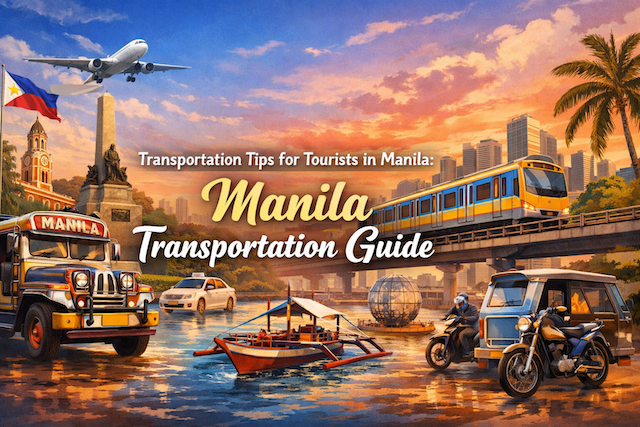
Transportation Tips for Expats Living in Manila
Contents
- Transportation Tips for Expats Living in Manila
- Understanding Manila’s Transportation Landscape
- Choosing Where to Live Based on Commute
- Using Ride-Hailing Apps for Daily Mobility
- Taxis: What Expats Should Know
- Learning the MRT and LRT Train Systems
- Jeepneys: Cultural Icon with Practical Limits
- Buses and Modern Bus Systems
- Walking and Micromobility in the City
- Owning a Car: Pros and Cons for Expats
- Hiring a Driver or Using Car Services
- Managing Rush Hour and Travel Timing
- Transportation During the Rainy Season
- Safety Tips for Expats Using Public Transport
- Budgeting for Transportation as an Expat
- Long-Term Adaptation and Mindset
- Final Thoughts on Living and Moving Around Manila
- Frequently Asked Questions (FAQs)
- What is the best daily transportation option for expats living in Manila?
- Is it safe to use public transportation in Manila as an expat?
- Should I rely on taxis or ride-hailing apps?
- How do I avoid getting stuck in Manila traffic?
- Are MRT and LRT trains practical for expats?
- Do expats use jeepneys, or should I avoid them?
- What is the smartest way to plan my “home base” as an expat?
- Is owning a car worth it in Manila?
- How should I handle transportation during the rainy season?
- How much should I budget monthly for transportation as an expat?
- What are the best habits to develop for long-term commuting success in Manila?
Transportation Tips for Expats Living in Manila
Living in Manila as an expat means adapting to one of Southeast Asia’s most complex and dynamic transportation environments. The city offers many ways to get around, from modern ride-hailing apps to traditional jeepneys, but traffic congestion, varying comfort levels, and informal rules can be challenging at first. This guide is designed for expats who plan to live and work in Manila long-term and want practical, realistic transportation tips that go beyond what short-term tourists usually need.
Understanding Manila’s Transportation Landscape
Manila does not have a single, unified public transportation system. Instead, it relies on a mix of buses, trains, jeepneys, tricycles, taxis, and private vehicles. Each option serves a different purpose, and most residents combine several modes depending on distance, time of day, and budget.
Traffic congestion is a defining feature of daily life. Travel time is often unpredictable, especially during weekday rush hours and the rainy season. For expats, understanding this reality early helps avoid frustration and unrealistic expectations. Living close to work, school, or daily destinations often matters more than finding the cheapest rent.
Choosing Where to Live Based on Commute
One of the most important transportation decisions an expat makes is choosing a neighborhood. Areas like Makati, Bonifacio Global City (BGC), Ortigas, and parts of Quezon City are popular because they offer walkability and shorter commutes.
Living within walking distance of your office or essential services can drastically improve quality of life. Even a short car commute can turn into a one- to two-hour journey during peak hours. When viewing apartments, always ask about actual travel times during weekday mornings and evenings, not just distance on a map.
Using Ride-Hailing Apps for Daily Mobility
Ride-hailing apps such as Grab are a cornerstone of expat transportation in Manila. They provide a relatively safe, predictable, and English-friendly option compared to hailing taxis on the street.
Grab offers several vehicle types, from budget options to premium cars, and includes features such as fare estimates, driver tracking, and cashless payment. For new expats, this is often the easiest way to get around during the first few months.
However, surge pricing is common during rush hours and heavy rain. Booking can also take longer when demand is high. Experienced expats often plan trips outside peak times or combine Grab with walking or short public transport rides.
Taxis: What Expats Should Know
Metered taxis are widely available, but service quality varies significantly. Some drivers may refuse to use the meter, especially during peak hours or when rain starts. Others may decline short trips or specific destinations.
As an expat, it is best to insist on using the meter or politely decline and find another taxi. Airport taxis often have different systems, including coupon or fixed-rate taxis, which may be more expensive but are easier for newcomers.
Many long-term expats gradually stop using street taxis and rely more on ride-hailing apps to avoid misunderstandings and inconsistent pricing.
Learning the MRT and LRT Train Systems
Manila has three main urban train lines: MRT-3, LRT-1, and LRT-2. These lines are heavily used by locals and can significantly reduce travel time along specific corridors.
Trains are affordable and relatively fast, but they can be extremely crowded during peak hours. For expats who work regular office hours, using trains outside rush hour can be very practical.
Understanding station locations, transfer points, and operating hours is essential. Trains usually stop running before midnight, so late-night travel requires alternative transportation.
Jeepneys: Cultural Icon with Practical Limits
Jeepneys are the most iconic form of transportation in the Philippines, but they can be intimidating for expats. Routes are not always clearly marked, and payment is informal.
For daily commuting, most expats avoid jeepneys unless they live in areas where they are the primary option. They are extremely affordable but often crowded and not designed with comfort in mind.
That said, learning to use jeepneys can be useful for short local trips and helps with cultural integration. Observing how locals board, pay, and signal stops makes the experience much easier.
Buses and Modern Bus Systems
In recent years, Manila has introduced more organized bus systems, especially along major routes like EDSA. These buses are more regulated, air-conditioned, and often use designated stops.
For expats living near major roads, buses can be a cost-effective alternative to taxis or Grab. Some systems require reloadable cards, while others accept cash.
Compared to jeepneys, buses are generally more comfortable and easier to navigate, though still affected by traffic congestion.
Walking and Micromobility in the City
Walking is possible in certain areas, particularly in BGC, Makati CBD, and newer developments. These areas have better sidewalks, pedestrian crossings, and security.
Outside these zones, walking can be challenging due to uneven sidewalks, street vendors, and traffic. Expats should always remain aware of their surroundings and avoid distracted walking, especially at night.
Electric scooters and bicycles exist but are not yet mainstream. Infrastructure for cycling is improving slowly, but it remains limited compared to other major cities.
Owning a Car: Pros and Cons for Expats
Buying or renting a car may seem attractive, but it comes with significant trade-offs. Traffic congestion, limited parking, and high stress levels often outweigh the convenience.
For expats with families or those living far from work, a car can be useful. However, many long-term residents prefer hiring a driver or using ride-hailing services instead of driving themselves.
If you plan to drive, understanding local driving behavior, road rules, and parking regulations is critical. Defensive driving is essential, as traffic patterns can be unpredictable.
Hiring a Driver or Using Car Services
Some expats choose to hire a full-time or part-time driver, especially those with demanding schedules or families with children. This option reduces stress and allows productive use of travel time.
Costs vary depending on hours and experience, but for some expats, this is a worthwhile investment. It also eliminates concerns about parking, navigation, and traffic enforcement.
Occasional car services with drivers are also available for airport transfers and long-distance trips.
Managing Rush Hour and Travel Timing
Rush hour in Manila is intense and long. Morning congestion typically starts around 6:30 a.m. and can last until 10:00 a.m. Evening rush hour often begins around 4:30 p.m. and continues until 9:00 p.m.
Expats who have flexible work hours should take advantage of off-peak travel whenever possible. Even leaving 30 minutes earlier or later can significantly reduce commute time.
Remote work arrangements, flexible schedules, and strategic errand planning are key coping strategies for long-term residents.
Transportation During the Rainy Season
The rainy season adds another layer of complexity. Heavy rains can cause flooding, slow traffic, and increase demand for ride-hailing services.
During storms, fares rise and availability drops. Expats should allow extra travel time and consider carrying basic rain gear. Knowing alternative routes and nearby shelters is also helpful.
Flood-prone areas vary by neighborhood, so learning local patterns helps avoid being stranded.
Safety Tips for Expats Using Public Transport
Overall, public transportation in Manila is used daily by millions, but expats should take common-sense precautions. Keep valuables secure, avoid displaying expensive electronics, and stay alert in crowded spaces.
At night, it is generally safer to use ride-hailing apps rather than public transport. Stick to well-lit areas and trusted routes, especially if you are new to the city.
Learning basic local etiquette and showing respect goes a long way in avoiding misunderstandings.
Budgeting for Transportation as an Expat
Transportation costs in Manila vary widely depending on lifestyle. Using trains and buses keeps expenses low, while daily ride-hailing or car ownership increases costs significantly.
Many expats find a balance by combining walking, public transport, and Grab depending on the situation. Setting a monthly transportation budget helps manage expenses and avoid surprises.
Compared to many Western cities, transportation can be affordable, but inefficiency and time costs should also be factored in.
Long-Term Adaptation and Mindset
Perhaps the most important tip for expats is adopting the right mindset. Transportation in Manila is less about speed and more about flexibility and patience.
Over time, expats learn which routes work best, when to travel, and which options suit their lifestyle. What feels chaotic at first often becomes manageable with experience.
Accepting that delays happen and planning around them makes daily life far more enjoyable.
Final Thoughts on Living and Moving Around Manila
Transportation is one of the biggest adjustments for expats living in Manila, but it does not have to be a constant struggle. By choosing the right location, understanding available options, and adjusting expectations, expats can navigate the city efficiently and safely.
Manila rewards those who plan strategically and stay adaptable. With time, the city’s transportation system becomes less intimidating and more like a familiar, if imperfect, part of daily life.
Frequently Asked Questions (FAQs)
What is the best daily transportation option for expats living in Manila?
For most expats, the best “default” option is a combination of ride-hailing (such as Grab) plus walking inside business districts like Makati CBD or BGC. Ride-hailing is convenient, usually safer than street taxis, and reduces language or routing misunderstandings. However, it can be expensive during peak hours or heavy rain. Many expats also use MRT/LRT for specific corridors where trains are faster than cars, then switch to a short Grab ride or a short walk for the last mile. The best choice depends on your home location, work schedule, and comfort level with crowds.
Is it safe to use public transportation in Manila as an expat?
Many expats use trains and buses regularly, but safety depends on the route, time, and your awareness. Crowded areas can increase the risk of pickpocketing, especially during rush hour. Keep your phone and wallet secure, avoid flashing expensive items, and stay alert in stations and on platforms. Late at night, ride-hailing is often the safer and more predictable choice. If you are new to Manila, start with more structured options like MRT/LRT and modern bus routes before experimenting with jeepneys or unfamiliar terminals.
Should I rely on taxis or ride-hailing apps?
Most expats prefer ride-hailing apps because pricing is clearer, trips are tracked, and it is easier to handle pickup and destinations in English. Street taxis can be fine, but service quality is inconsistent. Some drivers refuse the meter, especially during rush hours, rain, or when traffic is heavy. If you use taxis, choose metered rides, carry small bills, and politely decline if the driver insists on a fixed price. For airport arrivals, official taxi systems can be easier than negotiating with random taxis outside terminals.
How do I avoid getting stuck in Manila traffic?
You can’t fully avoid traffic, but you can reduce its impact. First, choose housing based on commute reality, not just map distance. Second, shift travel times when possible: leaving 30 to 60 minutes earlier (or later) can make a major difference. Third, use trains for corridors where they provide a reliable time advantage. Fourth, batch errands: do multiple tasks in one trip rather than repeated short rides during peak hours. Finally, build buffer time into your schedule, especially for airport trips, important meetings, and rainy-season travel.
Are MRT and LRT trains practical for expats?
Yes, especially if your route aligns with the rail lines. Trains are inexpensive and can be faster than road travel during rush hour. The biggest downside is crowding, which can be intense on weekdays. If you are comfortable with busy stations, trains can be an excellent commuting tool. Many expats choose trains during off-peak periods and use ride-hailing during peak hours when they want more comfort. Learning the station names near your home and workplace and practicing a route on a weekend can make weekday commuting easier.
Do expats use jeepneys, or should I avoid them?
Some expats use jeepneys for short, local routes, but many avoid them for daily commuting because routes are less standardized and comfort is lower. Jeepneys can also feel confusing at first because payment is informal and signage can be unclear. If you want to try jeepneys, start with a simple route in daylight, ride with a local friend if possible, and watch how passengers signal stops and pass fares. Think of jeepneys as an optional skill that can be useful in certain neighborhoods rather than a primary expat transportation solution.
What is the smartest way to plan my “home base” as an expat?
Pick your neighborhood based on the places you will visit most: office, school, gym, grocery, and social areas. If you work in Makati or BGC, living nearby can save hours every week. If you must commute across EDSA or between major districts, expect unpredictable travel times and plan accordingly. When viewing apartments, test the route at the exact time you would normally travel. In Manila, location is often the most important factor for quality of life because daily transportation is time-expensive.
Is owning a car worth it in Manila?
For many expats, owning a car is not necessary and can add stress. Traffic congestion, parking limitations, and maintenance costs often outweigh the convenience. A car may be useful if you have a family, live far from your workplace, or frequently travel outside Metro Manila. Some expats prefer hiring a driver or using ride-hailing for most trips, which avoids the daily burden of navigating traffic. If you decide to drive, prioritize defensive driving habits and learn local traffic patterns before relying on a car for daily commuting.
How should I handle transportation during the rainy season?
Rain changes everything: traffic slows, flooding can occur, and ride-hailing demand spikes. On days with heavy rain, leave earlier than usual and expect longer booking times. Carry a small umbrella or rain jacket and protect electronics in waterproof pouches. If possible, avoid low-lying areas known for flooding and choose indoor pickup points (mall entrances, covered lobbies) rather than waiting on the street. It also helps to keep alternative routes in mind, since some roads may become temporarily impassable after intense rainfall.
How much should I budget monthly for transportation as an expat?
Your budget depends on how often you use ride-hailing versus public transport and how far you commute. If you rely heavily on Grab for daily commuting, costs can rise quickly, especially during surge pricing. If you combine MRT/LRT and occasional ride-hailing, transportation can remain relatively affordable. A practical approach is to track expenses for your first month, then set a realistic monthly cap based on your lifestyle. Also consider the “time cost” of cheaper options: sometimes paying more for a faster, predictable ride is worth it.
What are the best habits to develop for long-term commuting success in Manila?
Successful expats treat transportation as a system, not a single choice. They learn multiple routes, keep flexible timing, and avoid committing to one mode of travel for every situation. Build a small routine: know your nearest train station, your best pickup points for ride-hailing, and your backup plan when it rains. Keep small bills for occasional cash payments, and always allow buffer time. Over time, Manila becomes easier when you accept that flexibility, patience, and smart location choices are the real “transportation hacks.”

How to Register for eTravel Philippines (2025 Guide)
Step-by-step guide to completing your eTravel registration before arriving in the Philippines, with images and tips.

Night Market in Cebu – Things You Don’t Know About Cebu Life
Discover the hidden charm of Cebu’s night markets, from street food stalls to local life tips you won’t find in tourist guides.

How to Use ChatGPT for IELTS Preparation: A Complete Guide
Learn how to prepare for IELTS using ChatGPT — including strategies for Writing, Reading, Listening, Speaking, and grammar support.

How to Build a Website Without Coding Using ChatGPT
Discover how to build your own website using AI—no coding skills needed. From structure planning to SEO and design, let ChatGPT guide you.