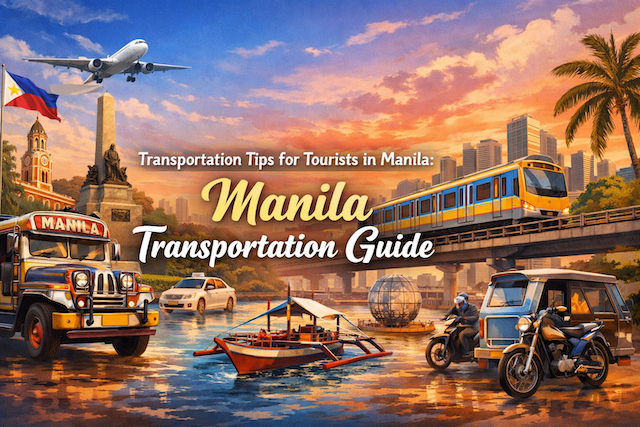
Transportation Tips for Tourists in Manila: Manila Transportation Guide
Manila is a vast, energetic, and sometimes overwhelming metropolis. For first-time visitors, transportation can feel confusing due to traffic congestion, multiple transport options, and unfamiliar systems. However, with the right knowledge and preparation, getting around Manila can be manageable, affordable, and even enjoyable.
This guide provides practical, tourist-focused transportation tips to help you move safely and efficiently around Manila, whether you are visiting for a few days or staying longer.
Understand Manila’s Traffic Reality
One of the most important things to know before traveling around Manila is that traffic congestion is part of daily life. Travel times can vary dramatically depending on the time of day, weather, road conditions, and local events.
Even short distances can take much longer than expected, especially during rush hours on weekdays. Planning your schedule with extra buffer time is essential. If you have tours, flights, or reservations, always allow more time than what navigation apps suggest.
Choose the Right Transportation Option for Your Trip
Manila offers a wide range of transportation options, each suitable for different travel needs, budgets, and comfort levels.
Jeepneys, buses, trains, taxis, and ride-hailing services all coexist. As a tourist, selecting the right option for each situation can save time and reduce stress. For example, ride-hailing services work best for door-to-door trips, while trains are useful for avoiding traffic along major routes.
Use Ride-Hailing Apps for Convenience
Ride-hailing apps such as Grab are widely used in Manila and are one of the safest and most convenient options for tourists.
With a ride-hailing app, you avoid fare negotiations, language barriers, and route confusion. Prices are shown upfront, drivers are tracked, and trips are logged digitally. This is especially useful when traveling late at night, carrying luggage, or visiting unfamiliar neighborhoods.
Make sure to download and set up the app before arriving, and consider linking a credit card for cashless payments.
Be Careful with Regular Taxis
Metered taxis are available throughout Manila, but experiences can vary. Some drivers may refuse to use the meter, overcharge tourists, or avoid certain destinations during peak hours.
If you choose to use taxis, look for well-maintained vehicles from reputable companies and insist on using the meter. If a driver refuses, it is better to exit and find another taxi. At airports and major hotels, coupon taxis or fixed-rate taxis are often more reliable.
Learn the Basics of Jeepney Travel
Jeepneys are the most iconic form of public transportation in Manila. They are colorful, affordable, and operate on fixed routes, but they can be confusing for tourists.
Routes are usually displayed on the side of the vehicle, but signage can be unclear. Jeepneys do not have formal stops; passengers signal to get on and off. Fares are paid in cash, often by passing money forward through other passengers.
For tourists seeking a local experience and short trips, jeepneys can be interesting, but they are not ideal for carrying luggage or navigating unfamiliar routes.
Understand Train Systems and Their Limits
Manila has several train lines, including LRT and MRT systems. Trains are often the fastest way to travel along major corridors, especially during rush hours.
However, trains can become extremely crowded, particularly during weekday mornings and evenings. Stations may have long queues, and services can be disrupted by maintenance or technical issues.
If you plan to use trains, avoid peak hours when possible and secure your belongings due to close contact with other passengers.
Avoid Rush Hours Whenever Possible
Rush hours in Manila typically occur from early morning to mid-morning and from late afternoon to evening on weekdays. During these times, roads are congested, trains are packed, and waiting times increase significantly.
Tourists should plan sightseeing, shopping, and transfers outside peak hours. Early afternoons and late evenings generally offer smoother travel experiences.
Keep Small Bills and Coins Ready
Many public transportation options in Manila rely on cash payments. Jeepneys, buses, and some taxis may not have change for large bills.
Always carry small denominations to avoid delays or disputes. This is especially important when riding jeepneys or buses, where exact or near-exact fare is expected.
Prioritize Safety and Awareness
While most trips in Manila are safe, tourists should remain alert, especially in crowded areas. Pickpocketing can occur on public transport and in busy stations.
Keep bags closed and in front of you, avoid using phones near open windows, and be cautious when handling cash. At night, stick to well-lit areas and avoid isolated stops.
Using ride-hailing services instead of street transport is recommended when traveling late at night.
Plan Airport Transportation in Advance
Manila’s international airport serves millions of passengers each year, and transportation from the airport can be confusing for first-time visitors.
Pre-arranged airport transfers, hotel shuttles, or ride-hailing services are often the most convenient options. Public transport from the airport exists but is not ideal for tourists with luggage.
If arriving late at night or early in the morning, confirm transportation availability in advance.
Use Navigation and Traffic Apps
Navigation apps like Google Maps and Waze are extremely useful in Manila. They provide real-time traffic updates, estimated travel times, and route options.
Even if you are not driving, these apps help you understand traffic conditions and choose the best time to travel. Ride-hailing drivers also rely on these apps, so having them installed helps you communicate routes if needed.
Know When to Walk and When Not To
Walking can be practical in certain areas such as business districts, shopping zones, and tourist-friendly neighborhoods. However, sidewalks may be uneven, crowded, or poorly maintained in other parts of the city.
Always assess safety, distance, and weather before walking. During hot afternoons or heavy rain, walking long distances can be uncomfortable.
Prepare for Weather Conditions
Manila’s climate affects transportation. Heavy rain can cause flooding and severe traffic delays. During the rainy season, travel times can double or even triple.
Check weather forecasts and adjust plans accordingly. Carry an umbrella or rain jacket, and avoid scheduling tight connections during stormy days.
Respect Local Customs and Etiquette
Politeness goes a long way when using transportation in Manila. Simple gestures like saying thank you, lining up patiently, and offering seats to elderly passengers are appreciated.
When asking for directions, locals are generally helpful, even if they are unsure. Being patient and respectful improves your overall travel experience.
Balance Cost and Comfort
Transportation costs in Manila are relatively low compared to many major cities, but comfort levels vary. Jeepneys and buses are affordable but basic, while ride-hailing services offer comfort at a higher cost.
Tourists should balance budget considerations with convenience, safety, and time efficiency. Spending a little more on transportation can significantly improve your travel experience.
Final Thoughts
Transportation in Manila may seem intimidating at first, but with preparation and the right strategies, tourists can navigate the city successfully. Understanding traffic patterns, choosing appropriate transport options, and prioritizing safety will help you move around with confidence.
By combining modern tools like ride-hailing apps with local transport knowledge, visitors can explore Manila efficiently and focus on enjoying its culture, food, and attractions.
FAQs (Frequently Asked Questions)
Is Manila transportation easy for first-time tourists?
It can feel challenging at first because Manila is large, traffic is heavy, and transport options vary in comfort and rules. However, most tourists find it manageable after learning a few basics: use ride-hailing apps for simple door-to-door trips, avoid rush hours when possible, and keep small cash for public transport. If you plan routes in advance and allow extra time, getting around becomes much easier.
What is the safest way to get around Manila as a tourist?
For most visitors, ride-hailing services (such as app-based car booking) and official airport or hotel transport are the safest and most convenient options. They reduce the risk of fare disputes and help you avoid confusion about routes. If you prefer taxis, choose reputable companies and request that the meter be used. On public transport, stay alert in crowded areas and keep valuables secure.
Should tourists use taxis or ride-hailing apps?
Ride-hailing apps are usually the better choice for tourists because the price is shown in the app, the trip is tracked, and pickup and drop-off points are clear. Regular taxis can still be useful, especially outside busy areas, but you may encounter drivers who refuse to use the meter or try to negotiate a higher fare. If you choose a taxi, confirm that the meter will be used before starting the trip.
How do I avoid being overcharged when traveling in Manila?
Use ride-hailing apps for transparent pricing whenever possible. For taxis, insist on metered rides and avoid unofficial solicitations at airports or tourist hotspots. If you must negotiate a fixed price (for example, with certain transport services), check an estimated fare using a navigation or ride-hailing app first so you have a reference point. Keeping calm and being willing to walk away often helps.
Can tourists use jeepneys, and is it recommended?
Yes, tourists can use jeepneys, and it can be a memorable local experience. However, it is not always recommended for first-time visitors because routes can be unclear, stops are informal, and vehicles can be crowded. If you want to try a jeepney ride, start with a short route in a familiar area during daylight hours, avoid carrying valuables in easy-to-reach pockets, and keep small bills ready for the fare.
Are trains in Manila a good option for tourists?
Trains can be useful because they avoid road traffic along certain corridors and fares are low. The downside is that trains can be extremely crowded during weekday rush hours, and stations may have long lines. For tourists, trains work best during off-peak times, for straightforward routes, and when you are traveling light. If you have luggage or are traveling with small children, ride-hailing or private transport may be more comfortable.
What time should I travel to avoid Manila traffic?
Traffic patterns change depending on the area, but generally you should avoid weekday mornings and late afternoons to evenings. Midday (late morning to mid-afternoon) can be smoother, and late evening trips often move faster as well. Weekends can be unpredictable near malls, event venues, and tourist zones. If you have a flight or a scheduled tour, plan to leave early and build in a large buffer.
Is it safe to use public transportation at night?
Public transportation at night can be less predictable due to fewer vehicles, reduced visibility, and limited route options. For tourists, ride-hailing services or official transport arranged by hotels are usually safer choices after dark. If you must use public transport at night, stay in well-lit areas, avoid isolated stops, keep valuables secured, and consider traveling in a group whenever possible.
Do I need cash for transportation in Manila?
Yes, cash is still important. Many public transport options rely on cash payments, and drivers may not have change for large bills. Keep small denominations and coins for jeepneys, buses, and small purchases during your trip. Ride-hailing apps may allow cashless payment if you link a card or use in-app wallets, but having backup cash helps in situations where mobile data is weak or payment systems fail.
What should I do if I get lost or confused about routes?
If you feel uncertain, step into a safe, public place such as a mall entrance, hotel lobby, convenience store, or a well-lit café and check your map app. You can also switch to ride-hailing for a direct trip to your destination. When asking for help, approach staff members (security guards, hotel staff, store employees) rather than random passersby, as they are more likely to provide reliable guidance.
How reliable are navigation apps like Google Maps in Manila?
Navigation apps are very helpful in Manila for route planning and estimating travel times, especially because they use real-time traffic data. However, estimates can still be inaccurate during heavy rain, accidents, sudden road closures, or holiday surges. Use these apps as a guide, but always allow extra travel time for important appointments. It also helps to double-check pickup pins for ride-hailing to avoid driver confusion.
What transportation is best for families, seniors, or travelers with luggage?
For comfort and convenience, ride-hailing services, private transfers, and hotel shuttles are usually best for families, seniors, and anyone carrying luggage. They reduce walking time, minimize crowd exposure, and offer easier door-to-door travel. Trains can work if you travel off-peak and pack light, but stairs, queues, and crowding can be difficult. Jeepneys and buses are typically not ideal for large bags or mobility concerns.
How do I handle rainy season transportation in Manila?
During heavy rain, expect slower travel and potential flooding in low-lying areas. Plan to leave earlier than usual, avoid tight schedules, and consider choosing more direct transport like ride-hailing or private transfers. Bring an umbrella or rain jacket and protect your phone with a waterproof pouch. If roads become flooded, prioritize safety over speed and wait in a secure place until conditions improve.
Any final tips to travel smoothly as a tourist in Manila?
Keep your plans flexible, travel earlier than you think you need to, and choose comfort and safety over saving a small amount of money. Use ride-hailing for unfamiliar routes, keep small cash for backup, and avoid peak rush hours when possible. Stay alert in crowded places, and do not hesitate to switch transport modes if something feels unsafe or confusing. With these habits, Manila becomes much easier to explore.