2025年12月31日
3D ACADEMY offers affordable English study programs in Cebu, Philippines – perfect for beginners, professionals, and exam takers.

3D UNIVERSAL ENGLISH INSTITUTE INC
info.3d-universal.com
8:00-17:00(Mon-Fri)
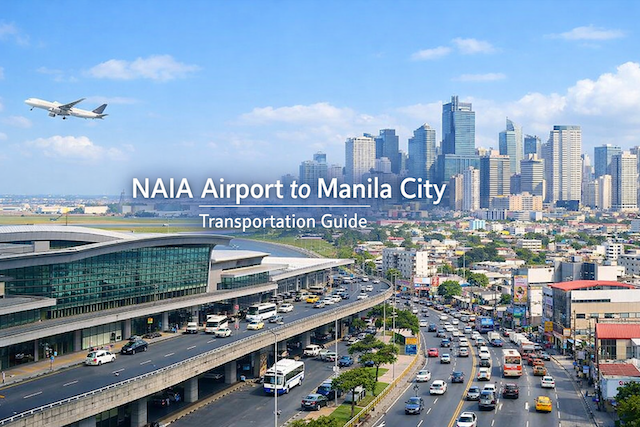
How to Get from NAIA Airport to Manila City: Manila Transportation Guide
Contents
- How to Get from NAIA Airport to Manila City: Manila Transportation Guide
- Where Is NAIA in Relation to Manila City?
- Understanding NAIA Airport Terminals
- Taxi from NAIA Airport to Manila City
- Grab (Ride-Hailing App) from NAIA to Manila City
- Airport Bus Services from NAIA
- Public Jeepneys and City Buses
- Using the LRT Train to Reach Manila City
- Private Airport Transfers
- Traffic Conditions and Best Time to Travel
- Safety Tips for Getting from NAIA to Manila City
- Best Transportation Option by Travel Type
- Final Thoughts
- FAQs (Frequently Asked Questions)
- Is NAIA close to Manila City?
- What is the easiest way to get from NAIA to Manila City?
- How much does a taxi cost from NAIA to Manila City?
- Is Grab available at all NAIA terminals?
- Should I use a coupon taxi from NAIA?
- Can I take public transportation from NAIA to Manila City?
- Is there a direct train from NAIA to Manila City?
- Are airport buses a good option for Manila City?
- How long does it take to get from NAIA to Intramuros?
- Is it safe to take a taxi from NAIA at night?
- What should I do if a driver refuses to use the meter?
- What’s the best option if I have a lot of luggage?
How to Get from NAIA Airport to Manila City: Manila Transportation Guide
Ninoy Aquino International Airport (NAIA) is the primary international gateway to the Philippines and the first point of arrival for most visitors to Manila. While the airport is technically located in Pasay City, many travelers head directly to Manila City proper, including popular areas such as Ermita, Malate, Intramuros, Binondo, and Quiapo. Understanding how to get from NAIA Airport to Manila City can save you time, money, and unnecessary stress—especially if this is your first visit.
This transportation guide explains all major ways to travel from NAIA to Manila City, including taxis, ride-hailing apps, buses, trains, and private transfers. You’ll also find practical tips about traffic, safety, and choosing the best option for your travel style.
Where Is NAIA in Relation to Manila City?
NAIA is located in Pasay City, south of Manila City. The straight-line distance is not far, but road travel time varies dramatically depending on traffic conditions. On a good day with light traffic, you may reach central Manila in about 30–45 minutes. During rush hours, holidays, or heavy rain, the same journey can take 90 minutes or even longer.
Manila City includes historic and tourist-heavy districts such as Intramuros, Ermita, Malate, Binondo (Chinatown), and Paco. These areas are well connected by major roads but are also affected by congestion, especially during weekday peak hours.
Understanding NAIA Airport Terminals
NAIA has four terminals, and knowing which terminal you arrive at helps with planning transportation.
Terminal 1 mainly handles international flights from non-Philippine Airlines carriers. Terminal 2 serves Philippine Airlines domestic and international flights. Terminal 3 is the busiest terminal, used by Cebu Pacific, AirAsia, and many international airlines. Terminal 4 is for domestic flights only.
All terminals are within the same airport complex but are not easily walkable between each other. Each terminal has its own taxi queues, ride-hailing pickup points, and bus access.
Taxi from NAIA Airport to Manila City
Taking a taxi is one of the most straightforward ways to get from NAIA to Manila City. Taxis are available 24 hours a day at all terminals, and official taxi queues are clearly marked.
Types of Taxis at NAIA
There are three main taxi options at the airport. Regular white taxis are the cheapest and use a standard meter. Yellow airport taxis also use a meter but have a higher flag-down rate and per-kilometer charge. Coupon taxis operate on a fixed-price system, with fares paid at a booth before boarding.
For most travelers, regular metered taxis offer the best balance between cost and convenience, as long as the driver agrees to use the meter.
Taxi Cost and Travel Time
In light traffic, a metered taxi ride to Manila City typically costs a few hundred pesos. During heavy traffic, the fare increases because the meter continues running even when the car is moving slowly or stopped. Travel time can range from 30 minutes to more than 90 minutes depending on conditions.
Taxi Tips
Always use official taxi queues and avoid drivers who approach you inside the terminal offering special rates. Confirm that the meter will be used before the ride begins. Keep small bills handy and note the taxi’s plate number if you want extra peace of mind.
Grab (Ride-Hailing App) from NAIA to Manila City
Grab is the most popular ride-hailing app in the Philippines and is widely used by locals, expats, and tourists. Many first-time visitors prefer Grab because pricing is shown in advance, and the trip is tracked through the app.
Why Grab Is Popular
Grab eliminates the need to negotiate fares, and you can pay using cash, credit card, or digital wallet depending on your setup. Driver details, route tracking, and estimated arrival time all add an extra layer of transparency and security.
Cost and Availability
Grab fares are usually slightly higher than regular taxis but more predictable. Prices can surge during peak hours, bad weather, or late-night periods. Pickup points are designated at each NAIA terminal, and airport staff often guide passengers to the correct area.
Airport Bus Services from NAIA
Airport bus services offer a more affordable alternative to taxis and ride-hailing apps. These buses connect NAIA with major hubs in Metro Manila.
Who Should Use Airport Buses
Airport buses are best for budget-conscious travelers who do not mind a longer travel time or a short walk after drop-off. They are generally clean, air-conditioned, and have space for luggage.
Limitations of Airport Buses
Routes may not go directly into Manila City neighborhoods like Intramuros or Binondo. You may need to transfer to another vehicle or walk from the bus stop to your final destination. Service frequency can also be limited, especially late at night.
Public Jeepneys and City Buses
Jeepneys and city buses are the cheapest transportation options from NAIA to Manila City, but they are also the most challenging for newcomers.
What to Expect
Jeepneys are crowded, have limited luggage space, and follow routes marked by signboards that can be confusing if you are unfamiliar with local geography. City buses can be slow due to frequent stops and traffic.
When to Consider This Option
This option is best for experienced travelers who are comfortable navigating local transport systems and traveling light. For most first-time visitors, the savings may not be worth the inconvenience.
Using the LRT Train to Reach Manila City
NAIA does not have a direct train connection. However, travelers can take a short taxi or jeepney ride to an LRT-1 station such as Baclaran or EDSA, then ride the train toward central Manila.
Pros and Cons of Using the LRT
The LRT is affordable and avoids road traffic once you are on the train. However, stations can be crowded, and trains have limited space for luggage. Transfers add complexity, especially if you are tired after a long flight.
Private Airport Transfers
Private airport transfers are a premium option that offers maximum convenience and predictability. These can be arranged through hotels, travel agencies, or online booking platforms.
Who Should Choose a Private Transfer
This option is ideal for families with kids, groups with multiple suitcases, business travelers on tight schedules, or anyone arriving late at night. The driver meets you at the airport, and the price is fixed in advance.
Traffic Conditions and Best Time to Travel
Manila traffic is notoriously heavy. Morning rush hour usually runs from around 7:00 to 10:00 AM, while evening congestion peaks from about 5:00 to 9:00 PM. Fridays, rainy days, and holiday periods are especially unpredictable.
If possible, plan your arrival or departure outside peak hours. Even a small change in timing can significantly reduce travel time.
Safety Tips for Getting from NAIA to Manila City
Stick to official transportation options, keep your valuables secure, and avoid sharing personal information with drivers. If something feels off, trust your instincts and choose another ride. Having mobile data and a charged phone makes navigation and communication much easier.
Best Transportation Option by Travel Type
First-time visitors usually find Grab or airport taxis the easiest. Budget travelers may prefer airport buses or trains. Families and groups often benefit from private transfers. Late-night arrivals are generally best served by Grab or official taxis.
Final Thoughts
Getting from NAIA Airport to Manila City is manageable once you understand the available transportation options. While traffic can be challenging, choosing the right method based on your budget, luggage, and comfort level can make your arrival much smoother. Whether you opt for a taxi, Grab, bus, train, or private transfer, planning ahead is the key to starting your Manila trip on the right foot.
FAQs (Frequently Asked Questions)
Is NAIA close to Manila City?
NAIA is relatively close to Manila City, but “close” can feel very different depending on traffic. The airport is in Pasay, which is south of the City of Manila. If roads are clear, you can reach areas like Ermita, Malate, Intramuros, or Binondo in about 30–45 minutes. During rush hour, heavy rain, or holiday traffic, the same trip can take 90 minutes or more. When planning, it’s safer to allow extra buffer time, especially if you have a scheduled tour, check-in deadline, or appointment in the city.
What is the easiest way to get from NAIA to Manila City?
The easiest option for most travelers is a ride-hailing service like Grab or an official airport taxi. These choices are straightforward because they take you door-to-door and do not require transfers. Grab is often preferred by first-time visitors because the fare is shown in the app before you confirm the ride, and you can track the route by GPS. Airport taxis are also convenient, especially if your phone battery is low or mobile data is unreliable.
How much does a taxi cost from NAIA to Manila City?
Taxi costs vary by taxi type, terminal, and traffic. A regular metered taxi is usually the cheapest option if the driver uses the meter properly. Yellow airport taxis typically charge higher rates than regular taxis. In normal traffic, many travelers pay somewhere in the mid-range for a ride into Manila City, but fares rise when traffic is heavy because the meter continues running. If a driver insists on a fixed price that feels too high, it is usually better to return to the official queue or use Grab for clearer pricing.
Is Grab available at all NAIA terminals?
Yes, Grab is commonly used at NAIA, and pickup areas are typically designated at each terminal. The exact pickup point may differ between terminals, and sometimes airport staff will direct you to a specific lane or waiting area. Keep in mind that Grab availability can be affected by demand, weather, and time of day. Late-night arrivals may still find Grab drivers, but wait times can increase. If you have trouble booking, try moving to the official pickup zone and rechecking the app.
Should I use a coupon taxi from NAIA?
Coupon taxis can be a good option if you want a fixed rate and prefer paying at an official booth, especially if you are tired after a long flight. The trade-off is that coupon taxis are often more expensive than metered taxis. They may also have limited vehicle availability during peak periods. If you value price transparency and convenience, Grab or a metered taxi can be a better balance for many travelers.
Can I take public transportation from NAIA to Manila City?
Yes, but it is not the simplest option for first-time visitors. Public transportation typically requires getting from the airport area to a major road or transit point, then transferring to another vehicle such as a jeepney, bus, or LRT. This can be challenging if you have luggage or if you are unfamiliar with routes. If you are confident navigating local transport and traveling light, public options can be very affordable. Otherwise, a direct ride (Grab, taxi, or private transfer) is usually more practical.
Is there a direct train from NAIA to Manila City?
No, NAIA does not have a direct train connection to Manila City. To use the LRT, you must first travel from NAIA to an LRT-1 station by taxi, jeepney, or another short ride. From there, the LRT can take you toward central Manila stations near popular areas. This approach can save money, but it adds complexity and is inconvenient with large luggage. It is best for budget travelers who are comfortable with transfers.
Are airport buses a good option for Manila City?
Airport buses can work well if there is a route that matches your destination or drops you near a convenient connection point. They are usually cheaper than taxis and can be more comfortable than jeepneys. The main limitations are schedules, route coverage, and the need to walk or transfer after you get off. If you are staying in a well-known area or near a major hub, airport buses can be a reasonable middle option between comfort and cost.
How long does it take to get from NAIA to Intramuros?
Intramuros is one of the most visited historic areas in Manila City, and travel time from NAIA varies widely. In light traffic, it may take around 35–50 minutes by car. In heavy traffic, it can take 90 minutes or longer. If you are heading there for a scheduled tour or museum visit, consider leaving earlier than you think you need to, especially during weekday rush hours or rainy afternoons.
Is it safe to take a taxi from NAIA at night?
Many travelers take taxis at night without issues, but basic precautions are important. Use the official taxi queue and avoid accepting rides from people who approach you inside the terminal offering “special rates.” Keep your luggage with you until you are ready to load it, and note the taxi plate number. If you prefer extra reassurance, Grab is a popular alternative at night because the trip details and driver information are recorded in the app.
What should I do if a driver refuses to use the meter?
If a taxi driver refuses to use the meter or pressures you into an inflated fixed price, the safest approach is to decline the ride and return to the official taxi line. You can also choose Grab to avoid negotiation. Staying calm and firm usually works best. Do not argue aggressively; simply say you will take another taxi. If you feel uncomfortable, move back toward airport staff or a well-lit area and seek assistance.
What’s the best option if I have a lot of luggage?
If you have large suitcases or multiple bags, a direct ride is the most comfortable option. Grab (especially larger vehicle categories when available), a private transfer, or an official taxi will be easier than buses or trains. Public transportation in Manila can be crowded, and luggage space is limited, particularly in jeepneys. For families or groups, a pre-booked transfer can reduce stress because the driver is waiting for you and the price is agreed in advance.

How to Register for eTravel Philippines (2025 Guide)
Step-by-step guide to completing your eTravel registration before arriving in the Philippines, with images and tips.

Night Market in Cebu – Things You Don’t Know About Cebu Life
Discover the hidden charm of Cebu’s night markets, from street food stalls to local life tips you won’t find in tourist guides.

How to Use ChatGPT for IELTS Preparation: A Complete Guide
Learn how to prepare for IELTS using ChatGPT — including strategies for Writing, Reading, Listening, Speaking, and grammar support.

How to Build a Website Without Coding Using ChatGPT
Discover how to build your own website using AI—no coding skills needed. From structure planning to SEO and design, let ChatGPT guide you.