2026年1月12日
3D ACADEMY offers affordable English study programs in Cebu, Philippines – perfect for beginners, professionals, and exam takers.

3D UNIVERSAL ENGLISH INSTITUTE INC
info.3d-universal.com
8:00-17:00(Mon-Fri)
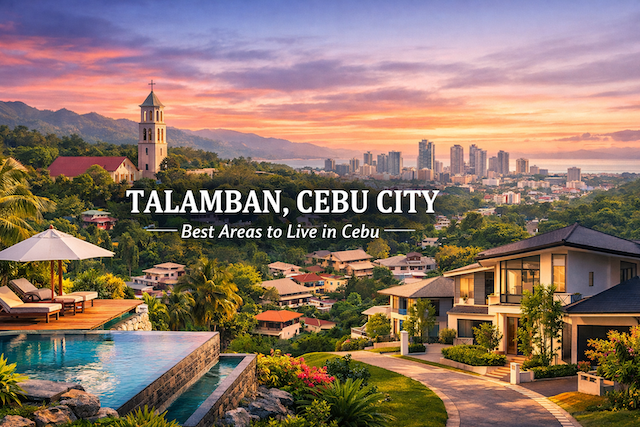
Talamban (Cebu City): Best Areas to Live in Cebu
Contents
- Talamban (Cebu City): Best Areas to Live in Cebu
- Where Talamban Is Located in Cebu City
- Overall Lifestyle in Talamban
- Residential Environment and Neighborhood Character
- Housing Options in Talamban
- Cost of Living in Talamban
- Accessibility and Transportation
- Schools and Educational Institutions
- Safety and Community Atmosphere
- Shopping and Daily Conveniences
- Dining and Food Scene
- Green Spaces and Environment
- Internet and Utilities
- Pros of Living in Talamban
- Cons of Living in Talamban
- Who Talamban Is Best For
- Talamban Compared to Other Cebu City Areas
- Final Thoughts: Is Talamban a Good Place to Live in Cebu?
- FAQs (Frequently Asked Questions)
- Is Talamban a good area to live in Cebu City?
- What type of residents usually choose Talamban?
- Is Talamban safe compared to other parts of Cebu City?
- How far is Talamban from IT Park and Cebu Business Park?
- Do I need a car if I live in Talamban?
- What kinds of housing are common in Talamban?
- Is Talamban affordable for renters?
- Are there good schools near Talamban?
- What are the best daily conveniences in Talamban?
- Is Talamban walkable?
- Is Talamban good for remote work and stable internet?
- What are the downsides of living in Talamban?
- Who should consider living in Talamban long-term?
Talamban (Cebu City): Best Areas to Live in Cebu
Talamban is one of Cebu City’s most underrated yet increasingly popular residential districts. Located in the northern upland part of the city, Talamban offers a quieter, greener, and more community-oriented lifestyle compared to Cebu’s commercial hubs like IT Park or Cebu Business Park. Over the years, it has evolved from a semi-rural academic area into a balanced residential zone that appeals to families, long-term residents, students, and expats who value space, affordability, and a slower pace of life.
This guide explores why Talamban is considered one of the best areas to live in Cebu City, covering lifestyle, housing options, costs, transportation, safety, and who this neighborhood is best suited for.
Where Talamban Is Located in Cebu City
Talamban is situated in the northern part of Cebu City, bordering Barangays Banilad, Lahug, Pit-os, and Bacayan. It lies uphill from the main commercial districts, which gives it a cooler climate and more open spaces.
The area is accessible via Gov. M. Cuenco Avenue, Talamban Road, and several interior roads connecting to Banilad and IT Park. While it is not a central business district, Talamban is strategically positioned between urban conveniences and quieter residential zones.
Overall Lifestyle in Talamban
Life in Talamban feels noticeably different from Cebu’s busier neighborhoods. The pace is slower, traffic is lighter within residential streets, and the environment is more relaxed. Many areas feature tree-lined roads, gated subdivisions, and low-rise developments.
Talamban is known for its academic and residential atmosphere rather than nightlife or commercial intensity. You will find local eateries, neighborhood cafés, bakeries, and small shopping centers rather than large malls or entertainment complexes.
This area is ideal for people who prefer calm surroundings while still being within reasonable distance of Cebu City’s main commercial areas.
Residential Environment and Neighborhood Character
Talamban has a strong suburban feel. Large portions of the area are made up of gated communities, family homes, and low-density housing. Compared to downtown Cebu, buildings are shorter, streets are wider, and noise levels are significantly lower.
The neighborhood attracts:
-
Families with children
-
Long-term expats
-
University staff and students
-
Professionals working in nearby districts
-
Retirees looking for peace and affordability
Many residents describe Talamban as “livable” rather than “exciting,” which is exactly why it continues to grow in popularity.
Housing Options in Talamban
Houses and Townhouses
Talamban is one of the better areas in Cebu City for renting or buying houses. Detached homes, duplexes, and townhouses are common, particularly inside gated subdivisions. These homes often include parking, outdoor space, and larger floor areas than properties in central districts.
Rental prices for houses are generally more affordable than Banilad or Lahug, especially for properties farther uphill.
Condominiums and Apartments
While Talamban is not known for high-rise condominiums, low- to mid-rise apartment buildings are increasingly common. These are popular among students, young professionals, and small families.
Units tend to be more spacious for the price compared to IT Park or Cebu Business Park, making Talamban attractive for budget-conscious renters who still want comfort.
Cost of Living in Talamban
One of Talamban’s strongest advantages is affordability.
Rent Prices
-
Studio and small apartment units are typically more affordable than city-center equivalents
-
Two- to three-bedroom apartments offer good value for families
-
Houses and townhouses are significantly cheaper than similar properties in Banilad or Ayala areas
Daily Expenses
Local markets, sari-sari stores, and neighborhood groceries help keep daily expenses low. Dining options range from inexpensive local eateries to casual mid-range restaurants.
Overall, Talamban offers one of the best cost-to-comfort ratios in Cebu City.
Accessibility and Transportation
Getting Around Cebu City
Talamban is not as walkable as central districts, but it is well connected by jeepneys, modern public transport routes, and private vehicles.
-
Jeepneys connect Talamban to Colon, downtown Cebu, Banilad, and other key areas
-
Ride-hailing services like Grab are available, though wait times may be longer than in IT Park
-
Travel time to IT Park or Banilad typically ranges from 15 to 30 minutes depending on traffic
Traffic Conditions
Traffic in Talamban itself is relatively manageable, especially within residential areas. Congestion mainly occurs on major access roads during peak hours, but it is generally less intense than in central business districts.
Schools and Educational Institutions
Talamban is widely recognized as an education-focused area.
Several well-known universities, colleges, and private schools are located in or near Talamban, making it a popular choice for families and students. This academic presence contributes to a stable and community-oriented environment.
The concentration of schools also means:
-
Reliable public transport options
-
Plenty of affordable rental units
-
Restaurants and services catering to students and families
Safety and Community Atmosphere
Talamban is considered one of the safer residential areas in Cebu City, particularly within gated subdivisions. Crime rates are generally low compared to more densely populated districts.
Key safety features include:
-
Guarded residential communities
-
Active homeowners’ associations
-
Less nightlife-related activity, which reduces late-night disturbances
The sense of community is stronger here than in many urban neighborhoods. Neighbors are more likely to know each other, and long-term residents contribute to a stable living environment.
Shopping and Daily Conveniences
Talamban does not have major malls, but it offers sufficient daily conveniences.
You will find:
-
Local supermarkets and grocery stores
-
Pharmacies and clinics
-
Cafés, bakeries, and casual restaurants
-
Hardware stores and service shops
For larger shopping trips, residents usually go to Banilad, Ayala Center Cebu, or IT Park, all of which are within a short drive.
Dining and Food Scene
The food scene in Talamban focuses on practicality and affordability rather than trend-driven dining.
Options include:
-
Local Filipino eateries
-
Student-friendly cafés
-
Casual international food spots
-
Bakeries and coffee shops
While Talamban lacks high-end restaurants, it excels in everyday dining that fits a residential lifestyle.
Green Spaces and Environment
Compared to many parts of Cebu City, Talamban feels greener and more open. The upland location allows for better airflow and slightly cooler temperatures, especially in the evenings.
Some residential areas have parks, open spaces, and tree-lined streets, making it more pleasant for walking and outdoor activities.
This environment is particularly appealing to families with children and residents who value fresh air and quieter surroundings.
Internet and Utilities
Internet services in Talamban are generally reliable, especially in established subdivisions and apartment buildings. Fiber connections are available in many areas, making it suitable for remote work and online businesses.
Utilities such as water and electricity are stable, though occasional outages can still occur, as in most parts of Cebu City.
Pros of Living in Talamban
-
More affordable housing compared to central Cebu
-
Quiet, residential atmosphere
-
Strong education-focused community
-
Safer and more family-friendly environment
-
Larger living spaces for the price
-
Cooler and greener surroundings
Cons of Living in Talamban
-
Limited nightlife and entertainment
-
Fewer high-rise condos and luxury developments
-
Less walkable compared to IT Park or Ayala areas
-
Dependence on transport for major shopping and work hubs
Who Talamban Is Best For
Talamban is ideal for:
-
Families with children
-
Long-term expats planning to stay in Cebu
-
University students and academic professionals
-
Remote workers seeking affordable, quiet housing
-
Retirees who prefer calm neighborhoods
It may not be the best choice for those seeking nightlife, luxury living, or immediate access to major business centers.
Talamban Compared to Other Cebu City Areas
Compared to IT Park, Talamban offers more space, lower rent, and less congestion but fewer entertainment options. Compared to Banilad, it is more affordable and quieter, though less upscale. Compared to Lahug, Talamban feels more residential and less commercial.
This balance makes Talamban a strong alternative for people who want comfort and value without being too far from city conveniences.
Final Thoughts: Is Talamban a Good Place to Live in Cebu?
Talamban stands out as one of the best areas to live in Cebu City for those who prioritize space, affordability, safety, and a relaxed lifestyle. While it lacks the excitement of Cebu’s business districts, it offers something increasingly rare in growing cities: livability.
For families, long-term residents, and anyone seeking a quieter yet well-connected neighborhood, Talamban deserves serious consideration as a place to call home in Cebu.
FAQs (Frequently Asked Questions)
Is Talamban a good area to live in Cebu City?
Yes. Talamban is widely considered a good residential area in Cebu City, especially for people who want a quieter neighborhood with more space and a more local, community-oriented feel. Compared with central districts like IT Park or Cebu Business Park, Talamban generally offers better value in terms of unit size, access to family-style housing, and a calmer day-to-day environment. It is particularly attractive for long-term stays rather than short trips because it balances city access with a more suburban lifestyle.
What type of residents usually choose Talamban?
Talamban tends to attract families, students, university staff, and professionals who want to live away from the busiest commercial zones. It is also a practical choice for expats who prefer a more residential setting and are comfortable using transportation to reach malls and business centers. Because the area has strong academic influences and many subdivisions, it often feels stable and less transient than purely condo-driven neighborhoods.
Is Talamban safe compared to other parts of Cebu City?
Talamban is generally perceived as safer than many high-traffic districts, particularly inside gated subdivisions and established residential streets. Like anywhere in a major city, safety depends on the specific location, lighting, and your daily routine. Most residents feel comfortable in Talamban because there is less nightlife activity and fewer late-night crowds, which can reduce certain types of street-level issues. Basic precautions—such as securing valuables and choosing well-managed properties—still apply.
How far is Talamban from IT Park and Cebu Business Park?
Talamban is relatively close to both IT Park and Cebu Business Park, but actual travel time depends heavily on traffic and the exact starting point. Many residents can reach IT Park in roughly 15 to 30 minutes by car or ride-hailing during normal conditions. Cebu Business Park may take slightly longer, depending on the route. During peak hours, travel times can increase, so planning around rush periods is important if you commute daily.
Do I need a car if I live in Talamban?
You do not strictly need a car, but having one can make life more convenient. Talamban has public transport options such as jeepneys and modern public utility vehicles, and ride-hailing services are usually available. However, because the area is more residential and spread out, errands and frequent trips to major malls or business districts can be easier with a private vehicle. Many families and long-term residents choose Talamban specifically because it supports car-friendly living with more parking options.
What kinds of housing are common in Talamban?
Talamban is known for its houses, townhouses, and family-oriented subdivisions, which is one of its biggest strengths compared with more condo-heavy areas. You can also find apartments and some low- to mid-rise residential buildings, often catering to students and working professionals. In general, Talamban offers larger floor areas for the price than central Cebu, and properties often include practical features like parking space, outdoor areas, and quieter surroundings.
Is Talamban affordable for renters?
Talamban is often more affordable than premium areas like Banilad, Cebu Business Park, or central Lahug, especially when comparing space and comfort. Rent varies depending on how close you are to main roads, universities, and higher-end subdivisions. Budget apartments for students exist, and family rentals can be more cost-effective than similar-sized units in the city’s commercial hubs. It is a strong option for renters who value space, quiet, and long-term practicality.
Are there good schools near Talamban?
Yes. Talamban is known as an education-centered district, with multiple schools and universities in or near the area. This makes it appealing for families with kids and for students who want shorter commutes. The presence of educational institutions also supports a steady demand for rentals, which keeps the neighborhood active while still maintaining a residential character.
What are the best daily conveniences in Talamban?
Talamban has plenty of everyday services, including groceries, pharmacies, clinics, small shopping centers, and local restaurants. You can handle most daily needs without leaving the area, especially if you live near the main roads. For bigger shopping trips, major malls and commercial centers are a short drive away in Banilad, IT Park, or the Ayala area. Many residents find this setup ideal because Talamban stays quiet while still being connected to larger retail zones.
Is Talamban walkable?
Talamban is partially walkable, but it is not as pedestrian-friendly as dense, mixed-use districts like IT Park. Some streets have sidewalks, and short-distance errands are possible in certain pockets, especially near schools and commercial strips. However, the neighborhood is spread out, and many people rely on transport for longer distances. If walkability is a top priority, you may prefer a more central district, but if you prioritize space and calm, Talamban remains a strong choice.
Is Talamban good for remote work and stable internet?
Talamban can be a good option for remote workers, especially in subdivisions and apartment buildings with fiber internet availability. Many residents successfully work online from Talamban because the environment is quieter than downtown Cebu. As with any area, internet stability depends on the specific building and provider, so it is smart to confirm service options before committing to a lease. If you work from home full-time, choose a property with a proven fiber connection and backup options such as mobile data.
What are the downsides of living in Talamban?
The main trade-offs are fewer nightlife and entertainment options, less of a high-end condo scene, and occasional traffic on key access roads during peak hours. If you want to be able to walk to major malls, coworking hubs, or nightlife venues, Talamban may feel too residential. However, many residents accept these downsides because they gain more space, calmer surroundings, and better value for rent.
Who should consider living in Talamban long-term?
Talamban is best for people who want a stable, residential lifestyle in Cebu City. Families with kids, long-term expats, students, and professionals who can commute to nearby business hubs often find Talamban highly practical. It is also a good choice for anyone who prefers a quieter neighborhood and does not need constant access to nightlife. If your priority is comfort, space, and a calmer daily routine, Talamban is a strong long-term base in Cebu City.

How to Register for eTravel Philippines (2025 Guide)
Step-by-step guide to completing your eTravel registration before arriving in the Philippines, with images and tips.

Night Market in Cebu – Things You Don’t Know About Cebu Life
Discover the hidden charm of Cebu’s night markets, from street food stalls to local life tips you won’t find in tourist guides.

How to Use ChatGPT for IELTS Preparation: A Complete Guide
Learn how to prepare for IELTS using ChatGPT — including strategies for Writing, Reading, Listening, Speaking, and grammar support.

How to Build a Website Without Coding Using ChatGPT
Discover how to build your own website using AI—no coding skills needed. From structure planning to SEO and design, let ChatGPT guide you.