2026年1月12日
3D ACADEMY offers affordable English study programs in Cebu, Philippines – perfect for beginners, professionals, and exam takers.

3D UNIVERSAL ENGLISH INSTITUTE INC
info.3d-universal.com
8:00-17:00(Mon-Fri)
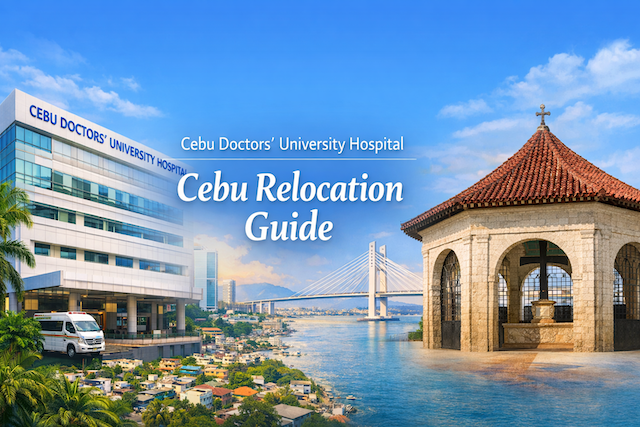
Cebu Doctors’ University Hospital: Cebu Relocation Guide
Contents
- Cebu Doctors’ University Hospital: Cebu Relocation Guide
- Overview of Cebu Doctors’ University Hospital
- Location and Accessibility in Cebu City
- Medical Services and Specialties
- Hospital Facilities and Patient Experience
- Doctors, Nurses, and Medical Staff
- Costs and Payment Expectations
- Cebu Doctors vs Other Major Hospitals in Cebu
- Practical Tips for Expats Using Cebu Doctors
- Is Cebu Doctors’ University Hospital Suitable for Long-Term Expats?
- Final Thoughts for Cebu Relocation
- Frequently Asked Questions (FAQs)
- Is Cebu Doctors’ University Hospital a good hospital for expats living in Cebu?
- Where is Cebu Doctors’ University Hospital located, and which neighborhoods is it closest to?
- Does the hospital have a 24-hour emergency room?
- Do doctors and staff speak English?
- Can I book an appointment, or do I need to walk in?
- What medical services are available for expats with chronic conditions?
- Does Cebu Doctors provide diagnostic tests like CT scans and MRI?
- How much does treatment typically cost at Cebu Doctors’ University Hospital?
- Does the hospital accept international health insurance?
- Do I need to pay a deposit before being admitted?
- What should I bring for my first visit or consultation?
- Is Cebu Doctors a good option for childbirth and pediatric care?
- What is the best strategy for expats who want reliable healthcare access in Cebu?
Cebu Doctors’ University Hospital: Cebu Relocation Guide
Relocating to Cebu Island involves more than choosing the right neighborhood, school, or condo. Access to reliable, high-quality healthcare is one of the most important considerations for expats, retirees, digital nomads, and families moving to the Philippines. Cebu Doctors’ University Hospital (often referred to as CDU Hospital or Cebu Doctors) is widely regarded as one of the most established and trusted private hospitals in Cebu Island.
This guide provides a detailed, relocation-focused overview of Cebu Doctors’ University Hospital—covering its medical services, facilities, accessibility, costs, and what foreign residents should realistically expect when using the hospital.
Overview of Cebu Doctors’ University Hospital
Cebu Doctors’ University Hospital is a tertiary-level private hospital located in the heart of Cebu City. It serves as the primary teaching hospital of Cebu Doctors’ University, one of the country’s well-known private medical universities. Because of this dual role as both a hospital and academic institution, Cebu Doctors combines clinical practice with medical education, research, and training.
For many long-term foreign residents, Cebu Doctors is considered a “default hospital” due to its central location, broad range of specialties, and long-standing reputation for professional care.
Location and Accessibility in Cebu City
Cebu Doctors’ University Hospital is located along Osmeña Boulevard, one of Cebu City’s main thoroughfares. This location places it within easy reach of many major residential and commercial districts.
Key nearby areas include:
-
Fuente Osmeña
-
Capitol Site
-
Lahug
-
Banilad
-
Mabolo
-
Cebu Business Park (Ayala area)
For expats living in central Cebu City, travel time to the hospital is typically 10–20 minutes, depending on traffic. Even from more distant areas such as Mandaue or Talisay, Cebu Doctors remains accessible compared to hospitals located in more congested zones.
Public transportation, taxis, and ride-hailing services such as Grab operate frequently along Osmeña Boulevard, making the hospital easy to reach even without a private car.
Medical Services and Specialties
Cebu Doctors’ University Hospital offers a comprehensive range of medical services, making it suitable for both routine healthcare and more complex medical needs.
Emergency and Trauma Care
The hospital operates a 24-hour emergency department equipped to handle trauma cases, medical emergencies, and urgent care needs. Emergency physicians and nurses are on duty around the clock, and most doctors are accustomed to dealing with foreign patients.
While emergency care standards are generally reliable, it is advisable for expats to carry identification, insurance information, and cash or credit card access, as payment is often required before or during treatment.
Internal Medicine and Primary Care
Cebu Doctors provides strong internal medicine services, including:
-
General internal medicine
-
Cardiology
-
Pulmonology
-
Gastroenterology
-
Endocrinology
Many expats use Cebu Doctors for chronic condition management such as hypertension, diabetes, asthma, and heart-related issues. English communication is typically not a problem, as most physicians and staff are fluent.
Surgical Services
The hospital offers both elective and emergency surgical procedures across various specialties, including:
-
General surgery
-
Orthopedic surgery
-
Neurosurgery
-
Cardiothoracic surgery
-
ENT surgery
-
Urologic surgery
Operating rooms are modern by Philippine private-hospital standards, and post-operative care is generally well-regarded. For complex or high-risk surgeries, some expats still choose to consult multiple hospitals in Cebu for second opinions, which is common practice.
Obstetrics, Gynecology, and Pediatrics
For families relocating to Cebu Island, Cebu Doctors is a popular choice for:
-
Prenatal checkups
-
Childbirth (normal delivery and cesarean section)
-
Pediatric consultations
-
Neonatal care
The hospital is known for experienced OB-GYNs and pediatricians, making it suitable for foreign families planning long-term stays or childbirth in Cebu.
Diagnostic and Imaging Services
Cebu Doctors’ diagnostic facilities include:
-
Laboratory testing
-
X-ray
-
Ultrasound
-
CT scan
-
MRI
-
ECG and stress testing
Diagnostic turnaround times are generally faster than in public hospitals, and same-day results are often available for common tests. This efficiency is one reason many expats prefer private hospitals like Cebu Doctors.
Hospital Facilities and Patient Experience
Rooms and Accommodation Options
Cebu Doctors’ University Hospital offers a range of room types, including:
-
Ward rooms
-
Semi-private rooms
-
Private rooms
-
Suite-type rooms
Private rooms are commonly chosen by expats and foreign patients. While not comparable to luxury hospitals in Singapore or Japan, private rooms are clean, air-conditioned, and reasonably comfortable.
Family members are typically allowed to stay with patients, which is standard practice in Philippine hospitals.
Cleanliness and Maintenance
Overall cleanliness standards are acceptable and generally consistent with private hospitals in major Philippine cities. While some parts of the hospital show their age due to its long history, renovations and upgrades are ongoing.
Foreign residents accustomed to Western hospitals should expect functional rather than luxurious facilities.
Doctors, Nurses, and Medical Staff
Physician Quality and Communication
One of Cebu Doctors’ strongest points is its medical staff. Many doctors are:
-
Graduates of Cebu Doctors’ University or other top Philippine medical schools
-
Board-certified specialists
-
Experienced in treating international patients
English proficiency among doctors is high, and consultations are typically conducted in clear, professional English. Cultural sensitivity is also generally good, especially for long-term expats and retirees.
Nursing Care
Nursing care is reliable, though staffing ratios may be higher than in Western countries. Nurses are polite, respectful, and generally attentive, but expats should not hesitate to ask questions or request clarification when needed.
Costs and Payment Expectations
Consultation and Treatment Costs
Medical costs at Cebu Doctors are significantly lower than in the United States, Europe, or Australia, but higher than public hospitals in the Philippines.
Typical costs may include:
-
Doctor consultation: affordable by international standards
-
Laboratory tests: reasonably priced
-
Imaging: significantly cheaper than Western hospitals
-
Surgery: varies widely depending on complexity
Payment is usually required upfront or before discharge. Even insured patients are often asked to pay first and seek reimbursement later, depending on insurance arrangements.
Health Insurance Acceptance
Cebu Doctors accepts many local and international health insurance providers, but direct billing is not guaranteed for all plans. Expats should:
-
Confirm insurance coverage in advance
-
Understand reimbursement procedures
-
Carry sufficient funds for emergencies
Some long-term residents prefer a combination of international insurance and personal savings to cover medical costs.
Cebu Doctors vs Other Major Hospitals in Cebu
Cebu Island has several reputable private hospitals, and expats often compare Cebu Doctors with alternatives such as Chong Hua Hospital and Perpetual Succour Hospital.
Cebu Doctors is often chosen for:
-
Central location
-
Strong internal medicine and surgical departments
-
Academic hospital environment
Each hospital has its strengths, and many expats register with more than one hospital depending on their medical needs.
Practical Tips for Expats Using Cebu Doctors
Registration and Records
First-time patients should allow extra time for registration. Bringing copies of:
-
Passport
-
Visa
-
Insurance details
-
Previous medical records
can significantly speed up the process.
Appointments vs Walk-ins
Many specialists accept walk-in patients, but appointments are recommended for popular doctors. Waiting times can vary, especially during peak hours.
Emergency Preparedness
For relocation planning, it is advisable to:
-
Know the hospital’s emergency entrance location
-
Save emergency contact numbers
-
Understand payment procedures in advance
This preparation helps reduce stress during urgent situations.
Is Cebu Doctors’ University Hospital Suitable for Long-Term Expats?
For most foreign residents living in Cebu Island, Cebu Doctors’ University Hospital is a dependable and practical healthcare option. While it may not match the luxury or advanced technology of top-tier hospitals in more developed countries, it provides competent medical care at reasonable costs.
Its combination of accessibility, experienced doctors, and broad medical services makes it especially suitable for:
-
Long-term expats
-
Retirees
-
Families with children
-
Digital nomads staying in Cebu City
Final Thoughts for Cebu Relocation
Healthcare is a major factor when choosing where to live abroad, and Cebu Doctors’ University Hospital plays an important role in making Cebu Island a viable long-term destination for foreign residents.
For those planning relocation, understanding how Cebu Doctors operates—its services, costs, and practical realities—can provide peace of mind and help ensure a smoother transition to life in Cebu Island.
As part of a well-rounded Cebu relocation plan, Cebu Doctors’ University Hospital remains one of the most important institutions to be familiar with before and after your move.
Frequently Asked Questions (FAQs)
Is Cebu Doctors’ University Hospital a good hospital for expats living in Cebu?
Yes. Cebu Doctors’ University Hospital is widely considered one of the most reliable private hospitals in Cebu City, and many long-term foreign residents use it for both routine care and emergencies. Expats often choose it because it is centrally located, has a broad range of specialists, and generally provides professional English-language communication. As with most private hospitals in the Philippines, the experience can vary depending on the department, the physician, and the time of day, but overall it is a strong option for people relocating to Cebu Island and wanting dependable access to healthcare.
Where is Cebu Doctors’ University Hospital located, and which neighborhoods is it closest to?
The hospital is located along Osmeña Boulevard in Cebu City, a major road that is relatively easy to reach from many central districts. It is convenient for residents of Fuente Osmeña, Capitol Site, Lahug, Banilad, Mabolo, and Cebu Business Park (Ayala area). Travel time depends heavily on traffic, but many expats living in central Cebu City can reach the hospital in around 10 to 20 minutes. From Mandaue or Talisay, it may take longer during rush hours, so it helps to plan alternative routes and allow extra time for appointments.
Does the hospital have a 24-hour emergency room?
Yes. Cebu Doctors’ University Hospital operates a 24-hour emergency department. This is important for relocation planning because unexpected illness and accidents can happen at any time, especially during a move. In most cases, patients can access emergency services quickly, but you should expect standard private-hospital procedures, including registration steps and payment processing. If you are new to Cebu Island, it is wise to save the hospital’s location on your phone and know how to get there by taxi or ride-hailing services such as Grab.
Do doctors and staff speak English?
In general, yes. Most physicians speak professional English, and many nurses and administrative staff can communicate in English as well. This is one reason Cebu Doctors is popular with foreign residents. However, communication comfort can vary from person to person, especially in busy situations like emergencies. If you have a complex condition, it can help to prepare a short written summary of your symptoms, current medications, allergies, and medical history. Having copies of past medical records can also make consultations more efficient.
Can I book an appointment, or do I need to walk in?
Both options are common. Some specialists accept walk-in patients, while others prefer scheduled appointments. For popular doctors and certain departments, booking ahead can significantly reduce waiting time. If you are relocating and managing a chronic condition, it is smart to establish a routine: identify a primary doctor, keep consistent records, and schedule follow-ups in advance. Walk-in visits are still possible for many services, but you may wait longer during peak hours.
What medical services are available for expats with chronic conditions?
Cebu Doctors offers many specialties that are relevant to long-term expats, including internal medicine, cardiology, endocrinology, pulmonology, gastroenterology, and more. This makes it suitable for common chronic conditions such as hypertension, diabetes, asthma, and digestive disorders. Many expats use Cebu Doctors for regular monitoring, lab work, and medication management. If you take prescription medicines, ask your doctor about equivalent brands available locally, and keep a list of your medications by generic name, not only brand name, to avoid confusion.
Does Cebu Doctors provide diagnostic tests like CT scans and MRI?
Yes. Cebu Doctors’ University Hospital provides a wide range of diagnostic and imaging services, including laboratory testing, X-rays, ultrasound, CT scans, MRI, and cardiac tests such as ECG. Availability may depend on scheduling, equipment maintenance, and demand, but many common tests can be done on the same day. For relocation purposes, it helps to know that private hospitals in Cebu typically offer faster diagnostic access than public hospitals, especially for routine tests needed for checkups or follow-up care.
How much does treatment typically cost at Cebu Doctors’ University Hospital?
Costs vary widely depending on the service, department, and complexity of treatment. In general, private hospital care in Cebu is cheaper than in many Western countries but more expensive than public hospitals in the Philippines. Doctor consultations and basic lab tests are usually reasonably priced for expats, while imaging and surgery costs can increase significantly depending on the case. A practical approach is to budget for healthcare separately when relocating and keep an emergency fund available, especially if your insurance does not offer direct billing.
Does the hospital accept international health insurance?
Sometimes, but it depends on the provider and the hospital’s billing arrangements. Some insurance plans may be accepted for direct billing, while others require you to pay upfront and request reimbursement later. This is common in the Philippines. Before you relocate, contact your insurance company and ask about coverage in Cebu, required documents, and whether Cebu Doctors is part of any preferred network. Even with insurance, it is smart to carry a credit card or maintain accessible cash for deposits, tests, or emergency procedures.
Do I need to pay a deposit before being admitted?
In many cases, yes. Philippine private hospitals often require a deposit for admission, procedures, or certain tests, especially if you are not using a local insurance plan with direct billing. This can surprise newcomers, so it is important to plan ahead. If you are relocating with family members, decide in advance who can handle payments in an emergency. Keeping digital copies of IDs, insurance documents, and important medical records can speed up admission and reduce stress during urgent situations.
What should I bring for my first visit or consultation?
Bring a passport or valid ID, your insurance details (if applicable), and any past medical records that relate to your concern. It is also helpful to bring a list of medications, including dosages, and a note about allergies or previous surgeries. If you are seeing a specialist, bring any recent lab results or imaging reports. For expats who are still adjusting to Cebu Island, organizing these documents in a folder—physical or digital—can make hospital visits smoother and help you receive more accurate care.
Is Cebu Doctors a good option for childbirth and pediatric care?
Yes. Cebu Doctors is known for having experienced OB-GYNs and pediatricians, making it a practical option for families relocating to Cebu Island. Services typically include prenatal checkups, delivery options, newborn care, and pediatric consultations. If you are planning pregnancy or childbirth in Cebu, consider touring facilities (if possible), asking about room options, and discussing estimated costs early. It is also wise to confirm what newborn services are included and whether your insurance covers maternity care in the Philippines.
What is the best strategy for expats who want reliable healthcare access in Cebu?
A good strategy is to treat healthcare like an essential part of your relocation plan. Identify your nearest reliable hospital, choose at least one primary doctor, and keep a simple personal medical file that includes medications, allergies, and past conditions. For Cebu City residents, Cebu Doctors is often a strong “main hospital” because of its central location and broad services. Many long-term expats also keep a second option in mind for second opinions or alternative specialties. With preparation, navigating healthcare in Cebu Island becomes far easier and less stressful.

How to Register for eTravel Philippines (2025 Guide)
Step-by-step guide to completing your eTravel registration before arriving in the Philippines, with images and tips.

Night Market in Cebu – Things You Don’t Know About Cebu Life
Discover the hidden charm of Cebu’s night markets, from street food stalls to local life tips you won’t find in tourist guides.

How to Use ChatGPT for IELTS Preparation: A Complete Guide
Learn how to prepare for IELTS using ChatGPT — including strategies for Writing, Reading, Listening, Speaking, and grammar support.

How to Build a Website Without Coding Using ChatGPT
Discover how to build your own website using AI—no coding skills needed. From structure planning to SEO and design, let ChatGPT guide you.