2026年1月12日
3D ACADEMY offers affordable English study programs in Cebu, Philippines – perfect for beginners, professionals, and exam takers.

3D UNIVERSAL ENGLISH INSTITUTE INC
info.3d-universal.com
8:00-17:00(Mon-Fri)
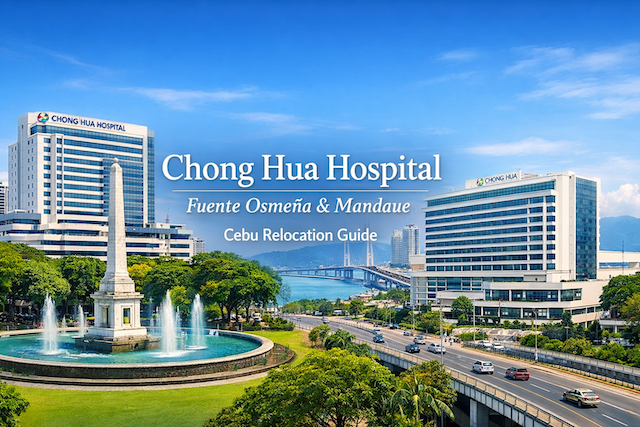
Chong Hua Hospital (Fuente Osmeña & Mandaue): Cebu Relocation Guide
Contents
- Chong Hua Hospital (Fuente Osmeña & Mandaue): Cebu Relocation Guide
- Why Chong Hua Hospital Matters for New Residents in Cebu
- Overview of the Two Locations: Fuente Osmeña vs. Mandaue
- What Healthcare Services You Can Expect
- How to Choose the Right Branch for Your Situation
- What to Bring for Your First Visit
- Costs, Billing, and Deposits: How Private Hospitals Typically Work in Cebu
- Insurance and International Coverage Tips
- Emergency Readiness for Expats: Practical Steps That Actually Help
- Getting There: Transportation and Traffic Reality
- Doctor Selection: The Cebu Reality of “Find the Right Specialist”
- Common Relocation Scenarios and How Chong Hua Fits
- Final Checklist for New Residents
- FAQs (Frequently Asked Questions)
- Which Chong Hua Hospital branch should I use—Fuente Osmeña or Mandaue?
- Can foreigners and expats get treated at Chong Hua Hospital without any issues?
- Do I need an appointment, or can I walk in for a consultation?
- What should I bring to my first visit?
- How much does treatment usually cost at a private hospital in Cebu?
- Does Chong Hua Hospital accept international insurance?
- Is it easy to get lab tests and imaging done on the same day?
- What’s the best approach for emergencies if I’m new to Cebu?
- How do I choose a good specialist at Chong Hua Hospital?
- Can I use Chong Hua Hospital for routine checkups, vaccinations, or long-term condition management?
Chong Hua Hospital (Fuente Osmeña & Mandaue): Cebu Relocation Guide
When you relocate to Cebu—whether for work, retirement, long-stay travel, or study—one of the first “must-know” essentials is where you’ll go for quality medical care. Chong Hua Hospital is one of the best-known private hospitals in Metro Cebu and is often shortlisted by expats and long-term residents because it offers broad specialist coverage, reliable diagnostics, and a care experience that feels closer to what many foreigners expect from a major city hospital.
This guide focuses on two main facilities commonly associated with the Chong Hua name: the main hospital in Fuente Osmeña (Cebu City) and the hospital in Mandaue (often chosen by people living near the northern corridor of Metro Cebu). While services and processes can evolve over time, the practical approach below will help you understand what to expect, how to plan your first visit, and how to use each location strategically depending on where you live.
Why Chong Hua Hospital Matters for New Residents in Cebu
In Cebu, healthcare is a mix of government hospitals, smaller private clinics, and large private hospitals that serve both locals and international patients. For relocation purposes, large private hospitals are usually preferred for non-trivial concerns—emergencies, surgery, comprehensive diagnostics, chronic condition management, and specialist consultations—because they tend to have stronger imaging/lab capabilities, more organized admissions, and wider physician networks.
Chong Hua is often part of a “healthcare shortlist” alongside other major private facilities in Cebu. Many residents choose it for reasons such as:
- Specialist access: A broad roster of doctors across internal medicine, pediatrics, OB-GYN, surgery, cardiology, orthopedics, dermatology, ENT, ophthalmology, and more.
- Diagnostics under one roof: Labs and imaging services that reduce the need to travel between clinics.
- Private-hospital experience: Generally cleaner environments, more structured patient flow, and clearer billing compared with public facilities.
- Two convenient anchors: Fuente Osmeña for central Cebu City access, and Mandaue for people based in the north/bridge areas.
For relocation planning, this matters because your “hospital strategy” in Cebu typically depends on two things: (1) where you’ll live day-to-day and (2) what type of care you anticipate needing (routine checkups vs. urgent/emergency vs. specialist follow-ups).
Overview of the Two Locations: Fuente Osmeña vs. Mandaue
Think of the two Chong Hua locations as serving different lifestyle maps:
Chong Hua Hospital – Fuente Osmeña (Cebu City): This is the facility many people picture when they say “Chong Hua.” It’s located in a busy central area near Fuente Osmeña Circle, a major landmark in Cebu City. If you live in or around:
- Fuente / Osmeña / Jones area
- Capitol Site
- Lahug
- Banilad / Talamban (depending on traffic)
- Downtown-adjacent neighborhoods (with variable travel times)
…Fuente Osmeña is often the most direct option for specialist consultations and planned visits.
Chong Hua Hospital – Mandaue: This location is practical for residents who are closer to the northern side of Metro Cebu or who cross the bridge corridor frequently. If you live in or near:
- Mandaue City (many residential and business zones)
- Consolacion / Liloan (north of Mandaue, depending on travel time)
- Areas around the bridges and the route toward Lapu-Lapu (depending on traffic patterns)
- Some parts of northern Cebu City that are closer to Mandaue than to Fuente
…Mandaue can be a better default for regular appointments if you want to avoid driving into central Cebu City.
The relocation takeaway: Choose the branch that matches your daily geography. In Metro Cebu, traffic can dramatically change your travel time, so proximity matters as much as “which hospital is bigger.”
What Healthcare Services You Can Expect
Chong Hua is a full-service private hospital system, and expats typically use it for a mix of urgent care, specialist consultations, and diagnostics. While exact service availability can vary by branch, here are the categories most relevant to relocators:
- Emergency services: For accidents, acute symptoms, or urgent concerns. In Cebu, it’s wise to identify the closest emergency department to your home and save it in your phone.
- Outpatient consultations: The majority of first-time expat visits start here—internal medicine, family medicine, ENT, dermatology, orthopedics, cardiology, and similar.
- Laboratory tests: Blood work, urinalysis, and common diagnostic panels for routine checkups or ongoing monitoring.
- Imaging and diagnostics: X-ray, ultrasound, and other imaging options are commonly used for workups recommended by specialists.
- Inpatient care: Admissions for procedures, surgery, or close monitoring. Private rooms may be available depending on occupancy and pricing tier.
- Pharmacy access: Many patients will fill prescriptions via hospital-linked pharmacies or nearby external pharmacies, depending on the medication.
If you’re relocating with specific needs—dialysis, oncology, major surgery planning, high-risk pregnancy management, or complex chronic conditions—your best approach is to treat Chong Hua as a starting point and confirm specialist schedules and facility capability before you need it urgently.
How to Choose the Right Branch for Your Situation
New residents often ask: “Which one is better?” A more useful question is: “Which one is better for my pattern of life?” Use these quick rules:
- Routine checkups and follow-ups: Go with the branch that is most convenient from your home on weekdays (when you’ll actually schedule visits).
- Specialist-heavy care: If your doctor practices primarily in one facility, that becomes your default—even if it’s farther away. In Cebu, the doctor’s hospital affiliation can matter.
- Diagnostics and imaging: Choose the branch that offers the recommended test on the same day as your consult (if possible) to reduce repeat travel.
- Emergency planning: Proximity is king. In an emergency, the “best hospital” is often the one you can reach fastest.
Many expats end up using both: one as their “day-to-day hospital” and the other as a backup depending on where they are in the city.
What to Bring for Your First Visit
Planning your first hospital visit in a new country can feel intimidating, but it’s easier when you arrive prepared. For Chong Hua (either branch), bring:
- Valid ID: Passport or other government-issued ID is the safest option.
- Cash and/or card: Payment methods can vary by department. Having a backup is practical.
- Medical history summary: A one-page note with your conditions, prior surgeries, allergies, and current medications (generic names help).
- Previous test results: Recent labs, imaging reports, or discharge summaries—printed or on your phone.
- Insurance details (if applicable): Your card, policy number, and insurer contact information.
If you take multiple medications, take a photo of the labels or keep a list with exact dosages. This speeds up consultations and reduces errors.
Costs, Billing, and Deposits: How Private Hospitals Typically Work in Cebu
Private hospital pricing in the Philippines can vary widely depending on the doctor, complexity of care, room type, and whether you need imaging, procedures, or admission. For relocation budgeting, assume:
- Outpatient consult fees are usually paid per visit, sometimes with separate fees for specific procedures.
- Diagnostics (labs/imaging) are itemized and may require payment before results are released or before the test is performed.
- Emergency visits can require upfront payment depending on what is needed immediately.
- Admissions often involve a deposit, with final billing settled at discharge.
Ask for an estimate when scheduling elective procedures. Cebu hospitals are used to providing itemized quotes for planned surgery or admissions, though actual costs can still change if additional tests or complications occur.
Insurance and International Coverage Tips
If you have international insurance, your experience will depend on whether the insurer has direct billing arrangements locally. Many relocators use one of these approaches:
- Cash pay + reimbursement: You pay upfront and submit documents to your insurer afterward. This is common and straightforward if you keep receipts and medical reports.
- Direct billing (less common): Some insurers have partnerships, but availability can vary. Confirm in advance with both your insurer and the hospital billing department.
- Local insurance or HMO: If you’re employed locally, you may be offered local coverage. Confirm which hospitals and doctors are accredited.
Relocation tip: keep digital photos of receipts, itemized billing statements, and medical certificates in a dedicated folder. It saves time when filing claims.
Emergency Readiness for Expats: Practical Steps That Actually Help
You don’t want to figure out your emergency plan during an emergency. Before you need urgent care, do the following:
- Save both branch addresses and set them in your maps app.
- Identify the fastest route from your residence at different times of day (traffic patterns in Cebu matter).
- Store key contacts in your phone: local friend/colleague, building admin/guard, and a trusted driver if you have one.
- Prepare a “go bag” if you have chronic conditions: copies of passport/ID, insurance details, medication list, and a small amount of cash.
If you’re new and living alone, tell one trusted person where your documents are and what hospital you prefer. That single step can make a major difference.
Getting There: Transportation and Traffic Reality
In Cebu, “distance” isn’t measured in kilometers—it’s measured in time. The Fuente Osmeña area is central but can be congested, especially during rush hours. Mandaue is also busy, particularly near commercial zones and bridge routes.
For routine appointments, consider:
- Taxi or ride-hailing: Convenient if you don’t want to deal with parking. Keep small bills if paying cash.
- Driving: Practical for families or those with mobility concerns, but parking availability and traffic may be a factor.
- Public transport: Possible, but not always ideal for hospital visits, especially if you’re unwell or carrying documents.
Relocation tip: schedule non-urgent appointments earlier in the day when possible. You often avoid peak traffic and experience shorter queues.
Doctor Selection: The Cebu Reality of “Find the Right Specialist”
In many countries, you’re used to a single clinic managing referrals. In Cebu, patients often choose a specialist directly, based on recommendations, clinic hours, and hospital affiliation. For Chong Hua, practical ways to find a good doctor include:
- Ask your community: Condo residents, expat groups, and colleagues often have strong doctor recommendations.
- Start with internal medicine/family medicine: They can coordinate basic workups and refer you appropriately.
- Choose based on follow-up convenience: A great specialist isn’t helpful if you can’t realistically attend follow-ups due to travel time.
If you have a condition that requires ongoing care (hypertension, diabetes, asthma, thyroid issues), try to establish one “primary” doctor early. Consistency improves outcomes and reduces repeated testing.
Common Relocation Scenarios and How Chong Hua Fits
Scenario 1: You’re a digital nomad in Cebu City.
If you live near IT Park, Lahug, Banilad, or Capitol, Fuente Osmeña may be your easiest anchor for routine consults. Your focus should be: a baseline checkup, a trusted internal medicine doctor, and knowing where to go for urgent needs.
Scenario 2: You’re a family living in Mandaue or near the bridges.
Mandaue becomes practical for pediatric consults, quick lab work, and routine follow-ups—especially when school and work schedules make long commutes difficult.
Scenario 3: You’re relocating for retirement.
You’ll likely need a hospital that can handle chronic condition monitoring and specialist access. Establish your “medical home base” early, get baseline labs, and ensure you understand how billing works for admissions and diagnostics.
Scenario 4: You’re here short-term but want safety coverage.
Even if you’re only staying a month or two, it’s worth saving hospital locations, knowing emergency access, and having a basic medical record summary in English on your phone.
Final Checklist for New Residents
- Decide which branch is your default based on where you live: Fuente Osmeña (central Cebu City) or Mandaue (north corridor convenience).
- Create a one-page medical summary and keep it on your phone.
- Identify one primary doctor (internal medicine/family medicine) for coordination.
- Confirm how your insurance works in Cebu (reimbursement vs direct billing).
- Save routes and contacts so emergencies are simpler.
Chong Hua Hospital is often a reliable option for relocation planning because it offers the range of services most residents need—from routine consults to more complex care—within a private-hospital setup. If you approach it strategically (choose the branch that fits your geography, establish a primary doctor, and understand billing), you’ll feel significantly more settled and prepared for life in Cebu.
FAQs (Frequently Asked Questions)
Which Chong Hua Hospital branch should I use—Fuente Osmeña or Mandaue?
Choose the branch that matches your daily location and typical travel routes. Fuente Osmeña is generally more convenient for people living in central Cebu City areas such as Capitol Site, Fuente, Lahug, and nearby neighborhoods. Mandaue is often easier for residents based in Mandaue, the northern corridor, or areas closer to the bridges. In Metro Cebu, traffic can significantly affect travel time, so the “best” branch is usually the one you can reach fastest for regular checkups and follow-ups. For emergencies, proximity matters most—go to the branch (or any reputable hospital) you can access quickly.
Can foreigners and expats get treated at Chong Hua Hospital without any issues?
Yes. Chong Hua Hospital regularly treats foreigners, long-stay travelers, and expats. The most important preparation is practical rather than legal: bring a passport or valid ID, have your medical history summarized in English, and keep a list of your current medications and allergies. If you have international insurance, confirm whether you need to pay upfront and request reimbursement later, or whether any form of direct billing is possible. Even when a hospital can support direct billing, approval may still depend on your insurer’s process.
Do I need an appointment, or can I walk in for a consultation?
Both options are common, but appointments are strongly recommended—especially if you want a specific specialist or you have a tight schedule. Walk-ins may be accepted depending on the clinic’s setup and the doctor’s availability, but you may wait longer or be asked to return at a different time. If you are new to Cebu and unsure which specialist to see, starting with internal medicine or family medicine is a practical approach. They can recommend appropriate tests and refer you to specialists if needed.
What should I bring to my first visit?
Bring a valid ID (passport is ideal), payment method (cash and/or card), and any relevant medical documents. If you have chronic conditions, carry recent lab results, imaging reports, or a short doctor’s letter summarizing your condition. Also bring a list of medications with exact dosages, plus known allergies. If you’re using insurance, bring your insurance card or policy details. Keeping digital copies of everything on your phone is helpful, but printed copies can also speed up processing at registration or during a consultation.
How much does treatment usually cost at a private hospital in Cebu?
Costs vary widely depending on the doctor, the type of consultation, and whether you need lab tests, imaging, procedures, or admission. Basic outpatient consultations are typically paid per visit, while diagnostics are itemized. Emergency visits and admissions may involve deposits, and final billing is usually settled at discharge for inpatient care. If you are planning an elective procedure, you can request an estimate in advance. For budgeting, it’s smart to set aside a healthcare buffer fund, especially if you will pay upfront and rely on reimbursement from an international insurer.
Does Chong Hua Hospital accept international insurance?
Many expats use international insurance at Chong Hua, but the most common model is “pay first, claim later.” Direct billing may be possible in some cases, but it depends on whether your insurer has arrangements or can issue a guarantee of payment. Before you need care, contact your insurer to confirm claim requirements and ask what documents you must submit (itemized receipts, medical certificates, diagnostic reports, and proof of payment are commonly required). At the hospital, request official receipts and detailed billing statements to support your claim.
Is it easy to get lab tests and imaging done on the same day?
Same-day testing is often possible, especially for routine labs, but timing depends on patient volume, the department, and your doctor’s instructions. If you want to minimize repeat trips, schedule your consultation early in the day and ask the doctor whether you can proceed with tests immediately. Keep in mind that some imaging procedures require preparation (fasting, specific timing, or prior clearance). If you are doing annual checkups or baseline screenings after relocation, bundling consultation and diagnostics into one visit can save time.
What’s the best approach for emergencies if I’m new to Cebu?
Plan before you need help. Save the addresses of both Chong Hua branches in your maps app and identify which one is fastest from your home at different times of day. Keep your ID, insurance details, and a medication list accessible. If you live alone, share your emergency plan with a trusted friend or building admin. In a serious emergency, go to the nearest capable hospital rather than spending extra time traveling across the city. Once stabilized, you can discuss transfer options if needed.
How do I choose a good specialist at Chong Hua Hospital?
In Cebu, doctor selection often relies on recommendations and hospital affiliations. Ask colleagues, condo staff, local friends, or expat communities for referrals, especially for commonly needed specialties like ENT, dermatology, cardiology, pediatrics, or orthopedics. If you have multiple issues or want an overall assessment, start with internal medicine or family medicine. They can coordinate tests and refer you to a specialist when appropriate. Also consider follow-up practicality: choosing a doctor whose clinic schedule matches your availability can make ongoing care much easier.
Can I use Chong Hua Hospital for routine checkups, vaccinations, or long-term condition management?
Yes. Many residents use Chong Hua for baseline health screenings, routine lab work, and ongoing management of conditions such as hypertension, diabetes, asthma, or thyroid disorders. For long-term care, consistency matters: try to establish one primary doctor who keeps your records, monitors trends in your results, and coordinates referrals. If you relocate frequently or travel often, keep a personal health folder (digital and/or printed) so you can continue care smoothly across different clinics and countries.
How to Visit a Hospital in Cebu – Everything You Need to Know as a Foreigner

How to Register for eTravel Philippines (2025 Guide)
Step-by-step guide to completing your eTravel registration before arriving in the Philippines, with images and tips.

Night Market in Cebu – Things You Don’t Know About Cebu Life
Discover the hidden charm of Cebu’s night markets, from street food stalls to local life tips you won’t find in tourist guides.

How to Use ChatGPT for IELTS Preparation: A Complete Guide
Learn how to prepare for IELTS using ChatGPT — including strategies for Writing, Reading, Listening, Speaking, and grammar support.

How to Build a Website Without Coding Using ChatGPT
Discover how to build your own website using AI—no coding skills needed. From structure planning to SEO and design, let ChatGPT guide you.