2026年4月3日
3D ACADEMY offers affordable English study programs in Cebu, Philippines – perfect for beginners, professionals, and exam takers.

3D UNIVERSAL ENGLISH INSTITUTE INC
info.3d-universal.com
8:00-17:00(Mon-Fri)
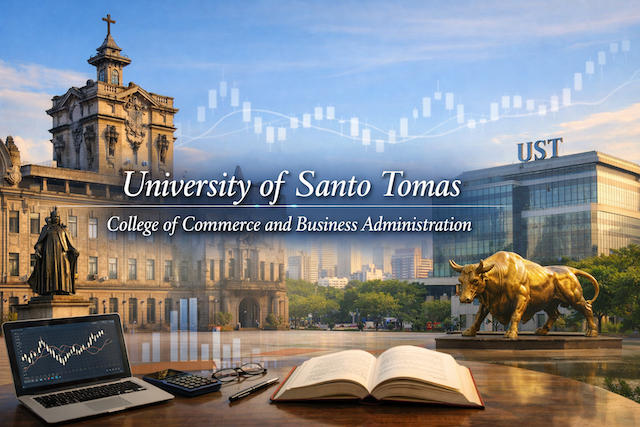
University of Santo Tomas (UST) – College of Commerce and Business Administration
FAQs (Frequently Asked Questions)
What is the University of Santo Tomas (UST) College of Commerce and Business Administration?
The UST College of Commerce and Business Administration (often called UST Commerce or CCBA) is one of the university’s major academic units focused on business education. It offers undergraduate and graduate programs in areas such as accountancy, marketing, finance, entrepreneurship, human resources, and business economics. The college is known for combining strong theoretical foundations with practical learning, while also reflecting UST’s tradition of values-based education. Students typically study core business disciplines, complete projects and presentations, and participate in activities designed to build communication, leadership, and analytical skills.
What undergraduate programs are commonly offered under UST Commerce?
UST Commerce typically offers business-related degree programs that may include Bachelor of Science in Accountancy and Bachelor of Science in Business Administration with different specializations. Common majors in business administration include Marketing Management, Financial Management, Human Resource Management, and other management-focused tracks. Many students choose their program based on their preferred career direction, such as finance and banking, corporate management, or marketing and brand strategy. Program offerings can evolve over time, so applicants should review the most current list of degrees and majors published by the university.
Is UST Accountancy under the College of Commerce and Business Administration?
At UST, accountancy is closely associated with commerce and business education and is often housed within the college structure that handles commerce and business administration. The accountancy curriculum is generally designed to prepare students for professional accounting careers and licensure pathways, including audit, taxation, financial reporting, and corporate accounting roles. Because university structures and naming conventions can change, it is best to confirm the current organizational setup and program placement through official UST announcements or the college’s official channels.
What makes the UST Commerce curriculum different from other business schools?
UST Commerce is often recognized for its structured approach to fundamentals, emphasis on discipline and academic rigor, and focus on ethical leadership. Students typically take foundational courses in accounting, economics, management, marketing, business law, and quantitative methods before moving into specialized subjects. Many programs incorporate case studies, research, group projects, and presentations to develop professional readiness. Another distinguishing feature is the integration of UST’s broader educational mission—encouraging students to consider values, responsibility, and societal impact when making business decisions.
What skills can students expect to develop in UST Commerce?
Students commonly develop a mix of technical and professional skills. Technical skills may include financial analysis, business communication, marketing strategy development, basic data interpretation, and problem-solving using business frameworks. Professional skills often include teamwork, leadership, time management, and presentation ability. Depending on the major, students may also build specialized competencies such as investment analysis (finance), consumer research (marketing), recruitment and organizational development (HR), or venture planning (entrepreneurship). These skills are strengthened through coursework, internships, competitions, and student organization activities.
Does UST Commerce offer internship opportunities?
Many business programs include internship or practicum components, especially in upper years, to help students gain exposure to real workplace settings. Internship placements may involve corporate offices, banks, audit firms, startups, or government-related organizations depending on the student’s specialization and availability of partner institutions. Internships are valuable for building practical experience, professional networks, and a clearer understanding of career paths. Students are encouraged to prepare early by building a strong resume, improving interview skills, and staying active in organizations or projects that demonstrate initiative.
What student organizations can Commerce students join?
Commerce students typically have access to a variety of academic, professional, and interest-based organizations. These groups often host seminars, workshops, networking events, competitions, and community outreach activities. Joining an organization can help students develop leadership experience, meet mentors, and practice teamwork in real projects. Participation is also useful for students who want to build a stronger profile for internships or early career opportunities. Organization availability and membership requirements can vary by academic year and college policies.
Is UST Commerce a good choice for international students?
UST can be appealing to international students who want to study business in the Philippines within a large and well-established university environment. International students often look for structured programs, campus support services, and a strong academic community, all of which are commonly associated with major universities. However, international applicants should confirm admission requirements, visa processes, document authentication needs, and language expectations. It is also wise to consider cost of living, transportation, housing options, and campus culture to ensure a comfortable transition.
How competitive is admission to UST Commerce?
Admission to UST programs is generally competitive, and demand can vary by program or major. Applicants are typically evaluated through standardized admission processes that may include entrance examinations, academic records, and document screening. Some programs may have additional requirements or higher cutoffs due to limited slots. Students who want to improve their chances should focus on strong academic preparation, especially in math, English, and analytical subjects. It also helps to submit complete requirements on time and follow official application instructions carefully.
What careers can graduates pursue after completing a UST Commerce degree?
Career pathways depend on the program and specialization. Accountancy graduates often pursue roles in auditing, taxation, corporate accounting, and financial reporting, while marketing graduates may work in brand management, advertising, digital marketing, and sales strategy. Finance graduates commonly enter banking, investment, corporate finance, or financial analysis roles. HR-focused graduates can work in recruitment, training, organizational development, and employee relations. Entrepreneurship graduates may start businesses or join startups in strategy and operations roles. Many graduates also pursue graduate school or professional certifications to expand their options.
How should students choose the right specialization or major?
Students can choose a specialization by considering three factors: interest, strengths, and career direction. If you enjoy numbers and structured analysis, finance or accountancy may fit well. If you prefer creativity and customer-focused thinking, marketing may be more suitable. If you are interested in people management, workplace culture, and leadership development, HR can be a strong match. Students who want to build businesses or innovate may prefer entrepreneurship. It is helpful to review course descriptions, talk to seniors, and reflect on which subjects naturally motivate you.
Where can applicants find official and updated information?
Because program details, requirements, and policies can change, applicants should rely on official UST sources for the most accurate updates. These typically include the university’s official website, admissions announcements, and official pages of the College of Commerce and Business Administration. If something is unclear—such as deadlines, required documents, or degree structures—contacting the admissions office or the college directly is the safest approach. Using official sources helps ensure you are preparing correctly and avoiding outdated or incomplete information.
Philippines University Guide: Top Universities, Admissions, Scholarships, and Student Life

How to Register for eTravel Philippines (2025 Guide)
Step-by-step guide to completing your eTravel registration before arriving in the Philippines, with images and tips.

Night Market in Cebu – Things You Don’t Know About Cebu Life
Discover the hidden charm of Cebu’s night markets, from street food stalls to local life tips you won’t find in tourist guides.

How to Use ChatGPT for IELTS Preparation: A Complete Guide
Learn how to prepare for IELTS using ChatGPT — including strategies for Writing, Reading, Listening, Speaking, and grammar support.

How to Build a Website Without Coding Using ChatGPT
Discover how to build your own website using AI—no coding skills needed. From structure planning to SEO and design, let ChatGPT guide you.