2026年1月12日
3D ACADEMY offers affordable English study programs in Cebu, Philippines – perfect for beginners, professionals, and exam takers.

3D UNIVERSAL ENGLISH INSTITUTE INC
info.3d-universal.com
8:00-17:00(Mon-Fri)
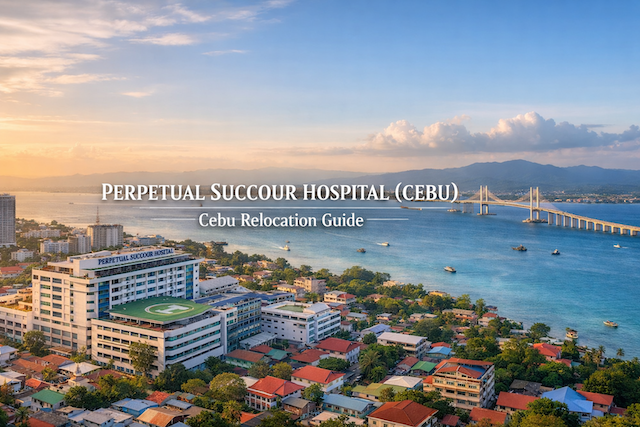
Perpetual Succour Hospital (Cebu): Cebu Relocation Guide
Contents
- Perpetual Succour Hospital (Cebu): Cebu Relocation Guide
- Quick Overview: What Perpetual Succour Hospital Is Known For
- Location and Accessibility: Why It Matters When You’re New
- Who Typically Uses Perpetual Succour Hospital?
- Services You’ll Likely Use as a New Resident
- Admission, Inpatient Care, and Room Options
- Costs, Deposits, and Billing in Cebu
- Communication and Language
- Family-Focused Care: Pediatrics and OB-GYN
- Pharmacy and Medication Tips
- How to Prepare for Your First Hospital Visit
- Hospital Strategy for Living in Cebu
- Final Thoughts
- FAQs (Frequently Asked Questions)
- Is Perpetual Succour Hospital a good choice for expats living in Cebu?
- Do I need an appointment, or can I walk in for a consultation?
- What should I bring for my first hospital visit in Cebu?
- How does billing usually work at private hospitals in Cebu?
- Can I use international health insurance at Perpetual Succour Hospital?
- What happens if I need emergency care?
- Is English widely spoken in the hospital?
- How long does it usually take to get lab results or imaging reports?
- Does the hospital offer private rooms, and what should I know about admission?
- What is the best time to visit to avoid long waits?
- Should I choose one “main hospital” when relocating to Cebu?
Perpetual Succour Hospital (Cebu): Cebu Relocation Guide
Moving to Cebu is exciting, but it also comes with a practical question: Where do I go when I need a doctor—fast? Perpetual Succour Hospital is one of the best-known private hospitals in Cebu City, and many long-term residents (including expats and returning Filipinos) consider it a dependable option for everyday healthcare, diagnostics, specialist consultations, and urgent care.
This guide is written for people relocating to Cebu who want a clear, real-world understanding of how hospitals like Perpetual Succour work—what you can expect, what to prepare, and how to reduce stress when you or your family needs medical attention.
Quick Overview: What Perpetual Succour Hospital Is Known For
Perpetual Succour Hospital (often referred to locally as “Perpetual” or “Perps”) is a private hospital in Cebu City with a strong reputation for accessible specialist care and a broad set of clinical services. For many residents, the appeal is simple: it’s a familiar, “go-to” hospital where you can usually find doctors across major specialties, get lab and imaging done without traveling across the city, and handle both routine and urgent health needs in one place.
If you’re relocating, it’s helpful to think of Perpetual Succour Hospital as a practical “home base” option—especially if you’ll be living in central Cebu City areas where travel time matters.
Location and Accessibility: Why It Matters When You’re New
When you’re new to Cebu, your first few months often involve unfamiliar routes, traffic patterns, and time estimates that are hard to predict. Choosing a hospital that is reachable from your neighborhood is a quality-of-life decision, not just a medical one.
In Cebu City, traffic can change quickly by hour and by season. A hospital that is “close on the map” may still be slow to reach at rush hour. If you’re deciding where to live, consider how long it takes to reach the hospital during:
-
weekday mornings (school and work traffic)
-
late afternoons and early evenings
-
weekends (especially near malls and event areas)
Even if you don’t expect frequent medical visits, convenience becomes crucial when you have a feverish child, a sudden allergic reaction, or an injury that needs immediate evaluation.
Who Typically Uses Perpetual Succour Hospital?
Perpetual Succour Hospital serves a wide mix of patients:
-
Cebu City residents who want private-hospital convenience
-
Families looking for pediatric care, routine checkups, and vaccinations
-
Adults managing chronic conditions (hypertension, diabetes, asthma, etc.)
-
People seeking specialist consultations without long referral chains
-
Patients who prefer a private facility for elective procedures or scheduled tests
For new residents, the main advantage is straightforward: you can often get multiple steps done in one visit—consultation, lab work, imaging, and sometimes pharmacy—without jumping between different clinics across Cebu.
Services You’ll Likely Use as a New Resident
Relocating tends to trigger a predictable set of healthcare needs, even if you’re generally healthy. Here are services that many new residents end up using within the first year.
Outpatient Consultations (Specialists and General Care)
Expect to find doctors in internal medicine, pediatrics, OB-GYN, ENT, dermatology, orthopedics, cardiology, and more. Many people in Cebu choose hospitals like Perpetual because it’s easier to access specialists compared to systems that require referrals at every step.
If you already have a diagnosis, bring a short medical summary and a list of current medications. This helps doctors in Cebu make quicker and safer decisions, especially when prior records are from overseas.
Diagnostics: Laboratory Tests and Imaging
New residents often need baseline health checks for work, school, visa paperwork, or personal peace of mind. Common tests include:
-
complete blood count (CBC)
-
urinalysis
-
blood sugar tests
-
lipid profile
-
liver and kidney function tests
-
chest X-ray
-
ultrasound or ECG when required
Private hospitals in Cebu generally provide faster diagnostics than public facilities, but multiple queues are still common. Visiting early in the day usually saves time.
Emergency Care and Urgent Situations
Emergency rooms in Cebu can become busy during evenings, weekends, and holidays. Triage is based on severity rather than arrival time.
It’s wise to keep the following easily accessible:
-
your Cebu address with landmarks
-
emergency contact details
-
allergy and medication list
-
passport/ID photo and insurance details
Admission, Inpatient Care, and Room Options
For admissions, Cebu private hospitals typically offer:
-
shared rooms
-
semi-private rooms
-
private rooms
Private rooms are often preferred by expats or remote workers who need privacy, quiet, and the ability to work or rest properly during recovery.
Ask early about what is included in room rates and which items are billed separately.
Costs, Deposits, and Billing in Cebu
Healthcare billing in Cebu may feel unfamiliar if you’re used to highly centralized insurance systems.
Key points:
-
upfront deposits may be required
-
billing is often itemized
-
professional fees may be billed separately
If you use international insurance, confirm reimbursement procedures in advance. Many long-term residents in Cebu pay out-of-pocket for routine care and rely on insurance mainly for major hospitalization.
Communication and Language
English is widely used in Cebu’s private hospitals, including doctor consultations and nursing care. However, clarity improves when you:
-
speak simply and clearly
-
prepare written symptom notes
-
bring a medication list with generic names
Family-Focused Care: Pediatrics and OB-GYN
Pediatrics
Families relocating to Cebu commonly seek pediatric services for:
-
routine checkups
-
vaccinations
-
respiratory and allergy issues
OB-GYN and Women’s Health
Many couples value access to:
-
prenatal care
-
ultrasound services
-
delivery planning
-
postpartum support
Identifying a trusted OB-GYN early is recommended for long-term residents.
Pharmacy and Medication Tips
Medication availability in Cebu is generally good, but brand names may differ. Always keep:
-
generic drug names
-
dosage information
-
photos of prescriptions
This ensures continuity of care when changing doctors.
How to Prepare for Your First Hospital Visit
Bring:
-
passport or local ID
-
Cebu address and landmark
-
emergency contacts
-
insurance details
-
medical history summary
-
medication list
-
payment method and buffer cash
Arriving early helps reduce delays caused by traffic and registration queues.
Hospital Strategy for Living in Cebu
A practical approach is:
-
one main hospital for routine care
-
one backup hospital for emergencies based on traffic patterns
This prevents last-minute decisions during stressful situations.
Final Thoughts
For many people relocating to Cebu, Perpetual Succour Hospital is a reliable private healthcare option that balances accessibility, specialist availability, and diagnostic convenience. Preparing in advance—before you actually need care—will make your relocation experience significantly smoother and safer.
FAQs (Frequently Asked Questions)
Is Perpetual Succour Hospital a good choice for expats living in Cebu?
Yes. Many expats and long-term residents consider Perpetual Succour Hospital a practical option because it is a private hospital in Cebu City with broad outpatient services, specialist availability, and on-site diagnostics. For newcomers, the main advantage is convenience: you can often complete a consultation, lab tests, and imaging in a single visit. As with any hospital in Cebu, the experience depends on timing, department volume, and the specific physician you see, so it helps to plan visits earlier in the day and to confirm schedules before arriving.
Do I need an appointment, or can I walk in for a consultation?
In many cases, you can walk in, especially for general consultations. However, specialists may have limited clinic hours, and popular doctors can be fully booked or see patients on a first-come, first-served basis. If your concern is not urgent, booking ahead (or confirming clinic hours) is usually the smoother approach. Walk-ins may still be possible, but you should expect potential waiting time, particularly during weekday afternoons and weekends.
What should I bring for my first hospital visit in Cebu?
Bring a valid ID (passport or local ID), your current Cebu address (include a nearby landmark), and a list of emergency contacts. If you have insurance, bring your insurance card or policy details. For medical efficiency, prepare a short health summary: past diagnoses, surgeries, allergies, and current medications with dosages. If you have recent lab results or imaging reports from another country, printed copies or clear photos on your phone can help doctors understand your history quickly and avoid repeating unnecessary tests.
How does billing usually work at private hospitals in Cebu?
Billing is often itemized. You may pay separate fees for the hospital facility, laboratory work, imaging, medications, and physician professional fees. For certain procedures or admissions, deposits may be required. If you are using international insurance, many plans operate on reimbursement, meaning you pay first and claim later. Ask the billing staff what documents they can provide, such as official receipts and itemized statements, since these are commonly required for claims.
Can I use international health insurance at Perpetual Succour Hospital?
Sometimes, but it depends on your provider and whether they have direct billing arrangements in Cebu. Many international plans reimburse rather than paying the hospital directly. Before you need care, contact your insurer to confirm coverage rules, emergency requirements, and claim documents. If you are reimbursing, keep all official receipts, diagnostic results, and the medical certificate or doctor’s notes that explain the diagnosis and treatment.
What happens if I need emergency care?
If you go to the emergency room, patients are typically assessed by severity (triage), not by arrival time. This is normal in Cebu and helps ensure critical cases are treated first. If your situation is urgent, bring your allergy and medication list, and be ready to explain symptoms clearly with timing and triggers. If you are new to Cebu, it also helps to keep your address and landmark saved on your phone so transportation to the hospital is easier during stressful moments.
Is English widely spoken in the hospital?
English is commonly used in Cebu’s private hospitals, especially during doctor consultations and in many nursing interactions. However, comfort levels vary by staff role and shift. To avoid misunderstandings, use simple sentences, confirm key instructions (dosage, timing, follow-up steps), and write down important details. If you have complex medical concerns, bringing a written summary of your symptoms and history can make communication faster and clearer.
How long does it usually take to get lab results or imaging reports?
Timing depends on the test type and patient volume. Many routine lab results may be available the same day, while specialized tests can take longer. Imaging reports also vary: an X-ray may be processed relatively quickly, while ultrasound interpretation or more detailed studies may require additional time. A practical tip in Cebu is to ask at the time of payment or registration when and where results will be released, and whether you can return later to pick them up.
Does the hospital offer private rooms, and what should I know about admission?
Private hospitals in Cebu typically offer shared, semi-private, and private room options, subject to availability. If you may need admission, ask early about room types, visiting policies, and what is included in the room rate. Clarify whether physician professional fees, certain supplies, or specific medications are billed separately. For expats who work remotely, a private room can be helpful for rest and privacy, but it may cost more depending on demand.
What is the best time to visit to avoid long waits?
For non-urgent concerns, mornings are often more efficient because many clinics and diagnostic departments process patients earlier in the day. Waiting times may increase in the afternoon, after office hours, and on weekends. Cebu traffic can also impact arrival time, so plan extra buffer time if you are unfamiliar with routes. If you are visiting a specialist, confirming clinic hours ahead of time can reduce the risk of arriving during limited or fully booked schedules.
Should I choose one “main hospital” when relocating to Cebu?
Yes, it’s a smart relocation strategy. Choose one primary hospital for routine care and planned consultations, then identify a backup hospital in case traffic, congestion, or department volume makes your first option difficult during emergencies. Save key details on your phone (address, maps pin, contact numbers), and do a “trial run” visit early in your stay. This preparation makes urgent situations far less stressful and helps you navigate Cebu’s healthcare system with confidence.
How to Visit a Hospital in Cebu – Everything You Need to Know as a Foreigner

How to Register for eTravel Philippines (2025 Guide)
Step-by-step guide to completing your eTravel registration before arriving in the Philippines, with images and tips.

Night Market in Cebu – Things You Don’t Know About Cebu Life
Discover the hidden charm of Cebu’s night markets, from street food stalls to local life tips you won’t find in tourist guides.

How to Use ChatGPT for IELTS Preparation: A Complete Guide
Learn how to prepare for IELTS using ChatGPT — including strategies for Writing, Reading, Listening, Speaking, and grammar support.

How to Build a Website Without Coding Using ChatGPT
Discover how to build your own website using AI—no coding skills needed. From structure planning to SEO and design, let ChatGPT guide you.