2026年1月16日
3D ACADEMY offers affordable English study programs in Cebu, Philippines – perfect for beginners, professionals, and exam takers.

3D UNIVERSAL ENGLISH INSTITUTE INC
info.3d-universal.com
8:00-17:00(Mon-Fri)
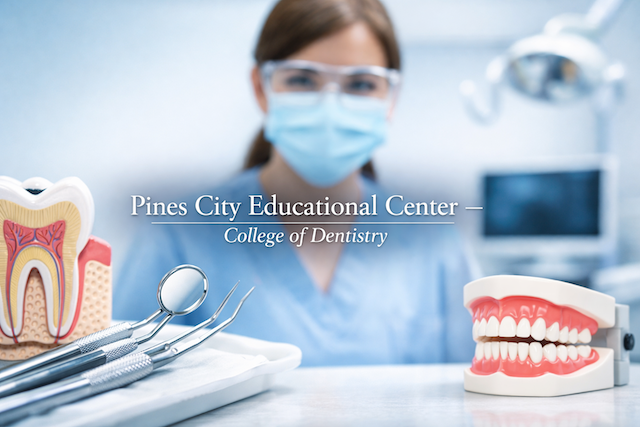
Pines City Educational Center – College of Dentistry
Contents
- Pines City Educational Center – College of Dentistry
- Quick Overview of the College of Dentistry
- Location Advantage: Studying Dentistry in Baguio City
- Program Structure: What Dentistry Students Typically Study
- Clinical Training: What “Hands-On” Usually Means
- Facilities and Learning Environment
- Admissions and Eligibility: What Applicants Should Prepare
- Tuition, Fees, and Budget Planning
- Student Life and Support: What Helps Dentistry Students Succeed
- Career Path After Graduation
- How to Evaluate if This Dental School Is Right for You
- Contact and Next Steps
- FAQs (Frequently Asked Questions)
- Is Pines City Educational Center the same as Pines City Colleges (PCC)?
- What degree do students typically earn in a Philippine dentistry program?
- How long does it usually take to complete dentistry in the Philippines?
- What should I expect in the first year of dental school?
- When do students start clinical practice with real patients?
- Does the school provide dental instruments and materials, or do students buy them?
- Is it possible to transfer into the dentistry program from another school?
- What qualities help students succeed in dentistry?
- What career paths are available after graduation?
- How can I confirm the most accurate and updated program details?
Pines City Educational Center – College of Dentistry
Pines City Educational Center is widely recognized in Baguio’s education landscape and is closely associated with what many students today know as Pines City Colleges (PCC). For dentistry applicants, the College of Dentistry represents one of the key professional pathways offered by the institution—designed for students who want a clinical, hands-on healthcare career with clear licensure and employment outcomes.
This guide explains what to expect from the College of Dentistry: the typical structure of dentistry education in the Philippines, the learning experience you can anticipate in Baguio City, admissions considerations, clinical training, and career pathways after graduation. Whether you are a local applicant, a transferee, or an international student comparing dental schools, the goal is to give you a practical, school-focused overview you can use to plan your next step.
Quick Overview of the College of Dentistry
The College of Dentistry is built around professional dental education—meaning the program is designed to prepare students for clinical competence, patient safety, ethical practice, and the skills required to pass the Philippine dentist licensure process. In most Philippine dental schools, the professional degree is the Doctor of Dental Medicine (DMD). While the exact sequencing varies by institution, students typically progress from foundational sciences to pre-clinical laboratory work, then to supervised clinical practice with real patients.
What students often look for in a dental school is a balance of:
- Strong foundations in anatomy, physiology, pathology, and pharmacology
- Skill-building through simulation labs (operative dentistry, prosthodontics, endodontics basics)
- Clinical exposure with direct patient care under faculty supervision
- Professional development including ethics, communication, case documentation, and teamwork
The College of Dentistry highlights its commitment to producing professionally and globally competitive graduates and emphasizes learning that includes real-life problem solving and leadership development.
Location Advantage: Studying Dentistry in Baguio City
Baguio City is a distinct environment for healthcare education. Its cooler climate, walkable districts in many areas, and student-focused neighborhoods can support a stable routine—an underrated factor for dental students who manage long lab hours, clinical requirements, and intensive examinations.
Practical considerations that can matter for dentistry students include:
- Daily schedule: Dentistry often includes early starts and extended clinic sessions; living close to campus can be a major advantage.
- Study culture: Baguio has a strong university community, which can be helpful when you need quiet study spaces, printing services, and affordable meals.
- Patient flow and community needs: In many schools, clinical training is strengthened when the surrounding community actively uses dental services, supporting consistent case exposure.
If you are relocating from another region, Baguio’s living costs, transport patterns, and housing options will influence your day-to-day sustainability—especially during clinical years when time becomes your most limited resource.
Program Structure: What Dentistry Students Typically Study
While each school has its own curriculum map, dentistry education in the Philippines generally moves through stages. Understanding these stages helps applicants set realistic expectations about workload and progression.
Stage 1: Foundational and Health Sciences
Students begin with core sciences and introductory health concepts. This stage strengthens the knowledge base required for later clinical reasoning. Common subject areas include human anatomy, physiology, biochemistry, microbiology, and general pathology.
Stage 2: Pre-Clinical Dentistry and Laboratory Training
Pre-clinical training is where dentistry starts to feel like dentistry. Students spend significant hours in laboratories and simulations to learn fine motor skills, instrument handling, tooth morphology, and foundational procedures. Typical learning areas include:
- Dental anatomy and occlusion
- Operative dentistry fundamentals
- Dental materials and instrumentation
- Prosthodontics basics (removable/fixed concepts)
- Radiology basics and interpretation
- Infection control and clinical safety
Stage 3: Clinical Dentistry and Patient Care
Clinical years are where students apply knowledge and skills with real patients, under supervision. Requirements usually include completing a set of cases and procedures across key disciplines. Students learn patient communication, diagnosis, treatment planning, documentation, and professionalism.
Stage 4: Integration, Case Management, and Exam Preparation
As students approach graduation, the focus shifts toward integrating disciplines, handling comprehensive cases, and preparing for licensure. Time management becomes critical, as students balance clinical requirements, written exams, and practical evaluations.
Clinical Training: What “Hands-On” Usually Means
Dentistry is a performance-based profession, so competence is developed through repeated practice. When schools talk about “hands-on learning,” it typically includes a mix of:
- Simulation and laboratory practice: working on models and training tools to build precision
- Clinical observation: learning chairside flow, patient interaction, and proper sequencing
- Supervised procedures: providing care with faculty guidance and evaluation
- Case documentation: charting, imaging records, consent processes, and treatment planning
Students should expect strict standards for infection control, sterilization workflow, and clinical protocols. These are not only academic requirements; they reflect professional expectations in modern dental practice.
Facilities and Learning Environment
Dental education usually requires specialized spaces and equipment. Although the exact facility inventory should be confirmed directly with the school, many colleges of dentistry commonly provide:
- Dental laboratories for pre-clinical exercises
- Clinical operatories for student patient care
- Radiology support for dental imaging learning and practice
- Instrument and materials systems aligned with infection control standards
- Lecture rooms and study areas that support science-heavy coursework
If you are comparing schools, it helps to ask about clinic scheduling, how patient intake works, and how students are assigned cases—because the quality of clinical exposure often depends on how the clinic system is organized, not only on equipment.
Admissions and Eligibility: What Applicants Should Prepare
Admissions policies vary, but dentistry programs typically have clear academic requirements and documentation standards. Applicants should generally prepare for:
- High school or college academic records (depending on entry level)
- Proof of identity and standard application documents
- Medical or health clearance requirements (common for clinical programs)
- Possible interviews or screening steps
For transferees: Transfer applicants often need course descriptions or syllabi for credit evaluation, plus a transcript and good moral character requirements. Transferring into dentistry can be complex because lab/clinical courses may not perfectly align across schools. If you are a transferee, plan for the possibility that some subjects may not be credited, especially skill-based lab courses.
For international students: International applicants typically need authenticated academic records and may have additional requirements related to student visas and equivalency. It’s recommended to communicate early to clarify document timelines and whether bridging subjects are required.
Tuition, Fees, and Budget Planning
Dentistry is one of the more financially demanding college programs because students often need instruments, materials, uniforms, clinical supplies, and other course-specific requirements. In addition to tuition, students should budget for:
- Dental kits and instruments (often purchased in stages)
- Laboratory materials (consumables used repeatedly)
- Uniforms, PPE, and clinic-related items
- Transportation and meals, especially during clinic-heavy schedules
- Printing and documentation costs for case records
If scholarships, installment options, or financial assistance are available, it is best to ask the registrar or student services office directly. Even when partial support is offered, students should still plan for consumable costs that vary by semester and by clinical workload.
Student Life and Support: What Helps Dentistry Students Succeed
Dentistry programs can be intense. The students who succeed are often those who combine discipline with consistent practice and good support systems. Helpful supports typically include:
- Academic advising: guidance on course progression and handling failed subjects without losing momentum
- Faculty mentorship: feedback on technique, ethics, and professional behavior
- Peer learning: study groups and skill-sharing in labs and clinics
- Wellness habits: sleep management, stress control, and sustainable daily routines
In Baguio, many students build routines around nearby meals, convenient housing, and study-friendly environments. For dentistry students, routine is not a luxury—it is a survival strategy that protects both performance and mental health.
Career Path After Graduation
Graduates of dentistry programs typically aim to become licensed dentists and enter clinical practice. Common pathways include:
- General dental practice: working in private clinics, group practices, or community settings
- Clinic employment: gaining experience before opening a private practice
- Public health dentistry: community-oriented work and outreach programs
- Further training and specialization: pursuing advanced clinical competence in selected fields
- Academia and education: teaching or supporting dental training programs
If your long-term plan is to work abroad, you should research the destination country’s licensure rules early. Many countries have additional exams, bridging programs, or credential evaluation processes for foreign-trained dentists. Your strategy may change depending on whether you plan to practice immediately after graduation in the Philippines or pursue international pathways later.
How to Evaluate if This Dental School Is Right for You
Choosing a dentistry program is a major decision because it affects your training quality, licensure readiness, and early career opportunities. When assessing Pines City Educational Center / PCC College of Dentistry, consider asking practical questions such as:
- How are clinical cases assigned, and how is patient flow maintained?
- What are the clinic schedules during clinical years, and how early do they start?
- What support exists if students struggle with clinical requirements?
- What is the general timeline from entry to graduation for an average student?
- What are the estimated non-tuition costs across the program (kits, consumables, uniforms)?
Also consider your personal fit. Dentistry rewards students who enjoy precision work, patient interaction, and long-term skill refinement. If you prefer fast-changing tasks and dislike repetitive technique practice, dentistry may feel draining. If you enjoy improving tiny details over time and like building trust with patients, the program can be deeply satisfying.
Contact and Next Steps
If you are ready to take the next step, the most efficient approach is to request updated admissions and program information directly from the College of Dentistry office. Ask for:
- The current admissions requirements and deadlines
- A summary of expected fees and semester-specific costs
- Guidance for transferees (credit evaluation process)
- Information for international applicants (document and visa guidance)
Planning ahead matters in dentistry. Students who start with a clear budget plan, realistic time expectations, and a strong daily routine tend to handle the program’s intensity far better—especially once clinical requirements begin. With the right preparation, studying dentistry in Baguio can be both manageable and professionally rewarding.
FAQs (Frequently Asked Questions)
Is Pines City Educational Center the same as Pines City Colleges (PCC)?
Pines City Educational Center is commonly associated with the institution many students refer to as Pines City Colleges (PCC). In practice, applicants may see both names used in different contexts such as branding, historical references, or documentation. If you are applying to the College of Dentistry, the safest approach is to confirm the official name that appears on your application forms, receipts, enrollment documents, and future academic records. You can do this by contacting the admissions or registrar’s office directly. This matters because the name that appears on your transcript and other school-issued documents should match your future licensure and credential requirements.
What degree do students typically earn in a Philippine dentistry program?
In the Philippines, dentistry schools commonly offer the Doctor of Dental Medicine (DMD) as the professional degree. The DMD is designed to train students in both theoretical knowledge and clinical competence, including patient assessment, diagnosis, treatment planning, and hands-on procedures. The exact title and curriculum structure may vary slightly depending on the institution, so it is best to confirm the official program name with the College of Dentistry. If you are comparing schools, focus on the curriculum flow, clinical exposure, faculty supervision system, and the student clinic requirements rather than only the degree label.
How long does it usually take to complete dentistry in the Philippines?
Program length can vary depending on the student’s entry pathway, academic performance, and how the curriculum is structured. Dentistry is typically longer than many undergraduate programs because it includes extensive laboratory and clinical training. Students should also consider that clinical requirements may take additional time if patient availability, scheduling, or case completion timelines become challenging. To plan accurately, request the school’s current curriculum map and ask whether the program is structured by year level, by competency stages, or by specific prerequisite sequences that affect progression.
What should I expect in the first year of dental school?
Many students begin with foundational sciences and introductory health-related subjects. You can expect coursework that builds your understanding of the human body, basic disease processes, and the scientific principles needed for later clinical reasoning. Even early on, students often learn professional habits such as documentation basics, infection control awareness, and discipline in lab-style learning. The workload can feel heavy because dentistry requires both memorization and skill development. A strong study routine, consistent attendance, and early improvement of your note-taking and exam preparation habits will help you adapt faster.
When do students start clinical practice with real patients?
In most dental schools, students first build skills through pre-clinical laboratory training before moving into supervised clinical practice. Pre-clinical work usually involves simulated procedures, dental anatomy exercises, and materials training that prepare you for patient-facing care. Clinical exposure typically starts once students have completed key prerequisites and demonstrated basic competence in safety, instrumentation, and technique. The specific timing differs by school, so ask the College of Dentistry about the usual year level when clinic begins, how students are assigned cases, and what requirements must be completed before you can treat patients.
Does the school provide dental instruments and materials, or do students buy them?
Dentistry students should plan for additional expenses beyond tuition. Many programs require students to purchase instruments, uniforms, and consumable materials, often in stages depending on the semester and the courses. Some schools offer packages or partner suppliers, while others provide a list of required items and students buy them independently. For budgeting, ask for an estimate of non-tuition costs per term, including laboratory consumables and clinical supplies. This can help you avoid financial stress during clinical years, when costs may increase due to higher patient-care activity.
Is it possible to transfer into the dentistry program from another school?
Transfer is sometimes possible, but dentistry transfers can be complicated because lab and clinical courses may not match perfectly across institutions. Even if you have completed similar subjects, credit recognition often depends on course descriptions, hours, and competency outcomes. Some skill-based courses may need to be repeated if the receiving school’s standards or sequence differs. If you plan to transfer, prepare your official transcript, course syllabi, and any documentation of completed laboratory or clinical work. Then request a formal evaluation from the school to understand what credits may be accepted and how it affects your timeline.
What qualities help students succeed in dentistry?
Successful dentistry students usually have discipline, patience, and strong attention to detail. Dentistry involves repetitive skill practice, steady improvement in fine motor control, and careful adherence to safety protocols. Communication skills are also essential because patient trust, consent, and comfort affect treatment success. Time management matters even more during clinical years when you balance patient schedules, case documentation, and exams. If you enjoy precision work and long-term skill refinement, you may find dentistry very rewarding. If you dislike repetitive practice or feel uncomfortable with patient interaction, you may need to prepare for a steep adjustment.
What career paths are available after graduation?
Graduates typically aim to become licensed dentists and begin practice in clinics, community settings, or public health programs. Many new dentists work as associates to gain experience before opening a private clinic. Others pursue further training, specialized clinical pathways, or academic roles. If you plan to work abroad, research the target country’s licensure process early because many locations require additional exams, credential evaluation, or bridging programs. Your long-term plan can influence your choices during school, such as clinical focus, documentation habits, and how you build professional experience after graduation.
How can I confirm the most accurate and updated program details?
The most reliable information comes directly from the College of Dentistry and the registrar or admissions office. Ask for the latest admissions requirements, enrollment deadlines, curriculum outline, clinic start timeline, and estimated fees. If you are an international applicant or transferee, request a checklist of required documents and an overview of the evaluation process. Because policies can change, especially for professional programs, it is best to confirm details shortly before you apply and again before enrollment. This reduces the risk of delays and helps you plan your budget and schedule realistically.
Dentistry in the Philippines: Education System, Universities, and Career Path

How to Register for eTravel Philippines (2025 Guide)
Step-by-step guide to completing your eTravel registration before arriving in the Philippines, with images and tips.

Night Market in Cebu – Things You Don’t Know About Cebu Life
Discover the hidden charm of Cebu’s night markets, from street food stalls to local life tips you won’t find in tourist guides.

How to Use ChatGPT for IELTS Preparation: A Complete Guide
Learn how to prepare for IELTS using ChatGPT — including strategies for Writing, Reading, Listening, Speaking, and grammar support.

How to Build a Website Without Coding Using ChatGPT
Discover how to build your own website using AI—no coding skills needed. From structure planning to SEO and design, let ChatGPT guide you.