2026年1月16日
3D ACADEMY offers affordable English study programs in Cebu, Philippines – perfect for beginners, professionals, and exam takers.

3D UNIVERSAL ENGLISH INSTITUTE INC
info.3d-universal.com
8:00-17:00(Mon-Fri)
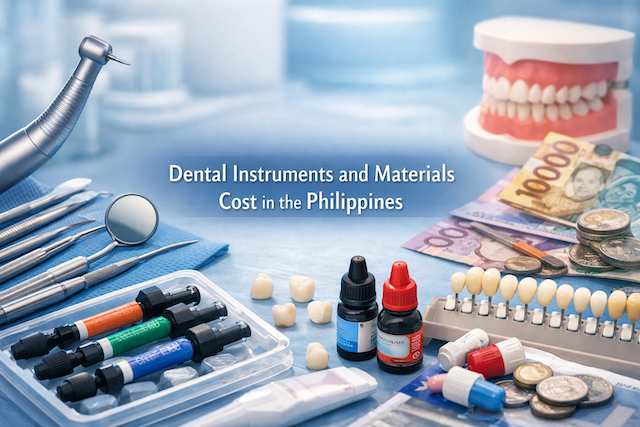
Dental Instruments and Materials Cost in the Philippines
Contents
- Dental Instruments and Materials Cost in the Philippines
- What Affects Dental Instrument and Material Prices in the Philippines
- Basic Diagnostic Instruments: Typical Costs
- Operative and Restorative Instruments: Typical Costs
- Dental Handpieces and Rotary Tools: Typical Costs
- Endodontic (Root Canal) Instruments and Materials: Typical Costs
- Periodontic and Prophylaxis Instruments: Typical Costs
- Oral Surgery Instruments: Typical Costs
- Restorative Materials: Composite, GIC, Amalgam, Bonding Systems
- Impression Materials and Prosthodontic Consumables
- Anesthetics, Needles, and Everyday Clinic Consumables
- Sterilization and Infection Control Costs
- Big-Ticket Clinic Equipment: When Instruments Become a Full Setup
- Sample Budgets: Student vs. Clinic Starter Kit
- Where to Buy in the Philippines: Practical Options
- How to Save Money Without Sacrificing Safety
- Final Checklist: What to Budget First
- FAQs (Frequently Asked Questions)
- How much should a dental student budget for instruments and materials in the Philippines?
- Why do the same dental instruments have such different prices online?
- Is it okay to buy dental instruments from online marketplaces in the Philippines?
- Which instruments should be clinic-grade, and which can be budget options?
- How much do dental handpieces typically cost in the Philippines?
- What recurring materials add the most to monthly costs for clinics?
- What’s the best way to avoid wasting money on expired dental materials?
- Do dental schools in the Philippines require specific brands for instruments or materials?
- What should a new clinic prioritize first: instruments, materials, or big equipment?
- How can I estimate my total cost if I’m not sure what procedures I’ll do most?
Dental Instruments and Materials Cost in the Philippines
Whether you are a dental student preparing for clinical requirements or a dentist setting up (or upgrading) a practice, the cost of dental instruments and materials in the Philippines can feel confusing at first. Prices range from very affordable “basic kits” sold online to premium, clinic-grade brands imported from Japan, Europe, or the US. Your total budget will depend on (1) the level of dentistry you’re doing (student practice vs. full private clinic), (2) the procedures you plan to offer, and (3) how strict you want to be about brand, durability, and after-sales support.
This guide breaks down typical cost ranges in Philippine pesos (PHP), explains what drives the price differences, and provides realistic budgeting examples. Treat the numbers as practical ranges—not fixed quotes—because suppliers, exchange rates, shipping, and promotions can change the final amount.
What Affects Dental Instrument and Material Prices in the Philippines
Before looking at specific items, it helps to understand why the same “type” of instrument can cost 5x to 20x more depending on the listing.
- Brand and origin: Premium imported brands usually cost more, especially if they come with warranties and verified quality control.
- Grade (student vs. clinic-grade): Many low-cost sets are intended for light use. Clinic-grade instruments are built for repeated sterilization and long-term durability.
- Material and finish: Stainless steel quality, corrosion resistance, and precision finishing affect price and lifespan.
- Supplier support: Items bought from established dental suppliers often include service, parts availability, and clearer authenticity—usually reflected in the price.
- Bundling: “Sets” are cheaper per piece than buying items individually, but quality can vary widely.
- Import costs and currency shifts: Handpieces, chairs, and lasers are especially sensitive to exchange rate changes and shipping fees.
Basic Diagnostic Instruments: Typical Costs
These are the essentials used for oral examination and basic procedures. Most students start here.
- Mouth mirror: around PHP 50–300 per piece for basic options; clinic-grade options can be higher depending on brand and handle type.
- Explorer/probe: around PHP 60–400 per piece depending on design and steel quality.
- Cotton pliers (college tweezers): around PHP 80–500 per piece.
- Basic diagnostic kit (mirror + explorer + tweezers): you can see online sets as low as PHP 70–300 for budget bundles, while sturdier sets can run PHP 300–1,500+.
Practical tip: If you’re a student, buying one affordable backup set is smart. If one instrument fails mid-term (rust, loose mirror head, bent explorer tip), you won’t be forced into an urgent overpriced purchase.
Operative and Restorative Instruments: Typical Costs
Operative dentistry tools are used for cavity preparation, restorations, and general tooth work. Costs rise as you move from basic hand instruments to rotary-driven systems.
- Excavators, spatulas, plastic instruments, carvers: typically PHP 150–900 per piece depending on quality and brand.
- Matrix bands and retainers: around PHP 150–1,200 (retainers cost more; bands and wedges vary by pack size).
- Composite instruments (non-stick coated): around PHP 300–1,800 per piece; sets may reduce the per-piece price.
For clinics, rotary and polishing tools become a major cost category because you will purchase burs, polishing points, discs, strips, and replacement consumables continuously.
Dental Handpieces and Rotary Tools: Typical Costs
Handpieces can be a major expense. In the Philippines, you can find very affordable online listings for “high-speed + low-speed sets,” while premium brands cost significantly more.
- Budget high-speed + low-speed set (online listings): commonly around PHP 3,500–9,000 for a basic set depending on included parts and promotion.
- Mid-range handpieces (better bearings, better durability): often PHP 8,000–25,000 per unit, depending on brand and features.
- Premium handpieces: can go PHP 25,000–70,000+ per unit, especially for well-known international brands with service support.
Hidden costs to plan for:
- Maintenance: lubrication systems, cleaning solutions, and periodic servicing.
- Repairs: bearings, turbines, and cartridges can add up.
- Compatibility: 2-hole vs. 4-hole connectors, couplers, and whether your clinic setup supports the handpiece you buy.
Endodontic (Root Canal) Instruments and Materials: Typical Costs
Endodontics can be affordable at the student level (basic hand files) but becomes more expensive when you add apex locators, rotary systems, and obturation devices.
- Hand files (K-files/H-files): around PHP 150–800 per pack depending on size assortment and brand.
- Gutta-percha points: around PHP 150–700 per box depending on brand and size system.
- Paper points: around PHP 150–700 per box.
- Irrigants (e.g., sodium hypochlorite, EDTA): highly variable; budget PHP 150–800 per bottle depending on concentration and size.
- Sealers: around PHP 300–2,500 depending on type and brand.
- Rotary endo motor and files: motors can range from PHP 10,000–60,000+; rotary file systems add ongoing costs per case.
Student note: Many schools specify exactly what brands or file systems they accept. Always check your clinical requirement list before buying in bulk.
Periodontic and Prophylaxis Instruments: Typical Costs
Scaling and periodontal instrumentation requires sharpness and corrosion resistance, because these instruments are repeatedly sterilized and need to maintain precise working edges.
- Scalers and curettes: around PHP 300–2,500 per piece depending on quality and brand.
- Sharpening stones and accessories: around PHP 300–2,000.
- Disposable prophylaxis items (cups, brushes): around PHP 100–600 per pack depending on quantity.
If your clinic offers full periodontal services, your ongoing cost is mostly in consumables and the long-term replacement of worn instruments.
Oral Surgery Instruments: Typical Costs
Oral surgery sets can be costly because they require sturdy construction and reliable locking mechanisms.
- Extraction forceps: around PHP 700–4,000 per piece depending on type and quality.
- Elevators/luxators: around PHP 500–3,000 per piece.
- Surgical curettes, retractors, needle holders, scissors: around PHP 400–3,500 per piece depending on grade.
- Sutures: commonly PHP 80–400 per pack depending on material and brand.
- Surgical blades and disposables: relatively affordable, but add up over time (budget PHP 200–800 for mixed disposables per week for a busy practice).
Clinical reality: In surgery, low-quality forceps can slip or misalign, which is not just inconvenient—it can increase procedure difficulty. For high-use surgical instruments, many clinics choose mid-range to premium options.
Restorative Materials: Composite, GIC, Amalgam, Bonding Systems
Dental materials are recurring expenses. Even if instruments last years, materials are constantly replenished. Below are practical ranges for common restorative items.
- Composite resin (syringes or capsules): around PHP 500–3,500 per unit depending on brand, shade system, and whether it’s bulk-fill or standard.
- Bonding agents: around PHP 600–3,500 depending on generation/type and bottle size.
- Etchant (phosphoric acid): around PHP 200–900 per syringe/bottle depending on size and brand.
- Glass ionomer cement (GIC): online prices can be seen from PHP 150–500 for budget packs, while well-known brands can be PHP 1,500–2,500+ per set depending on type.
- Amalgam: pricing varies widely and availability can differ by area and supplier; if used, budget according to capsule count and brand.
Quality tip: For clinics, consistency matters. Using random brands each month can lead to unpredictable handling, shade matching issues, and patient dissatisfaction. It’s often cheaper long-term to standardize around a few reliable material systems.
Impression Materials and Prosthodontic Consumables
If you do crowns, bridges, dentures, and other prosthodontic work, impression and lab-related consumables become a significant cost category.
- Alginate: around PHP 250–1,200 per tub depending on brand and setting type.
- Silicone impression materials (PVS/condensation): around PHP 1,500–8,000+ depending on brand and whether you use cartridges or tubs.
- Impression trays: reusable trays often PHP 200–1,000 each; disposable trays vary by pack pricing.
- Gypsum stones and plasters: around PHP 300–1,500 per bag depending on type/grade.
- Temporary crown materials: around PHP 800–4,000 per kit depending on system type.
Many clinics manage costs by keeping alginate for simple cases while reserving premium silicone systems for higher-value restorative work.
Anesthetics, Needles, and Everyday Clinic Consumables
These items seem small, but they are the “always buying” category.
- Local anesthetic cartridges: commonly PHP 900–2,500+ per box depending on brand and type.
- Needles and syringes: around PHP 150–600 per box depending on gauge and quantity.
- Gloves (per box): around PHP 250–900 depending on material (latex/nitrile) and thickness.
- Masks and caps: around PHP 100–600 per pack depending on filtration and quantity.
- Saliva ejectors, cups, bibs, cotton rolls, gauze: very affordable per pack, but plan a monthly budget because usage is constant.
Clinic budgeting rule: Track these consumables weekly. Small leaks (over-ordering, expired items, waste) become real money over a year.
Sterilization and Infection Control Costs
Sterilization is non-negotiable. Students and clinics both need a plan for instrument processing and infection control.
- Basic sterilization pouches: around PHP 200–900 per pack depending on size and quantity.
- Disinfectants and surface cleaners: around PHP 150–1,200 per bottle depending on type and size.
- Ultrasonic cleaner (optional but common in clinics): around PHP 3,000–25,000+ depending on capacity and build.
- Autoclave: small units can start around PHP 20,000–60,000, while clinic-grade systems can be PHP 60,000–250,000+ depending on chamber size, brand, and features.
Important: Don’t budget only for the autoclave. Include distilled water, maintenance, biological/chemical indicators (if used), replacement gaskets, and instrument cassette systems if your workflow requires them.
Big-Ticket Clinic Equipment: When Instruments Become a Full Setup
If you are opening a clinic, instruments and materials are only part of your budget. The dental unit/chair and supporting equipment can become the biggest upfront cost.
- Dental chair / dental unit: in the Philippines, basic units can start around PHP 150,000–300,000 for budget to mid-range options, while premium branded chairs can reach PHP 600,000–1,000,000+ depending on model, accessories, and distributor support.
- X-ray systems (intraoral/panoramic): can range widely from PHP 80,000 to PHP 1,500,000+ depending on digital sensors, type, and brand.
- Compressor and suction: commonly PHP 20,000–150,000+ depending on capacity and whether you need oil-free systems.
- Light-curing unit: around PHP 1,500–20,000+ depending on intensity and brand.
Advice for new clinics: If you must choose where to spend first, prioritize the reliability of the dental unit, suction/compressor stability, and sterilization. Fancy add-ons are useless if your core workflow fails.
Sample Budgets: Student vs. Clinic Starter Kit
Below are simplified examples to help you think in totals.
Example A: Dental student starter instruments (basic to mid-grade)
- Diagnostic set + backups: PHP 500–2,500
- Operative hand instruments: PHP 3,000–12,000
- Perio instruments: PHP 2,000–10,000
- Basic endo instruments: PHP 1,500–6,000
- Basic surgery instruments (if required): PHP 3,000–15,000
- Small recurring materials (school-dependent): PHP 1,000–5,000
Estimated student total: often PHP 10,000–50,000+ depending on your school’s list and how clinic-grade you go.
Example B: Small private clinic starter stock (excluding dental chair and major equipment)
- Core instrument sets (multiple duplicates): PHP 40,000–150,000
- Handpieces + maintenance supplies: PHP 30,000–200,000+
- Restorative materials (initial stock): PHP 20,000–120,000
- Endo starter systems: PHP 15,000–150,000+
- Infection control supplies (initial): PHP 10,000–60,000
Estimated clinic consumable + instrument startup: commonly PHP 115,000–680,000+, before chairs, X-ray, compressor, and renovation.
Where to Buy in the Philippines: Practical Options
Most buyers in the Philippines use a mix of sources depending on budget and urgency.
- Established dental suppliers/distributors: Better for authenticity, warranty, and higher-end equipment. Often more expensive upfront, but safer for big-ticket purchases.
- Online marketplaces: Useful for affordable tools, student kits, and quick replenishment of basic consumables. Quality can vary, so read listings carefully and avoid “too cheap to be true” items for critical procedures.
- Local dental trade events and supplier promos: Sometimes you can bundle big items and negotiate better terms.
Smart buying habit: Keep receipts and record your supplier contacts. If you run a clinic, supplier reliability becomes part of your operational stability.
How to Save Money Without Sacrificing Safety
- Buy duplicates only for high-use items: Mirrors, explorers, cotton pliers, common scalers, and composite instruments are used constantly. Having spares prevents downtime.
- Separate “training tools” from “patient-care tools”: Students can use more affordable tools for practice, but should maintain safe, functional instruments for clinical requirements.
- Standardize your materials: Clinics save money by choosing a few reliable composites, bonding systems, and cements instead of constantly switching brands.
- Plan for maintenance: A cheaper handpiece that fails quickly can cost more than a mid-range unit that lasts and can be repaired.
- Track expiry dates monthly: Many materials are wasted due to expiration, not usage.
Final Checklist: What to Budget First
If you feel overwhelmed, prioritize in this order:
- Core diagnostic and operative instruments (must-have fundamentals)
- Sterilization workflow (pouches, disinfectants, and safe processing)
- Materials you use weekly (composite, bonding, etch, basic cements)
- Specialty kits (endo, surgery, perio) based on your course requirements or clinic services
- Major equipment (chair, suction, compressor, X-ray) when moving from “instruments” to a full clinic setup
With a realistic plan, dental instruments and materials in the Philippines become manageable: start with essentials, buy clinic-grade where it matters, and treat consumables as a monthly operating system—not a one-time purchase.
FAQs (Frequently Asked Questions)
How much should a dental student budget for instruments and materials in the Philippines?
A realistic starter budget for a dental student in the Philippines often falls between PHP 10,000 and PHP 50,000+, but the range depends heavily on your school’s clinical requirements and how “clinic-grade” you want your tools to be. Some programs require specific instrument types for operative dentistry, periodontics, endodontics, and oral surgery, which can push costs upward. In addition, schools may require recurring purchases such as restorative materials, impression materials, gloves, masks, and sterilization pouches. If you are trying to control costs, prioritize durable basics (diagnostic set, common operative instruments, essential perio instruments) and avoid overbuying specialized kits until your instructors confirm exactly what you need for clinical performance.
Why do the same dental instruments have such different prices online?
Price differences usually come from three things: quality of stainless steel (and corrosion resistance), precision of finishing (tips, edges, joints, locking mechanisms), and the intended use level (student practice vs. heavy clinical use). Low-cost “bundle sets” may look similar in photos but can have softer metal, less reliable joints, or edges that dull quickly after repeated sterilization. More expensive instruments typically hold their shape, sharpen better, resist rust, and remain comfortable to use for longer appointments. Another factor is authenticity and after-sales support. Established suppliers and authorized distributors generally charge more because they provide clearer sourcing, warranties, and replacement options, especially for complex items.
Is it okay to buy dental instruments from online marketplaces in the Philippines?
For many students and even clinics, online marketplaces are practical for basic instruments and routine consumables, but you should buy carefully. For non-critical items such as mouth mirrors, cotton pliers, bibs, cups, gauze, saliva ejectors, and some impression trays, online options can be cost-effective. However, for high-risk or high-stress tools like extraction forceps, elevators, curettes, and high-speed handpieces, it is often safer to purchase from reputable dental suppliers. If you do buy online, check seller reputation, read reviews that mention durability and rust resistance, confirm return policies, and avoid listings that are dramatically cheaper than the typical market price.
Which instruments should be clinic-grade, and which can be budget options?
Clinic-grade matters most for instruments used frequently and sterilized repeatedly. Periodontal scalers and curettes, surgical instruments (needle holders, forceps, elevators), and core operative hand instruments are often worth upgrading because they must stay sharp, aligned, and corrosion-resistant. Handpieces are another category where clinic-grade reliability can prevent costly downtime. Budget options are usually safer for “backup” diagnostic sets, basic trays, some composite placement tools for training, and low-risk accessories. A common strategy is to buy a mid-range primary set for daily use and keep a cheaper backup set for emergencies, especially during student clinics.
How much do dental handpieces typically cost in the Philippines?
Handpiece pricing varies widely. Budget online sets that include high-speed and low-speed components can be found for a few thousand pesos, while mid-range units can cost several times more. Premium handpieces from established international brands can be significantly more expensive, especially when purchased through authorized distributors with service support. Beyond the purchase price, you should budget for maintenance supplies (lubricants, cleaning solutions), possible repairs, and compatibility needs such as couplers and connector types. In many cases, a slightly more expensive handpiece that can be serviced locally ends up costing less over time than a cheaper unit that fails frequently and cannot be repaired.
What recurring materials add the most to monthly costs for clinics?
For most clinics, the biggest recurring costs come from restorative materials (composite resin, bonding agents, etchant), infection control and disposables (gloves, masks, pouches, disinfectants), anesthetics and needles, and procedure-specific consumables such as burs, polishing discs, endodontic files, gutta-percha, and impression materials. Even if each item seems affordable, the volume used in daily practice makes the monthly total significant. A practical method is to track weekly usage for your top 20 consumables and set reorder points. This reduces emergency buying and helps prevent waste from expired materials.
What’s the best way to avoid wasting money on expired dental materials?
Expiration waste is common in both student clinics and private practices. To minimize it, buy smaller quantities of slow-moving materials (special shades, rarely used cements) and larger quantities only for fast-moving items. Store materials according to manufacturer instructions, especially adhesives and composites that can degrade with heat or improper sealing. Implement a simple “first-expire, first-out” routine: place newer stock behind older stock and check expiration dates monthly. For clinics, assigning one staff member to manage inventory and document consumption can quickly reduce waste and reveal which items are being over-ordered or underused.
Do dental schools in the Philippines require specific brands for instruments or materials?
Some programs do. Requirements vary by school and sometimes by instructor, especially for endodontic files, restorative systems, and clinical consumables. Even when brands are not strictly required, instructors may recommend certain types (for example, specific file sizes, non-stick composite instruments, or particular impression materials) that match the school’s training approach. Before buying large kits, ask for the official requirement list for your year level and confirm whether alternatives are allowed. This is one of the easiest ways to avoid unnecessary spending, especially on specialty items you may not use until later.
What should a new clinic prioritize first: instruments, materials, or big equipment?
If you are launching a small clinic, prioritize workflow stability and safety first. That usually means: (1) a reliable sterilization system (autoclave, pouches, disinfectants, instrument processing setup), (2) a stable core treatment setup (dental unit, suction, compressor), and (3) a standardized set of basic instruments and materials for your most common procedures. Advanced specialties can be added later as your patient base grows. Many new clinics overspend on “nice-to-have” upgrades while underbudgeting for consumables and maintenance, which can disrupt operations. A balanced plan builds a dependable foundation and expands gradually based on demand.
How can I estimate my total cost if I’m not sure what procedures I’ll do most?
Start by listing your “core services” or clinical requirements, then allocate a budget in layers. Layer one is universal: diagnostic instruments, operative basics, sterilization supplies, gloves, masks, and basic restorative materials. Layer two depends on services: endo, surgery, perio, or prosthodontics—each adds specific instruments and recurring consumables. Layer three is equipment upgrades such as better handpieces, digital tools, or imaging systems. If you’re uncertain, buy minimally for layers two and three until your training schedule (for students) or patient demand (for clinics) becomes clear. This approach keeps your upfront costs controlled while still letting you scale intelligently.
Dentistry in the Philippines: Education System, Universities, and Career Path

How to Register for eTravel Philippines (2025 Guide)
Step-by-step guide to completing your eTravel registration before arriving in the Philippines, with images and tips.

Night Market in Cebu – Things You Don’t Know About Cebu Life
Discover the hidden charm of Cebu’s night markets, from street food stalls to local life tips you won’t find in tourist guides.

How to Use ChatGPT for IELTS Preparation: A Complete Guide
Learn how to prepare for IELTS using ChatGPT — including strategies for Writing, Reading, Listening, Speaking, and grammar support.

How to Build a Website Without Coding Using ChatGPT
Discover how to build your own website using AI—no coding skills needed. From structure planning to SEO and design, let ChatGPT guide you.