2026年4月3日
3D ACADEMY offers affordable English study programs in Cebu, Philippines – perfect for beginners, professionals, and exam takers.

3D UNIVERSAL ENGLISH INSTITUTE INC
info.3d-universal.com
8:00-17:00(Mon-Fri)
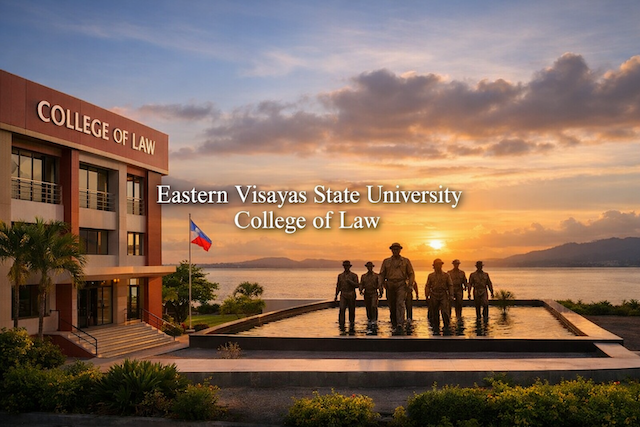
Eastern Visayas State University College of Law
Contents
- Eastern Visayas State University College of Law
- Introduction
- History and Background
- Mission and Vision
- Juris Doctor Program Overview
- Admission Requirements
- Faculty and Academic Excellence
- Facilities and Learning Environment
- Student Life
- Bar Examination Performance
- Career Opportunities
- Advantages of Studying at EVSU College of Law
- Challenges and Considerations
- Future Prospects
- Conclusion
- FAQs (Frequently Asked Questions)
- What is Eastern Visayas State University College of Law known for?
- What degree does Eastern Visayas State University College of Law offer?
- Who can apply to Eastern Visayas State University College of Law?
- Is Eastern Visayas State University College of Law a good option for working students?
- How difficult is it to study law at Eastern Visayas State University College of Law?
- What are the usual subjects included in the law curriculum?
- Does studying at a regional law school affect future career opportunities?
- Why do students choose Eastern Visayas State University College of Law instead of a private law school?
- What should prospective students prepare before entering law school?
- Is Eastern Visayas State University College of Law a good choice for students who want to serve their community?
Eastern Visayas State University College of Law
Introduction
Eastern Visayas State University (EVSU) College of Law is one of the emerging institutions for legal education in the Philippines, particularly in the Eastern Visayas region. Located in Tacloban City, Leyte, EVSU has steadily built its reputation as a public university committed to accessible, quality education. The College of Law plays a crucial role in shaping future legal professionals who aim to serve not only the region but also the country as a whole.
In recent years, the demand for legal education outside Metro Manila has increased, and institutions like EVSU have stepped up to provide opportunities for aspiring lawyers who prefer to study closer to home. The EVSU College of Law reflects this shift by offering a Juris Doctor (JD) program designed to be both rigorous and responsive to local realities.
This article provides a comprehensive overview of the EVSU College of Law, including its background, academic programs, admission requirements, facilities, student life, and career prospects.
History and Background
Eastern Visayas State University traces its roots back to technical and vocational education institutions that were later expanded into a full-fledged university. Over time, EVSU broadened its academic offerings to include professional programs, including law.
The establishment of the College of Law was driven by the need to produce competent legal professionals in Eastern Visayas. Historically, many students from Leyte, Samar, and nearby provinces had to relocate to Cebu or Manila to pursue legal studies. EVSU addressed this gap by creating a law program that is both affordable and regionally relevant.
Since its inception, the College of Law has focused on building a strong academic foundation while maintaining accessibility for students from diverse socioeconomic backgrounds.
Mission and Vision
The EVSU College of Law aligns with the university’s broader mission of providing inclusive and quality education. Its vision is to develop lawyers who are not only knowledgeable in the law but also socially responsible and ethically grounded.
The college aims to:
- Produce competent and practice-ready lawyers
- Promote justice, integrity, and professionalism
- Encourage community engagement and public service
- Support regional development through legal education
This mission is particularly important in Eastern Visayas, where access to legal services can be limited in rural and underserved areas.
Juris Doctor Program Overview
The primary program offered by the EVSU College of Law is the Juris Doctor (JD), a four-year professional degree required to take the Philippine Bar Examination.
Curriculum Structure
The JD curriculum at EVSU is designed to provide a comprehensive understanding of Philippine law. It covers both theoretical and practical aspects, ensuring that students are well-prepared for legal practice.
Core subjects typically include:
- Constitutional Law
- Civil Law
- Criminal Law
- Labor Law
- Commercial Law
- Remedial Law
- Legal Ethics
In addition to these foundational courses, students may also take electives that allow them to specialize or explore areas of interest such as environmental law, human rights law, or taxation.
Practical Training
One of the key components of the program is experiential learning. Students are encouraged to participate in:
- Moot court competitions
- Legal aid clinics
- Internship programs
- Court observations
These activities help bridge the gap between theory and practice, giving students real-world exposure to the legal profession.
Admission Requirements
Admission to the EVSU College of Law is competitive, although it remains more accessible compared to private law schools in major cities.
Basic Requirements
Applicants are generally required to submit:
- A bachelor’s degree from a recognized institution
- Official transcripts of records
- Entrance examination results
- Certificate of good moral character
Some applicants may also be required to undergo an interview as part of the screening process.
Entrance Examination
The law entrance exam typically assesses:
- English proficiency
- Logical reasoning
- Analytical skills
- General knowledge
This ensures that incoming students possess the foundational skills necessary for legal studies.
Ideal Candidates
The College of Law looks for students who demonstrate:
- Strong reading and comprehension skills
- Critical thinking ability
- Commitment to hard work
- Interest in public service
Given the rigorous nature of law school, these qualities are essential for success.
Faculty and Academic Excellence
The EVSU College of Law is supported by a team of qualified faculty members, many of whom are practicing lawyers, judges, or legal consultants. This blend of academic and practical expertise enriches the learning experience.
Teaching Approach
Faculty members emphasize:
- Case-based learning
- Socratic method discussions
- Legal research and writing
- Practical application of legal principles
This approach encourages active participation and helps students develop confidence in legal reasoning and argumentation.
Continuous Improvement
The college continuously updates its curriculum to align with:
- Changes in Philippine laws
- Supreme Court rulings
- Bar examination trends
This ensures that students receive up-to-date and relevant legal education.
Facilities and Learning Environment
As part of a public university, EVSU provides essential facilities to support law students.
Classrooms and Libraries
The College of Law offers:
- Lecture rooms equipped for discussions
- Access to a university library with legal resources
- Study areas for individual and group work
While facilities may not be as advanced as those in top private institutions, they are sufficient for academic success.
Digital Resources
Students also benefit from:
- Online legal databases
- E-learning platforms
- Access to digital case law and journals
These resources are increasingly important in modern legal education.
Student Life
Law school is demanding, but EVSU provides a supportive environment that helps students balance academics and personal growth.
Student Organizations
Students can join organizations such as:
- Law student government
- Debate and moot court teams
- Legal aid groups
These organizations foster leadership, teamwork, and professional development.
Community Engagement
A strong emphasis is placed on community involvement. Students often participate in:
- Legal outreach programs
- Free legal consultation services
- Public education campaigns
This aligns with the college’s mission of promoting social justice.
Work-Life Balance
Many EVSU law students are working professionals. The college often accommodates this by offering flexible schedules, such as evening classes, making it possible to pursue a law degree while maintaining employment.
Bar Examination Performance
Bar exam performance is a key indicator of a law school’s effectiveness. While EVSU may not yet rank among the top-performing law schools nationally, it has shown steady improvement over the years.
Graduates who pass the bar contribute to the growing reputation of the college. As the program matures, continued improvements in performance are expected.
Career Opportunities
Graduates of the EVSU College of Law have various career paths available to them.
Legal Practice
Many graduates pursue careers as:
- Litigation lawyers
- Corporate legal counsel
- Public attorneys
Government Service
Given its regional focus, a significant number of graduates work in government roles, including:
- Prosecutors
- Public defenders
- Legal officers in local government units
Academia and Research
Some graduates choose to enter academia or engage in legal research, contributing to the development of legal scholarship.
Non-Traditional Careers
A law degree also opens doors to careers in:
- Business management
- Compliance and risk management
- Policy development
Advantages of Studying at EVSU College of Law
Choosing EVSU offers several benefits:
Affordability
As a public university, EVSU provides lower tuition fees compared to private law schools, making legal education more accessible.
Regional Accessibility
Students from Eastern Visayas can study law without relocating to major cities, reducing living expenses and staying close to family.
Community-Oriented Education
The college emphasizes service to the community, preparing students to address local legal issues.
Flexible Learning Options
Evening classes and accommodating schedules make it ideal for working students.
Challenges and Considerations
While EVSU has many strengths, there are also some challenges to consider:
Limited Resources
Compared to top-tier law schools, EVSU may have fewer resources and facilities.
Competitive Environment
Students must be self-motivated and disciplined to succeed, especially in a demanding program like law.
Bar Exam Pressure
Like all law schools, preparing for the bar exam requires significant dedication and effort.
Future Prospects
The future of the EVSU College of Law looks promising. With increasing demand for legal education in the region, the college is expected to continue growing and improving.
Potential developments may include:
- Enhanced facilities and resources
- Expanded academic programs
- Stronger bar exam performance
- Increased partnerships with legal institutions
As the college evolves, it will likely play an even more significant role in shaping the legal landscape of Eastern Visayas.
Conclusion
Eastern Visayas State University College of Law represents an important opportunity for aspiring lawyers in the Philippines, particularly in the Eastern Visayas region. By offering accessible, affordable, and community-oriented legal education, EVSU helps bridge the gap between aspiration and opportunity.
While it may not yet rival the country’s most prestigious law schools, its commitment to quality education and public service makes it a valuable institution. For students seeking a practical and meaningful legal education close to home, EVSU College of Law is a strong and viable choice.
FAQs (Frequently Asked Questions)
What is Eastern Visayas State University College of Law known for?
Eastern Visayas State University College of Law is known for providing accessible legal education in the Eastern Visayas region of the Philippines. As part of a public university, it gives aspiring law students an opportunity to pursue a Juris Doctor degree without necessarily moving to larger cities such as Manila or Cebu. The college is especially valuable for students who want a more affordable legal education while staying closer to their families and communities. It is also recognized for serving the educational needs of the region and helping produce future lawyers who may later work in public service, private practice, or community-based legal work.
What degree does Eastern Visayas State University College of Law offer?
The college primarily offers the Juris Doctor program, which is the professional law degree required in the Philippines for those who want to qualify for the Bar Examination. The Juris Doctor program usually takes four years to complete, although the exact pace may vary depending on the student’s academic load and the school’s policies. The curriculum is designed to cover major fields of Philippine law, including constitutional law, civil law, criminal law, labor law, commercial law, remedial law, and legal ethics. The goal is to prepare students for both the academic demands of law school and the professional responsibilities of becoming a lawyer.
Who can apply to Eastern Visayas State University College of Law?
Applicants are generally expected to have completed a bachelor’s degree from a recognized college or university before applying. This means students from different academic backgrounds may apply, provided they meet the admission requirements set by the school. Graduates of political science, accountancy, business, education, engineering, and many other fields may be considered. In most cases, the college also requires official academic records, proof of graduation, and other supporting documents. Applicants should be prepared for a screening process that may include an entrance examination and, in some cases, an interview.
Is Eastern Visayas State University College of Law a good option for working students?
Yes, it can be a practical option for working students, especially if the college offers class schedules that are more manageable for people with jobs or family responsibilities. Many regional and public law schools in the Philippines attract students who are already employed, and this makes flexibility an important factor. While law school is still highly demanding and requires serious time for reading, recitation, and exam preparation, a school environment that understands the realities of working students can be very helpful. Students should still expect a rigorous experience, but the overall setup may be more realistic for those balancing multiple responsibilities.
How difficult is it to study law at Eastern Visayas State University College of Law?
Studying law at Eastern Visayas State University College of Law is challenging, just as it is in any law school in the Philippines. Law students are expected to read large volumes of cases, understand legal doctrines, participate in class discussions, and prepare for demanding examinations. The difficulty does not only come from memorizing legal rules, but also from learning how to analyze facts, apply legal principles, and defend a position logically. Students who are disciplined, consistent, and willing to improve their reading and writing skills usually have a better chance of succeeding. Time management, mental endurance, and commitment are essential throughout the program.
What are the usual subjects included in the law curriculum?
The Juris Doctor curriculum generally includes foundational and advanced subjects in Philippine law. Students can expect courses in constitutional law, persons and family relations, obligations and contracts, criminal law, evidence, civil procedure, taxation, labor law, legal ethics, and political law. In addition to these, there may also be training in legal research, legal writing, and trial advocacy. Some schools also include electives or practical courses that expose students to real-world legal issues. These subjects are meant to build a strong legal foundation while also helping students prepare for the Bar Examination and future legal practice.
Does studying at a regional law school affect future career opportunities?
Studying at a regional law school like Eastern Visayas State University College of Law does not prevent graduates from building successful legal careers. What matters most in the long run is the student’s performance in law school, success in the Bar Examination, practical skills, work ethic, and professional reputation. Graduates may pursue careers in litigation, government service, corporate work, legal research, compliance, and many other fields. In fact, graduates who remain in the region may find meaningful opportunities to serve local communities, local governments, and regional institutions that need legal professionals. A strong commitment to learning and professional growth often matters more than location alone.
Why do students choose Eastern Visayas State University College of Law instead of a private law school?
Many students choose Eastern Visayas State University College of Law because of affordability, accessibility, and regional convenience. Public universities usually offer lower tuition than private institutions, which can make a major difference over four years of legal education. Students from Tacloban and nearby provinces may also prefer to study closer to home rather than relocate to another city. This reduces living expenses and can provide emotional and practical support from family. Some students are also drawn to the idea of studying in an institution that has a stronger connection to local realities and community needs.
What should prospective students prepare before entering law school?
Prospective students should prepare academically, mentally, and practically. Academically, it helps to strengthen reading comprehension, writing ability, grammar, and logical reasoning. Mentally, students should be ready for pressure, strict deadlines, and constant self-discipline. Practically, they should also think about finances, transportation, schedule management, and access to study resources. Law school can be overwhelming for students who enter without a clear plan. Developing a study routine, improving note-taking habits, and learning how to manage stress can make the transition smoother. It is also helpful to enter law school with realistic expectations about workload and long-term commitment.
Is Eastern Visayas State University College of Law a good choice for students who want to serve their community?
Yes, it can be an excellent choice for students who want to use legal education as a way to serve their local communities. Because the college is situated in Eastern Visayas, students may develop a stronger understanding of the legal and social issues affecting the region. This can inspire graduates to work in public service, legal aid, local governance, or advocacy. A law degree is not only a path to professional advancement but also a tool for helping people navigate justice, rights, and public institutions. For students who want their legal career to have a direct social impact, this kind of environment can be especially meaningful.

How to Register for eTravel Philippines (2025 Guide)
Step-by-step guide to completing your eTravel registration before arriving in the Philippines, with images and tips.

Night Market in Cebu – Things You Don’t Know About Cebu Life
Discover the hidden charm of Cebu’s night markets, from street food stalls to local life tips you won’t find in tourist guides.

How to Use ChatGPT for IELTS Preparation: A Complete Guide
Learn how to prepare for IELTS using ChatGPT — including strategies for Writing, Reading, Listening, Speaking, and grammar support.

How to Build a Website Without Coding Using ChatGPT
Discover how to build your own website using AI—no coding skills needed. From structure planning to SEO and design, let ChatGPT guide you.