2026年4月3日
3D ACADEMY offers affordable English study programs in Cebu, Philippines – perfect for beginners, professionals, and exam takers.

3D UNIVERSAL ENGLISH INSTITUTE INC
info.3d-universal.com
8:00-17:00(Mon-Fri)
Bicol University College of Law
Contents
- Bicol University College of Law
- Introduction to Bicol University College of Law
- History and Background
- Location and Campus Environment
- Academic Programs and Curriculum
- Admission Requirements
- Tuition and Fees
- Faculty and Teaching Approach
- Bar Examination Performance
- Student Life and Organizations
- Career Opportunities for Graduates
- Strengths of Bicol University College of Law
- Challenges and Areas for Improvement
- Why Choose Bicol University College of Law?
- Conclusion
- FAQs (Frequently Asked Questions)
- What is Bicol University College of Law known for?
- Where is Bicol University College of Law located?
- What program does Bicol University College of Law offer?
- Is Bicol University College of Law a good choice for aspiring lawyers?
- How much is the tuition at Bicol University College of Law?
- What are the admission requirements for Bicol University College of Law?
- Does studying at Bicol University College of Law help with Bar Exam preparation?
- What career opportunities are available after graduating from Bicol University College of Law?
Bicol University College of Law
Introduction to Bicol University College of Law
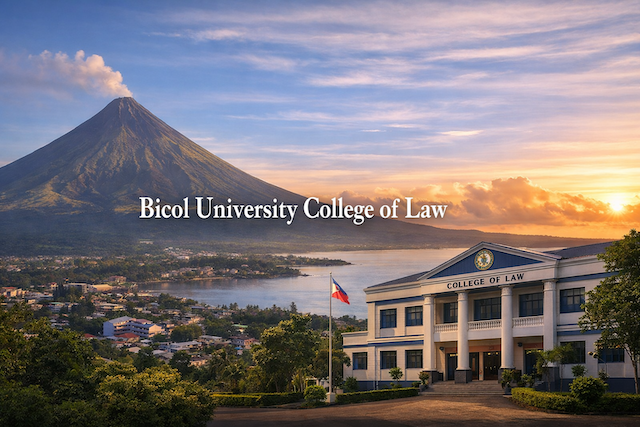
Bicol University College of Law (BU Law) is one of the leading public law schools in the Bicol Region of the Philippines. Located in Legazpi City, Albay, the college plays a vital role in producing competent, ethical, and socially responsible lawyers who contribute to both local and national development. As part of Bicol University, a premier state university, the College of Law benefits from a strong academic foundation, government support, and a mission deeply rooted in public service.
For students seeking an affordable yet high-quality legal education in the Philippines, Bicol University College of Law stands out as an attractive option. It combines academic rigor, community engagement, and a strong emphasis on practical legal training.
History and Background
Bicol University was established in 1969 through Republic Act No. 5521, merging several educational institutions in the region. Over the years, it has grown into a comprehensive university offering a wide range of programs, including law.
The College of Law was later established to address the increasing need for legal professionals in the Bicol Region. Since its inception, BU Law has focused on making legal education accessible to students from diverse socioeconomic backgrounds. Its mission aligns with the university’s broader goal of regional development and nation-building.
Despite being relatively younger than some of the more established law schools in Manila, BU Law has steadily built a reputation for producing capable graduates who perform well in the Philippine Bar Examinations and serve in various sectors such as government, private practice, and academia.
Location and Campus Environment
Bicol University College of Law is situated in Legazpi City, the capital of Albay province. The city is known for its scenic beauty, with the iconic Mayon Volcano providing a dramatic backdrop.
Advantages of Studying in Legazpi City
- Peaceful Learning Environment: Compared to Metro Manila, Legazpi offers a quieter and less congested setting, allowing students to focus on their studies.
- Lower Cost of Living: Accommodation, food, and transportation are significantly more affordable than in major urban centers.
- Natural Attractions: The region is rich in natural beauty, providing opportunities for relaxation and stress relief during law school.
- Community-Oriented Culture: Students often experience a strong sense of community, which can be beneficial for networking and collaboration.
The campus itself provides essential facilities such as classrooms, libraries, and administrative offices. While it may not have the same level of infrastructure as top-tier private universities, it offers a functional and supportive academic environment.
Academic Programs and Curriculum
Bicol University College of Law offers the Juris Doctor (JD) program, which is the standard law degree in the Philippines. The program typically spans four years for full-time students.
Core Subjects
The curriculum covers all major areas of law required for the Philippine Bar Examination, including:
- Civil Law
- Criminal Law
- Constitutional Law
- Commercial Law
- Remedial Law
- Labor Law
- Taxation Law
- International Law
- Legal Ethics
Skills Development
In addition to theoretical knowledge, BU Law emphasizes the development of practical legal skills such as:
- Legal research and writing
- Case analysis
- Oral advocacy
- Negotiation and mediation
Students are trained to think critically and apply legal principles to real-world situations.
Clinical Legal Education
Like many law schools in the Philippines, BU Law incorporates clinical legal education into its program. This may include:
- Legal aid services
- Internship opportunities
- Court observations
- Community outreach programs
These experiences help students gain hands-on exposure to the legal profession.
Admission Requirements
Admission to Bicol University College of Law is competitive but accessible, especially for students in the region.
Basic Requirements
Applicants are typically required to submit:
- A bachelor’s degree from a recognized institution
- Transcript of Records (TOR)
- Certificate of Good Moral Character
- Entrance examination results
- Personal interview
Entrance Examination
The law school may administer its own entrance exam or require results from standardized tests. The exam usually evaluates:
- English proficiency
- Logical reasoning
- Analytical skills
Interview Process
Applicants may undergo an interview to assess their motivation, communication skills, and readiness for law school.
Tuition and Fees
One of the biggest advantages of studying at Bicol University College of Law is its affordability.
Estimated Costs
As a public university, BU Law offers significantly lower tuition fees compared to private law schools. While exact figures may vary, students can expect:
- Tuition: Minimal to moderate fees due to government subsidies
- Miscellaneous Fees: Library, registration, and other administrative costs
Financial Assistance
Students may also benefit from:
- Scholarships
- Government grants
- Student assistance programs
This makes legal education more accessible to students from different financial backgrounds.
Faculty and Teaching Approach
The faculty at Bicol University College of Law consists of experienced lawyers, judges, and legal scholars.
Teaching Style
The college employs a mix of traditional and modern teaching methods, including:
- Socratic method (question-and-answer style)
- Lectures and discussions
- Case-based learning
- Mock trials and debates
Faculty Expertise
Many professors are active practitioners, bringing real-world insights into the classroom. This helps bridge the gap between theory and practice.
Bar Examination Performance
Bar exam performance is a key indicator of a law school’s quality. While Bicol University College of Law may not consistently rank among the top-performing schools nationally, it has produced successful bar passers over the years.
Key Points
- Graduates regularly pass the Philippine Bar Examination
- Some alumni have achieved notable rankings
- Continuous efforts are made to improve bar performance through review programs
The college focuses on strengthening its curriculum and support systems to enhance student success.
Student Life and Organizations
Law school is not just about academics; student life plays an important role in personal and professional development.
Student Organizations
Students at BU Law can participate in various organizations, such as:
- Law student government
- Debate and moot court teams
- Legal aid groups
- Academic clubs
These organizations provide opportunities for leadership, networking, and skill development.
Events and Activities
- Seminars and workshops
- Legal forums
- Community outreach programs
- Bar review sessions
Such activities enrich the overall law school experience.
Career Opportunities for Graduates
Graduates of Bicol University College of Law have a wide range of career options.
Common Career Paths
- Private Practice: Working as a lawyer in law firms or independently
- Government Service: Positions in courts, прокуратор’s office, or government agencies
- Corporate Sector: Legal departments of companies
- Academia: Teaching law or pursuing further studies
- Judiciary: Becoming judges after gaining experience
Regional Advantage
Graduates who choose to stay in the Bicol Region often find strong opportunities due to:
- High demand for legal professionals
- Familiarity with local laws and culture
- Established community connections
Strengths of Bicol University College of Law
Affordability
One of the most significant advantages is the low cost of education, making it accessible to a broader range of students.
Community Focus
The college emphasizes service to the community, aligning with the university’s mission.
Practical Training
Through legal aid and internships, students gain valuable real-world experience.
Supportive Environment
The smaller class sizes and regional setting foster closer relationships between students and faculty.
Challenges and Areas for Improvement
While BU Law has many strengths, it also faces certain challenges.
Infrastructure
Facilities may not be as advanced as those in top private universities.
National Recognition
The college is less known compared to prestigious law schools in Metro Manila.
Bar Exam Rankings
There is room for improvement in consistently achieving higher bar exam performance.
Despite these challenges, the college continues to evolve and improve its programs.
Why Choose Bicol University College of Law?
Choosing a law school is a major decision, and BU Law offers several compelling reasons:
- Affordable legal education
- Strong community and regional focus
- Practical training opportunities
- Accessible admission process
- Balanced academic and personal development
It is particularly suitable for students who want to pursue law without the financial burden of expensive tuition fees while still receiving a solid education.
Conclusion
Bicol University College of Law is a valuable institution for aspiring lawyers, especially those in the Bicol Region. It provides a well-rounded legal education that combines academic rigor, practical experience, and a strong sense of social responsibility.
While it may not have the same level of prestige as some top law schools in the Philippines, it offers a unique combination of affordability, accessibility, and community engagement. For many students, this makes it an ideal choice.
As the college continues to develop and strengthen its programs, it is poised to play an even greater role in shaping the future of legal education in the region and beyond.
FAQs (Frequently Asked Questions)
What is Bicol University College of Law known for?
Bicol University College of Law is known for offering accessible and affordable legal education in the Bicol Region. As part of a public university, it attracts students who want to pursue a Juris Doctor degree without the very high tuition costs often associated with private law schools in the Philippines. It is also recognized for its regional importance, since it helps train future lawyers, public servants, and legal professionals who may later serve in Albay, Legazpi City, and neighboring provinces.
Another reason it stands out is its connection to Bicol University, a respected state university with a broad academic system. This gives the College of Law a strong institutional foundation. Many students consider it a practical option because it combines legal education, public service values, and a learning environment that may feel more community-centered than larger urban law schools.
Where is Bicol University College of Law located?
Bicol University College of Law is located in Legazpi City, Albay, in the Bicol Region of the Philippines. Legazpi City is widely known for its view of Mayon Volcano, one of the country’s most iconic natural landmarks. For law students, this location offers both practical and lifestyle advantages. Compared to heavily urbanized cities, Legazpi may provide a calmer environment that supports focused academic work.
The city also serves as an important regional center, which means students can still access government offices, courts, businesses, and other institutions relevant to legal education and training. For many aspiring lawyers from the Bicol Region, studying in Legazpi allows them to stay closer to home while receiving formal legal training.
What program does Bicol University College of Law offer?
Bicol University College of Law offers the Juris Doctor program, which is the standard professional law degree in the Philippines. This program is designed to prepare students for legal practice, the Bar Examinations, and various careers in law, government, and business. The curriculum generally includes foundational and advanced subjects such as constitutional law, criminal law, civil law, labor law, taxation, remedial law, and legal ethics.
Beyond classroom instruction, the program is also meant to build legal reasoning, research ability, advocacy skills, and ethical judgment. Students are expected to read cases, analyze legal issues, participate in class discussions, and develop discipline in both oral and written argumentation. The program is demanding, but it is also structured to help students gradually build the competencies needed for the legal profession.
Is Bicol University College of Law a good choice for aspiring lawyers?
For many students, yes. Bicol University College of Law can be a strong choice, especially for those looking for a more affordable law school in a public university setting. It may be particularly attractive to students from the Bicol Region who want to pursue law while staying connected to their home communities. Cost is often a major factor in legal education, and public institutions like Bicol University can make law school more financially realistic.
It may also be a good fit for students who value public service, regional impact, and a grounded academic environment. However, the best law school always depends on the student’s goals, study habits, budget, and preferred location. Some students prioritize large metropolitan networks, while others prefer a more focused and accessible setting. In that sense, Bicol University College of Law can be an excellent option for the right student.
How much is the tuition at Bicol University College of Law?
Tuition and other school fees may change from year to year, so applicants should always check directly with the university for the most current information. In general, though, Bicol University College of Law is often seen as more affordable than many private law schools because it is part of a state university system. This is one of its biggest advantages for students who want a law degree but need to manage costs carefully.
Aside from tuition, applicants should also consider other expenses such as books, school supplies, transportation, lodging, internet access, and daily living costs. Even when tuition is relatively lower, law school still requires a serious financial and time commitment. Planning ahead is important for long-term success.
What are the admission requirements for Bicol University College of Law?
Admission requirements may vary depending on the school’s latest policies, but applicants generally need a bachelor’s degree from a recognized institution before entering law school. They are also commonly asked to submit documents such as a transcript of records, proof of graduation, good moral certificates, photos, and completed application forms. Some law schools also require entrance examinations and interviews, and Bicol University College of Law may use similar processes depending on its admission cycle.
Because requirements may be updated, students should verify the application schedule, deadlines, and documentary requirements directly with the College of Law or the university’s official admissions office. It is wise to prepare early, especially if some documents take time to request from previous schools.
Does studying at Bicol University College of Law help with Bar Exam preparation?
Yes, law school is fundamentally meant to prepare students for the Bar Examinations and for actual legal work. At Bicol University College of Law, students go through the core legal subjects that are essential for the Bar. More importantly, they develop habits that matter in exam preparation, including reading comprehension, memory retention, legal analysis, structured writing, and disciplined study routines.
Still, passing the Bar does not depend on the law school alone. It also depends on the student’s consistency, personal study methods, time management, and review strategy. A law school can provide the academic framework and training, but students must also build the resilience and focus needed to succeed.
What career opportunities are available after graduating from Bicol University College of Law?
Graduates of Bicol University College of Law may pursue a wide range of legal and professional paths. After passing the Bar, they may work in private law practice, government offices, prosecution, the judiciary, public interest work, corporate legal departments, or legal research. Some may also go into teaching, compliance, mediation, or policy-related roles.
For students who want to build their careers in the Bicol Region, graduating from a regional institution may also help them develop local networks and a clearer understanding of the communities they want to serve. Others may choose to work in Metro Manila or other parts of the country. A law degree can open many professional doors, but the path often depends on each graduate’s interests and long-term goals.

How to Register for eTravel Philippines (2025 Guide)
Step-by-step guide to completing your eTravel registration before arriving in the Philippines, with images and tips.

Night Market in Cebu – Things You Don’t Know About Cebu Life
Discover the hidden charm of Cebu’s night markets, from street food stalls to local life tips you won’t find in tourist guides.

How to Use ChatGPT for IELTS Preparation: A Complete Guide
Learn how to prepare for IELTS using ChatGPT — including strategies for Writing, Reading, Listening, Speaking, and grammar support.

How to Build a Website Without Coding Using ChatGPT
Discover how to build your own website using AI—no coding skills needed. From structure planning to SEO and design, let ChatGPT guide you.