2025年12月13日
3D ACADEMY offers affordable English study programs in Cebu, Philippines – perfect for beginners, professionals, and exam takers.

3D UNIVERSAL ENGLISH INSTITUTE INC
info.3d-universal.com
8:00-17:00(Mon-Fri)
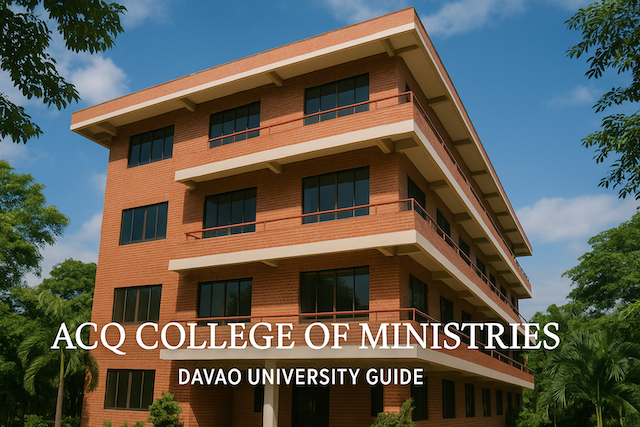
ACQ College of Ministries: Davao University Guide
Contents
- ACQ College of Ministries: Davao University Guide
- Introduction
- Overview of ACQ College of Ministries
- Academic Programs
- Teaching Approach
- Campus Environment and Facilities
- Admission Process
- Tuition and Financial Assistance
- Student Life
- Community Outreach and Missions
- Career Opportunities for Graduates
- Why Choose ACQ College of Ministries?
- Tips for Prospective Students
- Conclusion
- FAQs (Frequently Asked Questions)
- What is ACQ College of Ministries best known for?
- What types of programs are usually offered at ACQ College of Ministries?
- Who should consider studying at ACQ College of Ministries?
- What is the teaching and training approach at the college?
- Is ACQ College of Ministries affordable?
- Does the college offer scholarships or financial aid?
- What is student life like at ACQ College of Ministries?
- What kind of facilities can students expect on campus?
- What are the common career paths for graduates?
- How can prospective students apply to ACQ College of Ministries?
- Are there opportunities for missions and community outreach?
- What should applicants consider before enrolling?
ACQ College of Ministries: Davao University Guide
Introduction
ACQ College of Ministries is a faith-based higher education institution in Davao that focuses on developing future church leaders, missionaries, educators, and community servants. Known for its strong theological foundation and ministry-oriented training, the college offers programs that combine academic coursework with hands-on evangelism, community outreach, and leadership development.
This guide provides a comprehensive overview of ACQ College of Ministries, including its academic programs, campus environment, admission process, student life, and what makes it a significant choice for students pursuing ministry-related careers in the Philippines.
Overview of ACQ College of Ministries
ACQ College of Ministries centers its mission on equipping students with a deep biblical understanding and practical ministry skills. The college emphasizes character formation, spiritual growth, and active participation in community and church missions.
Its curriculum integrates theological education with real-world ministry experiences, making it ideal for individuals pursuing roles such as pastors, church workers, missionaries, worship leaders, and religious educators.
Academic Programs
ACQ College of Ministries typically offers a range of ministry-focused programs. While program availability may vary, the following are common fields of study:
Bachelor of Theology (BTh)
A foundational program that explores biblical languages, church history, systematic theology, pastoral care, and homiletics. This degree prepares students for pastoral roles and advanced theological studies.
Bachelor in Christian Education
Designed for future Christian educators and youth ministry leaders, this program covers teaching strategies, curriculum development, and spiritual formation for children and young adults.
Ministry and Leadership Training
Short-term and certificate programs may be available focusing on worship leadership, evangelism, discipleship, and church administration.
Missionary Training
Programs that prepare students for local and international mission work, including cross-cultural ministry, community development, and humanitarian outreach.
Teaching Approach
The college uses a holistic teaching approach that incorporates:
-
Biblical-centered instruction
-
Practical ministry exposure through mission trips, church assignments, and community outreach
-
Leadership development workshops
-
Character and spiritual formation programs
-
Mentorship from pastors and ministry leaders
This combination ensures that students not only gain theological knowledge but also develop essential ministry competencies.
Campus Environment and Facilities
ACQ College of Ministries maintains a modest but purpose-driven campus environment designed to support learning and spiritual growth. Typical features may include:
-
Classrooms and lecture halls
-
A chapel or worship hall for daily devotionals, prayer sessions, and worship activities
-
Library and resource center with Bibles, commentaries, ministry books, and theological references
-
Multipurpose areas for fellowship, group study, and ministry planning
-
Dormitories or student housing (if offered) for local and missionary students
-
Outdoor spaces used for gatherings, discipleship groups, and campus events
The atmosphere encourages community, devotion, and collaboration among students and faculty.
Admission Process
Admission requirements may vary, but applicants can expect the following general process:
Step 1: Submit Application Form
Forms may be available onsite or through the institution’s official channels.
Step 2: Provide Supporting Documents
Common requirements include:
-
High school report card (Form 138) or SHS certificate
-
Birth certificate
-
Good moral certificate
-
Recent ID photos
Step 3: Interview or Screening
Most ministry schools conduct a personal or spiritual assessment interview to evaluate the applicant’s readiness for ministry training.
Step 4: Enrollment and Orientation
Accepted students will be informed about tuition fees, schedules, uniform requirements, and orientation dates.
Tuition and Financial Assistance
Faith-based colleges often keep tuition affordable to encourage more students to pursue ministry education. ACQ College of Ministries may offer:
-
Low tuition fees
-
Scholarships or sponsorships for deserving students
-
Work-study opportunities
-
Church-based financial assistance
Prospective students should inquire directly for updated tuition and scholarship options.
Student Life
Life at ACQ College of Ministries revolves around spiritual growth, community involvement, and character formation. Students typically engage in:
-
Daily devotionals and chapel services
-
Bible studies and discipleship groups
-
Campus ministry activities
-
Local mission trips and outreach programs
-
Church involvement on weekends
-
Leadership training events and seminars
The college fosters a supportive and spiritually nurturing environment where students grow both personally and professionally.
Community Outreach and Missions
One of the defining features of ACQ College of Ministries is its active involvement in community missions. Students often participate in:
-
Evangelistic campaigns
-
Rural missions
-
Feeding programs
-
Youth camps
-
Church planting initiatives
-
Humanitarian outreach in underserved communities
These experiences strengthen students’ calling and build hands-on ministry skills.
Career Opportunities for Graduates
Graduates of ACQ College of Ministries often pursue impactful careers in religious and community service, such as:
-
Pastor or assistant pastor
-
Missionary (local or international)
-
Christian educator or Bible teacher
-
Youth ministry coordinator
-
Church administrator
-
Worship leader or music ministry staff
-
NGO or community outreach worker
The college prepares graduates to serve in churches, ministries, schools, and nonprofit organizations.
Why Choose ACQ College of Ministries?
Strong Biblical Foundation
Courses emphasize sound theology and biblical literacy.
Affordable and Accessible Education
Ideal for students seeking ministry training without high financial burden.
Hands-On Ministry Experience
The school integrates real-world experience into its curriculum to prepare future leaders.
Supportive Christian Community
Students grow in a nurturing spiritual environment.
Leadership and Character Development
Programs help students build discipline, humility, and a heart for service.
Tips for Prospective Students
If you are considering enrolling at ACQ College of Ministries, here are useful tips:
-
Clarify your ministry calling and career goals.
-
Visit the campus to understand the environment and culture.
-
Speak with current students or graduates for insights.
-
Prepare spiritually and academically for rigorous ministry training.
-
Check for scholarships or financial aid to reduce costs.
Conclusion
ACQ College of Ministries is a meaningful choice for students pursuing theological studies, pastoral work, or missionary service in Davao. Its combination of biblical teaching, practical ministry experience, and community-focused training equips students for impactful service in local churches, mission fields, and various Christian organizations.
Whether you feel called to preach, teach, evangelize, or serve the community, ACQ College of Ministries provides a solid foundation for a lifelong ministry journey.
FAQs (Frequently Asked Questions)
What is ACQ College of Ministries best known for?
ACQ College of Ministries is best known as a faith-based institution focused on preparing future pastors, missionaries, Christian educators, and church workers. The school emphasizes a strong biblical foundation, spiritual formation, and practical ministry skills. Students are trained not only in theology but also in real-life ministry settings such as church work, missions, and community outreach. The overall goal is to equip graduates who can serve effectively in local churches, mission fields, and Christian organizations.
What types of programs are usually offered at ACQ College of Ministries?
The college typically offers ministry-related programs such as Bachelor of Theology, Christian Education, and various ministry training or certificate courses. These programs include subjects like Bible interpretation, church history, pastoral ministry, preaching, Christian leadership, and discipleship. Depending on the current curriculum, there may also be specialized tracks in missions, worship ministry, youth ministry, or community development. Interested students are encouraged to inquire directly with the school for the latest list of active programs.
Who should consider studying at ACQ College of Ministries?
ACQ College of Ministries is ideal for individuals who feel a calling to serve in church or ministry-related roles. This includes aspiring pastors, missionaries, Bible teachers, youth leaders, worship leaders, and Christian workers who want formal training. It is also a good fit for laypeople who wish to deepen their understanding of the Bible and Christian doctrine while gaining practical ministry skills. Anyone who is serious about combining faith, service, and leadership development will likely benefit from the programs offered.
What is the teaching and training approach at the college?
The college uses a holistic approach that combines classroom instruction with hands-on ministry experience. Students attend lectures, Bible classes, and theology courses while also participating in church activities, fieldwork, and community outreach. Spiritual disciplines such as prayer, worship, and Bible study are integrated into daily life on campus. Mentoring from experienced pastors and ministry leaders is also common, helping students apply what they learn in real ministry situations.
Is ACQ College of Ministries affordable?
Faith-based ministry schools often aim to keep tuition and fees relatively affordable so that more students can pursue their calling. ACQ College of Ministries generally follows this principle, making theological education accessible to a wider range of students. There may be scholarships, sponsorships, or financial assistance available for qualified applicants, especially those who demonstrate commitment to ministry. Because tuition rates and policies can change, it is recommended to contact the school directly for the most updated information on costs and payment options.
Does the college offer scholarships or financial aid?
Many ministry-focused institutions provide some form of financial support, and ACQ College of Ministries may offer scholarships or sponsorships to deserving and committed students. Assistance can sometimes come from partner churches, ministry donors, or school-based scholarship funds. In some cases, students may also explore work-study arrangements or part-time service in ministries connected to the school. Prospective students should ask the admissions or finance office about current scholarship requirements, application procedures, and deadlines.
What is student life like at ACQ College of Ministries?
Student life revolves around spiritual growth, fellowship, and active ministry involvement. Learners typically join daily or regular chapel services, prayer meetings, Bible studies, and discipleship groups. Beyond academics, there may be opportunities for mission trips, evangelistic events, youth camps, and community outreach projects. The campus atmosphere is usually supportive and family-like, where students, faculty, and staff encourage one another in their personal walk with God and ministry development.
What kind of facilities can students expect on campus?
While facilities may be modest compared to large universities, they are generally designed to support focused ministry training. Typical facilities can include classrooms, a library or resource center with Bibles and theological books, a chapel or worship hall, and spaces for group meetings and fellowship. Some campuses also provide dormitories or simple housing options for students who come from outside the city. The emphasis is less on luxury and more on functionality, community, and spiritual atmosphere.
What are the common career paths for graduates?
Graduates of ACQ College of Ministries often pursue roles in churches, mission organizations, and Christian schools. Common positions include pastor, assistant pastor, missionary, Christian educator, youth worker, worship leader, and church administrator. Some may also serve in nonprofit organizations, community development projects, or faith-based NGOs. Others choose to continue their education in seminaries or graduate schools to further specialize in theology, counseling, or leadership.
How can prospective students apply to ACQ College of Ministries?
Prospective students usually start by securing and filling out an application form, which may be available on-site or through the school’s official communication channels. They are often required to submit basic documents such as a high school report card or senior high school certificate, a birth certificate, a certificate of good moral character, and ID photos. An interview or spiritual assessment may also be part of the process to ensure that applicants are serious about ministry training. After acceptance, students receive details about tuition, schedules, orientation, and any additional requirements.
Are there opportunities for missions and community outreach?
Yes, mission and outreach activities are typically an important part of the training at ACQ College of Ministries. Students may participate in local evangelism, rural missions, church planting support, youth camps, and community programs such as feeding initiatives or relief efforts. These activities help students practice what they learn in the classroom and develop compassion, leadership, and communication skills. Missions exposure also allows them to discern their specific calling, whether in local church ministry or cross-cultural missions.
What should applicants consider before enrolling?
Before enrolling, applicants should spend time in prayer and reflection to clarify their sense of calling and long-term goals. It is wise to research the programs offered, talk to current students or alumni if possible, and honestly assess their readiness for both academic and spiritual challenges. Financial planning is also important, including exploring available scholarships and support from family or home churches. Most importantly, students should be willing to grow in character, humility, and servant leadership, as ministry training is both rewarding and demanding.
Davao University Guide
Davao Province All Universities Lists
Philippines University Guide

How to Register for eTravel Philippines (2025 Guide)
Step-by-step guide to completing your eTravel registration before arriving in the Philippines, with images and tips.

Night Market in Cebu – Things You Don’t Know About Cebu Life
Discover the hidden charm of Cebu’s night markets, from street food stalls to local life tips you won’t find in tourist guides.

How to Use ChatGPT for IELTS Preparation: A Complete Guide
Learn how to prepare for IELTS using ChatGPT — including strategies for Writing, Reading, Listening, Speaking, and grammar support.

How to Build a Website Without Coding Using ChatGPT
Discover how to build your own website using AI—no coding skills needed. From structure planning to SEO and design, let ChatGPT guide you.