2026年1月8日
3D ACADEMY offers affordable English study programs in Cebu, Philippines – perfect for beginners, professionals, and exam takers.

3D UNIVERSAL ENGLISH INSTITUTE INC
info.3d-universal.com
8:00-17:00(Mon-Fri)
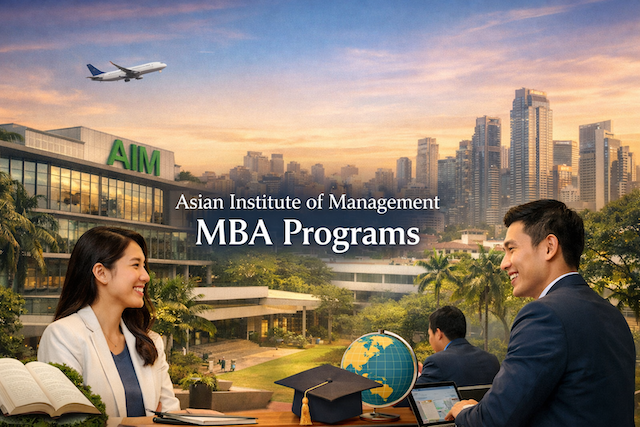
Asian Institute of Management (AIM): MBA Programs
FAQs (Frequently Asked Questions)
Is the Asian Institute of Management (AIM) a good school for an MBA in the Philippines?
Yes. AIM is widely considered one of the top graduate business schools in the Philippines and among the most recognized in Southeast Asia. It is known for leadership-focused education, case-based learning, and strong connections to the corporate and entrepreneurial ecosystem in Makati and beyond. Whether it is “the best” for you depends on your goals, preferred learning format (full-time vs. executive), and the industry you want to enter after graduation.
What MBA programs does AIM offer?
AIM typically offers a full-time MBA as well as an Executive MBA (EMBA) for experienced professionals. Depending on the academic year, AIM may also offer specialized pathways or concentrations related to innovation, entrepreneurship, analytics, or sustainability. Because program names and structures can evolve, applicants should always confirm the latest program list, curriculum design, and intake schedules through AIM’s official admissions information before applying.
What is the difference between AIM’s MBA and Executive MBA (EMBA)?
The full-time MBA is designed for professionals who can commit to an intensive, immersive learning experience, usually with fewer work commitments during the program. The EMBA is designed for working managers, entrepreneurs, and senior professionals who want to study while continuing their careers. EMBA schedules are usually modular, weekend-based, or hybrid, and the classroom discussions often lean heavily on participants’ leadership experience and real workplace situations.
How long does it take to complete an MBA at AIM?
Program duration depends on the specific MBA format and the academic calendar for that year. Full-time MBA programs commonly range around one year to slightly longer, while EMBA formats may run longer due to part-time or modular scheduling. The number of terms, elective options, and capstone requirements can also influence the total length. Always verify the current timeline for the specific intake you are targeting.
Does AIM require GMAT or other standardized test scores?
AIM may require a GMAT or a comparable assessment, but requirements can vary by program and may include waiver policies under certain conditions (for example, strong academic history or substantial managerial experience). Some cohorts may accept alternative tests or internal evaluations. Because test policies change over time, the most reliable approach is to review AIM’s latest admissions criteria and confirm whether you qualify for any waiver options.
What are the typical admission requirements for AIM’s MBA programs?
Applicants typically need an undergraduate degree, relevant work experience (especially for the EMBA), a complete application form, essays or personal statements, and letters of recommendation. An interview is also common as part of the selection process. AIM tends to evaluate candidates holistically, considering leadership potential, career clarity, communication skills, and alignment with the school’s values—not only grades or test scores.
Is work experience required for AIM’s MBA?
Yes, work experience is generally expected, though the required level varies by program. For a full-time MBA, applicants often have early- to mid-career experience. For an EMBA, applicants usually need more substantial managerial or leadership experience. If you are a fresh graduate or have limited experience, you should check whether the program has a minimum work requirement or if there are alternative pathways better suited to your profile.
What is AIM’s teaching style like?
AIM is known for case-based and discussion-driven learning, where students analyze business situations, propose strategies, and defend decisions in class. This approach emphasizes critical thinking, leadership judgment, and communication. Many courses also include group projects, simulations, and applied assignments designed to mirror real business decision-making in Asian and emerging market contexts.
Does AIM offer specializations or concentrations within the MBA?
AIM may offer electives, tracks, or concentration-style options depending on the year and program design. Common focus areas in business schools include entrepreneurship, innovation, analytics, finance, marketing, and strategy. Even without a formal concentration title, you can often shape your MBA experience through elective selection, capstone projects, and internships or consulting engagements aligned with your career target.
How strong is AIM for entrepreneurship and startups?
AIM has a reputation for supporting entrepreneurship through innovation-focused coursework, mentoring, and exposure to the business community in Makati. Students interested in startups often benefit from learning venture fundamentals, refining business models, and practicing pitching and validation. Your outcomes will still depend on your execution, network building, and willingness to test ideas in the market, but AIM can provide structure, feedback, and credibility.
What career opportunities are available after graduating from AIM?
AIM graduates commonly pursue roles in consulting, corporate strategy, finance, marketing, operations, technology, and general management. Many alumni also return to family businesses or launch new ventures. Career outcomes depend on your prior experience, industry fit, internship or project performance, and networking efforts. The program’s leadership training and case approach can be particularly useful for roles that require decision-making, stakeholder management, and strategic thinking.
Does AIM help students with job placement and career support?
AIM typically provides career services such as coaching, resume support, interview preparation, and employer engagement activities. Some programs also include networking events, company talks, and alumni connections. However, MBA career success is a shared responsibility: students who actively build relationships, clarify their goals early, and use projects to demonstrate skills generally see stronger outcomes.
How valuable is AIM’s alumni network?
AIM’s alumni network is considered one of its key strengths, with graduates in leadership roles across the Philippines and abroad. Alumni engagement can help with mentoring, industry insights, and referrals. Networking value is not automatic, though. Students who participate in alumni events, reach out thoughtfully, and maintain professional relationships tend to benefit the most over the long term.
Is AIM internationally recognized?
AIM is internationally visible, especially within Asia, and has built credibility through its history, partnerships, and engagement with global business education standards. Recognition also depends on where you plan to work after graduation. If you aim for a career outside the Philippines, you should research how AIM is perceived in your target country and industry, and consider how your pre-MBA experience and post-MBA plan will strengthen your profile.
How should I decide if AIM is the right MBA program for me?
Start by clarifying your goal: career switch, promotion, entrepreneurship, or leadership growth. Then compare program format (full-time vs. EMBA), total cost, opportunity cost, curriculum fit, and the strength of AIM’s network in your target industry. Ideally, speak with alumni, attend admissions briefings, and review the latest curriculum and outcomes. If AIM’s leadership emphasis, Asian relevance, and practice-based learning match your needs, it can be an excellent choice.
Best MBA Programs in the Philippines 2026: Philippines University Guide
Philippines University Guide: Top Universities, Admissions, Scholarships, and Student Life
Recommend
2026年1月8日
University of Santo Tomas (UST) MBA Programs: A Comprehensive Guide for Aspiring Business Leaders
2026年1月8日
Mapúa University MBA Programs: A Comprehensive Guide for Aspiring Business Leaders
2026年1月8日
De La Salle University (DLSU) MBA Programs: A Comprehensive Guide for Future Business Leaders

How to Register for eTravel Philippines (2025 Guide)
Step-by-step guide to completing your eTravel registration before arriving in the Philippines, with images and tips.

Night Market in Cebu – Things You Don’t Know About Cebu Life
Discover the hidden charm of Cebu’s night markets, from street food stalls to local life tips you won’t find in tourist guides.

How to Use ChatGPT for IELTS Preparation: A Complete Guide
Learn how to prepare for IELTS using ChatGPT — including strategies for Writing, Reading, Listening, Speaking, and grammar support.

How to Build a Website Without Coding Using ChatGPT
Discover how to build your own website using AI—no coding skills needed. From structure planning to SEO and design, let ChatGPT guide you.