2025年10月18日
3D ACADEMY offers affordable English study programs in Cebu, Philippines – perfect for beginners, professionals, and exam takers.

3D UNIVERSAL ENGLISH INSTITUTE INC
info.3d-universal.com
8:00-17:00(Mon-Fri)
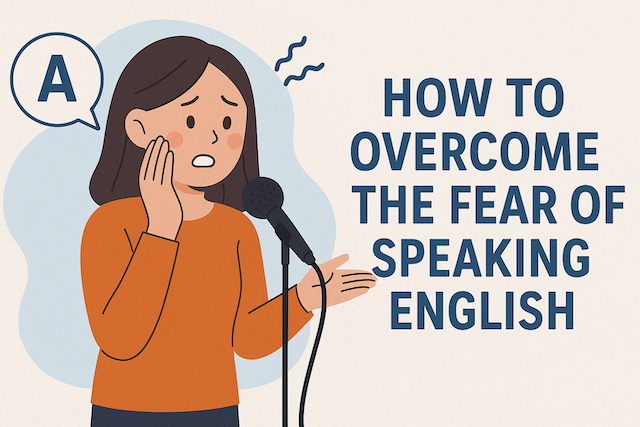
How to Overcome the Fear of Speaking English
Contents
- How to Overcome the Fear of Speaking English
- Why People Fear Speaking English
- Step-by-Step Strategies to Overcome the Fear
- 1. Accept That Mistakes Are Normal
- 2. Start Small and Build Gradually
- 3. Practice in a Safe Environment
- 4. Use Positive Self-Talk
- 5. Focus on Communication, Not Grammar
- 6. Join an English-Speaking Community
- 7. Prepare and Practice Real Situations
- 8. Record and Track Your Progress
- 9. Focus on Listening
- 10. Reward Yourself for Every Step
- Mindset Shifts for Long-Term Confidence
- Practical Exercises to Build Speaking Confidence
- When Fear Persists: How to Manage Speaking Anxiety
- Conclusion
- FAQs
- What causes the fear of speaking English?
- Is it normal to feel anxious when speaking a second language?
- How can I start if I’m extremely shy or a total beginner?
- How do I stop worrying about mistakes?
- What if people judge my accent?
- Which daily habits reduce speaking fear fastest?
- How can I prepare for real-life conversations?
- What is the best way to practice if I have no partner?
- How do breathing and body language help?
- Should I focus on grammar or communication first?
- How do I build confidence for meetings and presentations?
- What is shadowing, and why does it help?
- How can I track progress to reduce anxiety?
- What should I do right before a stressful speaking task?
- How do I handle not understanding the other person?
- What if fear persists despite practice?
- How can I make practice enjoyable so I don’t quit?
- Which tools or environments are “safe” for practicing?
- How do I stop comparing myself to fluent speakers?
- What’s a simple weekly plan to reduce fear?
- How long before I feel confident?
- What mindset helps most over the long term?
How to Overcome the Fear of Speaking English
Speaking English confidently is a dream for many learners, but for countless people, fear becomes a major obstacle. You might worry about making mistakes, being judged, or not finding the right words. The truth is—almost everyone who learns a second language experiences this fear at some point. The good news is that it can be overcome with the right mindset and consistent practice.
This article will explore the main causes of this fear and provide practical, step-by-step strategies to help you speak English without anxiety or hesitation.
Why People Fear Speaking English
Fear of speaking English is not just about language ability—it’s often emotional and psychological. Understanding the cause is the first step to overcoming it.
1. Fear of Mistakes
Many learners are afraid of saying something wrong. This fear often comes from perfectionism or the pressure to speak like a native speaker. But mistakes are an essential part of learning. Even native speakers make errors daily.
2. Fear of Judgment
Some people worry about what others will think—especially when speaking to foreigners or in professional settings. You may imagine others laughing or judging your accent, but in reality, most listeners appreciate your effort to communicate.
3. Lack of Confidence
If you haven’t practiced speaking much, you might feel uncertain about your pronunciation, grammar, or vocabulary. This lack of exposure naturally creates hesitation.
4. Negative Past Experiences
Maybe someone once laughed when you mispronounced a word, or a teacher corrected you harshly. These moments can stick in your mind and make you fearful of speaking again.
5. Comparing Yourself to Others
It’s easy to feel insecure when you see others speak fluently. However, everyone’s learning journey is different. Comparing your progress to others can only increase anxiety.
Step-by-Step Strategies to Overcome the Fear
1. Accept That Mistakes Are Normal
Every fluent speaker was once a beginner. Mistakes show that you are learning. Instead of being embarrassed, view them as valuable feedback. When someone corrects you, say “Thank you” instead of feeling ashamed.
Try recording yourself speaking and listening to the recording. You’ll notice patterns and can fix small issues one at a time.
2. Start Small and Build Gradually
Don’t pressure yourself to speak for long periods immediately. Begin with short interactions—say “Good morning” to someone, order coffee in English, or introduce yourself online.
Gradually extend these moments. The more often you speak, the more natural it will feel.
3. Practice in a Safe Environment
Find supportive spaces where you can practice without judgment. This might be:
-
Language exchange partners
-
English study groups
-
Online conversation platforms
-
Speaking clubs at your school or community
If you’re shy, even talking to yourself in English counts as practice. Narrate what you’re doing: “I’m making breakfast,” or “I’m checking my email.” This builds fluency privately.
4. Use Positive Self-Talk
Replace negative thoughts like “I can’t speak well” with positive ones:
-
“I’m improving every day.”
-
“It’s okay to make mistakes.”
-
“People understand my effort.”
Confidence begins in your mind. Before you speak, take a deep breath and remind yourself that communication matters more than perfection.
5. Focus on Communication, Not Grammar
Many learners freeze because they worry about using the correct tense or structure. But English is about connecting ideas, not performing grammar tests.
Even if your grammar isn’t perfect, your listener can still understand you. Prioritize clarity and confidence over accuracy.
6. Join an English-Speaking Community
Surround yourself with English. Join online forums, discussion groups, or social media pages in English. Engage in conversations about topics you enjoy—sports, movies, travel, or business.
The more you immerse yourself in English-speaking environments, the faster your comfort level will grow.
7. Prepare and Practice Real Situations
Fear often comes from uncertainty. Prepare for common speaking situations—introductions, interviews, small talk, and presentations. Write short scripts and rehearse them aloud.
Once you’ve practiced a few times, you’ll feel ready for real conversations. Preparation reduces nervousness.
8. Record and Track Your Progress
Use your phone or laptop to record yourself once a week. Compare your pronunciation, fluency, and confidence over time.
When you notice improvement—even small changes—it builds motivation and reduces fear.
9. Focus on Listening
Fear of speaking often comes from difficulty understanding others. Improve your listening skills by watching movies, listening to podcasts, or engaging with English YouTubers.
Once you’re more familiar with natural speech patterns, responding in conversation becomes easier and less stressful.
10. Reward Yourself for Every Step
Celebrate progress, not perfection. If you successfully held a short English conversation, reward yourself with something small. This builds a positive emotional connection with speaking English.
Mindset Shifts for Long-Term Confidence
1. Don’t Wait Until You’re “Ready”
There is no perfect moment to start speaking. If you wait until you feel confident, you’ll never begin. Confidence grows through action, not before it.
2. See English as a Tool, Not a Test
English is a bridge to connect with people worldwide—not something to fear. Focus on sharing ideas, not proving ability.
3. Realize Everyone Has an Accent
Your accent is part of your identity, not a mistake. Many fluent speakers keep their accent proudly. What matters is being understood, not sounding native.
4. Be Kind to Yourself
Learning a language is a long journey. Celebrate small wins and don’t punish yourself for errors. Encourage yourself the way you would support a friend.
Practical Exercises to Build Speaking Confidence
-
Mirror Practice:
Speak in front of a mirror for 5–10 minutes daily. Focus on body language, expression, and pronunciation. -
Shadowing Technique:
Choose a short video or podcast. Repeat exactly what you hear, imitating rhythm and tone. This helps with fluency and confidence. -
English Journal (Speaking Version):
Every day, record a short voice message about your day. This builds comfort and helps you think directly in English. -
Question of the Day:
Write one question and answer it aloud in English. For example, “What made me happy today?” This turns speaking into a daily habit. -
Join Role-Play Sessions or Language Apps:
Apps like Tandem, HelloTalk, or Speaky let you chat with real people. Start with text, then move to voice calls.
When Fear Persists: How to Manage Speaking Anxiety
If fear remains strong, treat it like stage fright—it can be managed with calm breathing, visualization, and practice. Before speaking:
-
Take slow, deep breaths.
-
Visualize yourself speaking confidently.
-
Smile—it naturally relaxes your body and helps your voice sound warm.
Over time, your brain learns that speaking English isn’t dangerous—it’s rewarding.
Conclusion
Overcoming the fear of speaking English doesn’t happen overnight. It requires patience, consistent practice, and self-compassion. Remember: even the most confident English speakers once felt nervous, too.
The key is to speak a little every day—no matter how imperfectly. Each time you speak, you build a stronger, braver version of yourself. Confidence is not the absence of fear; it’s the decision to speak despite it.
So start today. Open your mouth, express your thoughts, and let English become your voice to the world.
FAQs
What causes the fear of speaking English?
The fear usually comes from several overlapping factors: perfectionism and fear of making mistakes, worry about being judged for grammar or accent, limited speaking practice, negative past experiences (like being corrected harshly), and unhelpful comparisons with more fluent speakers. Understanding which of these affects you most helps you target the right solutions and set realistic, step-by-step goals.
Is it normal to feel anxious when speaking a second language?
Yes. Speaking a second language activates uncertainty: you process meaning, grammar, pronunciation, and social cues at once. Even advanced learners feel nerves in new contexts (presentations, interviews, phone calls). Anxiety decreases with exposure and wins—short, repeated speaking moments that your brain records as “this was safe and successful.”
How can I start if I’m extremely shy or a total beginner?
Start micro. Practice daily one-sentence tasks: greeting a coworker, ordering coffee, or introducing your name and role online. Narrate your actions to yourself (“I’m sending an email”). Record 30-second voice notes. These tiny reps build a foundation of comfort, preparing you for longer conversations later.
How do I stop worrying about mistakes?
Reframe mistakes as feedback. Instead of aiming for perfect sentences, aim for messages that land. When corrected, say “thanks” and note the fix. Track recurring errors (e.g., articles, verb endings) and practice them for 5–10 minutes. Progress equals fewer repeated errors, not zero mistakes.
What if people judge my accent?
Everyone has an accent; it signals experience and identity, not failure. Listeners prioritize clarity and content over native-like sound. Improve intelligibility (stress, rhythm, clear vowels/consonants) rather than “erasing” your accent. Your goal: be understood comfortably. Keep reminders like “Clarity over perfection” visible where you practice.
Which daily habits reduce speaking fear fastest?
Use short, consistent drills: 5 minutes of mirror talk, 5 minutes of shadowing a podcast clip, and one real interaction (live or recorded). Add a “Question of the Day” and answer aloud. End with a quick reflection: what felt easier today? Habit consistency reduces anxiety more than long, irregular study.
How can I prepare for real-life conversations?
Script and rehearse high-frequency situations: introduction, small talk, asking for help, giving updates, scheduling meetings. Write 2–3 versions for each, then record yourself delivering them with natural intonation. Keep key phrases on a phone note for quick review before speaking moments.
What is the best way to practice if I have no partner?
Solo practice works. Try shadowing (repeat what you hear at near-native speed), one-minute monologues, and “speak your day” narration. Use your camera for posture and facial expression feedback. Combine with voice notes to build a personal “speaking log,” so you can hear improvement week by week.
How do breathing and body language help?
Slow nasal inhales and long mouth exhales signal safety to your nervous system, reducing voice tremors. Stand tall, relax shoulders, and smile lightly—these cues improve resonance and make you sound warmer. Before speaking, take two slow breaths, plant your feet, and lift your gaze to stabilize delivery.
Should I focus on grammar or communication first?
Communication first. Use simple, direct sentences that carry your message. Then, polish specific grammar patterns you use often. A useful loop: speak → notice where you struggled → practice that micro-skill (e.g., past tense for stories) → try again. Communication creates context that makes grammar stick.
How do I build confidence for meetings and presentations?
Use a repeatable checklist: define your core message in one sentence, outline three points, prepare transitions, and rehearse out loud with slides. Time a 30–60 second opening you can deliver calmly. Practice your close and one backup version. Confidence comes from knowing your first and last lines cold.
What is shadowing, and why does it help?
Shadowing is mimicking a native audio clip in real time, capturing rhythm, intonation, and linking. It trains your mouth and ear together, improving fluency and confidence. Start with 10–20 seconds, slow playback if needed, then increase length. Choose topics you enjoy so you stay motivated.
How can I track progress to reduce anxiety?
Create a weekly recording ritual: one-minute audio on Monday and Friday. Use a simple rubric—clarity, pace, filler words, and comfort level (1–5). Celebrate tiny wins (fewer pauses, smoother openings). Visible progress weakens fear because your brain sees evidence that effort works.
What should I do right before a stressful speaking task?
Run a 90-second pre-talk routine: inhale 4 seconds, exhale 6 seconds (three cycles), say your “why” (“I’m here to share value”), speak your first sentence once, roll your shoulders, smile, and start. Rituals reduce uncertainty and signal readiness, even if you still feel a bit nervous.
How do I handle not understanding the other person?
Prepare rescue phrases: “Could you say that another way?” “Do you mean…?” “Let me confirm: you’re asking about…” Clarify early. Summaries (“So the deadline is Friday at noon, right?”) show professionalism and buy you processing time. Confidence grows when you can steer the conversation calmly.
What if fear persists despite practice?
Treat it like stage fright. Keep exposure gentle but regular. Pair speaking with calming techniques (breathing, progressive muscle relaxation). Consider low-pressure communities and supportive partners. If anxiety is intense, consult a professional—cognitive-behavioral strategies can reduce performance anxiety and accelerate progress in parallel with language practice.
How can I make practice enjoyable so I don’t quit?
Attach English to hobbies: discuss your sport, review shows you love, or explain a skill you know. Gamify with streaks and micro-rewards (after a five-day streak, buy a small treat). Enjoyment sustains consistency, and consistency is the number-one predictor of confidence gains.
Which tools or environments are “safe” for practicing?
Look for low-judgment spaces: language exchanges, friendly online groups, or local speaking clubs. Start with text or voice messages, then move to short live chats. Establish shared norms with partners: kind corrections, limited interruptions, and clear goals. Psychological safety speeds learning and reduces fear.
How do I stop comparing myself to fluent speakers?
Switch the lens from “them vs. me” to “me vs. last month.” Keep a progress board with specific wins: “Ordered lunch smoothly,” “Led a 2-minute update,” “Used past tense correctly.” Comparison drains energy; progress tracking returns it by emphasizing growth you control.
What’s a simple weekly plan to reduce fear?
Try this template: Monday—shadow 10 minutes; Tuesday—1-minute monologue; Wednesday—real interaction (comment, call, or chat); Thursday—script and rehearse a common scenario; Friday—record a progress check; Weekend—review notes and celebrate one win. Keep each session short but focused so you rarely skip.
How long before I feel confident?
Confidence builds in layers. With daily micro-practice, many learners feel noticeably calmer within 2–4 weeks, especially in routine situations. Deeper comfort for meetings or presentations may take longer. Measure by tasks accomplished, not calendar days—every successful speaking moment is a brick in your confidence wall.
What mindset helps most over the long term?
Adopt three anchors: “Clarity over perfection,” “Progress over comparison,” and “Action creates confidence.” Keep these where you practice. When fear spikes, return to your anchors, breathe, deliver one clear sentence, and continue. Over time, your consistent actions will outweigh anxious predictions.

How to Register for eTravel Philippines (2025 Guide)
Step-by-step guide to completing your eTravel registration before arriving in the Philippines, with images and tips.

Night Market in Cebu – Things You Don’t Know About Cebu Life
Discover the hidden charm of Cebu’s night markets, from street food stalls to local life tips you won’t find in tourist guides.

How to Use ChatGPT for IELTS Preparation: A Complete Guide
Learn how to prepare for IELTS using ChatGPT — including strategies for Writing, Reading, Listening, Speaking, and grammar support.

How to Build a Website Without Coding Using ChatGPT
Discover how to build your own website using AI—no coding skills needed. From structure planning to SEO and design, let ChatGPT guide you.