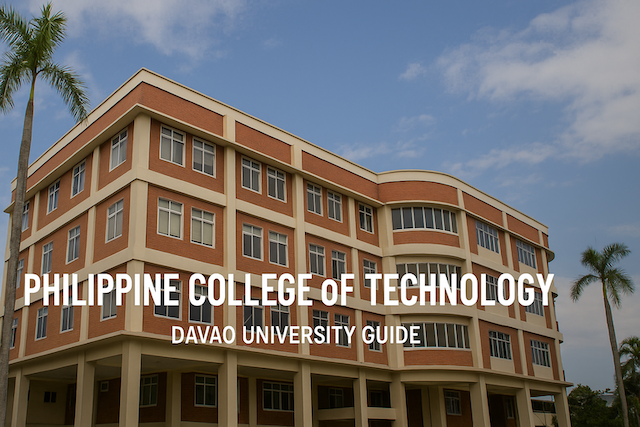
Philippine College of Technology: Davao University Guide
The Philippine College of Technology (PCT) in Davao City is a respected private educational institution known for its strong programs in technical-vocational education, health sciences, business, and hospitality. Over the years, PCT has built a reputation for producing industry-ready graduates equipped with practical skills and certifications sought after by employers in Davao and abroad.
This comprehensive guide provides an in-depth look into the institution—its history, campus environment, academic programs, admissions process, tuition fees, student life, and more. Whether you are a local student from Davao, someone from another region, or an international student looking to study in the city, this guide covers everything you need to know.
Overview of Philippine College of Technology (PCT)
Founded with the mission to deliver high-quality and accessible education, PCT has become one of Davao City’s leading institutions for technical and professional training. The school focuses on developing competency-based programs aligned with national and global standards.
PCT offers:
-
TESDA-accredited programs
-
Senior High School (SHS) tracks
-
College degree programs in health sciences, business, engineering, and hospitality
-
Short courses for skills enhancement
-
Job placement programs for local and overseas employment
Its industry collaborations and certification-based education system make it a popular choice for students aiming for employability and practical skill development.
Campus Location and Facilities
The Philippine College of Technology campus is strategically located in Davao City, making it accessible to students across the region. The campus features a mix of modern and practical facilities that support hands-on training.
Key Campus Facilities
-
Laboratories & Workshops:
Specialized tech-voc labs, automotive workshops, welding labs, and electronics facilities provide students with real-world training environments.
-
Health Sciences Labs:
Nursing and caregiving students train using simulation equipment and updated medical tools.
-
ICT & Computer Laboratories:
Equipped with software and hardware essential for IT programs.
-
Hospitality Training Centers:
Mock hotel rooms, kitchens, and dining areas for hospitality management courses.
-
Library and Learning Resource Center:
Offers digital and print references, study areas, and research materials.
-
Multi-purpose Hall and Open Areas:
Used for school events, assemblies, and co-curricular activities.
The campus is designed to balance academic learning with practical training environments, reinforcing job-ready skills.
Academic Programs Offered
PCT provides a wide range of academic choices, from diploma and tech-voc courses to full college degrees.
College Degree Programs
These programs prepare students for professional careers in various industries:
-
Bachelor of Science in Nursing (BSN)
-
Bachelor of Science in Business Administration (BSBA)
-
Bachelor of Science in Hospitality Management (BSHM)
-
Bachelor of Science in Information Technology (BSIT)
-
Bachelor of Science in Criminology (BSCrim)
Each program integrates theory with practical training and OJT requirements.
Technical-Vocational (TESDA) Programs
PCT is well-known for its competency-based TESDA courses, which include:
-
Caregiving NC II
-
Health Care Services NC II
-
Automotive Servicing NC II
-
Electrical Installation and Maintenance NC II
-
Shielded Metal Arc Welding (SMAW) NC I & II
-
Food and Beverage Services NC II
-
Housekeeping NC II
-
Cookery NC II
-
Computer Systems Servicing NC II
These programs are ideal for students seeking quick employment and acquiring nationally recognized certifications.
Senior High School Programs
PCT offers SHS tracks aligned with its college and TESDA programs:
-
Academic Track: ABM, HUMSS, GAS
-
Technical-Vocational-Livelihood Track: ICT, HE, Industrial Arts
Short Courses & Skills Programs
The institution also offers short-term training that supports career shifts and skills upgrades, particularly for working adults or students preparing for overseas employment.
Admission Requirements and Process
Applying to PCT is straightforward, and the institution accepts both local and international enrollees.
General Requirements
-
Completed application form
-
Birth certificate (PSA)
-
Form 138 (for senior high) or Transcript of Records (for college)
-
Certificate of Good Moral Character
-
2×2 ID photos
-
For transferees: Honorable Dismissal
-
For foreign students: Passport, student visa, and other immigration documents
Admission Steps
-
Visit the Admissions Office or the school’s official enrollment portal.
-
Submit the required documents for evaluation.
-
Take the entrance assessment (if applicable).
-
Receive program assignment and approval from the department.
-
Pay the enrollment fees and secure your official registration.
PCT also offers flexible enrollment schedules, especially for TESDA programs.
Tuition Fees and Financial Assistance
Tuition at the Philippine College of Technology is generally more affordable compared to many private institutions in Davao, especially due to TESDA grants and modular programs.
Estimated Costs (may vary by program):
-
College degree programs: PHP 20,000–35,000 per semester
-
TESDA courses: PHP 5,000–15,000 or free under government scholarship programs
-
Short courses: PHP 3,000–10,000
Scholarships and Financial Aid
PCT provides:
-
TESDA scholarships (TWSP, STEP, PESFA)
-
Institutional discounts
-
Academic scholarships for high-performing students
-
Student assistant programs
These opportunities make education more accessible for many families.
Student Life and Community
Life at PCT is engaging and supportive, with many activities that enrich learning beyond the classroom.
Highlights of Student Life
-
Clubs and Organizations:
Student councils, academic societies, cultural groups, and tech-voc clubs.
-
Competency-Based Activities:
Skills demonstrations, TESDA competitions, industry evaluations.
-
Campus Events:
Career fairs, sports festivals, seminars, and community outreach programs.
-
OJT and Job Placement:
Strong industry partnerships help students secure internships and employment, both locally and abroad.
The environment encourages discipline, practical learning, and community involvement.
Why Choose Philippine College of Technology?
Students choose PCT for many reasons:
✔ Strong focus on employability
Programs are designed to lead directly to jobs, especially in health care, hospitality, and technical industries.
✔ TESDA-accredited institution
Allows students to earn national certificates that are recognized internationally.
✔ Affordable education
With flexible tuition rates and scholarship options, PCT remains accessible.
✔ Hands-on training
Real-world simulations and workshops ensure skill mastery.
✔ Strategic location
Accessible campus within Davao City.
Whether pursuing a degree or completing technical training, PCT offers a solid foundation for career success.
Industry Links and Employment Opportunities
PCT maintains relationships with hospitals, hotels, manufacturing companies, and overseas recruitment agencies. These connections help facilitate:
-
Local employment placement
-
Overseas job opportunities (especially caregiving and health care)
-
Industry immersion and OJT programs
Graduates often find employment quickly due to the school’s competency-based approach and strong employer trust.
Final Thoughts
The Philippine College of Technology continues to be an influential institution in Davao City, especially for students aiming for skill-oriented education. With accredited programs, supportive facilities, and strong job placement systems, PCT remains an excellent choice for individuals seeking practical and career-driven training.
Whether you’re planning to enroll in a technical-vocational course, pursue a college degree, or complete a short certification program, PCT provides a pathway to career development and success.
FAQs (Frequently Asked Questions)
What is Philippine College of Technology (PCT) known for?
Philippine College of Technology (PCT) in Davao City is known for its strong focus on technical-vocational education and practical, job-ready training. The school offers TESDA-accredited programs, college degrees, and short courses that emphasize competencies required by local and overseas employers. Many students choose PCT because of its hands-on approach and the high demand for its graduates in industries such as healthcare, hospitality, business, and engineering.
Where is Philippine College of Technology located in Davao City?
PCT is located in Davao City in a fairly accessible urban area, making it convenient for students coming from different parts of the city and nearby provinces. Public transportation routes commonly pass near the campus, and the surrounding neighborhood includes boarding houses, eateries, and small shops that support student life. For the most accurate directions, applicants are encouraged to check the school’s official website or contact the registrar’s office.
What academic programs does PCT offer?
PCT offers a wide range of programs, including college degree courses, TESDA-accredited technical-vocational programs, senior high school tracks, and short courses. Degree programs often include Nursing, Business Administration, Information Technology, Hospitality Management, and Criminology, among others. TESDA programs cover areas such as caregiving, health care services, automotive servicing, welding, electrical installation, food and beverage services, and computer systems servicing. These options allow students to choose a pathway that matches their career goals.
Does PCT offer TESDA-accredited programs?
Yes, PCT is recognized for its TESDA-accredited programs, which are among its strongest offerings. Students can pursue National Certificate (NC) levels in fields like Caregiving, Health Care Services, Automotive Servicing, SMAW (Shielded Metal Arc Welding), Food and Beverage Services, Housekeeping, Cookery, and Computer Systems Servicing. These courses are designed to meet TESDA standards and often lead to local and international employment opportunities after assessment and certification.
Can I enroll in Senior High School at Philippine College of Technology?
Yes, PCT offers Senior High School (SHS) programs that align with its strengths in both academic and technical-vocational education. Students may choose from Academic tracks such as ABM, HUMSS, and GAS, or from Technical-Vocational-Livelihood tracks like ICT, Home Economics, and Industrial Arts. SHS students benefit from early exposure to labs, workshops, and facilities that prepare them for college or direct employment after graduation.
What are the basic admission requirements for new college students?
For incoming college freshmen, typical requirements include a completed application form, Form 138 or Senior High School report card, PSA birth certificate, certificate of good moral character, and recent ID photos. Some programs may require an entrance exam or interview, especially for health-related courses. Transferees usually need to submit their Transcript of Records and Honorable Dismissal from their previous school. It is best to confirm updated requirements directly with the admissions office.
How much is the tuition fee at Philippine College of Technology?
Tuition fees at PCT are generally more affordable compared to many private colleges in the city, particularly for TESDA and tech-voc courses. College degree programs may range around several tens of thousands of pesos per semester, depending on the course, number of units, and laboratory fees. TESDA programs and short courses are often significantly cheaper and sometimes subsidized through government scholarships. Since fees can change over time, applicants should refer to the latest official fee schedule from the school.
Are there scholarships or financial assistance programs available?
Yes, PCT provides several forms of financial assistance to help students manage their educational expenses. These may include TESDA scholarship slots, government-funded grants, institutional discounts, and academic scholarships for high-performing students. Some students may also qualify for student assistant programs, where they work in certain departments in exchange for fee reductions. Availability of scholarships can vary each school year, so early application and inquiry are recommended.
What facilities and learning resources are available on campus?
The PCT campus is equipped with specialized laboratories, workshops, simulation rooms, and training facilities that support hands-on learning. Health science students use skills labs with medical equipment, while tech-voc learners train in welding shops, automotive areas, and electrical labs. Computer labs, hospitality training areas, a library, and multipurpose halls are also available. These facilities help students experience real-world scenarios before entering the workforce.
Does Philippine College of Technology assist with job placement?
Yes, one of PCT’s strengths is its strong linkage with industries, recruitment agencies, and partner institutions. The school frequently coordinates on-the-job training (OJT) placements in hospitals, hotels, companies, and service providers, both locally and sometimes abroad. After graduation, many students benefit from job referrals, career fairs, and employer tie-ups. While employment is never guaranteed, the college’s network increases the chances of finding suitable job opportunities.
Is PCT a good choice for students who want to work overseas?
PCT can be a good option for students planning to work overseas, especially in fields like caregiving, nursing-related roles, hospitality, and skilled trades. TESDA-accredited programs and competency-based training help students meet international standards and pass qualification assessments. Many graduates use their National Certificates (NCs) as stepping stones to work opportunities abroad, often supplemented by additional training or certifications required in their destination country.
How can I get more information or contact Philippine College of Technology?
Prospective students can get updated information by visiting the official Philippine College of Technology website or social media pages. They can also call the school’s landline or mobile hotlines, or visit the campus admissions office in person during office hours. It is advisable to ask about current program offerings, enrollment schedules, tuition rates, and scholarship opportunities to plan ahead and avoid missing important deadlines.