2026年4月3日
3D ACADEMY offers affordable English study programs in Cebu, Philippines – perfect for beginners, professionals, and exam takers.

3D UNIVERSAL ENGLISH INSTITUTE INC
info.3d-universal.com
8:00-17:00(Mon-Fri)
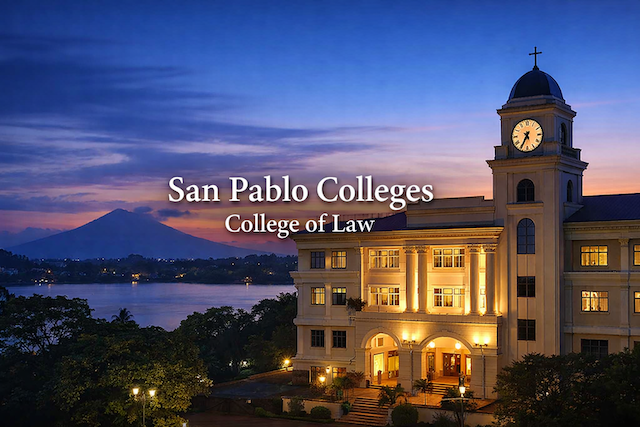
San Pablo Colleges College of Law
Contents
- San Pablo Colleges College of Law
- Introduction
- History and Background
- Academic Program
- Teaching Philosophy
- Faculty and Instruction
- Facilities and Learning Environment
- Admission Requirements
- Student Life
- Bar Examination Performance
- Career Opportunities
- Advantages of Studying at San Pablo Colleges College of Law
- Challenges and Considerations
- Conclusion
- FAQs (Frequently Asked Questions)
- What is San Pablo Colleges College of Law known for?
- What degree does San Pablo Colleges College of Law offer?
- How long does it usually take to complete law school at San Pablo Colleges?
- Is San Pablo Colleges College of Law a good option for working students?
- What are the admission requirements for San Pablo Colleges College of Law?
- Do you need a pre-law course before applying?
- What subjects are commonly studied in the program?
- Does San Pablo Colleges College of Law prepare students for the Bar Examination?
- What makes studying law in San Pablo City different from studying in Metro Manila?
- What career opportunities are available after graduating?
- Is San Pablo Colleges College of Law only for students from Laguna?
- Who should consider studying at San Pablo Colleges College of Law?
San Pablo Colleges College of Law
Introduction
San Pablo Colleges College of Law stands as one of the key legal education institutions in Laguna, Philippines. Located in the historic city of San Pablo, the college has built a reputation for providing accessible, community-oriented, and practice-driven legal education. For aspiring lawyers who seek quality instruction outside Metro Manila, San Pablo Colleges offers a compelling alternative—combining academic rigor with a strong emphasis on ethics, public service, and real-world application.
This article provides a comprehensive overview of San Pablo Colleges College of Law, including its history, academic programs, teaching philosophy, facilities, admission process, and career prospects for graduates. Whether you are a prospective law student or simply exploring legal education options in the Philippines, this guide will help you understand what makes this institution unique.
History and Background
San Pablo Colleges (SPC) was founded in 1947 with the mission of providing quality education to the people of Laguna and nearby provinces. Over the decades, the institution expanded its academic offerings to include various professional programs, including law.
The College of Law was established to meet the growing demand for legal professionals in Southern Luzon. It was designed to make legal education more accessible to students who may not have the resources to study in Manila. Since its inception, the College of Law has focused on producing competent, ethical, and socially responsible lawyers.
SPC has maintained its commitment to community development, and this ethos is deeply embedded in the law program. The college continues to evolve in response to changes in legal education standards and the needs of the legal profession.
Academic Program
Juris Doctor (JD) Program
San Pablo Colleges College of Law offers the Juris Doctor (JD) program, which is the standard law degree in the Philippines. The program typically spans four years and is structured to provide both theoretical knowledge and practical skills.
The curriculum covers essential areas of Philippine law, including:
- Civil Law
- Criminal Law
- Constitutional Law
- Commercial Law
- Labor Law
- Taxation Law
- Remedial Law
- Legal Ethics
In addition to these core subjects, students are exposed to elective courses that allow them to explore specialized areas such as environmental law, human rights law, and international law.
Revised Legal Education Curriculum
Like many law schools in the Philippines, SPC follows the guidelines set by the Legal Education Board (LEB). The curriculum has been updated in recent years to align with modern legal education standards, including:
- Outcome-based education
- Clinical legal education programs
- Enhanced legal writing and research training
- Integration of technology in legal practice
These updates ensure that graduates are not only knowledgeable but also equipped with the skills required in today’s legal landscape.
Teaching Philosophy
San Pablo Colleges College of Law emphasizes a balanced approach to legal education—combining academic excellence with moral integrity and social responsibility.
Student-Centered Learning
The college adopts a student-centered approach, encouraging active participation through:
- Socratic method discussions
- Case analysis
- Moot court exercises
- Group presentations
This interactive learning style helps students develop critical thinking and effective communication skills, which are essential for legal practice.
Ethical and Social Responsibility
One of the defining features of SPC’s law program is its strong focus on ethics. Students are trained to uphold the highest standards of professionalism and integrity. The college also promotes public service, encouraging students to engage in legal aid and community outreach programs.
Practical Training
SPC recognizes the importance of hands-on experience. Through internships, legal clinics, and simulated court proceedings, students gain practical exposure to the legal system. This prepares them for real-world challenges even before they graduate.
Faculty and Instruction
The College of Law boasts a faculty composed of experienced legal practitioners, judges, and scholars. Many professors are actively engaged in the legal profession, bringing real-world insights into the classroom.
Experienced Legal Professionals
Faculty members often include:
- Practicing lawyers
- Judges and prosecutors
- Government legal officers
- Corporate legal advisors
Their diverse backgrounds enrich the learning experience and provide students with a broader perspective on the legal field.
Mentorship and Guidance
In addition to formal instruction, faculty members serve as mentors, guiding students in their academic and professional development. This personalized support is particularly valuable for students navigating the demanding nature of law school.
Facilities and Learning Environment
San Pablo Colleges provides a conducive environment for legal studies. While it may not have the scale of larger universities, its facilities are designed to support focused and effective learning.
Law Library
The college maintains a law library equipped with:
- Updated legal textbooks
- Philippine jurisprudence
- Law journals and reference materials
The library serves as a vital resource for research and case preparation.
Classrooms and Moot Court
Classrooms are designed to facilitate interactive learning, while moot court facilities allow students to practice courtroom procedures and advocacy skills.
Study Environment
Located in San Pablo City, the campus offers a relatively शांत and less congested environment compared to Metro Manila. This can be advantageous for students who prefer a more focused and less stressful setting.
Admission Requirements
Admission to the College of Law is selective but accessible compared to some of the top-tier law schools in the Philippines.
Basic Requirements
Applicants typically need to submit:
- Bachelor’s degree (any field)
- Transcript of records
- Entrance examination results (if required)
- Interview with the admissions committee
Qualities of Successful Applicants
The college looks for candidates who demonstrate:
- Strong academic foundation
- Good communication skills
- Critical thinking ability
- Commitment to the legal profession
While prior legal knowledge is not required, a solid educational background is essential.
Student Life
Law school is demanding, but SPC provides a supportive environment to help students succeed.
Academic Support
Students benefit from:
- Review sessions
- Study groups
- Faculty consultations
These resources help students manage the rigorous curriculum.
Organizations and Activities
Law students can participate in various organizations and activities, such as:
- Law student councils
- Debate and moot court teams
- Legal aid groups
These activities enhance both academic and personal development.
Work-Life Balance
Many SPC law students are working professionals. The college accommodates this by offering flexible schedules, including evening classes, making it possible to balance work and study.
Bar Examination Performance
Passing the Philippine Bar Examination is the ultimate goal for law students. San Pablo Colleges College of Law has consistently produced bar passers over the years.
While it may not rank among the top-performing law schools nationally, its graduates have demonstrated competence and professionalism in the legal field.
Bar Preparation
The college supports students through:
- Bar review programs
- Practice examinations
- Faculty-led review sessions
These initiatives help improve students’ chances of passing the bar.
Career Opportunities
Graduates of San Pablo Colleges College of Law have various career paths available to them.
Legal Practice
Many graduates become:
- Private practitioners
- Associates in law firms
- Corporate lawyers
Government Service
Some pursue careers in the public sector, working as:
- Prosecutors
- Public attorneys
- Legal officers in government agencies
Judiciary
With experience, graduates may enter the judiciary as:
- Judges
- Court administrators
Alternative Careers
A law degree also opens doors to careers in:
- Business and management
- Academia
- Non-governmental organizations
The versatility of a legal education makes SPC graduates competitive in multiple fields.
Advantages of Studying at San Pablo Colleges College of Law
Accessibility
One of the biggest advantages is accessibility. Students from Laguna and nearby provinces can pursue legal education without relocating to Manila.
Affordable Tuition
Compared to major universities, SPC offers more affordable tuition, making law school more attainable.
Community-Oriented Education
The college’s focus on community service and ethical practice sets it apart from more commercially oriented institutions.
Flexible Scheduling
Evening classes and accommodating schedules make it ideal for working students.
Challenges and Considerations
Limited National Recognition
SPC may not have the same national prestige as top law schools like UP, Ateneo, or San Beda. This may affect opportunities in highly competitive law firms.
Resources
While adequate, the facilities and resources may not be as extensive as those of larger universities.
Self-Motivation Required
Students need to be highly self-motivated to maximize their learning experience and succeed in the bar exam.
Conclusion
San Pablo Colleges College of Law offers a solid and practical pathway to becoming a lawyer in the Philippines. With its focus on accessibility, ethical training, and real-world application, it provides an environment where dedicated students can thrive.
While it may not carry the prestige of elite law schools, it compensates with affordability, community focus, and flexibility—making it an excellent choice for many aspiring legal professionals.
For students who are committed, disciplined, and driven, San Pablo Colleges College of Law can serve as a strong foundation for a successful legal career.
FAQs (Frequently Asked Questions)
What is San Pablo Colleges College of Law known for?
San Pablo Colleges College of Law is known for offering accessible legal education in Laguna, Philippines. It is often considered a practical option for students who want to study law outside Metro Manila while still receiving structured academic training. The school is also recognized for its community-oriented approach, ethical foundation, and support for students who may be balancing law school with work or family responsibilities. For many aspiring lawyers in Southern Luzon, it serves as a realistic and meaningful pathway toward entering the legal profession.
What degree does San Pablo Colleges College of Law offer?
The college offers a Juris Doctor (JD) program, which is the standard professional law degree in the Philippines. This program is designed to prepare students for the Philippine Bar Examination and for future legal practice. The JD curriculum generally includes major subject areas such as Civil Law, Criminal Law, Constitutional Law, Commercial Law, Labor Law, Taxation Law, Remedial Law, and Legal Ethics. Students are expected to build both legal knowledge and analytical skills throughout the course of the program.
How long does it usually take to complete law school at San Pablo Colleges?
In most cases, the Juris Doctor program takes around four years to complete, assuming the student follows the regular academic load and successfully passes all required subjects. However, the actual timeline can vary depending on the student’s circumstances. Working students, for example, may need to manage their schedule carefully and could take longer if they enroll in fewer subjects per term. The pace of completion often depends on academic performance, personal commitments, and the school’s scheduling options.
Is San Pablo Colleges College of Law a good option for working students?
Yes, it can be a good option for working students, especially those who need a more flexible and affordable law school environment. Many provincial law schools in the Philippines, including San Pablo Colleges, attract students who are already employed and want to pursue a law degree without moving to a major city. A more manageable setting, combined with possible evening or adjusted class schedules, may help working students continue their studies while maintaining their professional responsibilities. Still, law school remains demanding, so time management and consistency are essential.
What are the admission requirements for San Pablo Colleges College of Law?
Admission requirements generally include a completed bachelor’s degree, transcript of records, and other standard enrollment documents required by the institution. Some law schools may also require an entrance examination, interview, or both. Since specific requirements can change, applicants should confirm the latest admission policies directly with the school. In general, applicants are expected to demonstrate academic readiness, communication skills, and the discipline needed to succeed in a rigorous legal education environment.
Do you need a pre-law course before applying?
No, a specific pre-law course is not always required before entering law school in the Philippines. Applicants from many academic backgrounds may qualify, provided they have completed a bachelor’s degree and any required undergraduate units under current legal education rules. Students from political science, accountancy, business, education, engineering, and other fields often apply to law school. What matters most is whether the applicant meets the academic requirements and is prepared for the reading, writing, and critical thinking demands of legal study.
What subjects are commonly studied in the program?
Students usually study a wide range of legal subjects that form the foundation of Philippine law. These often include Constitutional Law, Persons and Family Relations, Obligations and Contracts, Criminal Law, Property Law, Evidence, Civil Procedure, Criminal Procedure, Labor Law, Taxation, Commercial Law, and Legal Ethics. Legal research and legal writing are also important parts of the curriculum. As students advance, they may also take electives or practice-oriented subjects that expose them to more specialized areas of the law.
Does San Pablo Colleges College of Law prepare students for the Bar Examination?
Yes, one of the main goals of the JD program is to prepare students for the Philippine Bar Examination. This preparation does not happen only during a formal review period. It begins throughout law school through classroom discussions, case analysis, written work, recitations, and examinations. Some institutions also provide additional support such as review classes, mock exams, and faculty guidance for graduating students. Ultimately, however, bar exam success also depends heavily on the student’s personal discipline, study habits, and ability to handle pressure.
What makes studying law in San Pablo City different from studying in Metro Manila?
Studying law in San Pablo City may offer a quieter and less congested learning environment compared with Metro Manila. Some students prefer this because it allows them to focus more on their studies and avoid the stress, long travel times, and higher living expenses often associated with bigger cities. A provincial setting may also create a more close-knit academic community. On the other hand, students should understand that larger urban law schools may offer broader networking exposure and more extensive institutional resources, so the best choice depends on the student’s priorities.
What career opportunities are available after graduating?
Graduates of San Pablo Colleges College of Law may pursue many career paths after passing the Bar Examination. These include private law practice, corporate legal work, government service, prosecution, legal research, compliance, public interest law, and positions in local or national agencies. Some graduates may also use their law degree in business, education, politics, or administration. A law degree can be versatile, but professional growth often depends on bar exam results, work ethic, practical experience, and the individual’s long-term goals.
Is San Pablo Colleges College of Law only for students from Laguna?
No, the school is not limited to students from Laguna. While it naturally serves many students from San Pablo City, Laguna, and nearby areas in Southern Luzon, applicants from other provinces may also consider enrolling if the program fits their needs. Its location simply makes it especially appealing to students who want quality legal education closer to home rather than relocating to Manila. Accessibility is one of its practical strengths, but the program itself may be relevant to a wider range of aspiring law students.
Who should consider studying at San Pablo Colleges College of Law?
This law school may be a strong fit for students who value affordability, accessibility, ethical training, and a more community-based academic environment. It can be especially suitable for working professionals, provincial students, and aspiring lawyers who want a serious legal education without the cost and pressure of studying in a major metropolitan center. Students who are self-disciplined, motivated, and committed to long-term professional growth may benefit the most. As with any law school, success depends less on location alone and more on the student’s effort, consistency, and purpose.

How to Register for eTravel Philippines (2025 Guide)
Step-by-step guide to completing your eTravel registration before arriving in the Philippines, with images and tips.

Night Market in Cebu – Things You Don’t Know About Cebu Life
Discover the hidden charm of Cebu’s night markets, from street food stalls to local life tips you won’t find in tourist guides.

How to Use ChatGPT for IELTS Preparation: A Complete Guide
Learn how to prepare for IELTS using ChatGPT — including strategies for Writing, Reading, Listening, Speaking, and grammar support.

How to Build a Website Without Coding Using ChatGPT
Discover how to build your own website using AI—no coding skills needed. From structure planning to SEO and design, let ChatGPT guide you.