2025年12月13日
3D ACADEMY offers affordable English study programs in Cebu, Philippines – perfect for beginners, professionals, and exam takers.

3D UNIVERSAL ENGLISH INSTITUTE INC
info.3d-universal.com
8:00-17:00(Mon-Fri)
Southern Philippines Agribusiness and Marine and Aquatic School of Technology
Contents
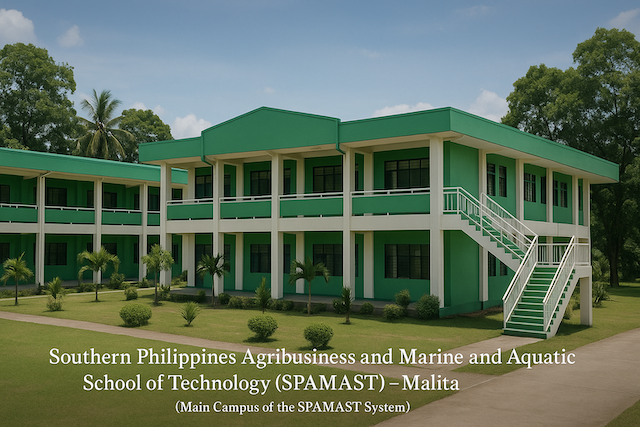
- Southern Philippines Agribusiness and Marine and Aquatic School of Technology (SPAMAST) – Malita (Main Campus of the SPAMAST System)
- Overview of SPAMAST – Malita
- Location and Campus Environment
- Academic Programs
- Facilities and Learning Resources
- Student Life at SPAMAST – Malita
- Admission Requirements
- Tuition Fees and Financial Assistance
- Career Opportunities for Graduates
- Importance of SPAMAST to Davao Occidental
- Conclusion
- FAQs (Frequently Asked Questions)
- What is SPAMAST – Malita and why is it important in Davao Occidental?
- Where is the SPAMAST – Malita main campus located?
- What undergraduate programs are commonly offered at SPAMAST – Malita?
- Does SPAMAST – Malita offer teacher education programs?
- Are there technical and vocational (tech-voc) programs available?
- What are the campus facilities like at SPAMAST – Malita?
- How much does it cost to study at SPAMAST – Malita?
- Are scholarships and financial assistance programs available?
- What are the general admission requirements for new students?
- What are the typical career opportunities for SPAMAST – Malita graduates?
- What is student life like on the Malita main campus?
- How does SPAMAST – Malita contribute to local and regional development?
Southern Philippines Agribusiness and Marine and Aquatic School of Technology (SPAMAST) – Malita (Main Campus of the SPAMAST System)
Overview of SPAMAST – Malita
Southern Philippines Agribusiness and Marine and Aquatic School of Technology (SPAMAST) – Malita serves as the main campus of the SPAMAST system and stands as one of the most important state-run institutions in Davao Occidental. Known for its strong focus on agricultural sciences, marine and aquatic studies, teacher education, and technical programs, the Malita campus plays a crucial role in providing accessible and high-quality education to students in the province and nearby regions.
The institution was established to meet the educational and economic needs of Davao Occidental, particularly in areas related to agribusiness, fisheries, marine technology, and rural development. Over the years, SPAMAST has expanded its academic offerings and continually upgraded its facilities to support research, extension programs, and community development efforts.
Location and Campus Environment
SPAMAST – Malita is located in the municipality of Malita, the capital of Davao Occidental. Its strategic location makes it accessible for students from various parts of the province as well as neighboring municipalities. The campus is characterized by a mix of traditional academic buildings, open fields used for agricultural training, and laboratories for marine and aquatic studies.
Malita provides a peaceful, rural setting ideal for students who prefer a quiet and affordable environment. The campus atmosphere is friendly and community-oriented, with many students coming from local farming and fishing communities.
Academic Programs
As the main campus, SPAMAST – Malita offers a comprehensive range of undergraduate programs, particularly those aligned with the institution’s mandated fields. Programs typically include:
Agriculture and Agribusiness Programs
SPAMAST is widely recognized for its strong agriculture-focused curriculum. Programs may include:
-
Bachelor of Science in Agriculture (BSA)
-
BS in Agribusiness
-
BS in Agricultural Technology
These programs equip students with the necessary knowledge and skills in crop science, animal science, agri-entrepreneurship, and agricultural extension.
Marine and Aquatic Programs
Given the coastal nature of Davao Occidental, SPAMAST has placed strong emphasis on marine and aquatic studies. Common programs offered include:
-
BS in Fisheries
-
BS in Marine Biology
-
BS in Aquatic Science
These courses prepare graduates for work in fisheries management, marine conservation, aquaculture operations, and marine research.
Teacher Education Programs
The Malita campus also delivers strong teacher education programs such as:
-
Bachelor of Secondary Education (BSEd)
-
Bachelor of Elementary Education (BEEd)
These degrees prepare future educators through a combination of theory, teaching methodologies, and practicum experiences.
Technical and Vocational Programs
SPAMAST supports local workforce development through TESDA-aligned technical-vocational programs. Examples include:
-
Agricultural crop production NC II
-
Aquaculture NC II
-
Automotive servicing NC II
-
Electronics servicing NC II
These programs cater to students seeking specialized vocational skills for immediate employment.
Other Bachelor Degree Programs
Other academic offerings may include IT, business-related courses, environmental science, and social sciences depending on program availability and CHED approvals.
Facilities and Learning Resources
SPAMAST – Malita continues to upgrade its facilities to support its academic and extension programs. Students have access to:
Agricultural Training Facilities
These include demonstration farms, livestock areas, greenhouses, and field laboratories where students apply classroom knowledge through hands-on experience.
Marine and Aquatic Laboratories
The campus houses laboratories for fisheries, aquaculture, and marine biology experiments. These facilities enable research on coastal ecosystems, fish breeding, and marine conservation.
Library and Learning Commons
The campus library offers academic references, journals, and digital resources. It also serves as a study hub for students preparing for exams or group research tasks.
ICT and Computer Laboratories
Computer labs are equipped with essential software for IT-based courses and general student use. These facilities support digital learning and research.
Classrooms and Lecture Halls
Standard classrooms and specialized lecture halls provide an environment conducive to effective learning.
Sports and Recreational Facilities
Students enjoy access to sports courts and recreational facilities for physical fitness and extracurricular activities.
Student Life at SPAMAST – Malita
SPAMAST fosters a dynamic and inclusive campus community. Students can join academic clubs, sports teams, and cultural organizations that enrich their university experience.
Student Organizations
Organizations include program-based clubs, student councils, environmental groups, and cultural societies. These groups engage students in leadership training, outreach programs, and school events.
Community Engagement
Because SPAMAST is a state college with a strong rural development mandate, students often participate in extension programs, coastal clean-ups, agricultural training, and community outreach initiatives.
Campus Events
Annual events include intramurals, cultural festivals, academic competitions, and recognition ceremonies.
Admission Requirements
Admission requirements for SPAMAST – Malita may vary by program, but basic requirements typically include:
-
Completed SPAMAST admission form
-
High school report card (Form 138)
-
Certificate of Good Moral Character
-
PSA Birth Certificate
-
Entrance examination (if required)
-
For transferees: TOR or copy of grades and honorable dismissal
Applicants are encouraged to visit SPAMAST’s official website or admissions office for updated requirements.
Tuition Fees and Financial Assistance
SPAMAST is covered by the Universal Access to Quality Tertiary Education Act, which means tuition and miscellaneous fees are generally free for qualified students enrolled in CHED-recognized programs.
Additional financial support includes:
-
CHED scholarships
-
TESDA scholarships (for tech-voc programs)
-
Local government scholarships
-
Institutional grants and assistance programs
This makes SPAMAST – Malita a highly affordable option for students from low-income families.
Career Opportunities for Graduates
Graduates from SPAMAST – Malita pursue diverse career paths depending on their fields of study.
Agriculture Graduates
Often work as agricultural technicians, farm managers, extension workers, agribusiness entrepreneurs, or crop specialists.
Marine and Fisheries Graduates
Many join the Bureau of Fisheries and Aquatic Resources (BFAR), local government units, marine sanctuaries, aquaculture companies, or research institutions.
Education Graduates
Teaching graduates often secure roles in public and private schools or continue with LET preparation for licensure.
Technical-Vocational Graduates
Tech-voc certificates allow students to pursue skilled work both locally and internationally, especially in automotive, electronics, and aquaculture sectors.
Importance of SPAMAST to Davao Occidental
As the main campus, SPAMAST – Malita is central to educational development in Davao Occidental. It provides:
-
Affordable and relevant degree programs
-
Skills training for local industries
-
Research in agriculture and marine technology
-
Community-based outreach and extension work
-
Workforce development for the province
It plays a vital role in raising the socio-economic growth of the region.
Conclusion
Southern Philippines Agribusiness and Marine and Aquatic School of Technology (SPAMAST) – Malita serves as a cornerstone institution for Davao Occidental. With comprehensive academic programs in agriculture, marine sciences, teacher education, and technical fields, it remains a top choice for students seeking quality yet affordable education. Its focus on community development, practical learning, and regional relevance ensures that graduates are well-prepared to contribute to local and national progress.
FAQs (Frequently Asked Questions)
What is SPAMAST – Malita and why is it important in Davao Occidental?
Southern Philippines Agribusiness and Marine and Aquatic School of Technology (SPAMAST) – Malita is the main campus of the SPAMAST system and a key state college in Davao Occidental. It was established to provide accessible, high-quality higher education focused on agribusiness, fisheries, marine and aquatic sciences, teacher education, and technical fields. The campus supports local development by training professionals who can serve the agricultural, coastal, and rural communities of the province and nearby areas.
Where is the SPAMAST – Malita main campus located?
The main campus is located in the municipality of Malita, which is the capital of Davao Occidental. Malita is a largely rural and coastal area, so students can study in a peaceful environment with close access to agricultural lands and marine resources. The campus is reachable by local public transportation, and many students come from neighboring municipalities and provinces within the Davao Region.
What undergraduate programs are commonly offered at SPAMAST – Malita?
SPAMAST – Malita typically offers undergraduate programs aligned with its mandate in agribusiness and marine sciences. These often include Bachelor of Science in Agriculture, Agribusiness, Agricultural Technology, Fisheries, Marine Biology, and Aquatic-related programs. In addition, the campus usually offers education degrees such as Elementary and Secondary Education, as well as selected programs in information technology, business, and environmental or social sciences, depending on current CHED-approved offerings.
Does SPAMAST – Malita offer teacher education programs?
Yes. Teacher education is one of the core areas of the Malita campus. Programs like Bachelor of Elementary Education (BEEd) and Bachelor of Secondary Education (BSEd) are commonly offered. These programs combine educational theory, subject specialization, classroom management, and teaching practicum. Graduates are prepared to take the Licensure Examination for Teachers (LET) and work in both public and private basic education schools.
Are there technical and vocational (tech-voc) programs available?
SPAMAST – Malita also supports technical and vocational education, often in partnership with TESDA. Students may enroll in short-term programs and national certificate (NC) courses in areas such as agricultural crop production, aquaculture, automotive servicing, and electronics servicing, among others. These programs are ideal for students who want to gain job-ready skills in a shorter time or who plan to work in skilled trades locally or abroad.
What are the campus facilities like at SPAMAST – Malita?
The main campus combines classroom buildings, laboratories, and field areas that are designed to match its academic strengths. There are agricultural demonstration farms, livestock areas, and greenhouses for hands-on training. For marine and aquatic programs, there are laboratories that support fisheries, aquaculture, and marine biology activities. Students can also use the campus library, computer laboratories, and study spaces, as well as sports and recreational facilities for physical activities and events.
How much does it cost to study at SPAMAST – Malita?
As a state college covered by the Universal Access to Quality Tertiary Education Act, SPAMAST generally does not charge tuition and approved miscellaneous fees for qualified students enrolled in CHED-recognized undergraduate programs. However, students may still need to budget for personal expenses such as transportation, food, learning materials, and boarding or lodging if they come from distant barangays or municipalities. Because of the free tuition policy and relatively low cost of living, studying at SPAMAST – Malita is considered very affordable.
Are scholarships and financial assistance programs available?
Yes. In addition to free tuition, students may qualify for scholarships or financial assistance from various sources. These can include CHED scholarships, TESDA scholarships for tech-voc programs, local government scholarships (from LGUs), and other grants or stipends from government agencies and private partners. The campus scholarship or student affairs office can provide updated information on available financial aid, eligibility requirements, and application procedures.
What are the general admission requirements for new students?
Admission requirements can vary slightly by program and year, but new students typically need to submit a completed application form, high school report card (Form 138 or its equivalent), a Certificate of Good Moral Character, a PSA Birth Certificate, and recent ID photos. Some programs or the institution may also require an entrance examination or interview. Transferees are usually required to present their Transcript of Records or certified copy of grades and a Certificate of Honorable Dismissal from their previous school. Applicants should always check the latest guidelines from the official SPAMAST channels.
What are the typical career opportunities for SPAMAST – Malita graduates?
Career options depend on the program completed. Agriculture graduates may work as agricultural technicians, farm managers, extension workers, or agribusiness entrepreneurs. Graduates of marine and fisheries programs can find jobs in aquaculture companies, fishery operations, marine conservation projects, research institutions, and government agencies like BFAR and local environment or agriculture offices. Education graduates often become teachers in elementary or secondary schools after passing the LET. Tech-voc graduates can pursue skilled work in automotive, electronics, agriculture, or aquaculture sectors in the Philippines or overseas.
What is student life like on the Malita main campus?
Student life at SPAMAST – Malita is generally community-oriented and grounded in the realities of rural and coastal living. Students can join academic and interest-based organizations, student councils, cultural and environmental clubs, and sports teams. The campus hosts events such as intramurals, foundation celebrations, seminars, and extension activities. Because SPAMAST is strongly connected to agricultural and coastal communities, many student activities focus on outreach, livelihood training, environmental protection, and local development.
How does SPAMAST – Malita contribute to local and regional development?
The main campus contributes to development in multiple ways. It produces professionals and skilled workers who serve in local farms, fisheries, schools, businesses, and government offices. Faculty and students are involved in research and extension projects that aim to improve agricultural productivity, marine resource management, and community resilience. Training programs and community-based initiatives help local residents adopt new technologies, improve livelihoods, and protect their environment. Because of these efforts, SPAMAST – Malita is considered an essential partner in the long-term growth of Davao Occidental.
Davao University Guide
Davao Province All Universities Lists
Philippines University Guide

How to Register for eTravel Philippines (2025 Guide)
Step-by-step guide to completing your eTravel registration before arriving in the Philippines, with images and tips.

Night Market in Cebu – Things You Don’t Know About Cebu Life
Discover the hidden charm of Cebu’s night markets, from street food stalls to local life tips you won’t find in tourist guides.

How to Use ChatGPT for IELTS Preparation: A Complete Guide
Learn how to prepare for IELTS using ChatGPT — including strategies for Writing, Reading, Listening, Speaking, and grammar support.

How to Build a Website Without Coding Using ChatGPT
Discover how to build your own website using AI—no coding skills needed. From structure planning to SEO and design, let ChatGPT guide you.