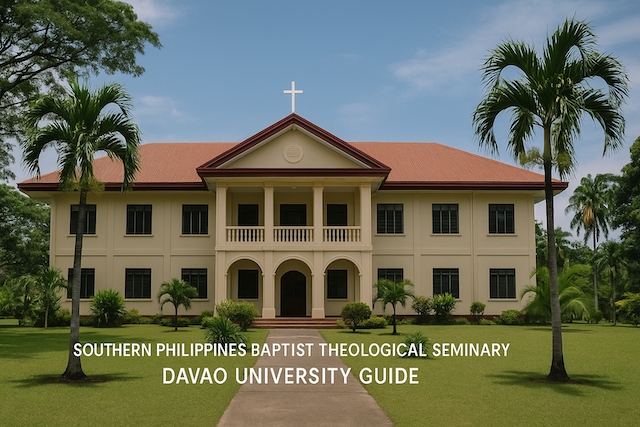
Southern Philippines Baptist Theological Seminary: Davao University Guide
Overview of Southern Philippines Baptist Theological Seminary
Southern Philippines Baptist Theological Seminary (SPBTS) is a respected theological institution in Davao City known for its strong foundation in Baptist doctrines, pastoral leadership development, and missional training. It serves aspiring pastors, church leaders, missionaries, and Christian educators who seek a deeper understanding of ministry and biblical teachings. The seminary is committed to preparing students for real-world ministry scenarios through a balance of academic rigor, spiritual formation, and practical fieldwork.
Located in a peaceful area of Davao City, SPBTS offers a conducive environment for theological reflection, worship, and training. With its long-standing service to churches across Mindanao, the seminary continues to be an influential institution for those pursuing vocational ministry or advanced theological studies.
History and Mission
SPBTS was established with the purpose of equipping future Christian leaders and strengthening Baptist churches in the Philippines. Over the years, it expanded its academic offerings, developed partnerships with international organizations, and refined its ministerial training programs.
The seminary’s mission centers on developing Christ-centered, service-oriented leaders. Its educational philosophy is rooted in biblical authority, spiritual integrity, and community involvement. Students are encouraged to cultivate spiritual disciplines, engage in ministry activities, and apply their theological knowledge in real-life contexts.
Academic Programs
SPBTS offers a variety of theological and ministry training programs designed to meet the needs of different learners—from beginners in biblical studies to experienced ministry workers seeking advanced education.
Bachelor of Theology (BTh)
The BTh program provides a comprehensive foundation in Old and New Testament studies, church history, Christian doctrine, ethics, and pastoral ministry. It prepares students for full-time ministry, missionary work, or further graduate studies.
Bachelor of Religious Education (BRE)
This program focuses on Christian education and teaching ministries, ideal for those planning to serve in church education departments, Christian schools, or youth ministries.
Master of Divinity (MDiv)
The MDiv is a professional degree aimed at those pursuing pastoral leadership or advanced biblical scholarship. Students take courses in hermeneutics, systematic theology, homiletics, church administration, and pastoral counseling.
Master of Theology (ThM) or Advanced Programs
Some seminaries offer higher-level research programs, and SPBTS may provide such study tracks depending on academic year and faculty availability. These are best suited for those pursuing academic teaching or specialized ministry roles.
Campus and Facilities
SPBTS maintains a serene and spiritually nurturing campus environment. Facilities may include:
-
Classrooms and Lecture Halls: Equipped for theological discussion, lectures, and group study.
-
Library: Contains theological books, commentaries, journals, and online resources that support academic research and sermon preparation.
-
Chapel: A central place for worship, prayer, fellowship, and community spiritual formation.
-
Dormitories: Accommodation for students coming from various regions, fostering a strong sense of community.
-
Multipurpose Spaces: Used for seminars, conferences, mission training, and student gatherings.
The campus atmosphere encourages reflection, prayer, and meaningful academic engagement—qualities essential for theological studies.
Student Life and Community
Life at SPBTS is centered on faith, fellowship, and service. Students not only attend classes but also participate in activities designed to deepen their relationship with God and strengthen ministry skills.
Daily and Weekly Spiritual Activities
Common activities may include chapel services, prayer meetings, retreats, Bible studies, and discipleship groups. These build spiritual discipline and community bonding.
Ministry and Field Exposure
SPBTS emphasizes hands-on training. Students often participate in:
-
Local church ministries
-
Mission trips across Mindanao
-
Evangelism and outreach programs
-
Youth and children’s ministries
-
Preaching and worship leadership internships
This real-world engagement ensures that graduates are prepared for the challenges of ministry.
Student Organizations
Student-led groups may focus on missions, worship, leadership, community outreach, and academic interests. These groups help students develop confidence and collaboration skills.
Admission Requirements
Aspiring students must typically submit:
-
High school diploma or college credentials
-
Completed application form
-
Pastor’s recommendation
-
Testimony of Christian faith
-
Birth certificate and ID documents
-
Entrance exam or interview (if required)
Graduate programs may require prior theological study, ministry experience, or additional academic records.
Tuition and Financial Aid
The seminary aims to keep education affordable for future church leaders. Tuition fees vary by program, but SPBTS often provides:
Financial aid options support students from rural areas or low-income communities, ensuring broad accessibility to theological training.
Career Paths After Graduation
Graduates of SPBTS often pursue ministry roles such as:
-
Pastors or associate pastors
-
Missionaries
-
Christian educators
-
Youth and children’s ministry leaders
-
Church administrators
-
Chaplains
-
Bible school or seminary instructors
The training equips them for both local and international ministry contexts, depending on their calling and opportunities.
Why Choose Southern Philippines Baptist Theological Seminary?
SPBTS is ideal for individuals seeking an institution grounded in biblical truth, Baptist heritage, and practical ministry application. Students receive holistic training that integrates academic excellence, spiritual development, and community involvement.
Key advantages include:
-
Strong biblical and theological foundations
-
Experienced and spiritually mature faculty
-
Supportive Christian community
-
Affordable and mission-centered education
-
Opportunities for real-world ministry exposure
SPBTS continues to shape leaders who serve churches, missions, and communities across the Philippines and beyond.
FAQs (Frequently Asked Questions)
What is Southern Philippines Baptist Theological Seminary known for?
Southern Philippines Baptist Theological Seminary is known for its strong emphasis on Baptist doctrine, pastoral leadership, and mission-oriented training. It focuses on equipping future pastors, church workers, and missionaries with a solid biblical foundation and practical ministry skills. The school is also recognized for its close connection with local churches, especially in Mindanao, and for producing graduates who actively serve in various Christian ministries.
Who should consider studying at Southern Philippines Baptist Theological Seminary?
This seminary is ideal for individuals who sense a calling to full-time Christian ministry or church leadership. Aspiring pastors, missionaries, Bible teachers, Christian educators, and lay leaders who want deeper training in theology and ministry will benefit from its programs. It also suits committed church members who want to strengthen their understanding of the Bible and improve their ability to serve in local church ministries.
What degree programs are typically offered at the seminary?
While exact offerings may vary by academic year, the seminary commonly provides programs such as Bachelor of Theology, Bachelor of Religious Education, and other ministry-related undergraduate degrees. Some seminaries of this type may also offer graduate programs like Master of Divinity or Master of Theology. These programs usually include biblical studies, theology, church history, preaching, Christian education, missions, and pastoral ministry subjects.
What are the usual admission requirements for new students?
Typical admission requirements include a completed application form, high school diploma or college transcript, recent photos, and a birth certificate or valid ID. Because it is a theological seminary, applicants are usually asked for a personal Christian testimony and a recommendation from a pastor or church leader. Some programs may also require an entrance exam or interview to assess academic readiness and spiritual commitment.
Is full-time ministry experience required before enrolling?
For most undergraduate-level programs, previous full-time ministry experience is not required. However, active involvement in a local church is usually expected and highly recommended. For graduate-level or advanced programs, some seminaries may request evidence of prior ministry experience or previous theological education. Applicants are encouraged to show a clear sense of calling and commitment to Christian service.
What is student life like at Southern Philippines Baptist Theological Seminary?
Student life is centered around worship, learning, and service. In addition to classroom lectures, students often join daily or weekly chapel services, prayer meetings, and Bible studies. Many schools encourage involvement in local churches and community outreach, allowing students to apply what they learn. Campus life usually promotes close fellowship, accountability, and mutual support among students, faculty, and staff.
Are there on-campus housing or dormitories available?
Many theological seminaries provide dormitory-style housing for students who come from outside the city or province. These dorms help create a close-knit community and make it easier for students to participate in early-morning devotions, evening activities, and weekend ministries. Availability, rules, and fees for dormitories vary, so it is best to contact the seminary directly for updated housing information.
How much does it cost to study at the seminary?
Tuition and fees depend on the program, number of units, and accommodation type. Theological seminaries like this one generally try to keep costs affordable so that more students, especially those called to ministry, can study. In addition to tuition, students should budget for housing, meals, books, and transportation. It is recommended to request a current fee schedule from the school before applying.
Are scholarships or financial assistance available?
Yes, many seminaries offer scholarships, discounts, or sponsorships for deserving students. Financial assistance may come from partner churches, mission organizations, or individual donors who want to support future church leaders. Some schools also provide work-study arrangements where students can help with campus tasks in exchange for partial fee reductions. Applicants should inquire early about scholarship requirements and deadlines.
What kind of ministry opportunities can students expect during their studies?
Students usually engage in practical ministry assignments such as preaching in local churches, leading Bible studies, assisting with worship services, teaching Sunday school, or joining mission trips. Some may participate in evangelistic campaigns, community outreach programs, or campus ministries. These activities allow students to practice communication, leadership, and pastoral care skills under the guidance of experienced mentors.
What career paths are common for graduates of the seminary?
Graduates often serve as pastors, associate pastors, church planters, missionaries, or Christian educators. Others work as youth or children’s ministry leaders, Bible school instructors, chaplains, or church administrators. Some may continue to advanced theological studies and later teach in seminaries or Bible colleges. The training is designed to prepare students for long-term, faithful service in various types of Christian ministries.
How can prospective students get more information or apply?
Prospective students can usually contact the seminary through its official office, telephone number, email address, or social media pages. Many schools also have a Facebook page or website where they share announcements, admission details, and program updates. Interested applicants should request an information packet or application form, prepare the required documents, and follow the instructions given by the admissions office for interviews, exams, and enrollment schedules.