2025年12月18日
3D ACADEMY offers affordable English study programs in Cebu, Philippines – perfect for beginners, professionals, and exam takers.

3D UNIVERSAL ENGLISH INSTITUTE INC
info.3d-universal.com
8:00-17:00(Mon-Fri)
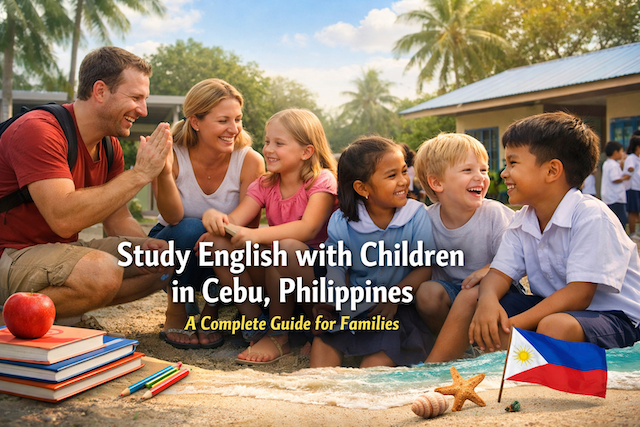
Study English with Children in Cebu, Philippines: A Complete Guide for Families
Contents
- Study English with Children in Cebu, Philippines: A Complete Guide for Families
- Why Cebu Is Ideal for Studying English with Children
- Types of English Programs for Children in Cebu
- Age Requirements and School Policies
- Daily Schedule for Children Studying English in Cebu
- Where Families Stay While Studying in Cebu
- Cost of Studying English with Children in Cebu
- Safety and Living Environment for Families
- Benefits of Studying English Abroad for Children
- Challenges and How to Overcome Them
- Best Time to Study English with Children in Cebu
- How to Choose the Right English School for Your Family
- Visa and Stay Requirements for Families
- Is Studying English with Children in Cebu Worth It?
Study English with Children in Cebu, Philippines: A Complete Guide for Families
Studying English abroad is no longer limited to solo students or young adults. In recent years, family English programs have become increasingly popular, and Cebu, Philippines, has emerged as one of the top destinations for parents who want to study English together with their children. Affordable tuition, safe environments, child-friendly schools, and a supportive learning culture make Cebu an ideal choice for families.
This guide explains why Cebu is suitable for families, how English programs for children work, what parents can expect, and how to plan a successful family study experience.
Why Cebu Is Ideal for Studying English with Children
Cebu offers a rare balance of quality education, affordability, and family-friendly living. Compared to Western countries, parents can enroll their children in structured English programs without overwhelming costs.
One major advantage is that English is widely spoken in daily life. Children are exposed to English not only in classrooms but also in restaurants, malls, playgrounds, and local communities, making language acquisition more natural and immersive.
Cebu also has a large ecosystem of English language schools experienced with junior learners. Many schools already support family packages, child-safe facilities, and age-appropriate curriculums.
Types of English Programs for Children in Cebu
English schools in Cebu offer several program types tailored to children of different ages and learning styles.
Junior English Programs
Junior programs are designed specifically for children, usually between 5 and 15 years old. These programs focus on:
-
Basic communication skills
-
Vocabulary building
-
Pronunciation and listening
-
Simple reading and writing
Lessons are interactive, using games, pictures, songs, and role-play. The goal is to help children enjoy learning English, not feel pressured.
Parent-and-Child Programs
Parent-and-child programs allow parents and children to study English at the same school, often with separate classes during the day.
Children attend junior classes, while parents take general English, conversation, or business English courses. This setup is ideal for families who want to improve together while maintaining their own learning goals.
One-on-One English Lessons for Children
One-on-one classes are a major strength of English education in Cebu. Many schools offer private lessons for children, allowing teachers to adjust speed, content, and teaching style.
This is especially useful for shy children or beginners who need personalized attention.
Group Classes with International Students
Some schools place children in small group classes with students from different countries. This helps them learn global communication skills and gain confidence using English with non-native speakers.
Age Requirements and School Policies
Each English school sets its own age requirements, but general guidelines include:
-
Minimum age: Often 5 or 6 years old
-
Maximum age for junior programs: Usually 15 or 16
-
Parental supervision: Required for younger children
For very young children, schools may require parents to stay nearby or within the same residence.
It is important to check whether a school has dedicated junior teachers, child safety protocols, and experience handling young learners.
Daily Schedule for Children Studying English in Cebu
A typical weekday schedule for children may look like this:
-
Morning: One-on-one English classes
-
Late morning: Group class or activity-based lesson
-
Lunch break
-
Afternoon: Games, arts, or practical English activities
Classes usually run 3–6 hours per day, depending on the child’s age and stamina. Schools avoid long classroom hours to prevent burnout.
Where Families Stay While Studying in Cebu
Accommodation is a key factor when studying English with children.
School Dormitories for Families
Some English schools offer family dormitories or family rooms. These are convenient and safe, with easy access to classrooms and cafeterias.
Dormitories often include meals, cleaning services, and security, reducing stress for parents.
Condominiums and Serviced Apartments
Many families prefer renting condominiums or serviced apartments near the school. These offer:
-
More space
-
Private kitchens
-
Quiet environments
Popular areas for families include IT Park, Banilad, Lahug, and Cebu Business Park.
Cost of Studying English with Children in Cebu
One of the biggest advantages of Cebu is affordability.
Tuition Fees
-
Children’s English programs: Generally lower than adult courses
-
One-on-one classes: Very cost-effective compared to Western countries
Living Costs
-
Rent: Affordable family units available
-
Food: Wide range of local and international options
-
Transportation: Low-cost taxis and ride-hailing services
Overall, a family can study English in Cebu for a fraction of the cost compared to countries like the US, UK, or Australia.
Safety and Living Environment for Families
Cebu is considered one of the safer cities in the Philippines, especially in areas popular with foreigners.
English schools that accept children typically have:
-
Secure campuses
-
Clear child protection policies
-
Curfews and safety rules
Parents are advised to choose well-developed neighborhoods and follow basic safety practices, just as they would in any international city.
Benefits of Studying English Abroad for Children
Studying English in Cebu offers benefits beyond language skills.
Early Exposure to English
Children absorb languages faster than adults. Early exposure helps them develop natural pronunciation and listening skills.
Cultural Awareness
Children meet teachers and classmates from different backgrounds, fostering open-mindedness and confidence.
Improved Academic Performance
English skills gained abroad often help children perform better in school back home, especially in reading and communication.
Family Bonding Experience
Studying abroad together strengthens family relationships and creates shared memories.
Challenges and How to Overcome Them
While studying English with children is rewarding, it also comes with challenges.
Homesickness
Some children may miss home, especially during the first week. Parents can help by maintaining routines and encouraging positive experiences.
Different Learning Paces
Children learn at different speeds. Choosing schools with flexible curriculums and one-on-one options is key.
Climate Adjustment
Cebu has a tropical climate. Parents should prepare children for warm weather and ensure proper hydration.
Best Time to Study English with Children in Cebu
Cebu welcomes students year-round, but popular periods include:
-
Summer vacations
-
Spring breaks
-
Long-term family stays during school holidays
Avoid peak travel seasons if you prefer quieter environments and lower accommodation costs.
How to Choose the Right English School for Your Family
When selecting a school, consider:
-
Experience with children
-
Teacher qualifications for junior learners
-
Safety measures
-
Accommodation options
-
Parent course availability
Request detailed information and schedules before enrolling.
Visa and Stay Requirements for Families
Most families enter the Philippines on a tourist visa, which can be extended locally. This makes short- and medium-term stays flexible.
Schools often assist with visa extension guidance, especially for families staying several months.
Is Studying English with Children in Cebu Worth It?
For many families, the answer is yes. Cebu offers a unique combination of quality English education, affordability, safety, and cultural exposure.
Children gain confidence in English, parents improve their own skills, and the family enjoys a meaningful international experience together.
With proper planning and the right school choice, studying English with children in Cebu, Philippines can be a life-changing opportunity for the entire family.
If you would like, I

How to Register for eTravel Philippines (2025 Guide)
Step-by-step guide to completing your eTravel registration before arriving in the Philippines, with images and tips.

Night Market in Cebu – Things You Don’t Know About Cebu Life
Discover the hidden charm of Cebu’s night markets, from street food stalls to local life tips you won’t find in tourist guides.

How to Use ChatGPT for IELTS Preparation: A Complete Guide
Learn how to prepare for IELTS using ChatGPT — including strategies for Writing, Reading, Listening, Speaking, and grammar support.

How to Build a Website Without Coding Using ChatGPT
Discover how to build your own website using AI—no coding skills needed. From structure planning to SEO and design, let ChatGPT guide you.