
Contents
- The Importance of Travel Insurance and How to Claim It When You Need It
- Introduction: Why Travel Insurance Matters More Than You Think
- What Is Travel Insurance?
- Key Benefits of Travel Insurance
- Common Misconceptions About Travel Insurance
- Types of Travel Insurance Plans
- What Travel Insurance Usually Does Not Cover
- How to Choose the Right Travel Insurance
- How to Claim Travel Insurance Step by Step
- Step 1: Contact Your Insurance Provider Immediately
- Step 2: Seek Medical Treatment or Resolve the Issue
- Step 3: Collect All Necessary Documentation
- Step 4: Complete the Claim Form Accurately
- Step 5: Submit the Claim Within the Deadline
- Step 6: Follow Up and Respond Promptly
- Step 7: Receive Reimbursement or Direct Settlement
- Tips to Avoid Claim Rejection
- Real-Life Situations Where Travel Insurance Makes a Difference
- Travel Insurance for Different Types of Travelers
- Conclusion: Travel Smart, Travel Protected
- FAQs (Frequently Asked Questions)
- Do I really need travel insurance for a short trip?
- What does travel insurance typically cover?
- What is the difference between trip cancellation and trip interruption?
- Does travel insurance cover pre-existing medical conditions?
- Will travel insurance pay the hospital directly, or do I pay first?
- What should I do first if I have a medical emergency abroad?
- How do I claim for a delayed or lost bag?
- What documents do I need for a travel insurance claim?
- How long do travel insurance claims take to process?
- Why do travel insurance claims get denied?
- Is travel insurance worth it if I already have a credit card with travel benefits?
- Can I buy travel insurance after I start traveling?
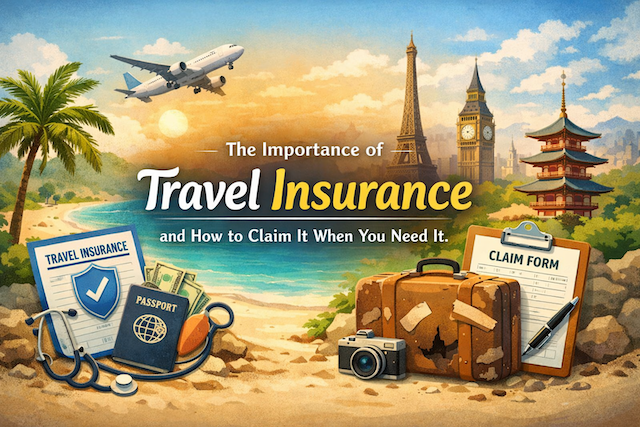
The Importance of Travel Insurance and How to Claim It When You Need It
Introduction: Why Travel Insurance Matters More Than You Think
Travel opens doors to new cultures, unforgettable experiences, and personal growth. However, no matter how carefully you plan, unexpected situations can happen. Flights get canceled, luggage goes missing, illnesses strike without warning, and accidents occur in unfamiliar environments. Travel insurance exists to protect you financially and emotionally when things do not go according to plan.
Many travelers see travel insurance as an unnecessary expense, especially for short trips or budget travel. In reality, it is one of the most cost-effective safety nets you can buy. A single medical emergency abroad can cost thousands, even tens of thousands, of dollars. Travel insurance can mean the difference between a manageable inconvenience and a life-altering financial burden.
This article explains the importance of travel insurance, what it typically covers, common misconceptions, and a clear step-by-step guide on how to claim your insurance when you need it most.
What Is Travel Insurance?
Travel insurance is a policy designed to cover unexpected losses or expenses incurred before or during a trip. Coverage can begin as soon as you purchase the policy and extend until you return home, depending on the plan.
Policies vary widely, but most travel insurance plans include a combination of medical coverage, trip-related coverage, and personal property protection. Some plans are basic, while others offer comprehensive protection tailored to long-term travelers, students, digital nomads, or frequent flyers.
Key Benefits of Travel Insurance
Medical Emergencies and Hospitalization Abroad
One of the most important benefits of travel insurance is medical coverage. Many domestic health insurance plans do not cover treatment outside your home country. Even if they do, reimbursement can be limited.
Travel insurance can cover:
-
Emergency medical treatment
-
Hospital stays
-
Prescription medication
-
Emergency surgery
-
Ambulance services
-
Medical evacuation or repatriation
In some countries, hospitals require upfront payment before treatment. Travel insurance providers often coordinate directly with hospitals, ensuring you receive care without paying large sums out of pocket.
Trip Cancellation and Trip Interruption Protection
Unexpected events may force you to cancel your trip or cut it short. Travel insurance can reimburse non-refundable costs if cancellation or interruption is caused by covered reasons such as:
-
Serious illness or injury
-
Death of a family member
-
Natural disasters
-
Airline strikes
-
Government travel restrictions
This coverage protects prepaid expenses like flights, accommodation, tours, and activities.
Lost, Delayed, or Stolen Baggage
Lost or delayed luggage is a common travel frustration. Travel insurance can compensate you for:
-
Essential items purchased during baggage delays
-
Replacement of stolen or permanently lost belongings
-
Damaged luggage
Some policies also cover valuables like electronics, though limits may apply.
Travel Delays and Missed Connections
Delays can lead to unexpected expenses such as hotel stays, meals, or rebooking fees. Travel insurance can reimburse these costs when delays exceed a specified number of hours.
Personal Liability Coverage
If you accidentally injure someone or damage property while traveling, personal liability coverage can protect you from legal and compensation costs. This is especially important when driving or participating in activities abroad.
Coverage for Adventure Activities
Many travelers enjoy activities such as scuba diving, hiking, surfing, or skiing. Standard policies may exclude high-risk activities, but specialized travel insurance can include coverage for adventure sports.
Common Misconceptions About Travel Insurance
“I’m Young and Healthy, So I Don’t Need It”
Accidents and illnesses can affect anyone, regardless of age or fitness. Food poisoning, infections, and injuries are common among travelers, especially in unfamiliar environments.
“My Credit Card Covers Everything”
Some credit cards offer limited travel insurance benefits, but coverage is often restricted. Medical coverage may be minimal or nonexistent, and claims processes can be complicated.
“Travel Insurance Is Too Expensive”
Travel insurance typically costs a small percentage of your total trip cost. Compared to potential medical bills or lost expenses, the cost is relatively low.
“I’ll Just Buy Insurance If Something Happens”
Insurance must be purchased before an incident occurs. Once an emergency happens, it is too late to buy coverage.
Types of Travel Insurance Plans
Single-Trip Insurance
Designed for one specific trip, this plan is ideal for occasional travelers. Coverage ends when you return home.
Annual Multi-Trip Insurance
Suitable for frequent travelers, this plan covers multiple trips within a year, usually with a maximum duration per trip.
Long-Term Travel Insurance
Ideal for digital nomads, students, or long-term travelers. Coverage can last several months to a year or more.
Student Travel Insurance
Often required for studying abroad, this plan includes medical coverage, emergency evacuation, and sometimes tuition protection.
What Travel Insurance Usually Does Not Cover
Understanding exclusions is as important as understanding coverage. Common exclusions include:
-
Pre-existing medical conditions (unless declared and approved)
-
Injuries from alcohol or drug use
-
Non-emergency cosmetic procedures
-
High-risk activities not listed in the policy
-
Claims without proper documentation
Always read the policy wording carefully before purchasing.
How to Choose the Right Travel Insurance
Assess Your Travel Style
Consider where you are going, how long you will stay, and what activities you plan to do. Adventure travelers and long-term travelers need broader coverage.
Compare Coverage, Not Just Price
The cheapest policy may offer limited benefits. Compare coverage limits, exclusions, deductibles, and claim processes.
Check Medical Coverage Limits
Medical expenses are often the most costly. Ensure the policy has sufficient coverage for your destination.
Look for 24/7 Emergency Assistance
Reliable insurers provide round-the-clock support to help coordinate medical care, evacuation, or emergency travel arrangements.
How to Claim Travel Insurance Step by Step
Knowing how to file a claim correctly can save time and reduce stress during an already difficult situation.
Step 1: Contact Your Insurance Provider Immediately
In emergencies, contact your insurer as soon as possible using the emergency assistance number provided in your policy. They can guide you on:
-
Approved hospitals or clinics
-
Required documentation
-
Whether upfront payment is necessary
Failing to notify your insurer promptly may affect your claim.
Step 2: Seek Medical Treatment or Resolve the Issue
Always prioritize your health and safety. Visit a licensed medical facility and follow professional advice. For non-medical claims such as baggage loss, report the incident to the appropriate authority, such as:
-
Airline baggage service desk
-
Local police station
-
Hotel management
Step 3: Collect All Necessary Documentation
Documentation is crucial for a successful claim. Depending on the claim type, you may need:
-
Medical reports and invoices
-
Doctor’s diagnosis and treatment details
-
Police reports for theft or accidents
-
Airline delay or loss confirmation
-
Receipts for expenses
-
Proof of travel such as tickets and boarding passes
Keep digital copies of all documents whenever possible.
Step 4: Complete the Claim Form Accurately
Most insurers allow online claim submissions. Fill out the claim form carefully, ensuring all details are accurate and complete. Incomplete or incorrect information can delay processing.
Step 5: Submit the Claim Within the Deadline
Insurance policies specify a timeframe for submitting claims, often within 30 to 60 days after the incident. Submitting late may result in rejection.
Step 6: Follow Up and Respond Promptly
After submission, the insurer may request additional information. Respond promptly to avoid delays. Keep records of all communications.
Step 7: Receive Reimbursement or Direct Settlement
Once approved, reimbursement is typically paid via bank transfer or credit card refund. In some medical cases, the insurer may pay the provider directly.
Tips to Avoid Claim Rejection
-
Read the policy carefully before traveling
-
Declare pre-existing conditions if required
-
Keep all receipts and documents
-
Follow insurer instructions during emergencies
-
Avoid risky behavior excluded by the policy
Real-Life Situations Where Travel Insurance Makes a Difference
Travel insurance often proves its value in unexpected ways:
-
A traveler hospitalized for appendicitis abroad
-
A family forced to cancel a trip due to sudden illness
-
A student requiring emergency evacuation
-
A traveler replacing stolen electronics
In these cases, insurance can save thousands of dollars and provide essential support.
Travel Insurance for Different Types of Travelers
Backpackers and Budget Travelers
Budget travelers are often most vulnerable to financial setbacks. Insurance ensures that a single incident does not end the trip entirely.
Students Studying Abroad
Many schools require insurance. Coverage provides peace of mind for students and families, especially for medical emergencies.
Business Travelers
Missed flights, delays, and medical issues can disrupt work schedules. Insurance minimizes financial loss and stress.
Families Traveling Together
Traveling with children increases the likelihood of unexpected medical needs. Insurance helps manage risks for the whole family.
Conclusion: Travel Smart, Travel Protected
Travel insurance is not just a formality or an optional add-on. It is a practical tool that protects your health, finances, and peace of mind. While no one plans for emergencies, responsible travelers prepare for them.
By understanding what travel insurance covers and knowing how to claim it properly, you can travel with confidence, knowing you are protected when the unexpected happens. Whether you are traveling for leisure, study, or work, travel insurance is an investment in safety and security that no traveler should overlook.



