2026年4月5日
3D ACADEMY offers affordable English study programs in Cebu, Philippines – perfect for beginners, professionals, and exam takers.

3D UNIVERSAL ENGLISH INSTITUTE INC
info.3d-universal.com
8:00-17:00(Mon-Fri)
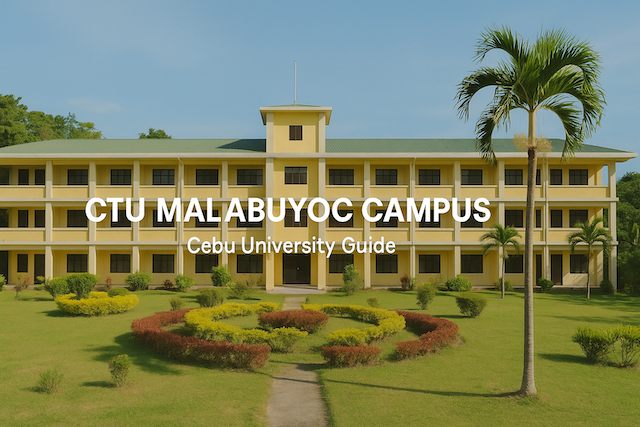
CTU Malabuyoc Campus: Cebu University Guide
Contents
- CTU Malabuyoc Campus: Cebu University Guide
- Overview of CTU Malabuyoc Campus
- Academic Programs Offered
- Campus Facilities
- Student Life and Campus Environment
- Admission Requirements
- Tuition and Financial Assistance
- How to Get to CTU Malabuyoc Campus
- Why Choose CTU Malabuyoc Campus?
- Career Paths for Graduates
- Community Engagement and Impact
- Final Thoughts
- FAQs (Frequently Asked Questions)
- Where is CTU Malabuyoc Campus located?
- What academic programs are offered at CTU Malabuyoc Campus?
- Is tuition free at CTU Malabuyoc Campus?
- What scholarships and financial assistance are available?
- What are the admission requirements for new students?
- Does CTU Malabuyoc Campus accept transferees?
- Is there a dormitory or housing near the campus?
- What is student life like at CTU Malabuyoc Campus?
- How can I travel to CTU Malabuyoc Campus from Cebu City?
- What language is used for instruction?
- What career opportunities are available for graduates of CTU Malabuyoc Campus?
CTU Malabuyoc Campus: Cebu University Guide
Overview of CTU Malabuyoc Campus
Cebu Technological University (CTU) Malabuyoc Campus is one of the southernmost extension campuses of CTU, serving the needs of students in the southwestern municipalities of Cebu. Known for its community-centered programs, practical skill development, and accessible education, the campus plays a vital role in supporting local industries such as agriculture, fisheries, tourism, and teacher education.
Malabuyoc is a quiet, rural town known for hot springs, agricultural lands, and scenic coastal views. The campus reflects this environment through programs aligned with sustainability, rural development, and hands-on technical training. CTU Malabuyoc Campus is ideal for students seeking an affordable yet high-quality education within a peaceful community setting.
Academic Programs Offered
The academic programs in CTU Malabuyoc Campus are designed to respond to the developmental priorities of the region. While offerings may vary over time, they typically include:
Bachelor of Science in Agriculture (BSA)
The BSA program prepares students for careers in farming, agribusiness, crop science, and animal production. Students gain hands-on training from experienced faculty and participate in fieldwork that enhances their understanding of modern and sustainable agricultural practices.
Bachelor of Secondary Education (BSEd)
CTU Malabuyoc offers education degrees aligned with national standards for teacher licensure. Students learn curriculum development, teaching strategies, and community-based education activities. Specializations often include Science or English, depending on faculty availability.
Diploma and Certificate Programs
The campus also provides TESDA-aligned technical programs, supporting short-term skills development for community members. Examples include agricultural production, welding, and basic computer operations. These programs help increase employability and support local labor needs.
Extension and Research Programs
As part of the CTU network, Malabuyoc Campus regularly implements research activities focusing on agriculture, coastal resource management, and the preservation of local ecosystems. Students can participate in extension programs designed to help farmers, fisherfolk, and small local businesses adopt improved techniques and technologies.
Campus Facilities
CTU Malabuyoc may be smaller than major CTU campuses, but it offers essential facilities for student learning and development.
Classrooms and Laboratories
The campus maintains standard classrooms along with specialized laboratories for agriculture and science-related courses. Practical agricultural training areas, demonstration farms, and plant nursery spaces provide hands-on learning experiences.
Library and Study Spaces
A campus library houses academic references, textbooks, and electronic resources essential for student research. Study areas are available for group or individual learning.
ICT Resources
Computer laboratories support IT-related subjects and allow students to complete online tasks, research assignments, and digital submissions. Wi-Fi is typically available in key areas, although connectivity may vary depending on location.
Outdoor and Community Training Areas
Given the agricultural focus of the campus, outdoor learning spaces—such as gardens, experimental plots, and livestock pens—play an important role in skills-based education.
Student Life and Campus Environment
Students who enroll at CTU Malabuyoc enjoy a calm and supportive academic environment. The campus culture is rooted in community values, respect, and academic integrity.
A Close-Knit Community
Smaller class sizes and a rural atmosphere create a friendly environment where students and faculty know each other well. This fosters mentorship opportunities and collaborative learning.
Student Organizations
The campus hosts several student organizations, including academic societies, interest-based clubs, and leadership groups such as the Supreme Student Government (SSG). These organizations support campus events, volunteer activities, and student development programs.
Extracurricular Activities
Events such as intramurals, cultural festivals, seminars, and environmental campaigns allow students to develop holistically. Community extension activities are especially important, as students often participate in outreach programs related to health, education, and livelihood training.
Admission Requirements
Admission procedures follow the general guidelines of Cebu Technological University.
Basic Requirements
-
Accomplished application form
-
Form 138 (Report Card) or SHS academic documents
-
Birth certificate (PSA)
-
2×2 ID photos
-
Good moral certificate
-
Entrance examination (if applicable)
-
Interview (for selected programs)
Some programs, such as Agriculture, may require physical fitness assessments or additional documents depending on current school policies.
For Transfer Students
-
Honorable dismissal
-
Transcript of records (TOR)
-
Evaluation of subjects for crediting
For Returning Students
Students previously enrolled may return following CTU’s re-admission guidelines and approval by the registrar.
Tuition and Financial Assistance
As a public university under RA 10931 (Universal Access to Quality Tertiary Education Act), CTU Malabuyoc Campus provides free tuition for qualified undergraduate students. Miscellaneous fees are minimal and may vary depending on program requirements.
Available Scholarships
Students may apply for several scholarship programs, such as:
-
CHED Scholarships
-
Tertiary Education Subsidy (TES)
-
Local government scholarships
-
Private sector educational grants
-
CTU internal scholarships for academic achievers
Scholarships generally cover tuition, allowances, stipends, or learning materials based on the specific program.
How to Get to CTU Malabuyoc Campus
CTU Malabuyoc is located in the southwestern part of Cebu, approximately 140 km from Cebu City.
From Cebu City
-
Go to the South Bus Terminal.
-
Ride a bus bound for Bato via Barili or Malabuyoc.
-
Travel time is approximately 3.5 to 4 hours.
-
Inform the driver to drop you near CTU Malabuyoc Campus.
Tricycles or habal-habal motorcycles can take you to the campus if needed.
From Nearby Municipalities
Students from Alegria, Ginatilan, or Samboan can easily reach the campus via local buses or jeepneys that connect these towns.
Why Choose CTU Malabuyoc Campus?
Choosing CTU Malabuyoc offers several advantages:
Affordable, Accessible Education
As part of the CTU system, students benefit from free tuition, low school fees, and scholarships—making it one of the most financially accessible higher education options in Cebu.
Community-Based Learning
Programs are designed to directly help local sectors such as agriculture, education, and small businesses. Students gain practical experience that is immediately useful in their community.
Peaceful Learning Environment
The natural surroundings and small-town culture create an atmosphere conducive to focused study and personal growth.
Strong Technical and Agricultural Training
The campus excels in hands-on skills development, making it ideal for students interested in applied sciences, farming technologies, and rural development.
Opportunities for Research and Extension
From coastal preservation to agribusiness, students can participate in real-world research initiatives that impact the local community.
Career Paths for Graduates
Graduates of CTU Malabuyoc Campus pursue careers in various sectors:
Agriculture Graduates
-
Farm managers
-
Agricultural technicians
-
Agribusiness entrepreneurs
-
Livestock specialists
-
Crop production consultants
-
Local government agriculture personnel
Education Graduates
-
Public or private school teachers
-
Tutors or academic facilitators
-
Education researchers
-
Community program coordinators
Technical and Vocational Program Graduates
-
Skilled workers in agriculture and construction
-
Self-employed service providers
-
Technicians in local businesses
Community Engagement and Impact
One of the core missions of CTU Malabuyoc is strengthening rural communities. Through training programs, research collaborations, and partnerships with local government, the campus plays a significant role in:
-
Improving agricultural productivity
-
Supporting sustainable coastal management
-
Enhancing livelihood opportunities
-
Promoting education and health awareness
Students often join extension activities as part of their coursework, helping them develop leadership, communication, and problem-solving skills.
Final Thoughts
CTU Malabuyoc Campus offers a meaningful educational experience for students who value community engagement, hands-on learning, and a peaceful environment. Its strong focus on agriculture, teacher education, and vocational training makes it an ideal option for individuals who want to contribute to rural development and local industries in Cebu.
FAQs (Frequently Asked Questions)
Where is CTU Malabuyoc Campus located?
CTU Malabuyoc Campus is located in the municipality of Malabuyoc in southwestern Cebu. It sits along the coastal and agricultural area of the town, making it accessible to students from nearby municipalities such as Alegria, Ginatilan, and Samboan. Most students reach the campus by bus or jeepney and then transfer to a tricycle or habal-habal to get directly to the school grounds.
What academic programs are offered at CTU Malabuyoc Campus?
The campus typically offers degree programs aligned with agriculture, education, and technical fields. Common offerings include Bachelor of Science in Agriculture (BSA) and education-related programs such as the Bachelor of Secondary Education (BSEd). In addition, there may be diploma and certificate courses, as well as TESDA-aligned technical and vocational programs that focus on community and industry needs.
Is tuition free at CTU Malabuyoc Campus?
As part of a state university, CTU Malabuyoc Campus usually implements the provisions of the Universal Access to Quality Tertiary Education Act (RA 10931). Qualified undergraduate students in recognized programs generally do not pay tuition fees. However, they may still need to shoulder minimal miscellaneous fees, uniforms, learning materials, and personal expenses. Policies may change, so it is best to check the latest announcements from the campus or CTU system.
What scholarships and financial assistance are available?
Students at CTU Malabuyoc Campus may apply for various scholarship and financial aid programs. These can include CHED scholarships, the Tertiary Education Subsidy (TES), local government scholarships, and grants from private organizations. Academic and leadership scholarships may also be available for high-performing students. Each scholarship has its own eligibility criteria, documentary requirements, and application timeline, so early inquiry and preparation are recommended.
What are the admission requirements for new students?
Typical admission requirements include a completed application form, senior high school report card (Form 138 or equivalent), birth certificate from PSA, certificate of good moral character, and recent ID photos. Some programs may require an entrance examination, interview, or program-specific screening. Requirements can vary depending on university policies for the current academic year, so applicants should carefully follow instructions from the admissions office.
Does CTU Malabuyoc Campus accept transferees?
Yes, the campus generally accepts transfer students based on space availability and alignment of previous coursework with CTU programs. Transferees usually need to submit a transcript of records, honorable dismissal, and course descriptions for evaluation. The college or program chair may credit equivalent subjects and determine which courses need to be retaken. Prospective transferees are advised to inquire early to avoid delays in enrollment.
Is there a dormitory or housing near the campus?
On-campus dormitory availability may be limited, depending on the current facilities and policies of CTU Malabuyoc Campus. Many students choose to rent affordable boarding houses or shared rooms within the town proper or in nearby barangays. Rental costs in provincial areas are often more budget-friendly compared to big cities, but students should still consider safety, distance to campus, and access to transportation when choosing accommodation.
What is student life like at CTU Malabuyoc Campus?
Student life is generally quiet, friendly, and community-oriented. Because the campus is smaller than urban universities, students and instructors tend to know one another, which fosters a close-knit environment. There are student organizations, such as academic clubs and the Supreme Student Government, that organize activities like seminars, outreach programs, cultural events, and sports competitions. The rural setting also supports outdoor learning and community immersion.
How can I travel to CTU Malabuyoc Campus from Cebu City?
From Cebu City, students typically begin at the South Bus Terminal and ride a bus bound for Bato via Barili or another route that passes through Malabuyoc. Travel time is usually around three and a half to four hours, depending on traffic and stopovers. Passengers should inform the driver or conductor that they will get off near CTU Malabuyoc. From the highway, local tricycles or habal-habal motorcycles can take them closer to the campus.
What language is used for instruction?
Most classes at CTU Malabuyoc Campus are conducted in English and Filipino, in line with national higher education practices in the Philippines. Some instructors may also use Cebuano for explanations, especially in community-based or extension subjects. Students are encouraged to be comfortable with English for academic requirements, research papers, and professional preparation, while still using local languages in informal and community settings.
What career opportunities are available for graduates of CTU Malabuyoc Campus?
Graduates can pursue careers in agriculture, education, local government, and various technical fields. Agriculture graduates may become farm managers, agricultural technicians, agribusiness entrepreneurs, or staff in government agriculture offices. Education graduates can work as teachers in public and private schools after meeting licensure requirements. Technical program completers may become skilled workers, technicians, or self-employed service providers. Many graduates also contribute to community development and rural enterprise projects.
Cebu Technological University (CTU) Guide: Courses, Campuses, and Admissions

How to Register for eTravel Philippines (2025 Guide)
Step-by-step guide to completing your eTravel registration before arriving in the Philippines, with images and tips.

Night Market in Cebu – Things You Don’t Know About Cebu Life
Discover the hidden charm of Cebu’s night markets, from street food stalls to local life tips you won’t find in tourist guides.

How to Use ChatGPT for IELTS Preparation: A Complete Guide
Learn how to prepare for IELTS using ChatGPT — including strategies for Writing, Reading, Listening, Speaking, and grammar support.

How to Build a Website Without Coding Using ChatGPT
Discover how to build your own website using AI—no coding skills needed. From structure planning to SEO and design, let ChatGPT guide you.