2026年4月5日
3D ACADEMY offers affordable English study programs in Cebu, Philippines – perfect for beginners, professionals, and exam takers.

3D UNIVERSAL ENGLISH INSTITUTE INC
info.3d-universal.com
8:00-17:00(Mon-Fri)
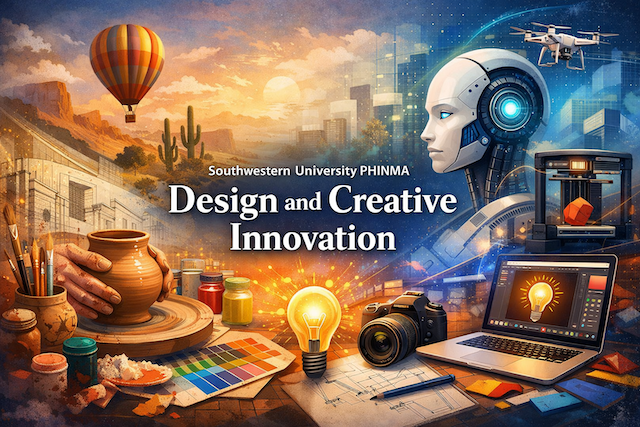
Southwestern University PHINMA (SWU PHINMA) – Design and Creative Innovation
Contents
- Southwestern University PHINMA (SWU PHINMA) – Design and Creative Innovation
- Overview of Southwestern University PHINMA
- What Is Design and Creative Innovation at SWU PHINMA?
- Academic Philosophy and Learning Approach
- Core Areas of Study
- Integration of Technology and Digital Skills
- Creative Innovation and Entrepreneurship
- Faculty Expertise and Industry Perspective
- Facilities and Learning Environment
- Student Projects and Portfolio Development
- Career Opportunities for Graduates
- Industry Relevance and Employability
- Student Life and Creative Culture
- Why Choose SWU PHINMA for Design and Creative Innovation?
- Conclusion
- FAQs (Frequently Asked Questions)
- What is the focus of SWU PHINMA’s Design and Creative Innovation program?
- Do I need strong drawing skills before enrolling?
- What software or tools will students usually use?
- What kinds of projects can I expect to create?
- How is Design and Creative Innovation different from Fine Arts?
- What career paths are available after graduation?
- Can this program help me become a freelancer?
- Will I graduate with a portfolio?
- How important is teamwork in the program?
- Is the program suitable for students who want to work in technology or startups?
Southwestern University PHINMA (SWU PHINMA) – Design and Creative Innovation
Overview of Southwestern University PHINMA
Southwestern University PHINMA (SWU PHINMA) is one of the most established private universities in Cebu City, Philippines, with a long history of providing practical, industry-oriented education. Founded in 1946, the university has continuously evolved to meet the demands of modern industries while maintaining a strong commitment to accessibility, quality education, and student success. As part of the PHINMA Education Network, SWU PHINMA benefits from a nationwide academic framework that emphasizes employability, innovation, and values-based learning.
In recent years, SWU PHINMA has expanded its focus beyond traditional academic disciplines by investing in programs related to design, creativity, and innovation. These programs respond to the growing demand for creative professionals who can blend artistic vision with strategic thinking, digital skills, and entrepreneurial mindset. The Design and Creative Innovation pathway at SWU PHINMA reflects this forward-looking approach.
What Is Design and Creative Innovation at SWU PHINMA?
Design and Creative Innovation at SWU PHINMA is an interdisciplinary academic focus that combines visual design, creative thinking, technology, and problem-solving. Rather than limiting students to purely artistic expression, the program encourages them to view design as a tool for communication, innovation, and real-world impact.
Students are trained to conceptualize, design, and execute creative solutions for diverse industries such as marketing, digital media, product development, branding, user experience, and social innovation. The curriculum balances theory and practice, ensuring that graduates possess both creative confidence and technical competence.
Academic Philosophy and Learning Approach
SWU PHINMA’s Design and Creative Innovation education is grounded in experiential learning. Students are encouraged to learn by doing through hands-on projects, collaborative workshops, case studies, and industry simulations. This approach reflects the realities of creative industries, where adaptability, teamwork, and problem-solving are essential skills.
The program also emphasizes design thinking, a human-centered methodology that trains students to empathize with users, define problems clearly, generate innovative ideas, prototype solutions, and test outcomes. By embedding design thinking into the curriculum, SWU PHINMA prepares students to address real-world challenges creatively and strategically.
Core Areas of Study
The Design and Creative Innovation program covers a wide range of foundational and advanced subjects. Core areas typically include visual communication, design principles, color theory, typography, and composition. These fundamentals serve as the backbone of all creative work and ensure students develop a strong aesthetic foundation.
In addition, students explore digital design tools and technologies, such as graphic design software, digital illustration, layout systems, and basic animation. Courses also introduce concepts related to branding, storytelling, and content creation, helping students understand how design functions in commercial and cultural contexts.
Integration of Technology and Digital Skills
Recognizing the digital transformation of creative industries, SWU PHINMA integrates technology deeply into its design education. Students gain exposure to digital platforms, multimedia production, and emerging tools that support creative workflows. This includes web and mobile design concepts, user interface design, and basic user experience principles.
By developing digital literacy alongside creative skills, students are better equipped to work in fast-paced environments where technology and creativity intersect. This integration also allows graduates to adapt more easily to evolving industry standards and tools.
Creative Innovation and Entrepreneurship
A distinctive aspect of the Design and Creative Innovation pathway at SWU PHINMA is its emphasis on innovation and entrepreneurship. Students are encouraged to think beyond execution and consider the strategic and business implications of design. This includes understanding client needs, market trends, and the economic value of creative solutions.
Entrepreneurial thinking is fostered through project-based learning, where students develop concepts that could potentially evolve into startups, creative agencies, or social enterprises. This mindset prepares graduates not only for employment but also for self-directed career paths.
Faculty Expertise and Industry Perspective
SWU PHINMA’s faculty members in design and creative disciplines bring a combination of academic knowledge and industry experience. Many instructors have backgrounds in professional design practice, advertising, digital media, or creative consultancy. This ensures that classroom instruction remains relevant, practical, and aligned with current industry expectations.
Faculty mentorship plays an important role in student development. Instructors guide students through creative processes, provide constructive feedback, and help them refine both technical skills and creative judgment.
Facilities and Learning Environment
The learning environment at SWU PHINMA supports creativity through dedicated classrooms, computer laboratories, and collaborative spaces. These facilities are designed to accommodate design software, digital production, and group-based creative activities.
Students are encouraged to use campus resources for experimentation, exploration, and collaboration. The university environment fosters a sense of creative community where students from different disciplines can exchange ideas and perspectives.
Student Projects and Portfolio Development
Portfolio development is a key outcome of the Design and Creative Innovation program. Throughout their studies, students work on a wide range of projects that demonstrate their skills, creativity, and problem-solving abilities. These projects often simulate real-world scenarios, such as branding campaigns, visual identity systems, digital content, or conceptual design solutions.
By graduation, students are expected to have a comprehensive portfolio that showcases their creative strengths and professional readiness. This portfolio serves as a critical tool for job applications, freelance work, or entrepreneurial ventures.
Career Opportunities for Graduates
Graduates of Design and Creative Innovation at SWU PHINMA have access to diverse career pathways. Potential roles include graphic designer, visual communicator, brand designer, digital content creator, creative assistant, and junior art director. Some graduates may also pursue careers in marketing, advertising, media production, or user experience design.
For those with entrepreneurial ambitions, the program provides a foundation for launching freelance careers, creative studios, or small design-based businesses. The versatility of design skills allows graduates to adapt to multiple industries and work environments.
Industry Relevance and Employability
SWU PHINMA aligns its design education with industry needs by emphasizing practical skills, professional conduct, and adaptability. Students learn how to communicate ideas effectively, meet project deadlines, and collaborate with clients or team members. These competencies are essential for long-term success in creative professions.
The university’s focus on employability ensures that graduates are not only creatively capable but also workplace-ready. This balance between creativity and professionalism strengthens their competitiveness in the job market.
Student Life and Creative Culture
Student life at SWU PHINMA supports creative expression through extracurricular activities, student organizations, and campus events. Design and creative students often participate in exhibitions, competitions, workshops, and collaborative projects that enrich their learning experience.
This vibrant creative culture helps students build confidence, expand their networks, and gain exposure to diverse creative practices. It also encourages experimentation and personal artistic growth beyond formal coursework.
Why Choose SWU PHINMA for Design and Creative Innovation?
Choosing SWU PHINMA for Design and Creative Innovation offers students an education that is accessible, practical, and future-oriented. The university’s commitment to hands-on learning, industry relevance, and values-based education creates an environment where creative talents can flourish.
Students benefit from a curriculum that balances artistic expression with strategic thinking, technical skills, and innovation. This holistic approach prepares graduates to navigate the complexities of modern creative industries with confidence and adaptability.
Conclusion
Southwestern University PHINMA’s Design and Creative Innovation program represents a dynamic pathway for students who aspire to build careers in design, creativity, and innovation. By combining strong design fundamentals, digital competencies, and entrepreneurial thinking, the program equips students with the tools needed to succeed in an evolving creative landscape.
For aspiring designers and creative professionals seeking a supportive academic environment in Cebu City, SWU PHINMA offers a compelling option that emphasizes real-world readiness, creative exploration, and meaningful impact through design.
FAQs (Frequently Asked Questions)
What is the focus of SWU PHINMA’s Design and Creative Innovation program?
SWU PHINMA’s Design and Creative Innovation program focuses on building practical design skills while training students to use creativity for real-world problem-solving. The program typically combines design fundamentals such as visual communication, layout, typography, and branding with innovation-focused approaches like design thinking. Students learn how to develop ideas, turn them into clear visual outputs, and present solutions that match user needs or client goals. The “innovation” side of the program encourages students to think beyond aesthetics and consider strategy, impact, and usefulness. This makes the program suitable for learners who want to work in creative industries where design is tied to business, technology, or community outcomes.
Do I need strong drawing skills before enrolling?
Not necessarily. While drawing can be helpful in certain creative fields, most modern design education is built around communication, concept development, and digital production rather than traditional fine arts alone. Many students start with limited drawing experience and develop their skills over time. In design programs, what matters most is your ability to learn, practice consistently, and improve through feedback. You may begin with basic sketching as a way to explore ideas, but much of the output can be created through digital tools. If you are motivated and open to learning, you can succeed even if you are not confident in drawing at the start.
What software or tools will students usually use?
Students in design-related programs commonly use industry-standard digital tools for graphic design, layout, illustration, and basic multimedia production. While the exact software may vary by instructor and course, you can expect exposure to tools used for editing images, creating vector graphics, building layouts, and preparing presentations. You may also encounter tools for simple animation, video editing, or interface mockups depending on the course direction. Beyond software, students also learn process-based tools like mood boards, wireframes, prototypes, and creative briefs. Many programs emphasize transferable skills so students can adapt to new tools as technology evolves.
What kinds of projects can I expect to create?
Project-based work is a major part of design education. You can expect assignments that build practical portfolio pieces such as posters, logos, brand identity systems, packaging concepts, social media visuals, and campaign materials. Some courses may include digital outputs like interface mockups, simple web layouts, or content for online platforms. In innovation-focused subjects, you may be asked to solve real or simulated problems using design thinking, including research, ideation, prototyping, and testing. Many students also complete a capstone or final project that combines multiple skills into one comprehensive body of work that can be shown to employers.
How is Design and Creative Innovation different from Fine Arts?
Fine Arts often focuses on personal artistic expression, traditional studio practice, and the development of an artist’s individual style. Design and Creative Innovation, on the other hand, usually focuses on communication and purpose. Design work is often created for an audience, a client, or a user, and the success of the work is measured by clarity and impact rather than personal interpretation alone. The “creative innovation” element also adds strategic and problem-solving skills, pushing students to think about usability, market fit, and practical application. If you enjoy creativity but also like structured outcomes and real-world use cases, design may be a better match.
What career paths are available after graduation?
Graduates can pursue roles in a wide range of creative and digital industries. Common pathways include graphic design, branding, marketing design, social media content creation, and creative production support. Some graduates move into advertising or work as junior art directors, design assistants, or visual communication specialists. Others may explore digital roles such as basic user interface design, layout design for websites, or content design for online platforms. Because innovation and problem-solving are emphasized, some graduates also work in entrepreneurial or project-based environments where they collaborate with startups, local businesses, or community organizations.
Can this program help me become a freelancer?
Yes, the skill set developed in design programs is often well-suited for freelancing. Freelancers typically need both creative ability and professional workflow skills, including client communication, project planning, revisions, and delivery formats. By building a portfolio and learning how to explain your creative decisions, you can prepare for freelance work. However, freelancing also requires discipline, business awareness, and relationship-building. Students who want to freelance should take portfolio development seriously, build good work habits early, and practice presenting work clearly. Some students begin with small projects such as social media graphics or logo work while still studying.
Will I graduate with a portfolio?
In most design-focused programs, portfolio development is an expected outcome. Students complete multiple projects across semesters, and these projects are refined into portfolio pieces. A strong portfolio usually includes a variety of work that shows concept development, technical skill, and consistent design thinking. It is also important to show process, not just final visuals, especially when applying for roles that value problem-solving. Students who actively improve their work based on critique and dedicate time to polishing outputs typically graduate with a portfolio that is ready for entry-level job applications.
How important is teamwork in the program?
Teamwork is very important because creative industries often require collaboration between designers, writers, marketers, clients, and developers. Students may work in groups for campaigns, innovation projects, or presentations. Group work trains you to communicate ideas, accept critique, manage deadlines, and contribute responsibly. It also reflects real working environments where design decisions must align with broader objectives. Learning how to collaborate effectively can be as valuable as learning technical software skills, especially for students who plan to work in agencies or corporate creative teams.
Is the program suitable for students who want to work in technology or startups?
Yes. Design and Creative Innovation can be a good fit for students interested in startups, technology-driven work, or digital product environments. Startups often need creative professionals who can handle branding, pitch materials, visual identity, marketing assets, and sometimes basic interface visuals. Innovation-focused coursework can also help students understand user needs, develop prototypes, and present ideas clearly. While specialized tech roles like advanced UX research or product design may require additional training, this program can serve as a strong foundation for students who want to enter the broader design-and-tech ecosystem.
Cebu Universities: Arts and Design – Schools Offering Fine Arts, Fashion, and Multimedia Design

How to Register for eTravel Philippines (2025 Guide)
Step-by-step guide to completing your eTravel registration before arriving in the Philippines, with images and tips.

Night Market in Cebu – Things You Don’t Know About Cebu Life
Discover the hidden charm of Cebu’s night markets, from street food stalls to local life tips you won’t find in tourist guides.

How to Use ChatGPT for IELTS Preparation: A Complete Guide
Learn how to prepare for IELTS using ChatGPT — including strategies for Writing, Reading, Listening, Speaking, and grammar support.

How to Build a Website Without Coding Using ChatGPT
Discover how to build your own website using AI—no coding skills needed. From structure planning to SEO and design, let ChatGPT guide you.