2026年4月5日
3D ACADEMY offers affordable English study programs in Cebu, Philippines – perfect for beginners, professionals, and exam takers.

3D UNIVERSAL ENGLISH INSTITUTE INC
info.3d-universal.com
8:00-17:00(Mon-Fri)
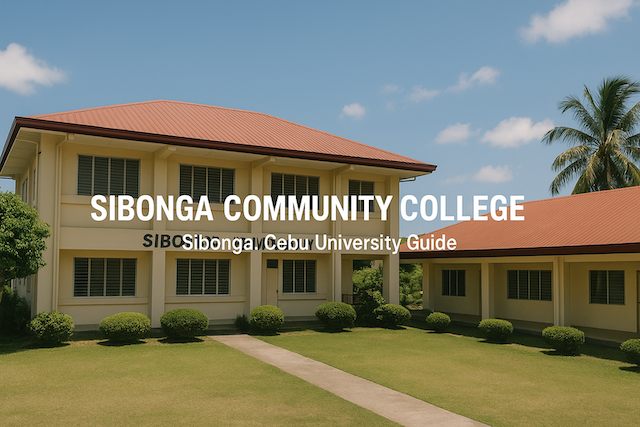
Sibonga Community College – Sibonga: Cebu University Guide
Contents
- Sibonga Community College – Sibonga: Cebu University Guide
- Overview of Sibonga Community College
- Academic Programs Offered
- Campus Environment and Learning Atmosphere
- Facilities and Resources
- Admission Requirements and Process
- Tuition Fees and Financial Aid
- Why Choose Sibonga Community College?
- Student Life in Sibonga
- Tips for Prospective Students
- FAQs (Frequently Asked Questions)
- What type of institution is Sibonga Community College?
- Where is Sibonga Community College located in Cebu?
- What programs and courses are commonly offered?
- What is the language of instruction at Sibonga Community College?
- How much are the tuition and other school fees?
- Are there scholarships or financial assistance programs?
- Does Sibonga Community College accept transferees?
- What are the usual admission requirements for new students?
- Is there on-campus housing or nearby accommodation?
- How can students travel from Cebu City to Sibonga Community College?
- What is student life like at Sibonga Community College?
Sibonga Community College – Sibonga: Cebu University Guide
Overview of Sibonga Community College
Sibonga Community College (SCC) is a public higher education institution located in the municipality of Sibonga, Cebu. Established to provide accessible and affordable education to local students, the college plays a significant role in offering academic pathways for those who might otherwise need to travel to Cebu City or neighboring towns for tertiary studies. SCC is known for its community-focused programs, small yet supportive learning environment, and its mission to uplift the educational landscape of southern Cebu.
The college caters primarily to Sibonga residents and nearby areas such as Argao, Carcar, and Dumanjug, making it a practical option for students seeking quality education close to home. Its programs are designed to meet local workforce needs, particularly in fields such as education, business, and information technology.
This guide provides an in-depth look at academic offerings, campus life, admission processes, tuition fees, facilities, and key reasons why Sibonga Community College may be a strong choice for prospective students.
Academic Programs Offered
Sibonga Community College offers undergraduate programs tailored to community needs and professional demand. While offerings may vary depending on faculty availability and CHED approvals, common programs typically include:
Bachelor of Elementary Education (BEEd)
A program designed to prepare future educators for teaching at the elementary level. Students learn teaching strategies, classroom management, child psychology, and curriculum development.
Bachelor of Secondary Education (BSEd)
This degree focuses on preparing students to teach at the high school level. Majors may include English, Mathematics, or Social Studies depending on the year’s curriculum offerings.
Bachelor of Science in Business Administration (BSBA)
A versatile program that equips students with business management skills. Subjects cover accounting, finance, marketing, business ethics, and entrepreneurship—ideal for students aspiring to work in local businesses or start their own ventures.
Bachelor of Science in Information Technology (BSIT)
With technology skills becoming increasingly vital, BSIT is a popular program for students aiming to pursue careers in IT support, software development, networking, or digital services.
TVET Programs (if applicable)
Some community colleges also offer TESDA-accredited short courses or diploma programs. Prospective students should check the latest offerings with the school’s registrar.
Campus Environment and Learning Atmosphere
Sibonga Community College is known for its close-knit and supportive campus culture. As a community college, classes are typically smaller compared to major universities in Cebu City. This allows professors to provide personalized attention and guidance.
Student Community
Most students come from Sibonga and neighboring towns, creating a collaborative and friendly environment. The school fosters a sense of camaraderie, often organizing community service programs, local events, and student leadership opportunities.
Campus Safety
SCC is located within a peaceful municipality. The campus is generally safe, with a community-based security presence and well-lit common areas. Since the town is laid-back, students enjoy a calm study atmosphere away from urban congestion.
Facilities and Resources
While Sibonga Community College is modest compared to large private universities, it provides essential facilities needed for effective learning.
Classrooms
Standard classrooms equipped with whiteboards, basic multimedia equipment, and ventilation. Their manageable class sizes make lectures comfortable and engaging.
Computer Laboratory
A computer lab is available for IT-related courses and general academic activities. Students can access computers for research, assignments, and technical training.
Library
The campus library houses books on education, business, technology, and general references. Digital resources may also be available depending on current upgrades.
Multi-Purpose Spaces
The school uses open areas for assemblies, events, and student activities. Community-focused programs and clubs often hold sessions in designated spaces.
Admission Requirements and Process
Basic Requirements
Applicants commonly need to submit the following:
-
Completed admission form
-
High school report card (Form 138)
-
Certificate of Good Moral Character
-
Birth certificate (PSA)
-
2×2 ID photos
-
Entrance exam results (if required)
Requirements may vary slightly depending on the program.
Admission Timeline
Enrollment typically begins before the start of each academic semester. SCC follows the Philippine academic calendar unless otherwise announced.
Entrance Examination
Some programs may require an entrance or placement test to assess academic readiness.
Tuition Fees and Financial Aid
Because Sibonga Community College is a public institution, tuition is highly affordable. It may also participate in the Universal Access to Quality Tertiary Education Act (RA 10931), which allows eligible Filipino students to study without paying tuition and certain other fees.
Expected Expenses
Although tuition may be free for qualified students, other minimal costs may include:
-
School ID
-
Miscellaneous fees
-
Uniforms (if required)
-
Learning materials or photocopies
-
Departmental fees depending on the program
Financial assistance or scholarships may also be available locally through the municipal government, provincial government, or partner agencies.
Why Choose Sibonga Community College?
1. Affordable Education
Being a public institution, SCC offers one of the most cost-effective options for tertiary education in southern Cebu.
2. Close to Home
Students do not need to travel far or relocate, reducing transportation and living expenses.
3. Community-Oriented Programs
Courses are designed to help students find employment within the region, contributing to local development.
4. Supportive Learning Environment
Smaller class sizes ensure better interaction with instructors and improved academic support.
5. Growing Academic Opportunities
As the municipality continues to develop, the college may expand course offerings and improve facilities.
Student Life in Sibonga
Living and studying in Sibonga provides a unique blend of rural charm and developing infrastructure.
Transportation
Local tricycles, motorcycles (habal-habal), jeepneys, and buses offer transport options. Commutes are generally short and affordable.
Food and Budget Meals
Students can enjoy local carinderias, eateries, and small cafes near the school that offer budget-friendly meals.
Housing Options
Boarding houses and rented rooms are available near the campus for students from neighboring towns. These cost significantly less than rentals in Cebu City.
Nearby Landmarks
Sibonga is home to several attractions, such as the Simala Shrine, known for its beautiful architecture and pilgrimage significance.
Tips for Prospective Students
-
Check updated program offerings before applying, as they may change yearly.
-
Prepare documents early to avoid enrollment delays.
-
Visit the campus to get a feel for the environment and ask questions directly.
-
Explore financial aid options through local government units.
-
Stay updated on announcements via the school’s official Facebook page or municipal channels.
FAQs (Frequently Asked Questions)
What type of institution is Sibonga Community College?
Sibonga Community College is a local higher education institution in Sibonga, Cebu that serves residents of the municipality and nearby towns. It typically focuses on accessible and affordable tertiary education, offering programs that are aligned with community needs, such as teacher education, business, and technology-related courses. As a community college, it often works closely with the local government and nearby industries to support regional development and provide opportunities for first-generation college students.
Where is Sibonga Community College located in Cebu?
Sibonga Community College is located in the municipality of Sibonga in the southern part of Cebu Island. The town is along the coastal highway that connects Cebu City to southern Cebu destinations like Argao and Carcar. The campus is generally accessible by bus or van from Cebu City’s main terminals, followed by a short tricycle or motorcycle ride within the town proper. Exact campus directions can vary, so it is best to check the latest guidance from the school or local transport operators.
What programs and courses are commonly offered?
The college usually offers undergraduate programs in fields such as education, business administration, and information technology, along with other community-focused courses depending on demand and accreditation. These programs are designed to prepare students for professional licensure examinations or entry-level positions in local companies, schools, and government offices. Because offerings can change over time, applicants should always review the current list of programs on the official school channels before applying.
What is the language of instruction at Sibonga Community College?
Most classes at Sibonga Community College are taught in English and Filipino, in line with standard practice at many higher education institutions in the Philippines. Some instructors may also use Cebuano for clarification or discussions, especially for students who are more comfortable in the local language. Course materials, exams, and official documents are generally in English, particularly for professional and technical subjects, so students should be prepared to use English in academic settings.
How much are the tuition and other school fees?
Tuition and school fees at Sibonga Community College are typically lower than those of private universities in Cebu City, reflecting its role as a community-oriented institution. However, the exact cost per semester or per unit can vary depending on the program, the number of enrolled subjects, and any changes in local policies or national funding. Students are encouraged to contact the registrar or finance office directly, or check official announcements, for the most accurate and updated breakdown of fees, miscellaneous charges, and possible discounts.
Are there scholarships or financial assistance programs?
Many community colleges in the Philippines participate in government-sponsored scholarship and financial aid programs, such as national, regional, or local grants. Sibonga Community College may offer or facilitate access to scholarships for academically qualified students, low-income families, or specific priority sectors. There may also be discounts, incentives, or work-study arrangements depending on the student’s status. Because requirements and availability can change, prospective students should inquire at the scholarship or student affairs office early in the application process.
Does Sibonga Community College accept transferees?
Yes, community colleges commonly accept transferee students, subject to evaluation of their previous academic records and course equivalencies. Transferees to Sibonga Community College will usually need to submit transcripts of records, subject descriptions, and other credentials from their former institution. The dean or program chair will assess which subjects can be credited and whether the student meets the prerequisites for higher-level courses. It is recommended to start the transfer inquiry well before the beginning of the semester to allow enough time for evaluation.
What are the usual admission requirements for new students?
Basic admission requirements generally include a completed senior high school program (or its equivalent), Form 138 or report card, a good moral certificate, birth certificate, and recent ID photos. Some programs may require additional entrance tests, interviews, or medical examinations, especially for courses that have professional licensure or physical fitness components. International or non-Filipino students, if accepted, may have separate documentary and visa-related requirements. Always check the latest admission guidelines from the registrar’s office before compiling documents.
Is there on-campus housing or nearby accommodation?
Sibonga Community College is primarily a community-serving institution, so many students commute from their homes within Sibonga or neighboring towns. On-campus dormitories may be limited or unavailable, depending on the current facilities. However, there are usually boarding houses or rented rooms in the town proper and nearby barangays where students can stay during the semester. Availability, safety, and price can vary, so students and parents should personally visit the area, inspect potential accommodations, and consider proximity to the campus and main roads.
How can students travel from Cebu City to Sibonga Community College?
From Cebu City, students can ride a south-bound bus or van from major terminals such as those near the South Bus Terminal, heading toward Sibonga, Argao, or further south. Travel time can range from two to three hours depending on traffic and weather conditions. Upon arrival in Sibonga, local transport options like tricycles or motorcycles-for-hire can bring students closer to the campus. First-time visitors should allocate extra travel time and confirm directions with the school, local government office, or transport operators.
What is student life like at Sibonga Community College?
Student life at Sibonga Community College is often community-focused and practical. Learners typically balance their studies with family responsibilities, part-time work, or involvement in local organizations. The campus may host student councils, academic organizations, and cultural or sports events that help students build leadership, teamwork, and communication skills. Because the environment is smaller and more personal than in large metropolitan universities, students often form close ties with classmates, faculty members, and community partners, creating a supportive atmosphere for learning.
Philippines University Guide
Cebu University Guide
Cebu Province All Universities Lists

How to Register for eTravel Philippines (2025 Guide)
Step-by-step guide to completing your eTravel registration before arriving in the Philippines, with images and tips.

Night Market in Cebu – Things You Don’t Know About Cebu Life
Discover the hidden charm of Cebu’s night markets, from street food stalls to local life tips you won’t find in tourist guides.

How to Use ChatGPT for IELTS Preparation: A Complete Guide
Learn how to prepare for IELTS using ChatGPT — including strategies for Writing, Reading, Listening, Speaking, and grammar support.

How to Build a Website Without Coding Using ChatGPT
Discover how to build your own website using AI—no coding skills needed. From structure planning to SEO and design, let ChatGPT guide you.