2025年12月27日
3D ACADEMY offers affordable English study programs in Cebu, Philippines – perfect for beginners, professionals, and exam takers.

3D UNIVERSAL ENGLISH INSTITUTE INC
info.3d-universal.com
8:00-17:00(Mon-Fri)
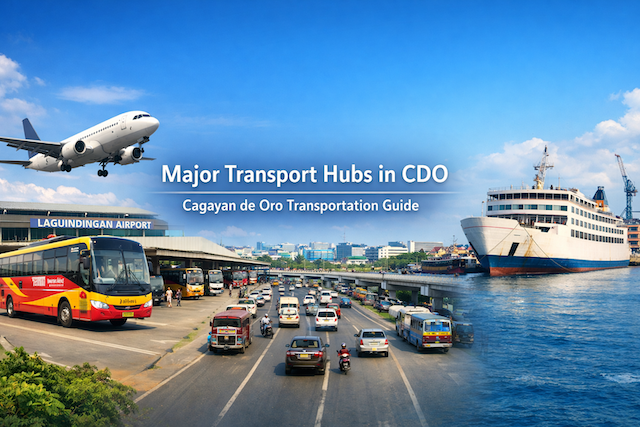
Major Transport Hubs in CDO: Cagayan de Oro Transportation Guide
Contents
- Major Transport Hubs in CDO: Cagayan de Oro Transportation Guide
- Laguindingan Airport (CDO International Airport)
- Macabalan Port (Cagayan de Oro Port)
- Agora Integrated Bus Terminal
- Bulua Westbound Bus and Jeepney Terminal
- Jeepney Routes and Urban Transport Hubs
- Motorela and Tricycle Hubs
- Taxi and Ride-Hailing Pickup Points
- Transport Hubs Serving Bukidnon and Northern Mindanao
- Future Transport Developments in CDO
- Practical Tips for Navigating CDO Transport Hubs
- Conclusion
- Frequently Asked Questions (FAQs)
- Where is Cagayan de Oro’s main airport, and how far is it from the city center?
- What is the best way to get from Laguindingan Airport to Downtown or Uptown CDO?
- Which seaport should I use for ferry travel in Cagayan de Oro?
- What is the difference between Agora Terminal and Bulua Terminal?
- How do I choose between buses and vans for provincial travel?
- Where are the main jeepney hubs in Cagayan de Oro?
- Are jeepneys easy for tourists to use, and how do I avoid getting on the wrong one?
- What are motorelas, and when should I use them?
- Is ride-hailing available in CDO, and when is it better than taxis?
- How early should I arrive at bus terminals or the seaport before departure?
- What should I prepare to make transfers between hubs easier?
- Is CDO a good base for visiting Bukidnon, and what hubs are best for that trip?
- What safety tips should I follow in crowded transport hubs?
Major Transport Hubs in CDO: Cagayan de Oro Transportation Guide
Cagayan de Oro City (CDO), often called the “Gateway to Northern Mindanao,” is one of the most important transport and logistics centers in the southern Philippines. Its strategic location along Macajalar Bay makes it a vital link between Mindanao, Visayas, and Luzon, serving both local commuters and long-distance travelers.
Whether you are a first-time visitor, a business traveler, a student, or an expat planning to stay long-term, understanding CDO’s major transport hubs will make moving around the city and the wider Mindanao region far easier. This guide covers the key airports, seaports, bus terminals, and land transport hubs, along with practical tips on how to use them efficiently.
Laguindingan Airport (CDO International Airport)
Laguindingan Airport is the primary air gateway serving Cagayan de Oro and the neighboring city of Iligan. Although it is officially located in Laguindingan, Misamis Oriental, it functions as CDO’s main airport and handles both domestic and limited international flights.
Location and Distance from CDO
The airport is approximately 32 kilometers northwest of Cagayan de Oro City. Travel time to downtown areas such as Divisoria or Uptown typically ranges from 45 minutes to 1.5 hours, depending on traffic and weather conditions.
Airlines and Routes
Laguindingan Airport mainly serves domestic routes, with frequent flights to:
-
Manila
-
Cebu
-
Clark
-
Davao (via limited schedules)
Flights are operated by major Philippine carriers such as Philippine Airlines, Cebu Pacific, and AirAsia. While international flights are limited, the airport is considered an international gateway and may expand routes in the future.
Ground Transportation Options
Travelers can reach the city from the airport through:
-
Airport shuttle vans (shared or private)
-
Taxis and ride-hailing services
-
Hotel-arranged transfers
Shuttle vans are the most common option for budget travelers, usually dropping passengers at key points such as Limketkai Center or Centrio Mall.
Macabalan Port (Cagayan de Oro Port)
Macabalan Port is the main seaport of Cagayan de Oro and one of the busiest ports in Mindanao. It plays a crucial role in passenger travel, cargo shipping, and inter-island logistics.
Passenger Ferry Services
The port serves ferry routes connecting CDO to:
-
Cebu
-
Bohol
-
Manila (via long-haul ferries)
-
Dumaguete and other Visayas destinations (seasonal or indirect routes)
Major ferry operators include 2GO Travel and other inter-island shipping lines.
Cargo and Logistics Importance
Beyond passenger services, Macabalan Port is a vital cargo hub. It supports:
-
Agricultural exports from Bukidnon and Northern Mindanao
-
Consumer goods distribution
-
Construction and industrial supplies
This makes the port a major economic driver for the city and the surrounding region.
Accessibility
The port is located near the city center, making it accessible by:
-
Taxis and ride-hailing services
-
Jeepneys and motorelas
-
Private vehicles
Agora Integrated Bus Terminal
Agora Bus Terminal is one of the two main land transport hubs in Cagayan de Oro, primarily serving routes to eastern and southern Mindanao.
Destinations Served
From Agora Terminal, passengers can travel to:
-
Davao City
-
Bukidnon (Malaybalay, Valencia)
-
Butuan City
-
Surigao City
-
Various towns in Misamis Oriental and Agusan regions
Buses, vans, and multicabs operate from this terminal, catering to both short and long-distance travel.
Bus Operators and Services
The terminal hosts several well-known bus companies offering air-conditioned and non-air-conditioned services. Travel times vary depending on road conditions, especially for mountainous routes leading to Bukidnon and Davao.
Facilities
Agora Terminal includes:
-
Ticket counters
-
Waiting areas
-
Food stalls and small convenience shops
-
Public restrooms
While functional, facilities are basic, so travelers should plan accordingly for long waits.
Bulua Westbound Bus and Jeepney Terminal
Bulua Terminal is the main transport hub for westbound travel from Cagayan de Oro, covering routes toward Zamboanga Peninsula and parts of Western Mindanao.
Key Routes
Bulua Terminal serves destinations such as:
-
Iligan City
-
Ozamiz City
-
Dipolog City
-
Pagadian City
-
Lanao del Norte and Lanao del Sur towns
This terminal is essential for travelers heading toward western Mindanao or connecting to ferry ports like Ozamiz.
Transport Types
From Bulua Terminal, travelers can choose:
-
Large provincial buses
-
Vans for faster point-to-point travel
-
Jeepneys for nearby towns
Vans are popular for speed, while buses are preferred for comfort on longer journeys.
Accessibility
Bulua Terminal is located in the western part of the city and is accessible by:
-
Jeepneys from Divisoria and downtown
-
Taxis and ride-hailing services
-
Private vehicles
Jeepney Routes and Urban Transport Hubs
Jeepneys remain the backbone of daily commuting within Cagayan de Oro. Understanding the main jeepney hubs helps visitors navigate the city more efficiently.
Divisoria Transport Hub
Divisoria is the heart of CDO’s jeepney network. Most routes pass through or originate from this area, making it a central transfer point.
Common routes connect Divisoria to:
-
Uptown areas
-
Cogon Market
-
Lapasan
-
Carmen
-
Bulua
-
Agora
Cogon Market Area
Cogon is another major transport hub, especially for commuters heading to residential neighborhoods and nearby towns. The area is busy from early morning until late evening.
Tips for Using Jeepneys
-
Always confirm the route name displayed on the jeepney signboard.
-
Prepare small bills or coins for fare payment.
-
Expect crowded conditions during peak hours.
Motorela and Tricycle Hubs
Motorelas, a unique form of transport in CDO, operate similarly to tricycles but can carry more passengers. They are widely used for short-distance travel.
Common Motorela Areas
Motorelas are commonly found in:
-
Divisoria
-
Cogon
-
Carmen
-
Barangay-level streets
They are ideal for short trips where jeepneys are less convenient.
Fare Considerations
Fares are generally low, but it is best to ask the driver about the price before boarding, especially for private or late-night trips.
Taxi and Ride-Hailing Pickup Points
Taxis and app-based ride services are widely available in Cagayan de Oro, particularly around major transport hubs.
Major Pickup Areas
Reliable taxi and ride-hailing pickup points include:
-
Laguindingan Airport arrival area
-
Limketkai Center
-
Centrio Mall
-
Major hotels
-
Bus terminals and seaport areas
Practical Tips
-
Airport fares are usually higher due to distance.
-
Ride-hailing apps provide clearer pricing and are preferred by many travelers.
-
During peak hours or bad weather, waiting times may increase.
Transport Hubs Serving Bukidnon and Northern Mindanao
Cagayan de Oro serves as the main jump-off point to Bukidnon, a landlocked province known for its cool climate and agricultural hubs.
Bukidnon-Bound Transport
Both Agora Terminal and Divisoria have transport options heading to:
-
Malaybalay City
-
Valencia City
-
Dahilayan
-
Manolo Fortich
These routes are heavily used by students, workers, and tourists.
Importance of CDO as a Regional Gateway
Because Bukidnon lacks an airport and major seaport, CDO’s transport hubs are essential for:
-
Education access
-
Medical travel
-
Trade and logistics
Future Transport Developments in CDO
Cagayan de Oro continues to invest in infrastructure improvements to support its growing population and economy.
Planned and Ongoing Projects
Key developments include:
-
Road widening and bypass roads to reduce congestion
-
Improvements in port facilities
-
Enhanced airport access roads
-
Integrated transport planning initiatives
These projects aim to improve connectivity between transport hubs and reduce travel time across the city.
Traveling through Cagayan de Oro can be smooth with proper planning.
General Advice
-
Allow extra time during peak hours and holidays.
-
Keep cash on hand for jeepneys, motorelas, and small terminals.
-
Confirm schedules in advance for long-distance buses and ferries.
Safety and Convenience
-
Keep personal belongings secure in crowded terminals.
-
Use reputable transport operators.
-
For late-night travel, taxis and ride-hailing services are safer options.
Conclusion
Cagayan de Oro’s major transport hubs play a critical role in connecting Northern Mindanao to the rest of the Philippines. From Laguindingan Airport and Macabalan Port to the Agora and Bulua bus terminals, each hub serves a specific purpose within the city’s transport ecosystem.
By understanding how these hubs work and how they connect, travelers can move around CDO and beyond with confidence. Whether you are commuting within the city, heading to Bukidnon, or traveling to other islands, Cagayan de Oro offers a well-established transport network that supports both everyday life and long-distance journeys.
Frequently Asked Questions (FAQs)
Where is Cagayan de Oro’s main airport, and how far is it from the city center?
Cagayan de Oro is primarily served by Laguindingan Airport (often called Cagayan de Oro Airport). It is located in Laguindingan, Misamis Oriental, roughly 30–35 kilometers northwest of CDO’s downtown area. Depending on traffic, weather, and your exact destination (Downtown vs. Uptown), the travel time is usually around 45 minutes to 1.5 hours. If you have a tight schedule, plan extra buffer time, especially during rush hours, weekends, and holiday peaks when roads can get congested.
What is the best way to get from Laguindingan Airport to Downtown or Uptown CDO?
Most travelers use airport shuttle vans because they are widely available and relatively affordable. Many vans drop passengers at common points such as major malls or transport-friendly areas where you can transfer to a taxi or a local ride service. Taxis are faster and more convenient for door-to-door travel but generally cost more due to the airport’s distance. If you are staying at a hotel, check if they offer airport transfers, which can be the simplest option for families, groups, or travelers arriving late at night.
Which seaport should I use for ferry travel in Cagayan de Oro?
The primary seaport is Macabalan Port, which serves both passenger and cargo traffic. It is the main point of departure and arrival for ferries connecting CDO to major inter-island destinations. Because ferry schedules can change due to weather conditions or operational adjustments, it’s smart to confirm departure times in advance, arrive early for ticketing and boarding procedures, and prepare valid identification. If you are traveling during busy seasons, consider booking earlier and avoiding last-minute arrivals.
What is the difference between Agora Terminal and Bulua Terminal?
Agora Integrated Bus Terminal mainly serves routes heading to eastern and southern Mindanao, including areas such as Bukidnon, Butuan, Surigao, and sometimes onward connections toward Davao. Bulua Terminal, on the other hand, is the primary hub for westbound travel, serving Iligan and routes toward Ozamiz, Dipolog, Pagadian, and other parts of western Mindanao. Knowing which direction you are traveling is the easiest way to decide which terminal you should use.
How do I choose between buses and vans for provincial travel?
Buses are usually better for comfort on longer routes, offering more legroom and a steadier travel experience. Vans (often called UV Express or shuttle vans) can be faster for point-to-point travel because they may take fewer stops, but they can feel tighter and less comfortable during long rides. If you are traveling with a lot of luggage, buses may be more convenient. If you are prioritizing speed and you pack light, vans can be a practical choice.
Where are the main jeepney hubs in Cagayan de Oro?
Divisoria is the most central jeepney hub in CDO and is often the easiest place to transfer between routes. Cogon Market is another major hub, especially for commuters heading to residential areas and busy commercial zones. Many jeepney routes pass through these areas, so if you are new to the city, you can often navigate by first reaching Divisoria or Cogon and then transferring to the route that matches your destination.
Are jeepneys easy for tourists to use, and how do I avoid getting on the wrong one?
Jeepneys are affordable and frequent, but they can be confusing at first. The best approach is to check the signboard displayed at the front of the jeepney, which typically lists key areas on its route. When in doubt, ask the driver or fellow passengers before boarding. Keep small bills ready because drivers may not always have change for large notes. During peak hours, jeepneys can get crowded, so keep your belongings close and secure.
What are motorelas, and when should I use them?
Motorelas are a common local transport option in CDO, similar to tricycles but often larger and designed to carry several passengers. They are useful for short trips within neighborhoods or for reaching streets where jeepneys are less practical. They are commonly found around busy districts like Divisoria, Cogon, and Carmen. For smooth trips, confirm the fare before riding, particularly if you want a private ride instead of sharing with other passengers.
Is ride-hailing available in CDO, and when is it better than taxis?
Ride-hailing options can be available in CDO, and many travelers prefer them because pricing is usually clearer and pickup details are recorded in the app. Taxis are also common around malls, hotels, terminals, and other busy zones. Ride-hailing can be especially helpful for first-time visitors who want to avoid negotiating, confirm driver details, and reduce confusion about routes. However, during peak demand or heavy rain, availability may drop and wait times can increase.
How early should I arrive at bus terminals or the seaport before departure?
For provincial bus travel, arriving 30–60 minutes early is usually enough, but you should allow more time during holidays or if you still need to buy tickets on-site. For ferry travel at Macabalan Port, arriving 1–2 hours early is a safer standard because seaports often involve more steps such as terminal fees, baggage checks, and boarding procedures. If you are traveling with children, bulky luggage, or during peak season, earlier is better for reducing stress.
What should I prepare to make transfers between hubs easier?
Carry small cash for fares and terminal fees, keep your phone charged for navigation and communication, and save key locations such as your hotel, terminal, or meetup point. If you are moving between the airport, seaport, and bus terminals, plan your route in advance and factor in traffic variability. It also helps to travel light when possible, since crowded hubs and frequent transfers are easier with manageable luggage.
Is CDO a good base for visiting Bukidnon, and what hubs are best for that trip?
Yes. CDO is the primary gateway to Bukidnon because it has the region’s major airport and seaport access. Many travelers use Agora Terminal or routes passing through Divisoria to reach cities like Malaybalay and Valencia, as well as tourist areas such as Dahilayan. Because Bukidnon routes can be affected by weather and road conditions, start early in the day when possible, confirm schedules, and expect travel time variability on mountainous roads.
What safety tips should I follow in crowded transport hubs?
In busy terminals and marketplaces, keep valuables out of sight, wear your bag in front if the crowd is dense, and avoid placing phones and wallets in easy-to-reach pockets. If you are carrying luggage, keep it within reach and avoid leaving items unattended. Choose well-lit pickup points at night, and if you feel unsure about a route, use taxis or app-based rides for more direct travel. Simple preparation and awareness go a long way in making transport in CDO safe and efficient.
Cagayan de Oro Transportation Guide: How Students Get Around

How to Register for eTravel Philippines (2025 Guide)
Step-by-step guide to completing your eTravel registration before arriving in the Philippines, with images and tips.

Night Market in Cebu – Things You Don’t Know About Cebu Life
Discover the hidden charm of Cebu’s night markets, from street food stalls to local life tips you won’t find in tourist guides.

How to Use ChatGPT for IELTS Preparation: A Complete Guide
Learn how to prepare for IELTS using ChatGPT — including strategies for Writing, Reading, Listening, Speaking, and grammar support.

How to Build a Website Without Coding Using ChatGPT
Discover how to build your own website using AI—no coding skills needed. From structure planning to SEO and design, let ChatGPT guide you.