2025年12月27日
3D ACADEMY offers affordable English study programs in Cebu, Philippines – perfect for beginners, professionals, and exam takers.

3D UNIVERSAL ENGLISH INSTITUTE INC
info.3d-universal.com
8:00-17:00(Mon-Fri)
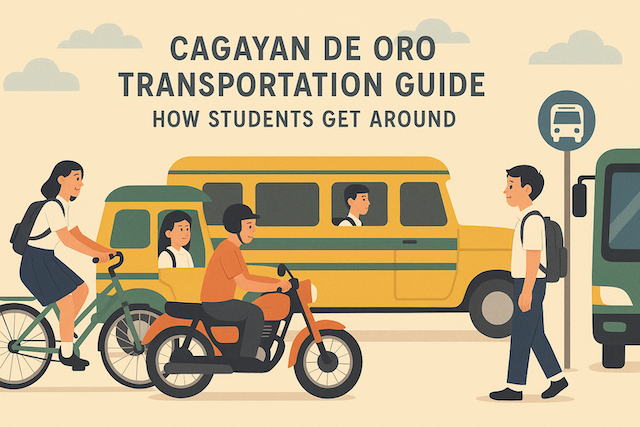
Cagayan de Oro Transportation Guide: How Students Get Around
Contents
- Cagayan de Oro Transportation Guide: How Students Get Around
- Overview of Transportation in Cagayan de Oro
- Major Transport Hubs in CDO
- Jeepneys: The Most Common Student Transport
- Motorelas: A CDO-Exclusive Ride
- Taxis and Grab: Best for Convenience and Safety
- Motorcycle Taxis: Angkas and Joyride
- Buses: Regional and Intercity Travel
- Ferries: Travel Between Islands
- Walking Around University Areas
- Using Bicycles in CDO
- Airport Transportation: From Laguindingan Airport
- Transportation for Students Living Uptown vs Downtown
- Safety Tips for Student Commuters
- Budgeting for Student Transportation in CDO
- Conclusion
- FAQs (Frequently Asked Questions)
- Is public transportation in Cagayan de Oro safe for students?
- What is the cheapest way for students to get around Cagayan de Oro?
- How much should I budget monthly for transportation as a student in CDO?
- Are there modernized jeepneys in Cagayan de Oro?
- How do I know which jeepney to ride for my university?
- When should I choose taxis or Grab instead of jeepneys?
- Are motorcycle taxis like Angkas and Joyride safe for students?
- Is it practical to walk or bike to school in Cagayan de Oro?
- How do I travel between Cagayan de Oro and nearby cities on weekends?
- How can students reach Cagayan de Oro from Laguindingan Airport?
- What are the most important safety tips for student commuters in CDO?
Cagayan de Oro Transportation Guide: How Students Get Around
Cagayan de Oro (CDO) is one of Mindanao’s fastest-growing university cities, home to major schools such as Xavier University, USTP, Liceo de Cagayan University, and Capitol University. Because thousands of students move around the city every day, understanding transportation options is essential for budgeting, convenience, and safety.
This guide explains all the major transport options in CDO, including jeepneys, motorelas, taxis, buses, ferries, and student-friendly mobility tips. It is designed especially for local and international students who want reliable, practical, and up-to-date information.
Overview of Transportation in Cagayan de Oro
Cagayan de Oro offers a mix of traditional and modern public transportation. Students typically rely on a combination of:
-
Modernized jeepneys (PUJs)
-
Motorelas (local tricycles)
-
Jeepneys (non-aircon)
-
Taxis & Grab
-
Motorcycle taxis (Angkas, Joyride)
-
CDO Buses & intercity buses
-
Ferries via CDO Port
-
Walking & biking options around universities
Compared to larger cities like Manila or Cebu, CDO is more compact, making travel faster and cheaper. Most university clusters—Downtown, Divisoria, Cogon, Kauswagan, Lapasan, Bulua, and Uptown—are interconnected by main road networks.
Major Transport Hubs in CDO
Cagayan de Oro Port (Macabalan)
The main entry point for ferries from Cebu, Manila, and nearby islands. It is linked directly to Lapasan, Agora Terminal, and Downtown via jeepney routes.
Agora Bus Terminal (Lapasan)
CDO’s busiest terminal for regional and provincial travel. Students going to Gingoog, Camiguin (via Balingoan), Bukidnon, and Iligan usually pass through here.
Westbound Terminal (Bulua)
Serves Iligan, Ozamiz, Pagadian, Zamboanga, and nearby municipalities. Close to malls like Gaisano Bulua and accessible via motorela and jeepneys.
Uptown CDO Area
A growing residential and student district hosting universities, subdivisions, SM Uptown, and major dorms. Transport to Downtown is mainly by jeepney, taxi, and motorcycle taxis.
Major Transport Hubs in CDO: Cagayan de Oro Transportation Guide
Jeepneys: The Most Common Student Transport
Why Students Use Jeepneys
-
Cheapest transportation option
-
Fixed routes
-
Frequent trips, especially during peak hours
-
Covers all major schools
Average Fares
-
₱13–₱16 for short distances
-
₱18–₱22 for longer routes (modern jeepneys)
Popular Jeepney Routes for Students
-
Cogon – Divisoria – CDO Downtown
-
Cogon – Kauswagan – Bulua
-
Lapasan – CDO Port
-
Uptown – Divisoria
-
Xavier University – Carmen – Kauswagan
-
USTP – Cogon – Limketkai
Modernized Jeepneys
Modern PUJs serve major and high-volume student routes.
Benefits include:
-
Air-conditioned units
-
Cashless payment in some units (GCash)
-
More comfortable seating
Tips for Students
-
Always prepare exact change.
-
Jeepney stops are usually flexible—just say “Lugar lang” when getting off.
-
Avoid peak-hour crowds (7:00–9:00 AM and 4:30–6:30 PM).
Jeepneys: The Most Common Student Transport:Cagayan de Oro Transportation Guide
Motorelas: A CDO-Exclusive Ride
Motorelas are one of CDO’s most iconic transport modes—similar to tricycles but larger and designed for the city’s inner streets.
Why Students Use Motorelas
-
Perfect for short distances within Downtown, Divisoria, and Cogon.
-
Faster than jeepneys during traffic.
-
Cheaper than taxi.
Average Fare
-
₱10–₱20 per person for shared rides
-
₱40–₱60 for exclusive rides depending on distance
Popular Motorela Routes
-
Divisoria ↔ Cogon Market
-
USTP Area ↔ Cogon
-
Xavier University ↔ Gaston Park
-
Limketkai ↔ Lapasan Interior Roads
Tips for Students
-
Confirm fare before riding if you want exclusive service.
-
Motorelas are best for short-point travel, not long trips.
Motorelas: A CDO-Exclusive Ride:Cagayan de Oro Transportation Guide
Taxis and Grab: Best for Convenience and Safety
Taxis in CDO are generally reliable and safe. GrabCar also operates in select areas, especially Uptown and Downtown.
When Students Prefer Taxis
-
Going home late from class
-
Rainy days
-
When carrying heavy bags or groceries
-
Traveling to terminals or malls
Estimated Taxi Costs
-
Flag-down: ₱45
-
Typical 10-minute trip: ₱80–₱120
-
Airport to Downtown: ₱350–₱450
-
Airport to Uptown: ₱450–₱550
GrabCar Advantages
-
Safer for late-night travel
-
Fixed price shown before booking
-
Digital payment available
Student Tips
-
Always check the meter.
-
Save the taxi plate number when riding alone.
-
Use Grab during non-peak hours for cheaper rates.
Taxis and Grab: Best for Convenience and Safety: CDO Transportation Guide
Motorcycle Taxis: Angkas and Joyride
Motorcycle taxis are among the fastest transportation options, especially during traffic hours.
Why Students Use Them
-
Very fast travel time
-
Affordable pricing
-
Available across Downtown, Uptown, Lapasan, and around universities
Average Fare
-
₱50–₱120 for most city trips
-
Surge pricing applies during heavy rain
Safety Tips
-
Wear the provided helmet.
-
Do not ride when extremely sleepy or unwell.
-
Check driver rating before booking (for Angkas/Joyride).
Motorcycle Taxis: Angkas and Joyride: Cagayan de Oro Transportation Guide
Buses: Regional and Intercity Travel
CDO has two major terminals serving different directions.
Agora Bus Terminal (Eastbound)
Serves:
-
Gingoog
-
Balingoan Port (Camiguin access)
-
Butuan
-
Surigao
Popular for students traveling home on weekends.
Westbound Terminal (Bulua)
Serves:
-
Iligan
-
Marawi
-
Ozamiz
-
Pagadian
-
Zamboanga
Typical Bus Fares
-
CDO – Balingoan: ₱150–₱200
-
CDO – Iligan: ₱170–₱210
-
CDO – Gingoog: ₱180–₱250
Buses are not commonly used within the city but are essential for intercity or regional travel.
Buses: Regional and Intercity Travel:Cagayan de Oro Transportation Guide
Ferries: Travel Between Islands
CDO Port (Macabalan) is a major sea gateway with routes to:
-
Cebu
-
Bohol
-
Manila
-
Tagbilaran
-
Bacolod
-
Iloilo
Popular Ferry Companies
-
2GO Travel
-
Cokaliong
-
Lite Shipping
-
Trans-Asia
Why Students Use Ferries
-
Cheaper than flying
-
Ideal for going home during long holidays
-
Convenient access from universities near Downtown
Ferry Fare Estimates
-
CDO – Cebu: ₱900–₱1,400
-
CDO – Tagbilaran: ₱850–₱1,300
-
CDO – Manila: ₱2,000–₱3,000
Walking Around University Areas
CDO is one of the most walkable cities in Mindanao, especially near schools.
Best Areas for Walking
-
Divisoria
-
Xavier University Vicinity
-
USTP Area
-
Cogon Market
-
Limketkai Center
-
Ayala Centrio Mall Zone
Safety Tips
-
Avoid poorly lit alleys at night.
-
Walk with friends after 9 PM.
-
Use pedestrian lanes and overpasses.
Using Bicycles in CDO
Biking is becoming more common among students, especially near Uptown and Kauswagan.
Advantages
-
Cost-efficient
-
Good exercise
-
No waiting times
Disadvantages
-
Weather-dependent
-
Limited bike lanes in some areas
Best Areas for Biking
-
Uptown CDO subdivisions
-
Pueblo de Oro area
-
Around Limketkai Center
-
Macasandig riverside roads
Airport Transportation: From Laguindingan Airport
CDO’s airport is located in Laguindingan (Misamis Oriental), around 45 minutes away from the city.
Transportation Options to CDO
-
Airport Shuttle Vans
-
Taxis
-
GrabCar (some areas)
-
Point-to-Point Buses
Estimated Travel Costs
-
Airport Shuttle to CDO: ₱199–₱249
-
Taxi to Downtown: ₱350–₱450
-
Taxi to Uptown: ₱450–₱550
Where Students Usually Get Off
-
Ayala Centrio Mall
-
Limketkai Center
-
Divisoria / Xavier University
-
Cogon Terminal
Transportation for Students Living Uptown vs Downtown
Students Living Uptown
Common travel modes:
-
Modern jeepneys
-
GrabCar or taxi
-
Angkas/Joyride motorcycle taxis
Travel time to Downtown: 10–20 minutes
Students Living Downtown
Common travel modes:
-
Motorelas
-
Jeepneys
-
Walking
Travel time within Downtown: 5–10 minutes
Students Living Near Liceo or Capitol University (Kauswagan / Lapasan)
-
Jeepneys along the national highway
-
Motorelas for shorter interior routes
Safety Tips for Student Commuters
-
Keep your valuables in front of you when riding jeepneys.
-
Avoid displaying expensive phones in public rides.
-
Use official taxi lines at malls.
-
Book motorcycle taxis only through apps.
-
Do not ride unfamiliar vehicles late at night.
-
Share your live location when traveling alone.
Budgeting for Student Transportation in CDO
Approximate weekly expenses:
| Transport Mode | Estimated Weekly Cost |
|---|---|
| Jeepneys | ₱150–₱250 |
| Motorela | ₱50–₱120 |
| Taxi | ₱150–₱300 |
| Motorcycle Taxi | ₱120–₱250 |
| Walking/Biking | Free |
Total estimated weekly student transportation cost:
₱200–₱600 depending on lifestyle
Conclusion
Transportation in Cagayan de Oro is student-friendly, affordable, and accessible. Whether you prefer the low cost of jeepneys, the convenience of taxis, or the speed of motorcycle taxis, the city provides a full range of options that make daily commuting easy.
Students living in CDO can travel safely and efficiently by understanding routes, budgeting for fares, and choosing the best transport option depending on time, distance, and schedule. With reliable hubs, modernized PUVs, and walkable university areas, CDO remains one of the most convenient college cities in the Philippines.
FAQs (Frequently Asked Questions)
Is public transportation in Cagayan de Oro safe for students?
Overall, public transportation in Cagayan de Oro (CDO) is reasonably safe for students, especially during daytime and early evening hours. Jeepneys, motorelas, and taxis are commonly used by local students, and incidents are relatively rare in busy areas near universities, malls, and markets. However, as in any city, students should still be cautious: keep bags in front of you, avoid displaying expensive phones or gadgets, and stay alert to your surroundings. If you are traveling late at night, using Grab, taxis from reputable taxi queues, or motorcycle taxi apps is usually safer than walking alone along dark or quiet streets.
What is the cheapest way for students to get around Cagayan de Oro?
The cheapest way for students to move around CDO is by riding jeepneys and motorelas. Jeepneys cover most major routes including Downtown, Divisoria, Cogon, Lapasan, Kauswagan, and some parts of Uptown, with fares usually ranging from about ₱13 to ₱20 depending on distance and fuel prices. Motorelas are ideal for short inner-city trips and typically cost ₱10 to ₱20 per person on a shared basis. Walking is also very practical in university clusters such as Divisoria, the Xavier University area, and around Limketkai, further reducing daily transportation costs.
How much should I budget monthly for transportation as a student in CDO?
A reasonable monthly transportation budget for a typical student in Cagayan de Oro is around ₱800 to ₱2,000, depending on your lifestyle and how often you use taxis or motorcycle taxis. If you mostly ride jeepneys and motorelas to and from school, you might spend roughly ₱200 to ₱600 per week. Students who live walking distance from campus or in dorms near their university can spend even less. On the other hand, if you frequently use taxis, GrabCar, or Angkas, or if you live farther from your campus (for example, studying Downtown but living Uptown), your transportation costs will be on the higher end of that range.
Are there modernized jeepneys in Cagayan de Oro?
Yes, modernized jeepneys (often called PUJs or “modern jeep”) are already operating on several key routes in Cagayan de Oro. These units are more comfortable than traditional jeepneys, with better seats, improved ventilation or air-conditioning, and sometimes cashless payment options. They typically serve busy corridors that connect commercial areas and school zones. Fares in modernized units are slightly higher than older jeepneys, but still affordable for students. If you prefer more comfort and a cleaner ride, modern jeepneys are a good option for daily commuting.
How do I know which jeepney to ride for my university?
Jeepney routes in CDO are usually marked on the front and side of the vehicle, showing key areas such as “Cogon,” “Divisoria,” “Agora,” “Bulua,” or specific barangays. Before riding, check the route signage and ask the driver or barker if the jeepney passes your destination or university. For example, students of Xavier University, USTP, Liceo de Cagayan University, and Capitol University can usually find jeepneys that pass nearby main roads or intersections close to campus. During your first few days, it helps to travel with classmates, ask security guards, or check university Facebook groups where upperclassmen often share practical route tips.
When should I choose taxis or Grab instead of jeepneys?
Taxis or GrabCar are ideal when safety, comfort, and time are more important than saving money. Students often use them when traveling late at night, during heavy rain, or when carrying heavy luggage, groceries, or books. They are also convenient for trips to Laguindingan Airport, bus terminals, and the CDO Port. If you are unfamiliar with the route, a Grab ride is often less stressful because the fare is shown upfront and the driver follows GPS directions. However, because taxis and Grab are more expensive than jeepneys or motorelas, most students reserve them for special situations rather than everyday commuting.
Are motorcycle taxis like Angkas and Joyride safe for students?
Motorcycle taxis such as Angkas and Joyride are widely used by students and workers because they are fast and relatively affordable. They can significantly cut travel time during peak-hour traffic. These services provide helmets and follow basic safety standards, and you can see driver ratings in the app. However, riding a motorcycle always carries more risk than being in a car or jeepney. To ride more safely, always wear the helmet properly strapped, avoid using your phone while on the road, hold on steadily, and do not book rides if the weather is extremely bad or if you feel unwell or very sleepy.
Is it practical to walk or bike to school in Cagayan de Oro?
Yes, walking is very practical in many parts of CDO, especially in compact areas like Divisoria, Downtown, and the commercial zones around malls. If you live in a dorm or boarding house within 5 to 15 minutes on foot from your school, walking can save a lot of money and is generally safe during the day. Biking is also possible in certain neighborhoods, particularly in Uptown subdivisions or around Macasandig and some quieter side roads. However, bike lanes are still limited, so cyclists need to be careful and use proper safety gear. For late-night movements, it is often safer to ride a taxi or Grab than to walk or bike alone on dark streets.
How do I travel between Cagayan de Oro and nearby cities on weekends?
For weekend trips or going home to nearby provinces, students usually travel via bus or van from CDO’s main terminals. Agora Bus Terminal in Lapasan serves routes to Gingoog, Butuan, Surigao, and Balingoan (for ferries to Camiguin). Westbound Terminal in Bulua serves Iligan, Ozamiz, Pagadian, and Zamboanga. Fares depend on the distance and type of bus (aircon or non-aircon) but are generally student-friendly. Many students leave on Friday evening or Saturday morning and return to CDO on Sunday. It is a good idea to arrive at the terminal early on busy days and keep an eye on your bags while waiting or boarding.
How can students reach Cagayan de Oro from Laguindingan Airport?
Laguindingan Airport is located outside the city, about 45 minutes to an hour from Cagayan de Oro. Students arriving by plane usually have three main options: airport shuttle vans, point-to-point buses, or taxis/GrabCar. Shuttle vans and buses are the most budget-friendly, with fixed drop-off points in CDO such as Centrio, Limketkai, or Agora. Taxis and GrabCar offer door-to-door convenience, which is very useful for those carrying heavy luggage or arriving late at night, but they cost more. If it is your first time in CDO, using an official shuttle service or a booked Grab ride is often the easiest and most stress-free option.
What are the most important safety tips for student commuters in CDO?
The most important safety practices include keeping your bag in front of you in crowded jeepneys, not flashing your phone or wallet publicly, and avoiding arguments with other passengers or drivers. At night, choose well-lit routes and ride with friends when possible. When using taxis or Grab, note the plate number or share your trip details with a trusted friend or family member. Always ride only from recognized terminals, official jeepney stops, or app-based motorcycle taxi services rather than unregistered or suspicious vehicles. By combining street awareness with smart choices of transport, students can enjoy a generally safe and convenient commuting experience in Cagayan de Oro.
Cagayan de Oro University Guide: Best Schools, Tuition, Courses, and Student Life

How to Register for eTravel Philippines (2025 Guide)
Step-by-step guide to completing your eTravel registration before arriving in the Philippines, with images and tips.

Night Market in Cebu – Things You Don’t Know About Cebu Life
Discover the hidden charm of Cebu’s night markets, from street food stalls to local life tips you won’t find in tourist guides.

How to Use ChatGPT for IELTS Preparation: A Complete Guide
Learn how to prepare for IELTS using ChatGPT — including strategies for Writing, Reading, Listening, Speaking, and grammar support.

How to Build a Website Without Coding Using ChatGPT
Discover how to build your own website using AI—no coding skills needed. From structure planning to SEO and design, let ChatGPT guide you.