2026年4月5日
3D ACADEMY offers affordable English study programs in Cebu, Philippines – perfect for beginners, professionals, and exam takers.

3D UNIVERSAL ENGLISH INSTITUTE INC
info.3d-universal.com
8:00-17:00(Mon-Fri)
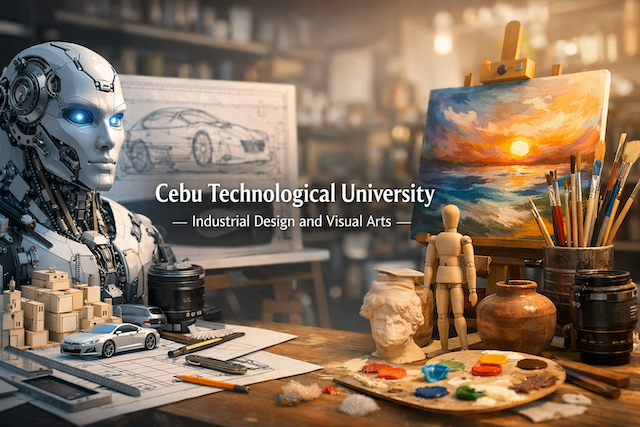
Cebu Technological University (CTU) – Industrial Design and Visual Arts
FAQs (Frequently Asked Questions)
Does Cebu Technological University (CTU) offer Industrial Design and Visual Arts programs?
CTU is widely known for technology-focused education, and it supports design-related study areas that connect creativity with practical skills. Depending on the campus, department structure, and current academic offerings, Industrial Design and Visual Arts may appear as degree programs, specializations, or tracks under broader fields such as industrial technology, architecture-related studies, graphics, visual communication, or applied arts. Because program names and availability can change, the best approach is to confirm the latest curriculum directly through CTU’s official announcements or the specific campus where you plan to enroll. If you are comparing options, ask whether the program emphasizes product development, prototyping, user-centered design, or visual communication, and request a subject list to understand the real focus.
What is the difference between Industrial Design and Visual Arts at CTU?
Industrial Design focuses on designing functional products and systems. Students typically learn design thinking, ergonomics, materials, manufacturing processes, drafting, and digital modeling to create objects that can be produced and used in real environments. Visual Arts focuses more on visual expression and communication through drawing, composition, color, illustration, and digital design. In many modern programs, Visual Arts also overlaps with graphic design, multimedia, and branding. At CTU, the difference often comes down to outcomes: Industrial Design aims to develop products or user solutions, while Visual Arts aims to communicate ideas, messages, and emotions through visuals. Some students combine skills from both paths to become well-rounded designers.
What skills will I learn if I study Industrial Design at CTU?
Industrial Design students typically learn how to solve problems through design by researching user needs, generating concepts, building prototypes, and refining designs through feedback. Common skill areas include sketching for ideation, technical drawing, 3D modeling, basic engineering awareness, material selection, and understanding how products are manufactured. You may also develop presentation skills, portfolio building, and teamwork experience through project-based classes. If CTU provides workshop or lab access, you may gain hands-on exposure to model-making, fabrication methods, and iterative prototyping. These skills support careers in product design, furniture design, packaging, or design roles inside manufacturing or startup environments.
What skills will I learn if I study Visual Arts or Visual Communication at CTU?
Visual Arts students build strong foundations in visual literacy—how images communicate meaning and how composition, color, and form influence perception. Typical skills include drawing, illustration, typography awareness, layout design, and concept development. Many programs also include digital tools for graphic design, photo editing, and basic multimedia production. You will likely develop creative confidence through critiques, studio exercises, and project deadlines. If the curriculum leans toward visual communication, you may practice branding, poster design, publication layout, and presentation methods that are essential in advertising, marketing, and digital content work.
Do I need to be good at drawing before enrolling?
You do not need to be a perfect artist to start, but basic interest and willingness to practice are important. Many students improve rapidly through structured training, frequent exercises, and constructive feedback. Industrial Design often uses drawing for concept sketches and communication, while Visual Arts uses drawing more directly as a core skill. If you are concerned, start practicing fundamentals like shapes, perspective, shading, and observation drawing. What matters most is consistency and openness to critique. If CTU offers foundation courses, these classes are designed to build skills step by step, even for beginners.
What should I prepare for the admission or application process?
Requirements depend on CTU’s current policies and the specific program or campus. Some design-related programs may request a portfolio, drawing test, or interview, while others may follow standard university admission procedures. A portfolio can include sketches, product concepts, illustrations, posters, photography, or any creative work that shows your thinking and growth. Even personal projects are useful if they demonstrate effort, experimentation, and problem-solving. If you do not have a portfolio yet, start with simple exercises: redesign a household item, create a poster series, or document a small design process from research to final output.
Is there a strong emphasis on technology and practical work?
CTU’s identity as a technological university generally supports practical, applied learning. For Industrial Design, this often means exposure to production thinking, materials, tools, and prototyping methods. For Visual Arts and visual communication, practicality may show through digital design tools, client-oriented project briefs, and presentation skills. However, the level of hands-on training can vary depending on facilities and course structure. When choosing a program, ask about studio hours, workshop access, software training, and opportunities for exhibitions or industry collaboration.
What careers can I pursue after graduating?
Industrial Design graduates commonly pursue roles such as product designer, industrial designer, packaging designer, furniture designer, prototype specialist, or design associate in manufacturing and innovation teams. Visual Arts or Visual Communication graduates often become graphic designers, illustrators, branding designers, layout artists, multimedia creatives, or content designers. Many graduates also freelance or build small studios. The strongest career advantage comes from a portfolio that shows real projects, clear design thinking, and the ability to explain decisions. Internships, competitions, and community-based projects can help you build that portfolio before graduation.
How can I succeed as a student in these fields at CTU?
Success comes from consistent practice and strong project discipline. Build habits such as sketching regularly, collecting references, documenting your process, and seeking feedback early. Learn to manage deadlines, because design programs often involve multiple simultaneous projects. Improve communication skills, since designers must present and defend their choices. Keep your files organized, learn shortcuts in the software you use, and back up your work. Finally, treat every class output as portfolio material. If you continuously refine your best projects and update your portfolio each term, you will graduate with stronger opportunities and clearer direction.
Cebu Universities: Arts and Design – Schools Offering Fine Arts, Fashion, and Multimedia Design

How to Register for eTravel Philippines (2025 Guide)
Step-by-step guide to completing your eTravel registration before arriving in the Philippines, with images and tips.

Night Market in Cebu – Things You Don’t Know About Cebu Life
Discover the hidden charm of Cebu’s night markets, from street food stalls to local life tips you won’t find in tourist guides.

How to Use ChatGPT for IELTS Preparation: A Complete Guide
Learn how to prepare for IELTS using ChatGPT — including strategies for Writing, Reading, Listening, Speaking, and grammar support.

How to Build a Website Without Coding Using ChatGPT
Discover how to build your own website using AI—no coding skills needed. From structure planning to SEO and design, let ChatGPT guide you.