Contents
- UCMed (University of Cebu Medical Center): Cebu Relocation Guide
- Overview: What UCMed Is Known For
- Location and Accessibility for New Residents
- Services and Departments: What You Can Expect
- ER (Emergency Room): How to Use It Wisely
- Admissions, Deposits, and Typical Hospital Workflow
- Costs: What Relocating Expats Should Budget For
- Insurance and Billing: How to Avoid Headaches
- Finding the Right Doctor at UCMed
- Pharmacy, Prescriptions, and Medication Availability
- What to Bring for Visits and Admissions
- Tips for Families, Seniors, and Long-Term Residents
- How UCMed Fits Into a Cebu Relocation Plan
- FAQs (Frequently Asked Questions)
- Where is UCMed (University of Cebu Medical Center) located, and which areas is it convenient for?
- Is UCMed a good hospital for expats and first-time residents in Cebu?
- Does UCMed have an Emergency Room (ER), and when should I use it?
- Do I need an appointment, or can I walk in for consultations and tests?
- How does payment usually work in private hospitals like UCMed?
- Does UCMed accept international insurance or HMO coverage?
- What documents should I bring for a consultation, ER visit, or admission?
- Can UCMed handle common expat needs like checkups, lab tests, and imaging?
- How do I choose the right doctor at UCMed?
- What should I expect in terms of waiting time and hospital “process”?
- What are practical tips for emergencies if I live alone in Cebu?
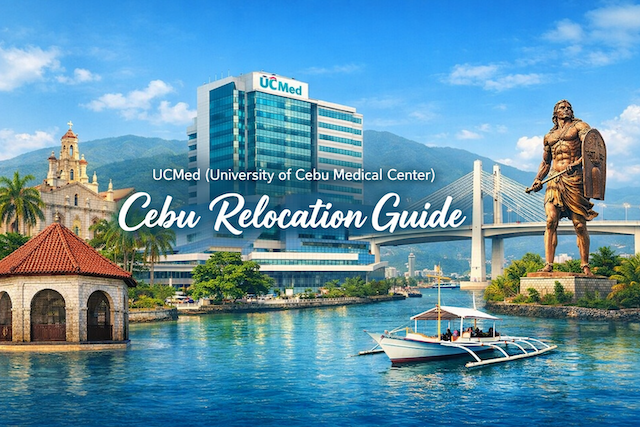
UCMed (University of Cebu Medical Center): Cebu Relocation Guide
Overview: What UCMed Is Known For
UCMed (University of Cebu Medical Center) is a modern private hospital in Cebu that many locals and long-term residents associate with “newer facilities” and a more hotel-like patient experience compared with some older hospitals in the city. For newcomers relocating to Cebu—especially expats who care about clean interiors, organized service flow, and a wide set of specialties in one place—UCMed often ends up on the shortlist.
In practical terms, UCMed is the kind of hospital you keep in mind for planned consultations, diagnostics, elective procedures, and situations where you want a facility that feels relatively contemporary. It is not the only major option in Cebu, but it can be a strong fit if you value comfort, private rooms, and the sense that the hospital is designed for convenience (elevators, lobbies, waiting areas, clearer wayfinding).
For relocation purposes, the “right” hospital is usually the one that matches your daily life: where you live, how you commute, which doctors you want to see, and how your insurance works in the Philippines. UCMed becomes especially relevant if you plan to live near the central city areas and want a facility that feels easier to navigate for first-time visitors.
Location and Accessibility for New Residents
When choosing a hospital in Cebu, traffic patterns matter as much as distance on a map. Cebu City traffic can become unpredictable at peak hours, during rain, and near major commercial areas. If UCMed is not your closest hospital, it may still be a reasonable choice for non-emergency care—especially if you can schedule appointments outside rush hour.
For expats, accessibility typically means:
-
Grab/car access: Most newcomers rely on Grab (ride-hailing) at first. UCMed is generally straightforward to reach by car, and getting dropped off at the entrance is usually easier than navigating smaller clinics.
-
Parking realities: If you plan to drive, expect that hospital parking can be limited during busy times. Arriving early helps for appointments, especially in the morning.
-
Emergency planning: Even if UCMed is your preferred hospital, it’s smart to identify the nearest emergency-capable hospital to your residence for “minutes matter” situations. Keep both options saved on your phone.
If you are relocating with kids or elderly family members, consider a quick “practice run” to UCMed from your condo/house at two different times (midday and early evening). That simple test often tells you whether it’s realistic as your primary hospital.
Services and Departments: What You Can Expect
Most expats judge a hospital by how easy it is to handle common needs: internal medicine consults, basic labs, imaging, pediatrics, OB-GYN, and emergency services. UCMed is typically discussed as a hospital that offers a broad range of specialties—useful when you want multiple services under one roof.
Common service categories you’ll likely use as a relocating resident include:
-
Outpatient consultations: Specialist appointments, follow-ups, second opinions
-
Diagnostics: Laboratory tests and imaging (X-ray, ultrasound, CT/MRI depending on service availability)
-
Emergency care: For urgent concerns, injuries, acute symptoms
-
Inpatient care and surgery: For procedures that require admission, monitoring, or recovery time
-
Women’s health and pediatrics: Particularly important for families and expecting parents
-
Health screening packages: Many private hospitals offer checkup bundles; these can be convenient for new residents setting a health baseline
A useful approach is to think of UCMed as a “hub hospital” where you can build a small circle of doctors—one primary care/internal medicine doctor plus one or two specialists you might need (ENT, gastro, cardio, dermatology, OB, etc.).
ER (Emergency Room): How to Use It Wisely
For expats, the ER can be intimidating at first because processes differ from what you might be used to in your home country. In Cebu, even private hospitals can have busy periods, and the experience depends on triage and staffing at the time you arrive.
Practical ER tips:
-
Triage comes first: Serious symptoms (chest pain, severe difficulty breathing, major trauma) will be prioritized. Mild conditions might wait longer.
-
Bring identification and payment method: Many hospitals will request a deposit or payment arrangement, especially if you do not have confirmed insurance coverage at intake.
-
If you have insurance: Bring your insurance card and any documents or hotline contact details. Some plans require pre-authorization; in emergencies, rules can vary, but it helps to know your insurer’s process.
-
Keep a “go-bag” at home: Passport copy, local ID if you have one, a list of medications, allergies, and emergency contacts.
If you’re alone in Cebu, it’s worth setting up an “ICE” contact on your phone and telling at least one trusted friend or neighbor what to do if you end up in the hospital.
Admissions, Deposits, and Typical Hospital Workflow
One of the biggest culture shocks for many newcomers is that private healthcare often involves upfront deposits or payment arrangements, particularly for admissions and procedures. Even if you have insurance, the hospital may still request documentation, approvals, or partial deposits depending on your plan.
A common workflow for non-emergency care looks like this:
-
Consultation (with a specialist or internal medicine doctor)
-
Orders (lab tests, imaging, prescriptions)
-
Diagnostics (on-site if available)
-
Follow-up consult (interpretation of results and treatment plan)
-
Procedure or admission (if needed), with deposit/payment discussion
This can feel bureaucratic at first, but it becomes manageable once you learn the rhythm. A key tip: whenever you’re given orders, ask the nurse or receptionist which department to visit next and whether you need to pay first or after the test.
Costs: What Relocating Expats Should Budget For
Exact prices vary widely by doctor, time, and complexity, but it’s still helpful to understand the cost categories you’ll encounter:
-
Consultation fees: Typically charged per visit; specialists usually cost more than general practitioners.
-
Laboratory tests: Priced per test or as packages.
-
Imaging: X-ray and ultrasound are generally more affordable than CT/MRI.
-
Emergency fees: Often include ER use, physician evaluation, and then separate charges for tests and medications.
-
Room rates and inpatient charges: Private rooms, ICU, and longer stays increase the total quickly.
-
Professional fees: Surgeons, anesthesiologists, and specialists often bill separately from hospital facility fees.
Relocation budgeting advice:
-
If you are uninsured or underinsured locally, set aside an emergency medical fund.
-
Even if you have international insurance, confirm whether it is cashless (direct billing) or reimbursement-based (you pay first, then claim).
Insurance and Billing: How to Avoid Headaches
Insurance is where most expats lose time—usually because the policy details don’t match local hospital requirements. Before you need care, do these steps:
-
Ask your insurer whether UCMed is in their provider network (if your plan has a network).
-
Confirm the billing method: direct billing vs reimbursement.
-
Save hotline numbers and email contacts for pre-authorization.
-
Clarify exclusions: some plans limit outpatient coverage, diagnostics, or pre-existing conditions.
-
If employed locally: ask HR what the company HMO covers and whether you must use specific partner hospitals.
When you visit the hospital, be prepared to present:
If reimbursement-based, request detailed receipts and medical certificates as needed for claims.
Finding the Right Doctor at UCMed
In Cebu, your experience often depends more on the doctor than the hospital brand. UCMed may have many competent specialists, but the “best fit” is the one whose communication style and scheduling match your needs.
How to choose efficiently:
-
Start with internal medicine (for adults) or pediatrics (for kids) as your “home base.”
-
Ask for referrals within the hospital network for specialists.
-
If you have a chronic condition, prioritize a doctor who explains a long-term plan and follow-up schedule clearly.
-
Consider proximity and clinic hours—some doctors have limited clinic days.
A relocation-friendly strategy: do a “baseline checkup” soon after arriving (or after you settle housing). Use that appointment to establish medical records and ask which nearby specialists are recommended.
Pharmacy, Prescriptions, and Medication Availability
Hospitals typically have their own pharmacy, but you may also use large retail pharmacies nearby. Medication availability in the Philippines can differ from your home country in brand names, dosage forms, or stock consistency.
Practical tips:
-
Keep a list of generic names of your medications, not just brand names.
-
If you take maintenance meds, bring a doctor’s letter and initial supply when relocating.
-
Ask your doctor about local equivalents and whether you can safely switch brands.
If you have allergies or special medication requirements, mention them early and confirm what the pharmacy can supply.
What to Bring for Visits and Admissions
For outpatient visits:
-
Passport or ID
-
Cash and card (some services may prefer one method)
-
Insurance documents (if applicable)
-
Prior test results (digital copies help)
-
A short written symptom timeline (dates, triggers, severity)
For admissions:
-
ID and insurance documents
-
Essential toiletries and comfortable clothes
-
Phone charger and power bank
-
Any ongoing medications (in original packaging)
-
Emergency contact details
Also consider bringing a light jacket—hospitals can feel cold due to air-conditioning.
Tips for Families, Seniors, and Long-Term Residents
For families with kids:
-
Identify a pediatrician you trust early.
-
Ask about after-hours guidance: where to go at night, what to do if fever spikes, and when to use the ER.
For seniors:
-
Keep a folder (physical or digital) with baseline labs, imaging, and medication lists.
-
Consider cardiology and internal medicine relationships early, even before problems appear.
For long-term expats:
-
Schedule annual checkups.
-
Keep a record of vaccinations, dental visits, and any specialist notes.
-
Build a small network: one hospital, one backup hospital, and a reliable clinic for minor issues.
How UCMed Fits Into a Cebu Relocation Plan
UCMed can be a strong primary hospital choice for expats who want a modern environment and the convenience of multiple services in one facility. It’s especially practical when you prefer planned care—consults, diagnostics, follow-ups—rather than only thinking about emergencies.
A smart relocation setup looks like this:
-
Primary hospital: UCMed (for regular care, specialists, diagnostics)
-
Backup hospital: Another reputable hospital closer to your home or with a different specialty strength
-
Go-to clinic: A nearby clinic for minor issues and quick consults
-
Insurance clarity: Know whether you are cashless or reimbursement-based before you need help
Once you’ve settled housing, do one proactive step: choose a primary doctor and do a baseline checkup. That single action reduces stress dramatically when something unexpected happens later.
FAQs (Frequently Asked Questions)
Where is UCMed (University of Cebu Medical Center) located, and which areas is it convenient for?
UCMed is positioned in a highly urban part of Cebu, making it a practical option for residents staying in central corridors and nearby business and residential districts. For many newcomers, the main advantage is accessibility by car or ride-hailing services such as Grab. If you live in a condo community with direct routes to major roads, UCMed can be a sensible choice for routine outpatient visits and scheduled tests. As with most Cebu hospitals, travel time can change dramatically depending on rush hours, weather, and local events, so it is best to plan appointments outside peak traffic whenever possible.
Is UCMed a good hospital for expats and first-time residents in Cebu?
Many expats prefer hospitals that feel organized, modern, and easy to navigate, and UCMed is often considered a strong match for that preference. First-time residents usually appreciate clear service areas, a more contemporary facility layout, and the convenience of having multiple departments in one place. However, the “best” hospital is still personal: it depends on where you live, which doctors you need, your budget, and how your insurance works in the Philippines. It is wise to visit once for a non-urgent consultation to understand the hospital flow before you ever need urgent care.
Does UCMed have an Emergency Room (ER), and when should I use it?
UCMed provides emergency services, and the ER is intended for urgent problems such as serious injuries, severe pain, alarming symptoms, or rapidly worsening conditions. In Cebu, ER care generally begins with triage, meaning patients with life-threatening symptoms are prioritized first. For mild illnesses, the wait can be longer during busy periods. If you are unsure whether something is an emergency, consider the severity and speed of change: chest pain, trouble breathing, signs of stroke, heavy bleeding, or major trauma should be treated as urgent. For non-urgent concerns, outpatient clinics are usually more cost-effective and faster.
Do I need an appointment, or can I walk in for consultations and tests?
Some services accept walk-ins, but scheduling is usually smoother if you have an appointment—especially for popular specialists or time-sensitive diagnostics. If you are new to Cebu, an appointment also reduces the chance of repeated queues across multiple counters. When booking, ask what documents are required, whether you need to arrive early for registration, and how long results typically take. For imaging or laboratory work, you may need a doctor’s request form. If you do not have a local doctor yet, you can start with internal medicine (adults) or pediatrics (children) and build referrals from there.
How does payment usually work in private hospitals like UCMed?
Payment workflows in the Philippines can be different from what many expats expect. In private hospitals, you may encounter deposits for certain procedures or admissions, and some services require payment before tests are performed. Even if you have insurance, the hospital may still request documentation, approvals, or partial deposits depending on your plan. To avoid confusion, ask the staff whether a payment step is needed before moving to the next department. Keep both cash and card available when possible, and always request official receipts, especially if you plan to file an insurance claim later.
Does UCMed accept international insurance or HMO coverage?
Acceptance depends on the specific insurance provider and your policy type. Some plans operate on a reimbursement basis, meaning you pay first and then submit documents to your insurer. Others may offer direct billing (cashless) if UCMed is in-network and if pre-authorization requirements are met. Because policies vary widely, the safest approach is to contact your insurer before your visit and confirm whether UCMed is recognized, what the claims process looks like, and which documents are required. If you are employed locally, ask your HR team how your HMO works and whether partner hospitals are required.
What documents should I bring for a consultation, ER visit, or admission?
For most visits, bring a valid ID (passport is commonly accepted), your insurance card or policy details if relevant, and any prior medical records you have. If you take maintenance medications, bring a written list of generic names, doses, and schedules, plus details of known allergies. For admissions, it helps to carry emergency contact information and any pre-authorization instructions from your insurer. Digital copies of old lab results, imaging reports, and prescriptions can be very useful when doctors are building a history for a new patient.
Can UCMed handle common expat needs like checkups, lab tests, and imaging?
Hospitals used by expats are often judged by everyday usability: routine checkups, basic labs, and imaging that can be completed efficiently. UCMed is typically considered convenient for outpatient consultations and diagnostics because many services can be coordinated within the same facility. Still, availability can depend on scheduling and demand, so it is recommended to confirm operating hours and expected turnaround times for results. If you are planning a full health screening, ask whether packages are offered and what they include, so you can compare cost and coverage against your insurance rules.
How do I choose the right doctor at UCMed?
In Cebu, your experience often depends more on the doctor than the building. A practical strategy is to begin with an internal medicine doctor (or a pediatrician for children) who communicates clearly, explains follow-ups, and can refer you to trusted specialists. If you have a chronic condition, prioritize a physician who outlines a long-term plan and is consistent with monitoring. Ask about clinic days and appointment lead times, because some specialists have limited schedules. Over time, building a small network—primary doctor plus key specialists—makes healthcare much simpler.
What should I expect in terms of waiting time and hospital “process”?
Expect multiple steps: registration, consultation, possible orders for labs or imaging, payment counters, and result release. This can feel slow at first, but it becomes manageable once you understand the sequence. Waiting times depend on day, time, and department. Mornings can be busy, and some services move faster if you arrive early. A helpful habit is to ask staff, “Where is the next step?” and “Do I need to pay before the test?” Keeping your documents organized and taking photos of receipts and request forms can also reduce repeat trips.
What are practical tips for emergencies if I live alone in Cebu?
If you live alone, prepare before you need care. Save UCMed and at least one backup hospital in your phone with pinned locations. Set up an “ICE” (In Case of Emergency) contact and ensure your phone lock screen displays emergency details if possible. Keep a small go-bag with ID copies, insurance details, and a medication list. If you have neighbors, coworkers, or friends you trust, let at least one person know how to assist you if you need to reach a hospital quickly. This preparation reduces stress and improves response time during real emergencies.