2026年4月3日
3D ACADEMY offers affordable English study programs in Cebu, Philippines – perfect for beginners, professionals, and exam takers.

3D UNIVERSAL ENGLISH INSTITUTE INC
info.3d-universal.com
8:00-17:00(Mon-Fri)
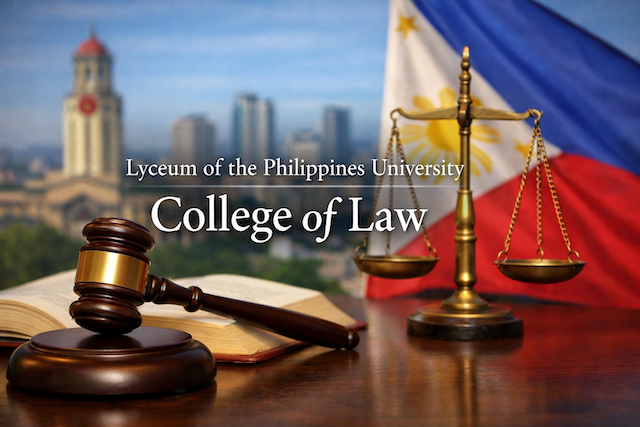
Lyceum of the Philippines University College of Law: Complete Guide for Prospective Students
Contents
- Lyceum of the Philippines University College of Law: Complete Guide for Prospective Students
- Introduction
- Overview of Lyceum of the Philippines University
- Academic Programs
- Curriculum and Course Structure
- Clinical Legal Education Program (CLEP)
- Faculty and Teaching Approach
- Admission Requirements
- Tuition Fees and Financial Considerations
- Facilities and Learning Environment
- Student Life and Organizations
- Bar Examination Performance
- Career Opportunities for Graduates
- Strengths of LPU College of Law
- Challenges and Considerations
- Who Should Consider LPU College of Law?
- Tips for Success at LPU College of Law
- Conclusion
- FAQs (Frequently Asked Questions)
- What is Lyceum of the Philippines University College of Law known for?
- Does LPU College of Law offer a Juris Doctor program?
- Is Lyceum of the Philippines University College of Law a good choice for working students?
- What are the admission requirements for LPU College of Law?
- How difficult is it to study law at LPU?
- What subjects are typically included in the JD curriculum?
- Does the school provide practical legal training, not just classroom lectures?
- Are there student organizations and extracurricular activities for law students?
- How important is location when choosing LPU College of Law?
- Can graduates of LPU College of Law pursue different legal careers?
- How should prospective students prepare before applying to LPU College of Law?
Lyceum of the Philippines University College of Law: Complete Guide for Prospective Students
Introduction
Lyceum of the Philippines University (LPU) College of Law is one of the emerging law schools in the Philippines that combines academic rigor with a strong emphasis on practical legal education. Known for its student-centered approach and commitment to producing competent, ethical, and globally competitive lawyers, LPU has steadily built a reputation as a solid choice for aspiring legal professionals.
Founded on the ideals of its founder, Dr. José P. Laurel—a former President of the Philippines and a distinguished legal mind—LPU integrates values-based education with modern legal training. The College of Law reflects this philosophy by focusing not only on intellectual development but also on character formation and social responsibility.
This guide provides a comprehensive overview of the Lyceum of the Philippines University College of Law, covering its programs, curriculum, admissions process, facilities, and career prospects.
Overview of Lyceum of the Philippines University
Lyceum of the Philippines University was established in 1952 and has since grown into a respected institution with multiple campuses across the country, including Manila, Makati, Laguna, Batangas, and Cavite.
The College of Law operates primarily within LPU Manila and LPU Makati, both strategically located in Metro Manila, giving students access to courts, law firms, government agencies, and corporate headquarters.
Mission and Vision
The university aims to provide quality education that develops critical thinking, leadership, and ethical responsibility. The College of Law specifically focuses on:
-
Producing practice-ready lawyers
-
Promoting justice and social responsibility
-
Encouraging lifelong learning and legal scholarship
Academic Programs
Juris Doctor (JD) Program
The primary offering of the LPU College of Law is the Juris Doctor (JD) program, which typically spans four years. This program is designed to meet the standards set by the Legal Education Board (LEB) and prepares students for the Philippine Bar Examination.
Key Features of the JD Program
-
Comprehensive legal education covering core subjects
-
Integration of theory and practical skills
-
Emphasis on legal research, writing, and advocacy
-
Flexible scheduling options for working students
Working Student-Friendly Structure
One of LPU’s strengths is its accessibility for working professionals. Many classes are scheduled in the evenings or on weekends, making it easier for students to balance work and study.
Curriculum and Course Structure
The JD curriculum at LPU is designed to provide a strong foundation in both substantive and procedural law.
First Year
Students are introduced to foundational legal concepts, including:
-
Persons and Family Relations
-
Constitutional Law
-
Criminal Law
-
Legal Research and Writing
Second Year
The focus shifts to more complex legal doctrines:
-
Obligations and Contracts
-
Property Law
-
Administrative Law
-
Evidence
Third Year
Students begin to integrate knowledge with practical application:
-
Civil Procedure
-
Criminal Procedure
-
Taxation Law
-
Labor Law
Fourth Year
The final year emphasizes bar preparation and advanced subjects:
-
Remedial Law Review
-
Legal Ethics
-
Practice Court (Mock Trials)
-
Clinical Legal Education
Clinical Legal Education Program (CLEP)
LPU College of Law actively participates in the Clinical Legal Education Program (CLEP), which is mandated by the Supreme Court of the Philippines.
What is CLEP?
CLEP allows law students to:
-
Represent clients under supervision
-
Draft legal documents
-
Participate in real legal proceedings
This hands-on experience is invaluable for developing practical lawyering skills before graduation.
Faculty and Teaching Approach
Experienced Legal Practitioners
LPU’s law faculty consists of:
-
Practicing lawyers
-
Judges and former judges
-
Legal scholars
This ensures that students receive both theoretical knowledge and real-world insights.
Teaching Methodology
The College of Law uses a combination of:
-
Socratic method
-
Case analysis
-
Interactive discussions
-
Mock trials and simulations
This approach helps students develop critical thinking, argumentation, and legal reasoning skills.
Admission Requirements
Basic Requirements
To apply to the LPU College of Law, applicants must:
-
Hold a bachelor’s degree from a recognized institution
-
Submit academic transcripts
-
Pass the admission interview
Entrance Exams
Some campuses may require:
-
Law School Admission Test (LSAT or equivalent)
-
Internal entrance examinations
Additional Requirements
-
Certificate of Good Moral Character
-
Recommendation letters (optional but recommended)
Tuition Fees and Financial Considerations
Tuition Overview
Tuition fees at LPU College of Law are generally considered moderate compared to top-tier private law schools in Metro Manila.
Estimated range:
-
PHP 50,000 to PHP 90,000 per semester (approximate and subject to change)
Scholarships and Financial Aid
LPU offers several scholarship opportunities:
-
Academic scholarships
-
Entrance scholarships
-
Financial assistance programs
Students are encouraged to inquire directly with the university for updated offerings.
Facilities and Learning Environment
Modern Campus Facilities
LPU provides:
-
Air-conditioned classrooms
-
Law libraries with updated resources
-
Moot courtrooms
-
Study areas and student lounges
Strategic Location
Being located in Metro Manila, students benefit from proximity to:
-
Supreme Court
-
Court of Appeals
-
Government agencies
-
Major law firms
This enhances internship and networking opportunities.
Student Life and Organizations
Law Student Organizations
Students can join various organizations, such as:
-
Law Student Government
-
Debate and Moot Court Teams
-
Legal Aid Clinics
Competitions and Activities
LPU law students actively participate in:
-
Moot court competitions
-
Debate tournaments
-
Legal research conferences
These activities help build confidence and professional networks.
Bar Examination Performance
While LPU may not yet consistently rank among the top-performing law schools, it has shown steady improvement in bar exam results over the years.
Bar Preparation Support
The College of Law provides:
-
Review classes
-
Mock bar exams
-
Mentorship programs
These initiatives aim to improve student performance and bar passage rates.
Career Opportunities for Graduates
Graduates of LPU College of Law have diverse career paths available to them.
Legal Practice
-
Private law firms
-
Corporate legal departments
-
Solo practice
Government Service
-
Prosecutor’s office
-
Public Attorney’s Office (PAO)
-
Government agencies
Alternative Careers
-
Legal consulting
-
Academia
-
Business and compliance roles
Strengths of LPU College of Law
Accessibility
LPU is known for being accessible to a wide range of students, including working professionals.
Practical Training
Strong emphasis on clinical education and real-world application.
Strategic Location
Access to legal institutions and employment opportunities in Metro Manila.
Balanced Education
Focus on both academic excellence and character development.
Challenges and Considerations
Competitive Environment
While less competitive than top-tier law schools, students still need discipline and strong study habits.
Bar Exam Pressure
As with all law schools, passing the bar exam remains a significant challenge.
Continuous Improvement
The school is still building its reputation compared to long-established institutions.
Who Should Consider LPU College of Law?
LPU College of Law is ideal for:
-
Working professionals seeking flexible schedules
-
Students looking for a balance between affordability and quality
-
Individuals who value practical legal training
-
Those aiming to study in Metro Manila without the intense pressure of elite institutions
Tips for Success at LPU College of Law
Develop Strong Study Habits
Consistency is key in law school. Allocate time daily for reading and case analysis.
Participate Actively
Engage in class discussions and extracurricular activities to enhance learning.
Build Networks
Connect with professors, classmates, and legal professionals.
Focus on Bar Preparation Early
Start reviewing bar subjects as early as possible.
Conclusion
Lyceum of the Philippines University College of Law offers a well-rounded legal education that balances theory, practice, and accessibility. With its flexible programs, experienced faculty, and strong emphasis on practical training, LPU is an excellent option for aspiring lawyers who want a supportive yet challenging academic environment.
While it may not yet have the prestige of older, top-tier law schools, LPU continues to grow and improve, making it a compelling choice for students who are serious about pursuing a legal career in the Philippines.
Choosing the right law school is a crucial step in your journey to becoming a lawyer. If you are looking for a program that offers flexibility, practical experience, and a solid legal foundation, the Lyceum of the Philippines University College of Law is definitely worth considering.
FAQs (Frequently Asked Questions)
What is Lyceum of the Philippines University College of Law known for?
Lyceum of the Philippines University College of Law is known for offering a practical and student-oriented legal education. Many prospective students consider it because of its accessible learning environment, values-based academic culture, and emphasis on building both legal knowledge and professional discipline. It is also often seen as a good option for students who want a law school experience in Metro Manila while studying in an institution connected to the legacy of Dr. Jose P. Laurel. The school appeals to those who want a balanced approach to legal education rather than a purely theoretical one.
Does LPU College of Law offer a Juris Doctor program?
Yes, the main law program offered is the Juris Doctor or JD program. This is the standard professional law degree in the Philippines for students who want to qualify for the bar examination and eventually practice law. The program is designed to give students a strong foundation in major areas such as constitutional law, civil law, criminal law, labor law, taxation, remedial law, and legal ethics. It also aims to develop legal writing, analytical reasoning, and advocacy skills that are important for both school and future practice.
Is Lyceum of the Philippines University College of Law a good choice for working students?
For many applicants, it can be a practical option for working students, especially those looking for a law school that understands the realities of adult learners and young professionals. One reason the school attracts this type of student is the possibility of schedules that are more manageable than those of some traditional full-time law programs. However, even with a more flexible setup, law school remains demanding. Working students should still expect heavy reading loads, regular recitations, written requirements, and the need for careful time management throughout the semester.
What are the admission requirements for LPU College of Law?
Admission requirements may vary slightly depending on current school policies, but applicants are generally expected to have completed a bachelor’s degree before entering law school. They are also usually required to submit academic records and other standard admission documents. In some cases, an interview or entrance assessment may form part of the process. Since requirements can change over time, prospective students should always verify the latest admissions guidelines directly with the university. Preparing documents early is a smart step because law school application periods can be competitive and time-sensitive.
How difficult is it to study law at LPU?
Like any serious law program in the Philippines, studying at LPU College of Law can be challenging. Students are expected to read cases regularly, understand legal doctrines, participate in classroom discussions, and apply what they learn to practical and analytical problems. The difficulty level does not come only from memorization. It also comes from the need to think critically, argue clearly, and manage pressure over a long period of time. Students who are consistent, organized, and willing to improve their reading and writing habits usually adjust better to the demands of law school.
What subjects are typically included in the JD curriculum?
The JD curriculum generally covers the core fields of Philippine legal education. Students usually begin with foundational subjects such as constitutional law, criminal law, persons and family relations, and legal research. As they move forward, they encounter obligations and contracts, property law, evidence, labor law, taxation, civil procedure, criminal procedure, and legal ethics. In later years, they may also take review-oriented subjects and practical training components. The overall curriculum is meant to prepare students not only for graduation, but also for the bar examination and the actual practice of law after passing it.
Does the school provide practical legal training, not just classroom lectures?
Yes, practical legal training is one of the important aspects students usually look for in a modern law school, and LPU College of Law is often appreciated for not focusing only on lectures and textbook learning. Legal education today requires more than knowledge of codal provisions and court decisions. Students also need exposure to legal writing, argument development, and client-oriented work. Through practice-based activities such as mock exercises, case analysis, and clinical training opportunities, students can begin building the professional habits and practical judgment they will need when they eventually work in law offices, courts, corporations, or public institutions.
Are there student organizations and extracurricular activities for law students?
Yes, law students generally have opportunities to participate in organizations and academic activities outside the classroom. These may include student government, advocacy groups, debate-related activities, legal aid initiatives, or academic organizations that support leadership and professional growth. Joining these groups can help students expand their network, improve communication skills, and gain a stronger sense of community during law school. Extracurricular involvement can also be useful for developing confidence and discipline, although students should balance participation carefully so that it does not interfere with academic performance and preparation for major examinations.
How important is location when choosing LPU College of Law?
Location can be a major factor for many students, especially those who want access to courts, law offices, government agencies, and other legal institutions. A law school in Metro Manila can offer advantages in terms of commuting opportunities for internships, exposure to the legal profession, and convenience for students already living or working in the area. For some applicants, this makes LPU College of Law an attractive option. The location may also support networking, attendance at legal events, and a better understanding of how the legal system works in real professional settings beyond the classroom.
Can graduates of LPU College of Law pursue different legal careers?
Yes, graduates are not limited to one career path. After finishing the JD program and passing the bar examination, they may choose from a wide range of professional options. Some graduates may enter private practice, while others may work in government service, corporate legal departments, compliance roles, legal research, or public interest work. A law degree can also be useful in business, education, policy, and administration. The legal profession is broad, and the skills developed in law school, such as research, analysis, writing, and advocacy, can be applied in many different environments depending on a graduate’s goals.
How should prospective students prepare before applying to LPU College of Law?
Prospective students should prepare academically, mentally, and practically. Academically, it helps to strengthen reading comprehension, writing ability, and general analytical skills. Mentally, students should understand that law school requires patience, discipline, and resilience. Practically, they should review the school’s latest requirements, organize their documents, and think carefully about their schedule, finances, and long-term goals. It is also helpful to talk to current students or graduates if possible. Entering law school with realistic expectations can make the transition smoother and can help applicants decide whether the program truly matches their lifestyle and career plans.

How to Register for eTravel Philippines (2025 Guide)
Step-by-step guide to completing your eTravel registration before arriving in the Philippines, with images and tips.

Night Market in Cebu – Things You Don’t Know About Cebu Life
Discover the hidden charm of Cebu’s night markets, from street food stalls to local life tips you won’t find in tourist guides.

How to Use ChatGPT for IELTS Preparation: A Complete Guide
Learn how to prepare for IELTS using ChatGPT — including strategies for Writing, Reading, Listening, Speaking, and grammar support.

How to Build a Website Without Coding Using ChatGPT
Discover how to build your own website using AI—no coding skills needed. From structure planning to SEO and design, let ChatGPT guide you.