2026年4月5日
3D ACADEMY offers affordable English study programs in Cebu, Philippines – perfect for beginners, professionals, and exam takers.

3D UNIVERSAL ENGLISH INSTITUTE INC
info.3d-universal.com
8:00-17:00(Mon-Fri)
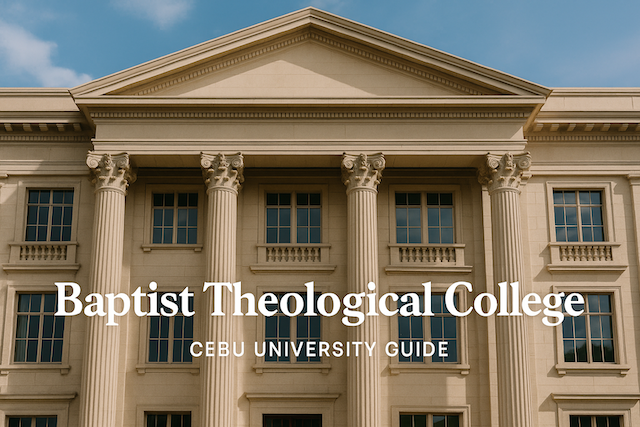
Baptist Theological College: Cebu University Guide
Contents
- Baptist Theological College: Cebu University Guide
- Overview of Baptist Theological College
- Academic Programs Offered
- Admission Requirements and Process
- Campus Facilities and Learning Environment
- Student Life and Community Culture
- Location and Accessibility
- Housing and Accommodation Options
- Tuition Fees and Cost of Studying
- Why Choose Baptist Theological College?
- Tips for Incoming Students
- FAQs (Frequently Asked Questions)
Baptist Theological College: Cebu University Guide
Baptist Theological College (BTC) is a well-established Christian institution known for its strong academic foundation in theology, ministry leadership, and pastoral training. For decades, BTC has played a crucial role in preparing future pastors, missionaries, and church workers through a combination of rigorous academic programs, spiritual formation, and hands-on ministry exposure. This guide provides a comprehensive overview of the campus, programs, admission process, student life, facilities, and practical tips for incoming students.
Overview of Baptist Theological College
Baptist Theological College is a specialized institution dedicated to providing high-quality Christian theological education. Its mission centers on training students with strong biblical foundations, leadership skills, and practical ministry competencies. The college maintains an environment that emphasizes spiritual growth, community engagement, and academic excellence.
BTC is recognized for its small and closely knit learning community, where professors are actively involved in mentoring students. With a curriculum designed around biblical studies, pastoral ministry, missions, and church leadership, the school has become a preferred choice for those called to full-time ministry or Christian service.
Academic Programs Offered
Bachelor of Theology (BTh)
The Bachelor of Theology is one of the flagship programs of BTC. This program focuses on developing students’ understanding of Scripture, Christian doctrine, pastoral leadership, and practical ministry work. Core subjects typically include:
-
Old Testament and New Testament Survey
-
Hermeneutics
-
Systematic Theology
-
Homiletics (Preaching)
-
Pastoral Care and Counseling
-
Church History
-
Evangelism and Missions
Students also participate in fieldwork and church-based ministries as part of their academic requirements.
Bachelor of Religious Education (BRE)
The BRE program prepares students for teaching and leadership roles in Christian education. This track is ideal for those who want to serve as Christian educators, youth ministry leaders, or administrators within faith-based institutions. The curriculum includes:
-
Philosophy of Christian Education
-
Curriculum Development
-
Educational Psychology
-
Bible and Teaching Methods
-
Child and Youth Ministry
Ministerial Training and Certification Courses
BTC also offers certificate and short-term programs suitable for church volunteers, lay leaders, and those seeking foundational theological knowledge without pursuing a full degree. These may include:
-
Certificate in Christian Ministry
-
Certificate in Biblical Studies
-
Leadership Development Programs
Advanced Studies and Continuing Education
Some BTC graduates continue their postgraduate theological education abroad or through partner seminaries. BTC occasionally hosts seminars, conferences, and special lectures for continued professional development of Christian workers.
Admission Requirements and Process
Basic Admission Requirements
Applicants typically need to provide the following:
-
Completed application form
-
High school diploma or equivalent
-
Transcript of records
-
Good moral character certificate
-
Recommendation letter from a pastor or church leader
-
Identification documents and photos
Because BTC is a theological institution, applicants are usually expected to demonstrate involvement in a local church or Christian ministry.
Application Procedure
-
Submit the Required Documents
Applicants may submit documents online or directly at the admissions office. -
Interview Process
A faculty member or admissions officer may conduct an interview to assess the applicant’s motivation, spiritual maturity, and ministry interest. -
Examination (If Applicable)
Some programs may require basic academic or biblical knowledge assessments. -
Enrollment and Registration
Once accepted, students proceed with enrollment, payment of fees, and orientation.
Scholarships and Financial Assistance
BTC offers limited scholarships, often funded by churches, partner ministries, or donors. Common financial aid options include:
-
Pastor’s Child Discount
-
Academic Scholarship
-
Ministry Worker Sponsorship
-
Need-Based Assistance
Students are encouraged to inquire early, as scholarship slots may be limited.
Campus Facilities and Learning Environment
Chapel and Worship Hall
The chapel serves as the heart of campus life. Regular worship services, prayer meetings, and spiritual formation activities take place here. Students develop their ministry skills through leading worship, preaching, and participating in group devotions.
Classrooms and Lecture Halls
BTC maintains functional, clean classrooms designed to support theological instruction. Although simple, they foster a focused learning environment.
Library and Resources
The campus library contains a wide range of theological books, commentaries, journals, and digital materials. Students rely heavily on the library for research, sermon preparation, and reading assignments.
Ministry Training Areas
BTC provides spaces dedicated to practical ministry activities, group discussions, and skills training related to pastoral work and evangelism.
Student Lounges and Common Areas
Community life is an essential part of theological education. Students often gather in lounges and outdoor areas for fellowship, study sessions, and prayer groups.
Student Life and Community Culture
Spiritual Formation
BTC emphasizes holistic spiritual growth. Students are encouraged to develop habits of:
-
Daily Bible reading
-
Prayer
-
Church involvement
-
Participation in campus worship events
Spiritual mentors and faculty members guide students as they navigate their calling and ministry experiences.
Ministry Exposure and Practicum
A significant portion of the curriculum includes ministry involvement such as:
-
Preaching assignments
-
Outreach programs
-
Church internships
-
Community service
These activities help students apply classroom knowledge to real-life ministry.
Student Organizations and Groups
BTC students often form small groups for:
-
Prayer and devotion
-
Worship team practice
-
Evangelism events
-
Bible study sessions
These groups foster friendship, accountability, and personal growth.
International Students
While most students come from the Philippines, BTC occasionally welcomes international enrollees. The campus community is warm and friendly, making it easier for foreign students to adapt.
Location and Accessibility
BTC’s campus is typically situated in a peaceful area, suitable for reflective study and spiritual formation. Depending on the specific location, nearby establishments may include:
-
Local eateries and cafes
-
Churches and ministry hubs
-
Dormitories or boarding houses
-
Convenience stores and basic shopping centers
Public transportation options such as jeepneys, taxis, and ride-hailing services provide convenient access to the campus.
Housing and Accommodation Options
Although BTC may not always provide on-campus dormitories, many students find accommodations nearby through:
-
Affordable boarding houses
-
Christian dormitories
-
Shared apartments with other students or ministry workers
When choosing a place to stay, students typically look for:
-
Safety
-
Proximity to campus
-
Quiet environment suitable for study
-
Budget-friendly options
Tuition Fees and Cost of Studying
Tuition at BTC is generally more affordable compared to larger private universities. The cost varies depending on the program, but students can expect:
-
Per-unit tuition fees
-
Miscellaneous and registration fees
-
Ministry practicum expenses
-
Books and study materials
Many students also receive financial support from their home churches to assist with educational expenses.
Why Choose Baptist Theological College?
Strong Biblical Foundation
BTC provides a solid foundation in Scripture and theology, making it ideal for students committed to Christian ministry.
Personal Mentorship
Class sizes are small, allowing for close interaction with professors who often serve as mentors and ministry role models.
Practical Ministry Training
Students benefit from hands-on service in churches and outreach programs, offering real-world experience.
Supportive Christian Community
The campus environment is nurturing and spiritually uplifting, helping students grow in faith and character.
Affordable Education
Affordable fees and scholarship opportunities make BTC accessible for aspiring pastors and Christian workers.
Tips for Incoming Students
-
Get involved in a local church early to strengthen your ministry experience.
-
Build good relationships with professors and mentors—they play a key role in your spiritual and academic growth.
-
Manage your schedule wisely, balancing academics, ministry, and personal devotion.
-
Read widely, especially theological books and commentaries, to deepen your understanding.
-
Take advantage of all ministry exposure opportunities—they prepare you for future roles in the church.
FAQs (Frequently Asked Questions)
What kind of student is Baptist Theological College best suited for?
Baptist Theological College is best suited for students who sense a clear calling to Christian ministry, missions, or church leadership. Many applicants are already involved in their local church as volunteers, youth leaders, worship team members, or Bible study facilitators.
If you are serious about studying the Bible, developing ministry skills, and serving in a Christ-centered environment, BTC offers a focused and supportive setting. Students who value spiritual growth alongside academic learning usually find the campus culture very rewarding.
Do I need to be a Baptist to study at Baptist Theological College?
You do not always have to be a member of a Baptist church to study at BTC, but you are expected to be a committed Christian who agrees with the school’s basic doctrinal stance. Many students come from Baptist backgrounds, but there may also be students from other evangelical churches.
Because BTC is a denominational theological college, its teaching, worship practices, and community life reflect Baptist doctrines and traditions. Applicants from other denominations should be comfortable learning within this context.
What are the main degree programs offered at Baptist Theological College?
The core programs typically include the Bachelor of Theology (BTh) and the Bachelor of Religious Education (BRE), along with certificate courses in ministry and biblical studies. These programs focus on biblical foundations, theology, church history, pastoral care, Christian education, and missions.
Each program combines classroom learning with practical ministry exposure. Students are trained not only to understand Christian doctrine but also to apply it faithfully in local churches, mission fields, and community settings.
Is Baptist Theological College recognized as an accredited institution?
Baptist Theological College is generally known within Christian and church networks as a reputable training institution for pastors and ministry workers. Formal recognition or accreditation may vary depending on specific government or educational bodies, so it is important to confirm details directly with the admissions office if this is a major concern for you.
For many students and supporting churches, the primary value of BTC lies in its biblical teaching, spiritual formation, and strong network of alumni serving in churches and ministries.
What are the typical admission requirements for new students?
Typical requirements include a completed application form, high school diploma or equivalent, transcript of records, a certificate of good moral character, and at least one recommendation from a pastor or church leader. Identification photos and basic personal documents will also be required.
In addition to academic qualifications, the admissions process looks for evidence of Christian faith, church involvement, and a genuine desire to serve in ministry. Some programs may also include interviews or basic assessments.
Is ministry or church involvement required before I apply?
Yes, in most cases BTC expects applicants to be active members of a local church. This involvement could include serving in worship, teaching children or youth, joining outreach programs, or helping in various church ministries.
Church involvement helps demonstrate that you are not only interested in theological study but also willing to serve God’s people in practical ways. It also allows your pastor or church leader to provide a more accurate recommendation.
Does the college offer scholarships or financial assistance?
Many theological students rely on a combination of personal savings, family support, church sponsorship, and school-based discounts. BTC may offer scholarships such as academic merit awards, pastor’s child discounts, or need-based assistance, depending on available funds and donor support.
Because scholarship slots are usually limited, applicants are encouraged to inquire early, prepare their documents, and discuss possible financial support with their sending church or pastor.
What is student life like on and around campus?
Student life at BTC is centered around worship, study, and ministry. Daily routines often include classes, personal devotions, prayer meetings, chapel services, group discussions, and ministry assignments. The environment is usually peaceful and community-oriented, encouraging both academic focus and spiritual growth.
Outside class hours, students spend time in the library, participate in student-led prayer groups, or fellowship with classmates. Weekends and evenings may involve church activities, practice for worship teams, or preparation for sermons and Bible lessons.
Is accommodation available near Baptist Theological College?
On-campus dormitories may or may not be available, depending on the current facilities of the college. However, many students find accommodation in nearby boarding houses, Christian dorms, or shared apartments with other students or church workers.
When choosing a place to stay, students often prioritize safety, affordability, access to public transportation, and a quiet atmosphere suitable for study and prayer. It is wise to arrive early or ask the school for general guidance about common housing options used by previous students.
How much does it cost to study at Baptist Theological College?
Tuition fees at BTC are generally lower than those of many large private universities, reflecting the college’s mission-driven, ministry-oriented nature. Students typically pay per unit of coursework, along with standard miscellaneous and registration fees.
However, there are still other costs to consider such as books, ministry-related transportation, food, and housing. Many students manage their budget with the help of family, part-time work (where possible), or financial support from their home churches.
Can international students enroll at Baptist Theological College?
In some cases, international students may enroll, especially if they are connected to partner churches, mission organizations, or Baptist networks. Foreign applicants should prepare additional documents such as passports, visas, and proof of financial capacity, and should communicate closely with the school about requirements.
International students usually find BTC’s community warm and welcoming, but they should also be ready to adjust to local culture, church practices, and living conditions.
What kind of ministry opportunities are available after graduation?
Graduates of Baptist Theological College often serve as pastors, associate pastors, youth leaders, missionaries, Bible teachers, or Christian educators in schools and churches. Some continue their studies in seminaries or graduate schools, while others work with mission agencies or non-profit organizations.
Because BTC emphasizes both theological soundness and practical ministry skills, many alumni are trusted by churches to handle preaching, teaching, counseling, and leadership responsibilities.
How can I prepare myself before starting my studies at BTC?
Before entering BTC, it is helpful to develop habits of daily Bible reading, prayer, and active participation in your local church. You may also begin reading basic books on theology, Christian living, and ministry to build a good foundation.
Practically, you should prepare your documents early, discuss your plans with your pastor and family, and think carefully about your finances and housing options. Most importantly, you should seek God’s guidance and be ready to grow in both character and competence during your time at Baptist Theological College.
Cebu University Guide: Top Universities and Programs for Local and International Students
Philippines University Guide: Top Universities, Admissions, Scholarships, and Student Life

How to Register for eTravel Philippines (2025 Guide)
Step-by-step guide to completing your eTravel registration before arriving in the Philippines, with images and tips.

Night Market in Cebu – Things You Don’t Know About Cebu Life
Discover the hidden charm of Cebu’s night markets, from street food stalls to local life tips you won’t find in tourist guides.

How to Use ChatGPT for IELTS Preparation: A Complete Guide
Learn how to prepare for IELTS using ChatGPT — including strategies for Writing, Reading, Listening, Speaking, and grammar support.

How to Build a Website Without Coding Using ChatGPT
Discover how to build your own website using AI—no coding skills needed. From structure planning to SEO and design, let ChatGPT guide you.