2026年3月20日
3D ACADEMY offers affordable English study programs in Cebu, Philippines – perfect for beginners, professionals, and exam takers.

3D UNIVERSAL ENGLISH INSTITUTE INC
info.3d-universal.com
8:00-17:00(Mon-Fri)
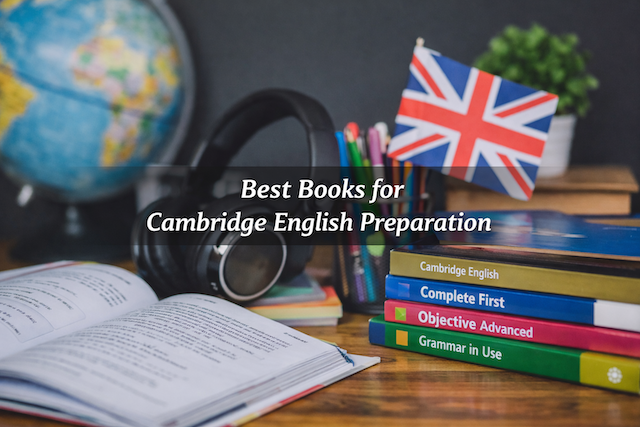
Best Books for Cambridge English Preparation
Contents
- Best Books for Cambridge English Preparation
- Introduction
- What Makes a Good Cambridge English Preparation Book?
- Official Cambridge Exam Preparation Books
- Grammar and Vocabulary Books
- Skills-Focused Books
- All-in-One Preparation Books
- How to Choose the Right Book
- Suggested Study Plan Using Books
- Common Mistakes When Using Books
- Final Thoughts
- FAQs (Frequently Asked Questions)
- What are the best books for Cambridge English preparation?
- Should I use official Cambridge books or books from other publishers?
- How many books do I need to prepare effectively?
- Which books are best for self-study?
- Are grammar and vocabulary books really necessary for Cambridge exams?
- How do I choose the right Cambridge preparation book for my level?
- When should I start doing practice tests?
- Can one book prepare me for all parts of the Cambridge exam?
Best Books for Cambridge English Preparation
Introduction
Preparing for Cambridge English exams such as B2 First (FCE), C1 Advanced (CAE), and C2 Proficiency (CPE) requires a strategic approach, consistent practice, and the right study materials. While online resources and courses are helpful, books remain one of the most effective tools for structured learning, exam-focused practice, and skill development.
The challenge, however, is choosing the right books. With so many options available, learners often waste time on materials that are either too easy, too difficult, or not aligned with the actual exam format.
This guide provides a carefully curated list of the best books for Cambridge English preparation. Whether you are studying independently or attending a course, these books will help you improve your reading, writing, listening, speaking, grammar, and vocabulary—while also building confidence for exam day.
What Makes a Good Cambridge English Preparation Book?
Before diving into specific recommendations, it is important to understand what separates a high-quality preparation book from an average one.
A good Cambridge preparation book should:
-
Be aligned with the latest exam format
-
Include authentic or exam-style practice tasks
-
Provide clear explanations and model answers
-
Offer answer keys and, ideally, audio materials
-
Cover all four skills (Reading, Writing, Listening, Speaking)
-
Include strategies and exam tips
Books published by Cambridge University Press are generally the most reliable, as they are produced by the same organization that designs the exams. However, other publishers like Oxford and Macmillan also offer excellent materials.
Official Cambridge Exam Preparation Books
Cambridge English Exam Booster Series
The “Exam Booster” series is one of the best starting points for students preparing for Cambridge exams.
Key Features:
-
Focused practice for each part of the exam
-
Step-by-step guidance
-
Exam strategies and tips
-
Audio for listening sections
Why It’s Effective:
These books are designed for short-term intensive preparation. If you already have a basic understanding of the exam format, the Exam Booster helps you sharpen your skills and identify weak areas quickly.
Best For:
-
Students with limited preparation time
-
Learners who need targeted practice
Cambridge English Practice Tests Series
This series includes multiple volumes of authentic practice tests for each exam level.
Key Features:
-
Real past exam papers
-
Listening audio included
-
Answer keys and explanations
-
Speaking test examples
Why It’s Essential:
Practicing with real exam papers is one of the most effective ways to prepare. It helps you understand timing, difficulty level, and question patterns.
Best For:
-
Final-stage preparation
-
Simulating real exam conditions
Complete Series by Cambridge
Examples include:
-
Complete First (B2)
-
Complete Advanced (C1)
-
Complete Proficiency (C2)
Key Features:
-
Comprehensive coverage of all skills
-
Grammar and vocabulary sections
-
Practice exercises and review tests
-
Integrated exam strategies
Why It’s Popular:
The Complete series is often used in classrooms but is also excellent for self-study. It combines skill-building with exam-focused training.
Best For:
-
Long-term preparation
-
Structured learning plans
Grammar and Vocabulary Books
English Grammar in Use (Raymond Murphy)
This is one of the most widely used grammar books in the world.
Key Features:
-
Clear explanations
-
Practical exercises
-
Self-study friendly format
Why It’s Important:
Grammar accuracy is essential for all Cambridge exams, especially in writing and speaking. This book helps you build a strong foundation.
Best For:
-
B1–B2 learners (Intermediate level)
Advanced Grammar in Use (Martin Hewings)
Designed for higher-level learners preparing for C1 and C2 exams.
Key Features:
-
Advanced grammar topics
-
Detailed explanations
-
Practice exercises with answers
Why It’s Useful:
At higher levels, small grammar mistakes can significantly affect your score. This book helps refine your accuracy.
Best For:
-
C1–C2 candidates
English Vocabulary in Use Series
Available at different levels:
-
Elementary
-
Intermediate
-
Upper-Intermediate
-
Advanced
Key Features:
-
Topic-based vocabulary units
-
Real-life usage examples
-
Practice exercises
Why It’s Effective:
Vocabulary plays a major role in all exam sections. This series helps you expand your range and use words naturally.
Best For:
-
All levels (choose based on your level)
Skills-Focused Books
Reading and Use of English Books
Books like “Objective First” or “Objective Advanced” provide excellent reading practice.
Key Features:
-
Exam-style texts
-
Practice for multiple question types
-
Vocabulary development
Why It’s Helpful:
The Reading and Use of English section is often the most challenging. These books train you to manage time and understand complex texts.
Writing Skills Books
Recommended titles include:
-
“Cambridge English Write & Improve” (online + book support)
-
“Improve Your Skills: Writing”
Key Features:
-
Model essays
-
Writing structures
-
Feedback guidance
Why It’s Important:
Writing requires more than grammar—it requires structure, clarity, and coherence. These books help you understand what examiners are looking for.
Listening Practice Books
Many Cambridge books include audio, but additional listening practice is helpful.
Recommended Approach:
-
Use official practice test books
-
Supplement with listening-focused materials
Why It Matters:
Listening sections often include different accents and fast speech. Regular exposure is key to improvement.
Speaking Preparation Books
While speaking is best practiced with a partner, books can still help.
Key Features:
-
Sample questions
-
Model answers
-
Speaking strategies
Why It’s Useful:
Understanding the format and expectations of the speaking test can significantly improve your performance.
All-in-One Preparation Books
Objective Series (Cambridge)
Examples:
-
Objective First
-
Objective Advanced
Key Features:
-
Balanced skill development
-
Exam strategies
-
Practice tests
Why It’s Recommended:
These books are ideal for learners who want a single resource that covers everything.
Gold Experience (Pearson)
Key Features:
-
Modern content
-
Exam preparation focus
-
Engaging topics
Why It’s Popular:
Gold Experience combines exam preparation with real-world English, making it more engaging for learners.
Ready for Series (Macmillan)
Examples:
-
Ready for First
-
Ready for Advanced
Key Features:
-
Detailed exam training
-
Strong focus on exam strategies
-
High-level practice tasks
Why It’s Effective:
This series is known for being slightly more challenging, which can help push advanced learners further.
How to Choose the Right Book
Choosing the right book depends on your level, goals, and timeline.
Step 1: Identify Your Level
-
B1–B2 → First (FCE)
-
C1 → Advanced (CAE)
-
C2 → Proficiency (CPE)
Using a book that is too difficult can slow your progress, while one that is too easy will not challenge you.
Step 2: Define Your Goal
Ask yourself:
-
Are you preparing for an exam soon?
-
Do you want to improve general English?
-
Do you need to focus on a specific skill?
Step 3: Combine Different Types of Books
The best results come from using multiple resources:
-
One main coursebook (e.g., Complete or Objective)
-
One practice test book
-
One grammar or vocabulary book
Suggested Study Plan Using Books
Here is a simple but effective approach:
Phase 1: Foundation (4–6 weeks)
-
Study grammar using “Grammar in Use”
-
Learn vocabulary with “Vocabulary in Use”
-
Start a coursebook like “Complete First”
Phase 2: Skill Development (4–6 weeks)
-
Focus on weak areas (reading, writing, etc.)
-
Practice writing tasks regularly
-
Use speaking prompts with a partner
Phase 3: Exam Practice (2–4 weeks)
-
Complete full practice tests
-
Review mistakes carefully
-
Practice under timed conditions
Common Mistakes When Using Books
Using Too Many Books
Many learners buy multiple books but do not finish any of them. It is better to fully complete a few high-quality resources.
Ignoring Speaking Practice
Books cannot replace real conversation. Make sure to practice speaking regularly.
Not Reviewing Mistakes
Simply doing exercises is not enough. You must understand why your answers are wrong.
Skipping Listening Practice
Listening is often neglected, but it is a key part of the exam.
Final Thoughts
Choosing the right books can make a significant difference in your Cambridge English preparation. The best approach is not to rely on a single resource but to combine coursebooks, practice tests, and grammar or vocabulary materials.
Start with a strong foundation, build your skills step by step, and then focus on exam practice. With the right books and consistent effort, you can achieve your target score and gain a valuable English qualification recognized worldwide.
If you are serious about passing a Cambridge exam, investing in the right study materials is one of the smartest decisions you can make.
FAQs (Frequently Asked Questions)
What are the best books for Cambridge English preparation?
The best books for Cambridge English preparation are usually official materials published by Cambridge University Press, because they are closely aligned with the real exam format. Popular choices include the Complete series, the Exam Booster series, and official Cambridge practice test books. These are especially useful because they focus on the exact skills tested in Cambridge exams such as Reading, Use of English, Writing, Listening, and Speaking. In addition to official exam books, many learners also use grammar and vocabulary books like English Grammar in Use and English Vocabulary in Use. The best choice depends on your current level, target exam, and study timeline. A student preparing for B2 First may need a different book from someone studying for C1 Advanced or C2 Proficiency. In most cases, a combination of one coursebook, one practice test book, and one grammar or vocabulary book gives the most balanced preparation.
Should I use official Cambridge books or books from other publishers?
Official Cambridge books are usually the safest starting point because they are designed to match the structure, level, and style of the real exam. They help you understand exactly what to expect on test day. However, books from other well-known publishers such as Oxford, Macmillan, and Pearson can also be very helpful. Some learners actually benefit from using both. Official books are ideal for accuracy and exam familiarity, while non-official books can sometimes provide extra explanations, additional practice, or a different teaching style that feels easier to follow. The most important thing is to choose books that are current, exam-specific, and suitable for your level. If a book is outdated or too general, it may not prepare you well enough for the current Cambridge English exam format.
How many books do I need to prepare effectively?
You do not need a huge collection of books to prepare effectively. In fact, using too many books can make your study plan confusing and unfocused. For most learners, three types of books are enough: a main preparation book, a practice test book, and a support book for grammar or vocabulary. The main preparation book teaches exam strategies and develops your skills step by step. The practice test book helps you get used to real exam timing and question types. The support book strengthens weaker areas such as grammar accuracy or vocabulary range. If you try to study from six or seven books at once, you may end up skipping around without finishing anything properly. It is usually better to choose a small number of high-quality resources and use them consistently from beginning to end.
Which books are best for self-study?
For self-study, the best books are those with clear explanations, answer keys, model answers, and audio support. Learners studying alone need materials that guide them without a teacher. Books like the Complete series and Objective series are strong choices because they combine skill-building with exam practice. Grammar books such as English Grammar in Use are also excellent for self-study because the format is easy to follow and each unit focuses on one clear point. A good self-study book should also provide examples of strong writing, speaking prompts, and explanations for correct answers. If possible, choose a book that includes downloadable or online listening materials. Self-study becomes much more effective when you can check your answers, review your mistakes, and repeat practice activities independently.
Are grammar and vocabulary books really necessary for Cambridge exams?
Yes, grammar and vocabulary books are very useful for Cambridge exam preparation, especially if you want to improve your overall score rather than simply survive the exam. Cambridge exams do not only test memorized techniques. They also test real English ability. Grammar affects your writing accuracy, speaking clarity, and performance in Use of English tasks. Vocabulary affects nearly every part of the exam, including reading comprehension, listening understanding, and written expression. If your grammar is weak, even strong ideas may not be communicated clearly. If your vocabulary is too limited, your writing and speaking may sound repetitive or too simple for higher-level exams. A dedicated grammar or vocabulary book helps you build the language foundation needed to perform well across all sections of the test.
How do I choose the right Cambridge preparation book for my level?
The first step is to identify your target exam and your real English level. If you are aiming for B2 First, you should choose books specifically written for that exam. The same applies to C1 Advanced and C2 Proficiency. Avoid choosing books just because they look popular. A book that is too advanced may feel overwhelming and reduce your confidence, while a book that is too easy may not prepare you for the real exam challenge. Try reading sample pages, checking the unit structure, and looking at the types of tasks included. If you can complete some tasks with moderate difficulty but still learn from them, the level is probably appropriate. It is also helpful to choose a book that matches your study style. Some learners prefer detailed explanations, while others prefer intensive practice and shorter strategy tips.
When should I start doing practice tests?
You should start doing practice tests after you understand the exam format and have built some basic skill confidence, but you do not need to wait until the very end of your preparation. In the early stage, you can use selected parts of practice tests to become familiar with task types. In the later stage, full practice tests become more important because they train your timing, concentration, and exam stamina. Many students make the mistake of saving all practice tests for the final week, which does not leave enough time to analyze mistakes and improve. A better approach is to begin with guided study, then add partial test practice, and finally move into full timed tests closer to the exam date. This gradual method usually leads to better results and less stress.
Can one book prepare me for all parts of the Cambridge exam?
One good coursebook can help you prepare for all parts of the Cambridge exam, but it is usually not enough by itself for the best possible result. A coursebook may cover reading, writing, listening, speaking, grammar, and exam strategies, which makes it a strong central resource. However, students often have weaker areas that need extra attention. For example, someone may need additional writing practice, more listening exposure, or targeted vocabulary study. That is why many successful candidates use one all-in-one preparation book as their base and then add one or two supplementary books. This combination gives both structure and depth. In other words, one book can take you far, but a carefully chosen set of books usually gives more complete preparation.
Cambridge English Exams: Complete Guide to Tests, Levels, and Certificates

How to Register for eTravel Philippines (2025 Guide)
Step-by-step guide to completing your eTravel registration before arriving in the Philippines, with images and tips.

Night Market in Cebu – Things You Don’t Know About Cebu Life
Discover the hidden charm of Cebu’s night markets, from street food stalls to local life tips you won’t find in tourist guides.

How to Use ChatGPT for IELTS Preparation: A Complete Guide
Learn how to prepare for IELTS using ChatGPT — including strategies for Writing, Reading, Listening, Speaking, and grammar support.

How to Build a Website Without Coding Using ChatGPT
Discover how to build your own website using AI—no coding skills needed. From structure planning to SEO and design, let ChatGPT guide you.