2026年4月5日
3D ACADEMY offers affordable English study programs in Cebu, Philippines – perfect for beginners, professionals, and exam takers.

3D UNIVERSAL ENGLISH INSTITUTE INC
info.3d-universal.com
8:00-17:00(Mon-Fri)
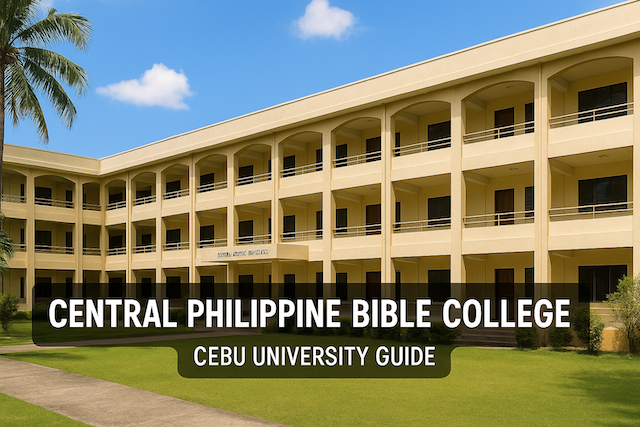
Central Philippine Bible College: Cebu University Guide
Contents
- Central Philippine Bible College: Cebu University Guide
- Overview of Central Philippine Bible College
- Academic Programs Offered
- Curriculum and Learning Approach
- Campus Facilities and Learning Environment
- Student Life and Community
- Admission Requirements
- Tuition Fees and Financial Assistance
- Career Paths for Graduates
- Why Choose Central Philippine Bible College?
- FAQs (Frequently Asked Questions)
- What kind of school is Central Philippine Bible College?
- What programs and degrees does Central Philippine Bible College offer?
- Who should consider studying at Central Philippine Bible College?
- What is the teaching style and curriculum like?
- What is campus life like at Central Philippine Bible College?
- Are there dormitories or housing options for students?
- How much does it cost to study at Central Philippine Bible College?
- Does the college offer scholarships or financial assistance?
- What are the admission requirements for new students?
- What career opportunities are available after graduation?
- Is Central Philippine Bible College suitable for international students?
Central Philippine Bible College: Cebu University Guide
Central Philippine Bible College (CPBC) is one of the respected theological institutions in the Visayas, offering students a strong foundation in biblical studies, ministry training, and Christian education. Known for its commitment to developing leaders grounded in faith and service, CPBC attracts both local and international students seeking an academically solid and spiritually enriching environment. This guide provides a comprehensive overview of the school, including its programs, campus facilities, student life, admission requirements, and what to expect when pursuing a theological education in Cebu.
Overview of Central Philippine Bible College
Central Philippine Bible College was founded with the mission of equipping future Christian workers, pastors, missionaries, and educators. The institution emphasizes biblical literacy, spiritual formation, and practical ministry exposure. While the college is relatively smaller than mainstream universities, its specialized focus makes it ideal for students who prefer a faith-centered academic community.
Located in Cebu, CPBC offers a quiet and disciplined learning environment, conducive to theological reflection and ministry preparation. Its core values—faithfulness, excellence, humility, and service—are embedded in the school’s curriculum and daily life.
Academic Programs Offered
The college offers a well-rounded selection of programs centered on theology and ministry-related fields. Although specific offerings may vary, below are the commonly available academic tracks:
Bachelor of Theology (B.Th.)
The flagship program provides deep training in biblical interpretation, pastoral leadership, systematic theology, and practical ministry skills. Students engage in rigorous coursework that prepares them for pastoral roles or further theological studies.
Bachelor of Christian Education (BCE)
This program is designed for students interested in teaching within Christian schools or serving in church education departments. The curriculum includes pedagogy, child development, curriculum design, and Bible teaching methodologies.
Diploma and Certificate Programs
For students seeking shorter-term training, CPBC provides diploma and certificate courses in ministry, discipleship, evangelism, and Christian leadership. These programs typically last one to two years and are suitable for church workers who want formal training but cannot commit to a full bachelor’s degree.
Continuing Ministry Development
To support pastors and ministry leaders, the college occasionally offers workshops, seminars, and intensive courses. These programs help professionals update their knowledge and enhance their pastoral competencies.
Curriculum and Learning Approach
Central Philippine Bible College integrates classroom learning with real-world ministry practice. Students engage in a mix of:
-
Biblical and theological studies
-
Practical ministry exposure such as preaching, teaching, outreach, and church internship
-
Spiritual formation activities including chapel services, prayer meetings, and small groups
-
Community involvement through local church partnerships
The teaching approach encourages critical thinking, scriptural understanding, and leadership skills. Faculty members are typically pastors, missionaries, and ministry practitioners who bring real-world insight into the classroom.
Campus Facilities and Learning Environment
CPBC maintains a simple yet functional campus designed to support spiritual and academic growth. Facilities may vary by year, but commonly include:
Classrooms and Lecture Halls
The college provides dedicated learning spaces equipped for theological instruction and group discussions.
Library and Study Resources
The campus library houses biblical commentaries, theological journals, Christian literature, and academic references. Students can also access digital resources for research.
Chapel
As a faith-driven institution, the chapel serves as the spiritual center of the campus. Regular worship services, devotions, and prayer gatherings are held here.
Dormitory and Housing Options
Some theological colleges offer on-campus dormitories or partnered accommodations. Housing availability may differ by semester, so students are advised to confirm with the administration.
Community Areas
Students can use shared spaces for fellowship, group studies, or ministry planning.
CPBC’s environment is intentionally peaceful and conducive to personal reflection, making it favorable for those who want to grow spiritually while pursuing their studies.
Student Life and Community
Although smaller in size, Central Philippine Bible College fosters a close-knit community built on mutual support, shared values, and spiritual fellowship.
Chapel Services
All students participate in chapel sessions that include worship, preaching, testimonies, and prayer time. These gatherings help strengthen spiritual discipline and unity.
Ministry Practicum
Each student engages in hands-on ministry experiences, such as:
-
Youth ministry
-
Sunday school teaching
-
Outreach missions
-
Church planting assistance
-
Evangelistic programs
These activities help students apply classroom knowledge in real church settings.
Peer Fellowship Groups
Students join small groups for Bible study, accountability, and encouragement. These groups cultivate friendships and spiritual growth.
Events and Activities
The college organizes special events such as missions week, leadership seminars, spiritual retreats, and community service programs.
Admission Requirements
Admission criteria may vary slightly by year, but generally include:
-
Completed application form
-
High school diploma or equivalent
-
Transcript of records
-
Birth certificate
-
Recommendation letter from a pastor or church leader
-
Entrance interview
-
Personal testimony or statement of faith
-
Application fee
Given the college’s faith-based nature, applicants are expected to demonstrate a commitment to Christian values and ministry involvement.
International students may also need to submit additional documents such as:
-
Passport
-
Student visa requirements
-
English proficiency documents (if required)
Prospective students should verify updated requirements directly with the school.
Tuition Fees and Financial Assistance
Central Philippine Bible College is known for offering affordable tuition compared to larger private institutions in Cebu. Fees typically cover:
-
Tuition
-
Miscellaneous charges
-
Library access
-
Ministry practicum
Some churches or organizations provide scholarships, sponsorships, or financial support for qualified students. It is also common for missionary groups to assist international ministry students.
Career Paths for Graduates
Graduates of CPBC pursue roles such as:
-
Pastor or assistant pastor
-
Missionary
-
Youth or children’s ministry leader
-
Church administrator
-
Bible teacher
-
Christian school educator
-
Ministry coordinator
-
Outreach worker
Many alumni also continue to postgraduate theological studies locally or abroad.
Why Choose Central Philippine Bible College?
Students choose CPBC for several reasons:
-
Strong biblical foundation supported by experienced faculty
-
Affordable education ideal for ministry-oriented students
-
Holistic formation through academics, ministry exposure, and spiritual growth
-
Close community where students receive mentorship and support
-
Commitment to service aligned with Christian values and mission work
For those called to ministry or seeking deeper theological understanding, CPBC offers a meaningful and transformative learning journey.
FAQs (Frequently Asked Questions)
What kind of school is Central Philippine Bible College?
Central Philippine Bible College is a Christ-centered theological institution that focuses on biblical studies, ministry training, and Christian education. It is designed for students who feel called to serve in churches, missions, or Christian schools. The college offers a smaller, community-oriented environment where spiritual growth, character formation, and academic development go hand in hand. Rather than being a general or secular university, it provides specialized programs that prepare students for ministry, leadership, and service in Christian contexts.
What programs and degrees does Central Philippine Bible College offer?
The college typically offers programs such as a Bachelor of Theology, a Bachelor of Christian Education, and various diploma or certificate courses related to ministry and leadership. The Bachelor of Theology focuses on Bible interpretation, theology, and pastoral ministry. The Bachelor of Christian Education prepares students for teaching roles in Christian schools and church education departments. Shorter programs and certificates may be available for those who want focused training in areas like evangelism, discipleship, or church leadership without pursuing a full four-year degree.
Who should consider studying at Central Philippine Bible College?
Central Philippine Bible College is ideal for students who have a clear interest in Christian ministry, biblical studies, or teaching in Christian institutions. It is suitable for aspiring pastors, missionaries, youth leaders, worship leaders, Bible teachers, and church workers who want structured, faith-based training. It also serves those who are already active in their local churches and want to deepen their theological understanding and skills. Because the environment is spiritually oriented and disciplined, it particularly appeals to students who value prayer, worship, and community life as part of their education.
What is the teaching style and curriculum like?
The curriculum is a blend of classroom learning, personal study, and hands-on ministry experience. Students take subjects in Old and New Testament, theology, church history, preaching, Christian education, and practical ministry. Teaching is usually interactive, with lectures, discussions, group projects, and ministry simulations. In addition, students are often assigned to churches or ministries where they can practice what they learn. This combination encourages both intellectual growth and practical competence, helping students to transition smoothly into real ministry settings after graduation.
What is campus life like at Central Philippine Bible College?
Campus life is generally simple, community-centered, and spiritually focused. Students often participate in regular chapel services, prayer meetings, Bible studies, and small group fellowship. The atmosphere encourages mutual support, accountability, and friendship. Instead of a highly commercial or entertainment-based campus culture, the focus is on building strong Christian character and healthy relationships. Activities may include ministry trips, outreach events, mission conferences, and leadership training sessions. Many students appreciate the close-knit relationships with classmates, faculty, and staff.
Are there dormitories or housing options for students?
Many Bible colleges provide dormitory-style accommodations or partnered housing near the campus, and Central Philippine Bible College may offer similar arrangements depending on the current setup. Dorm life can be an important part of the student experience, as it allows students to live, study, and worship together in community. Rooms may be shared, and basic facilities are often provided. Because housing arrangements and availability can change, interested students should contact the college directly to confirm current options, fees, and rules regarding dormitory living.
How much does it cost to study at Central Philippine Bible College?
Tuition and fees at Central Philippine Bible College are generally more affordable than those at large private universities, reflecting the school’s mission to make ministry training accessible. Costs usually include tuition per semester, miscellaneous fees, library use, and sometimes ministry practicum expenses. If dormitory housing and meals are available, they may be charged separately or as a package. Exact amounts can change over time, so applicants are encouraged to request an updated fee schedule from the registrar or admissions office to plan their budget accurately.
Does the college offer scholarships or financial assistance?
Many theological schools, especially those with a strong mission focus, either provide or help facilitate financial assistance. Central Philippine Bible College may partner with churches, organizations, and sponsors that support qualified students. In some cases, churches sponsor their members who are training for ministry. Other students may receive partial scholarships, work-study opportunities, or grants based on need and performance. Because availability and criteria can differ from year to year, students should ask the college directly about scholarship options, application processes, and deadlines.
What are the admission requirements for new students?
Common admission requirements include a completed application form, a high school diploma or its equivalent, and official transcripts. Because this is a Christian college, applicants are often asked to submit a personal testimony of faith and a recommendation letter from a pastor or church leader. An admission interview may also be part of the process to assess the applicant’s calling, commitment, and readiness for theological training. International students, if accepted, may need to provide additional documents such as passport details and visa-related papers according to national regulations.
What career opportunities are available after graduation?
Graduates of Central Philippine Bible College typically go on to serve in various ministry roles. These include becoming pastors, assistant pastors, missionaries, evangelists, youth leaders, Christian educators, or church administrators. Some alumni work in Christian schools as teachers or guidance staff, while others serve in non-profit organizations, community outreach programs, or mission agencies. A number of graduates may also pursue further theological education, such as master’s degrees in divinity, theology, or Christian education, either locally or abroad. The training received at CPBC is highly ministry-oriented, so most career paths are connected to Christian service and leadership.
Is Central Philippine Bible College suitable for international students?
International students who are comfortable in an English-based academic setting and who desire a ministry-focused education may find Central Philippine Bible College a good option. Studying in Cebu can also provide cross-cultural exposure, opportunities to join local missions, and experience with a growing Christian community in the Philippines. However, international applicants must carefully review visa requirements, financial considerations, language expectations, and accommodation options. It is recommended that they communicate directly with the college’s admissions office to clarify all conditions before applying.
Philippines University Guide
Cebu University Guide
Cebu Province All Universities Lists

How to Register for eTravel Philippines (2025 Guide)
Step-by-step guide to completing your eTravel registration before arriving in the Philippines, with images and tips.

Night Market in Cebu – Things You Don’t Know About Cebu Life
Discover the hidden charm of Cebu’s night markets, from street food stalls to local life tips you won’t find in tourist guides.

How to Use ChatGPT for IELTS Preparation: A Complete Guide
Learn how to prepare for IELTS using ChatGPT — including strategies for Writing, Reading, Listening, Speaking, and grammar support.

How to Build a Website Without Coding Using ChatGPT
Discover how to build your own website using AI—no coding skills needed. From structure planning to SEO and design, let ChatGPT guide you.