2025年11月6日
3D ACADEMY offers affordable English study programs in Cebu, Philippines – perfect for beginners, professionals, and exam takers.

3D UNIVERSAL ENGLISH INSTITUTE INC
info.3d-universal.com
8:00-17:00(Mon-Fri)
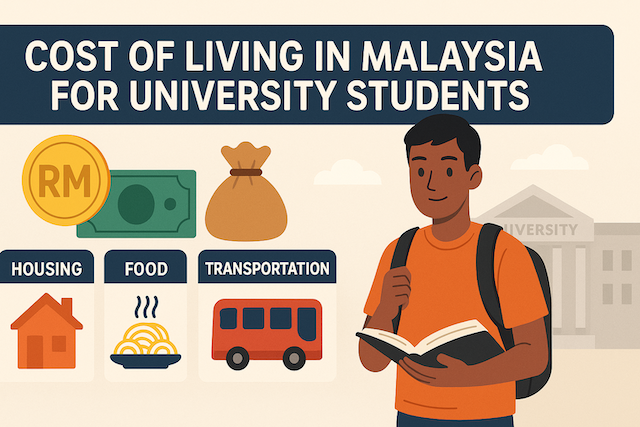
Cost of Living in Malaysia for University Students
Contents
- Cost of Living in Malaysia for University Students
- Overview: Why Malaysia Is an Affordable Study Destination
- Accommodation Costs
- Food and Dining Expenses
- Transportation Costs
- Utilities and Internet
- Study Materials and Miscellaneous Costs
- Healthcare and Insurance
- Entertainment and Social Life
- Average Monthly Budget Summary (in 2025)
- Cost of Living by City
- Budgeting Tips for International Students
- Final Thoughts
- FAQs
- What is a realistic monthly budget for a university student in Malaysia?
- How much does student accommodation cost?
- Is it cheaper to cook or eat out?
- How much should I budget for utilities and internet?
- What are typical transportation costs for students?
- Do students need health insurance, and how much does it cost?
- How much should I set aside for books and study materials?
- What city-specific cost differences should I expect?
- Can I keep costs down in my first semester?
- How much should I budget for leisure and fitness?
- Are part-time jobs common for international students?
- What about one-time or irregular expenses?
- Is cash still necessary, or can I rely on cards and e-wallets?
- How do exchange rates affect my budget?
- What is a sample monthly budget I can follow?
- Any final tips to avoid overspending?
Cost of Living in Malaysia for University Students
Malaysia has become one of the most attractive destinations for international students in Southeast Asia. Its combination of high-quality education, affordable tuition, and relatively low cost of living makes it a preferred choice compared to other study-abroad destinations like Singapore, Australia, or the UK.
In this comprehensive guide, we’ll explore the cost of living in Malaysia for university students, covering accommodation, food, transportation, utilities, entertainment, and other daily expenses. We’ll also include budgeting tips to help students plan their finances effectively in 2025.
Overview: Why Malaysia Is an Affordable Study Destination
Malaysia offers an excellent balance between affordability and quality of life. The country’s cost of living is 40–60% cheaper than that of many Western countries. Even compared to other Asian education hubs like Singapore or South Korea, Malaysia remains one of the most budget-friendly options for international students.
The affordability is due to several factors:
-
A wide range of accommodation options near universities.
-
Reasonably priced local food and public transportation.
-
Low healthcare and utility costs.
-
Student discounts in major cities and university towns.
The average monthly living cost for international students typically ranges from RM 1,500 to RM 2,500 (USD 320–530) depending on lifestyle and city location.
Accommodation Costs
Housing is usually the biggest monthly expense for students. Fortunately, Malaysia offers multiple housing options—from on-campus dormitories to off-campus shared apartments.
On-Campus Accommodation
Many universities, especially private institutions, offer student dorms or hostels located within or near the campus. These are often fully furnished and include utilities such as electricity, Wi-Fi, and water.
-
Shared room: RM 400–800 per month
-
Single room: RM 800–1,200 per month
Advantages:
-
Affordable and convenient.
-
Easy access to campus facilities.
-
Opportunity to socialize with other students.
Students who prefer more independence often rent off-campus apartments. Costs vary based on the city and proximity to the university.
-
Kuala Lumpur or Petaling Jaya: RM 1,000–1,800 per month (shared unit)
-
Penang or Johor Bahru: RM 800–1,500 per month
-
Kota Kinabalu or Kuching: RM 700–1,200 per month
Utilities such as water, electricity, and internet may add RM 150–300 monthly, depending on usage and air conditioning.
Food and Dining Expenses
Malaysian food culture is incredibly diverse, offering Malay, Chinese, Indian, and international cuisines at affordable prices.
Eating at Campus Cafeterias or Local Restaurants
-
Local meals (nasi lemak, fried rice, noodles): RM 6–10
-
Set lunch at restaurants: RM 10–20
-
Fast food chains: RM 15–25 per meal
Cooking at Home
Many students cook to save money. Grocery prices are relatively low:
-
Rice (5 kg): RM 15–25
-
Chicken (1 kg): RM 12–15
-
Vegetables (per kg): RM 3–8
-
Eggs (10 pcs): RM 6–8
-
Bread and milk: RM 8–10
Students who cook most meals can spend RM 300–500 per month, while those eating out daily may spend RM 600–900.
Transportation Costs
Malaysia has well-developed public transportation systems in major cities. Students can commute affordably using trains, buses, or e-hailing services like Grab.
Public Transportation
-
RapidKL trains and buses (Kuala Lumpur): RM 30–80 monthly pass
-
MyRapid concession card for students: discounts up to 50%
-
Local buses (outside KL): RM 1–3 per trip
E-Hailing and Taxis
Grab and InDriver are widely used:
-
Short ride (within 5 km): RM 5–10
-
Longer trips (10–15 km): RM 15–25
Students who live near their campuses often spend less than RM 100 per month, while those commuting longer distances may spend around RM 150–250.
Utilities and Internet
Utility costs depend on your accommodation type. On-campus housing usually includes these costs, but private apartments require separate payments.
Typical monthly estimates:
-
Electricity: RM 80–150
-
Water: RM 20–40
-
Internet (home Wi-Fi): RM 100–150
-
Mobile data (prepaid plans): RM 30–60
Malaysia offers high-speed broadband and 4G/5G networks across urban areas. Student-friendly mobile plans are available from providers like CelcomDigi, Maxis, and U Mobile.
Study Materials and Miscellaneous Costs
While most universities use digital materials, students should still budget for books, stationery, and printing.
-
Textbooks and academic materials: RM 200–400 per semester
-
Printing and photocopying: RM 20–40 per month
Students enrolled in engineering, medical, or design programs may have higher material costs for specialized equipment or software licenses.
Healthcare and Insurance
Malaysia provides affordable healthcare services with good quality. International students are typically required to have medical insurance as part of their student visa requirements.
-
Student health insurance: RM 500–800 per year
-
Clinic visits: RM 40–80 per consultation
-
Over-the-counter medicines: RM 10–30
Many universities have on-campus clinics offering discounted or free medical services to students.
Entertainment and Social Life
Living in Malaysia isn’t just about studying—it’s also about enjoying the local lifestyle. Entertainment costs are relatively low:
-
Cinema ticket: RM 15–25
-
Coffee shop or café outing: RM 10–20
-
Gym membership: RM 100–200 monthly
-
Weekend trips (within Malaysia): RM 100–300
Students often explore local attractions, beaches, and food festivals on weekends. With budget airlines like AirAsia, short trips to neighboring countries are also affordable.
Average Monthly Budget Summary (in 2025)
| Category | Estimated Monthly Cost (RM) |
|---|---|
| Accommodation | 700–1,500 |
| Food | 400–900 |
| Transportation | 80–250 |
| Utilities & Internet | 100–300 |
| Study Materials | 50–150 |
| Entertainment & Misc. | 100–300 |
| Total Estimated Monthly | RM 1,500–2,500 |
In USD terms, this equals approximately $320–530 per month, depending on lifestyle and location.
Cost of Living by City
Kuala Lumpur
The capital city has the highest living costs but offers the most modern amenities and international exposure. Expect RM 2,000–2,800 monthly for comfortable student living.
Penang
Known for its food and relaxed lifestyle, Penang is slightly cheaper than KL. A typical student spends RM 1,500–2,200 per month.
Johor Bahru
Near Singapore, Johor Bahru provides city access at lower costs. Living expenses average RM 1,400–2,000 monthly.
Kota Kinabalu and Kuching
These East Malaysian cities are affordable and nature-rich. Students can live comfortably with RM 1,200–1,800 per month.
Budgeting Tips for International Students
-
Choose on-campus housing for convenience and safety—especially in the first semester.
-
Use student cards for discounts on transport, food, and entertainment.
-
Cook at home when possible to cut meal costs by half.
-
Share housing with other students to split rent and utility bills.
-
Buy used textbooks or borrow from libraries.
-
Track spending using budgeting apps like Mint or Wally.
-
Plan ahead for one-time expenses (visa renewal, travel, etc.).
Final Thoughts
The cost of living in Malaysia for university students remains one of the lowest among major study destinations. With smart budgeting, an international student can enjoy a comfortable lifestyle while studying in a multicultural and safe environment.
Malaysia’s affordability, combined with its English-speaking environment and international-standard universities, continues to attract thousands of students from across Asia, the Middle East, and Africa every year.
For students planning to study abroad in 2025, Malaysia offers one of the best value-for-money options—where education meets affordability and cultural diversity.
FAQs
What is a realistic monthly budget for a university student in Malaysia?
A typical international student can live comfortably on RM 1,500–2,500 per month, depending on city, housing type, and lifestyle. This range generally covers accommodation, food, local transportation, utilities, study materials, phone and internet, and small leisure expenses. Kuala Lumpur trends toward the higher end, while cities like Johor Bahru, Kuching, and Kota Kinabalu are usually more affordable.
How much does student accommodation cost?
On-campus dorms typically cost RM 400–1,200 per month depending on room type (shared vs. single) and included utilities. Off-campus shared apartments near major universities often range from RM 800–1,800 monthly, with utilities sometimes billed separately. Sharing with roommates lowers rent and splits electricity (air-conditioning is the main variable), water, and broadband costs.
Is it cheaper to cook or eat out?
Cooking regularly is cheaper. Students who cook most meals usually spend RM 300–500 monthly on groceries. Eating out at local eateries or campus cafeterias can cost RM 6–20 per meal, which adds up to RM 600–900 monthly if done daily. A balanced approach—cooking on weekdays and eating out occasionally—keeps costs predictable.
How much should I budget for utilities and internet?
In private rentals, expect RM 80–150 for electricity (more in hot months if you run air-con), RM 20–40 for water, and RM 100–150 for home internet. Many dorms include some or all utilities in the rent. Prepaid mobile data plans typically cost RM 30–60 monthly with generous data quotas.
What are typical transportation costs for students?
Public transport is affordable and reliable in major cities. Allow RM 80–250 monthly depending on distance and frequency. Students in Kuala Lumpur can use MyRapid concession products for discounted LRT/MRT/bus rides. E-hailing (e.g., Grab) is cost-effective for short trips or late nights, but daily usage can inflate your budget.
Do students need health insurance, and how much does it cost?
International students are generally required to maintain medical insurance as part of visa compliance. University-arranged plans usually cost RM 500–800 per year and cover basic outpatient and inpatient needs. University clinics often provide low-cost services, and private clinic consultations typically range from RM 40–80.
How much should I set aside for books and study materials?
Plan about RM 200–400 per semester for textbooks and supplies. Costs vary by program—engineering, design, and health sciences may require specialized tools or software. Many students minimize expenses by buying used books, sharing with classmates, using e-books, or leveraging university library resources.
What city-specific cost differences should I expect?
Kuala Lumpur has the highest rents and entertainment costs but the best transport coverage and campus choices. Penang is slightly cheaper with excellent food options. Johor Bahru is budget-friendly with proximity to Singapore for occasional trips. Kuching and Kota Kinabalu generally offer lower living costs and access to nature.
Can I keep costs down in my first semester?
Yes. Choose on-campus housing to avoid deposits and furniture purchases; use student discounts for transport; cook simple meals; track expenses with a budgeting app; and postpone big-ticket items until you know your routine. Buying a fan, using natural ventilation, and setting air-con timers can noticeably reduce electricity bills.
How much should I budget for leisure and fitness?
Budget RM 100–300 monthly for entertainment, cafés, and social outings. Cinema tickets are often RM 15–25. University gyms or basic neighborhood gyms can cost RM 100–200 per month, while some campuses include access in student fees. Free or low-cost activities—public parks, night markets, and cultural festivals—stretch your budget further.
Are part-time jobs common for international students?
Opportunities exist, but availability and hours depend on visa rules and university policies. Many students prioritize academics and take short freelance projects or on-campus roles during breaks. If you plan to work, confirm your visa conditions, ensure your schedule remains manageable, and account for commuting costs and time.
What about one-time or irregular expenses?
Set aside a small sinking fund for items like visa renewals, medical check-ups, laptop repairs, course-specific materials, or short regional trips. Even saving RM 50–100 monthly can cushion surprises. When signing leases, expect deposits (commonly two months’ rent plus utilities) for private apartments—on-campus options help you avoid large upfront payments.
Is cash still necessary, or can I rely on cards and e-wallets?
Malaysia is increasingly cashless. Bank cards and e-wallets (e.g., Touch ’n Go eWallet, GrabPay, MAE) are widely accepted in cities and on public transport. That said, keep a small amount of cash for small eateries, markets, campus print shops, or when e-wallet systems are offline.
How do exchange rates affect my budget?
If your funds originate outside Malaysia, currency fluctuations can impact your real costs. To reduce volatility, consider transferring funds in larger, less frequent batches when rates are favorable, or use providers with low fees. Keep a modest buffer (e.g., one month of expenses) in your local account for stability.
What is a sample monthly budget I can follow?
Here’s a simple template for a mid-range lifestyle in a major city: Accommodation RM 1,000, Food RM 600, Transport RM 120, Utilities/Internet RM 220, Study Materials RM 80, Leisure/Misc. RM 200. Total ≈ RM 2,220. Tweak categories after your first month to reflect actual habits.
Any final tips to avoid overspending?
Track expenses weekly, meal-prep twice a week, buy second-hand where practical, compare internet and mobile plans, and make the most of student IDs for discounts. Choose housing within walking distance of campus or public transit, and align your timetable to minimize commutes. Small daily choices—like brewing coffee at home—add up over a semester.

How to Register for eTravel Philippines (2025 Guide)
Step-by-step guide to completing your eTravel registration before arriving in the Philippines, with images and tips.

Night Market in Cebu – Things You Don’t Know About Cebu Life
Discover the hidden charm of Cebu’s night markets, from street food stalls to local life tips you won’t find in tourist guides.

How to Use ChatGPT for IELTS Preparation: A Complete Guide
Learn how to prepare for IELTS using ChatGPT — including strategies for Writing, Reading, Listening, Speaking, and grammar support.

How to Build a Website Without Coding Using ChatGPT
Discover how to build your own website using AI—no coding skills needed. From structure planning to SEO and design, let ChatGPT guide you.