2026年4月5日
3D ACADEMY offers affordable English study programs in Cebu, Philippines – perfect for beginners, professionals, and exam takers.

3D UNIVERSAL ENGLISH INSTITUTE INC
info.3d-universal.com
8:00-17:00(Mon-Fri)
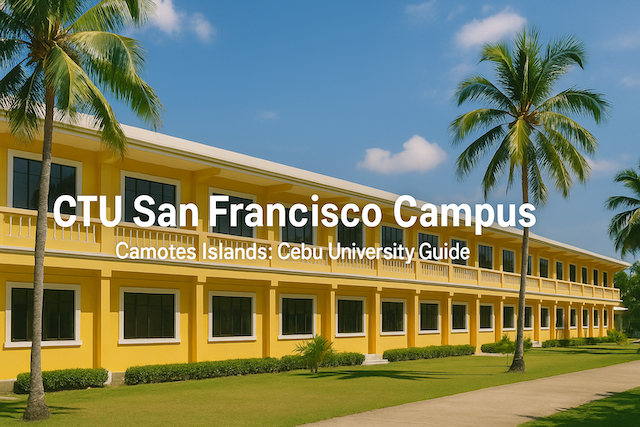
CTU San Francisco Campus – Camotes Islands: Cebu University Guide
Contents
- CTU San Francisco Campus – Camotes Islands: Cebu University Guide
- Overview of CTU San Francisco Campus
- Location and Campus Environment
- Academic Programs Offered
- Admission Requirements and Process
- Campus Facilities and Learning Resources
- Student Life and Culture
- Community Engagement and Outreach Programs
- Career Opportunities After Graduation
- Why Choose CTU San Francisco Campus?
- How to Get to CTU San Francisco Campus
- Final Thoughts
- FAQs (Frequently Asked Questions)
- What is CTU San Francisco Campus in Camotes Islands known for?
- Where is CTU San Francisco Campus located?
- What degree programs are offered at CTU San Francisco Campus?
- How do I apply for admission to CTU San Francisco Campus?
- Is there an entrance exam for new students?
- How much does it cost to study at CTU San Francisco Campus?
- What is student life like on the campus?
- Are there dormitories or housing options near the campus?
- What facilities are available for students?
- How does the campus support community development in Camotes Islands?
- What career opportunities can graduates expect after finishing their degree?
- How can I get to CTU San Francisco Campus from mainland Cebu?
CTU San Francisco Campus – Camotes Islands: Cebu University Guide
Overview of CTU San Francisco Campus
Cebu Technological University (CTU) San Francisco Campus is one of the key academic institutions located in the serene and naturally rich Camotes Islands. Known for its peaceful environment, community-oriented programs, and practical learning approach, the campus provides students with accessible higher education designed to support both local residents and learners from nearby municipalities.
As one of CTU’s satellite campuses, CTU San Francisco upholds the university’s mission to offer quality, affordable, and industry-aligned education. The campus is especially recognized for its academic programs in education, agriculture, business, and technology—fields that are closely aligned with the needs of the island communities.
For students seeking a quieter academic setting away from busy city life, CTU San Francisco provides an ideal learning atmosphere. Its location offers a balance between academic focus and the natural beauty of Camotes, making it a unique place to pursue higher education.
Location and Campus Environment
The CTU San Francisco Campus is situated in San Francisco, one of the major municipalities in Camotes Islands. The campus is surrounded by lush tropical landscapes, beaches, and a calm island atmosphere, creating a refreshing environment for study.
Key Advantages of the Location
-
Peaceful, distraction-free surroundings ideal for students who prefer focused study away from urban congestion.
-
Strong community engagement, as the campus partners with local government units (LGUs) and organizations.
-
Accessibility within Camotes, making it a central education point for students from nearby towns such as Poro, Tudela, and even tourists or residents who relocate to the island.
-
Tourism-rich environment, which supports programs related to hospitality, tourism management, and community development.
While not as large as CTU’s main and metropolitan campuses, the San Francisco Campus offers essential facilities and a supportive academic atmosphere tailored to the needs of island-based learners.
Academic Programs Offered
CTU San Francisco Campus provides a range of undergraduate programs focusing on teacher education, agriculture, business, and technical courses. These programs play a significant role in preparing graduates for employment within Camotes Islands and the wider Cebu Province.
Popular Programs at CTU San Francisco
-
Bachelor of Elementary Education (BEEd)
-
Bachelor of Secondary Education (BSEd) – major in English, Science, or Math
-
Bachelor of Science in Agriculture (BSA)
-
Bachelor of Science in Hospitality Management (BSHM)
-
Bachelor of Science in Industrial Technology (BSIT)
-
Bachelor of Science in Business Administration (BSBA)
These courses are aligned with the island community’s demand for teachers, agricultural specialists, technologists, hospitality professionals, and small business managers.
Program Strengths
-
Education programs are highly regarded for producing competent teachers for local public schools.
-
Agriculture programs support the island’s agricultural livelihoods and promote sustainable practices.
-
Business and hospitality programs reflect Camotes’ growing tourism sector.
-
Technical and vocational programs address local workforce needs.
Admission Requirements and Process
Admission to CTU San Francisco Campus is straightforward and follows the general guidelines of Cebu Technological University.
Basic Admission Requirements
-
Accomplished application form
-
High school report card (Form 138) or Senior High School certificate
-
PSA Birth Certificate
-
Two to four ID photos
-
Good moral certificate
-
Entrance exam (if required by the campus or specific program)
Steps to Apply
-
Prepare Required Documents – Ensure all academic and personal documents are ready.
-
Visit the Campus Admission Office – Applications are usually processed directly at the campus.
-
Take the Entrance Examination – Depending on the program’s requirements.
-
Attend Orientation or Interview (if necessary) – Some programs may require additional screenings.
-
Confirm Enrollment – Submit final documents and pay minimal university fees.
The campus aims to provide accessible education, so admission processes remain simple and student-friendly.
Campus Facilities and Learning Resources
While CTU San Francisco is a smaller campus compared to the main CTU campuses in Cebu City, it provides essential facilities that support academic success.
Key Campus Facilities
-
Classroom Buildings equipped for lectures and hands-on activities
-
Agriculture Laboratory Areas
-
Computer and IT Laboratories
-
Campus Library with printed and digital resources
-
Hospitality Training Facilities (depending on program offerings)
-
Covered Court and Outdoor Spaces for sports and events
The island environment also serves as an extended learning venue, particularly for students in agriculture, hospitality, tourism, and community development courses.
Student Life and Culture
Student life at CTU San Francisco Campus is characterized by simplicity, community bonding, and active participation in island-based initiatives.
What Makes Student Life Unique
-
Tight-knit campus community where everyone knows each other, creating a supportive environment.
-
Strong culture of volunteerism, especially in disaster response and community programs.
-
Active student organizations that promote leadership, talent development, and academic growth.
-
Events and traditions aligned with local festivals in Camotes, adding cultural richness to student life.
Clubs, organizations, and leadership councils help students build confidence and develop interpersonal skills valuable for future careers.
Community Engagement and Outreach Programs
CTU San Francisco Campus actively collaborates with local communities, government units, and non-profit organizations. These partnerships ensure students are exposed to real-world projects and service-learning opportunities.
Examples of Outreach Activities
-
Teaching assistance and literacy programs in public schools
-
Agricultural development projects
-
Environmental protection activities (coastal cleanups, tree planting)
-
Tourism promotion and cultural events
-
Skills training for local residents
These initiatives enrich the academic experience and reinforce the campus’ role as a community-centered institution.
Career Opportunities After Graduation
Graduates of CTU San Francisco Campus are well-positioned to pursue careers within the Camotes Islands or other parts of Cebu and the Philippines.
Common Career Paths
-
Teachers in public or private schools
-
Agricultural technicians or farm managers
-
Hospitality and tourism professionals
-
Small business owners or managers
-
Industrial technicians and skilled workers
-
Local government staff
The practical nature of CTU programs ensures that graduates are job-ready, community-oriented, and equipped with skills that match the needs of the islands.
Why Choose CTU San Francisco Campus?
Students choose this campus for several reasons:
-
Affordable tuition with quality state university education
-
Safe and peaceful study environment
-
Programs aligned with local industries
-
Supportive faculty and staff
-
Strong community relevance
-
Opportunity to study near home for Camotes residents
For those seeking meaningful education in a serene island setting, CTU San Francisco Campus stands out as an excellent choice.
How to Get to CTU San Francisco Campus
Traveling to the campus typically involves a ferry ride from the mainland Cebu to Camotes Islands.
Common Routes
-
From Danao Port to Consuelo Port – Fastest and most common route
-
From Cebu City (Pier 1 or Pier 3) to Poro Port – Via larger ships or RoRo vessels
After arriving on the island, local transportation such as habal-habal, multicabs, or tricycles can take students directly to the campus.
The calm and scenic route enhances the island study experience.
Final Thoughts
CTU San Francisco Campus offers a unique blend of quality education, community connection, and a peaceful environment. Its strategic role in serving the Camotes Islands makes it an important institution for local development and student growth. Whether you are an island resident or a student seeking a more relaxed academic setting, this campus delivers a meaningful and practical education aligned with the needs of the region.
FAQs (Frequently Asked Questions)
What is CTU San Francisco Campus in Camotes Islands known for?
CTU San Francisco Campus is known for providing accessible higher education to students living in Camotes Islands and nearby municipalities. It focuses on practical and community-oriented programs in teacher education, agriculture, business, technology, and hospitality-related fields. The campus is also recognized for its peaceful island environment, which helps students concentrate on their studies while staying close to home. Because it is part of Cebu Technological University, it follows the same standards for quality and affordability as other CTU campuses. For many island residents, it is the most realistic and convenient option for earning a degree.
Where is CTU San Francisco Campus located?
The campus is located in the municipality of San Francisco in Camotes Islands, Cebu Province. It serves as an academic hub for students coming from various parts of Camotes, including San Francisco, Poro, Tudela, and even nearby islands. The surroundings are largely rural and coastal, with beaches, farms, and local communities nearby. This setting creates a calm and refreshing learning atmosphere far from the noise of highly urbanized cities. It is ideal for students who prefer a simple and focused lifestyle while studying.
What degree programs are offered at CTU San Francisco Campus?
CTU San Francisco Campus typically offers undergraduate programs aligned with the needs of the island communities. These may include Bachelor of Elementary Education (BEEd), Bachelor of Secondary Education (BSEd) with various majors, Bachelor of Science in Agriculture (BSA), Bachelor of Science in Industrial Technology (BSIT), Bachelor of Science in Hospitality Management (BSHM), and Bachelor of Science in Business Administration (BSBA). The actual list of programs may change over time based on CHED approval and campus development. It is always best to contact the campus directly to confirm the latest program offerings before applying.
How do I apply for admission to CTU San Francisco Campus?
To apply, prospective students usually need to fill out an application form and submit standard admission documents such as their senior high school report card, PSA birth certificate, certificate of good moral character, and ID photos. Some programs may require an entrance examination or interview. Applications are often processed on-site through the campus registrar or admission office. For updated schedules and procedures, students are encouraged to visit the campus, follow official CTU social media pages, or contact the campus through official channels.
Is there an entrance exam for new students?
Many CTU campuses require an entrance exam for certain programs, especially high-demand courses. CTU San Francisco Campus may also administer entrance tests to assess basic competencies or to rank applicants if slots are limited. However, the exact policies can vary each academic year. Some programs may be more open-admission, while others could have stricter screening. To avoid confusion, applicants should ask the registrar’s office or guidance office about current entrance exam requirements and schedules.
How much does it cost to study at CTU San Francisco Campus?
As a public state university campus, CTU San Francisco generally offers very affordable education compared to private institutions. Under national policies such as the free tuition law for state universities and colleges, qualified Filipino students may enjoy free tuition and limited miscellaneous fees for approved programs. However, students should still budget for personal expenses such as transportation, project materials, uniforms, and daily living costs. It is recommended to confirm the latest fees and any special charges directly with the campus cashier or registrar.
What is student life like on the campus?
Student life at CTU San Francisco Campus is simple, community-oriented, and closely connected to island culture. Class sizes are often smaller than in city universities, allowing for more personalized interaction with instructors. Students can join academic, cultural, and leadership organizations that organize events, outreach activities, and skills competitions. Because the campus is in a rural coastal setting, many students balance their studies with family responsibilities or part-time work. Overall, the atmosphere is friendly, modest, and supportive rather than highly competitive or commercialized.
Are there dormitories or housing options near the campus?
On some island campuses, on-site dormitories may be limited or not available, so most students either commute daily or rent simple boarding houses near the school. CTU San Francisco Campus is likely similar, with many students coming from nearby barangays or municipalities within Camotes Islands. Boarding houses, rented rooms, or stays with relatives are common arrangements. Because housing options and prices can change, new students are encouraged to ask current students, local residents, or campus staff for recommendations on safe and affordable accommodations.
What facilities are available for students?
The campus generally provides basic facilities such as classrooms, a library, laboratories for technology and agriculture-related subjects, and computer rooms. There may also be a covered court or open spaces for sports and assemblies. For hospitality and tourism-related programs, there might be training areas or simulation rooms as the campus continues to develop. While facilities may not be as large as those in major city campuses, they are designed to support the core academic and practical needs of students in the island setting.
How does the campus support community development in Camotes Islands?
CTU San Francisco Campus actively participates in extension programs and community outreach projects. Faculty and students may be involved in activities such as livelihood training, agricultural support, environmental programs, coastal cleanups, and educational assistance for local schools. These initiatives help students apply what they learn in real-life settings and strengthen the campus’ connection with the island communities. Community engagement is an important part of the CTU system’s mandate as a public higher education institution.
What career opportunities can graduates expect after finishing their degree?
Graduates of CTU San Francisco Campus often find employment in local schools, government offices, tourism establishments, farms, cooperatives, and small to medium-sized businesses. Education graduates may become teachers in public or private schools, while agriculture, business, and industrial technology graduates can work in specialized roles or start their own ventures. Some graduates also move to mainland Cebu or other parts of the Philippines for further studies or employment. The campus aims to develop graduates who are competent, adaptable, and ready to contribute to both local and national development.
How can I get to CTU San Francisco Campus from mainland Cebu?
Most students travel to Camotes Islands by ferry from ports such as Danao or Cebu City. From Danao Port, fast crafts or RoRo vessels typically arrive at ports like Consuelo, while other routes may arrive at Poro. After reaching the island, local transport options such as tricycles, multicabs, or habal-habal (motorcycle taxis) can take passengers to San Francisco and then to the campus. Travel schedules and routes can change depending on season and weather, so it is wise to check the latest ferry timetables and leave enough time for connecting land trips.
Cebu Technological University (CTU) Guide: Courses, Campuses, and Admissions

How to Register for eTravel Philippines (2025 Guide)
Step-by-step guide to completing your eTravel registration before arriving in the Philippines, with images and tips.

Night Market in Cebu – Things You Don’t Know About Cebu Life
Discover the hidden charm of Cebu’s night markets, from street food stalls to local life tips you won’t find in tourist guides.

How to Use ChatGPT for IELTS Preparation: A Complete Guide
Learn how to prepare for IELTS using ChatGPT — including strategies for Writing, Reading, Listening, Speaking, and grammar support.

How to Build a Website Without Coding Using ChatGPT
Discover how to build your own website using AI—no coding skills needed. From structure planning to SEO and design, let ChatGPT guide you.