2025年12月23日
3D ACADEMY offers affordable English study programs in Cebu, Philippines – perfect for beginners, professionals, and exam takers.

3D UNIVERSAL ENGLISH INSTITUTE INC
info.3d-universal.com
8:00-17:00(Mon-Fri)
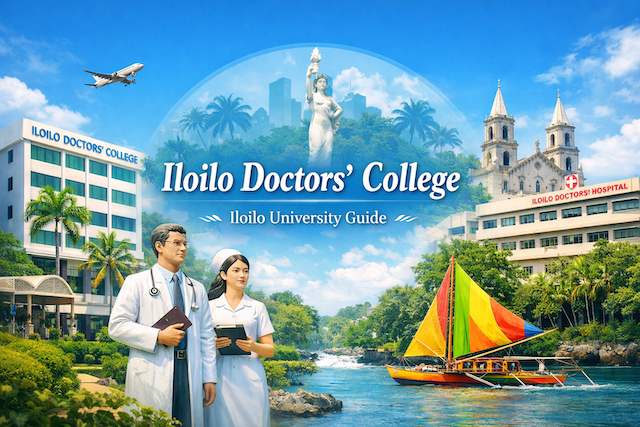
Iloilo Doctors’ College: Iloilo University Guide
Contents
- Iloilo Doctors’ College: Iloilo University Guide
- Overview of Iloilo Doctors’ College
- Location and Campus Environment
- Academic Philosophy and Teaching Approach
- College of Medicine
- College of Nursing
- College of Medical Laboratory Science
- College of Pharmacy
- Physical Therapy and Allied Health Programs
- Admission Requirements and Student Profile
- Campus Facilities and Learning Resources
- Student Life and Academic Culture
- Career Opportunities and Graduate Outcomes
- Why Choose Iloilo Doctors’ College
- FAQs (Frequently Asked Questions)
- What is Iloilo Doctors’ College known for?
- Is Iloilo Doctors’ College a good choice if I want a career in healthcare?
- What programs can I study at Iloilo Doctors’ College?
- Does IDC offer a Doctor of Medicine program?
- How competitive is admission to Iloilo Doctors’ College?
- What is student life like at IDC?
- Does IDC provide clinical training and hospital exposure?
- Is Iloilo City a good place to study?
- How much does it cost to study at Iloilo Doctors’ College?
- What additional expenses should I expect as a healthcare student?
- Does IDC help students prepare for licensure exams?
- What kind of student succeeds at Iloilo Doctors’ College?
- How can I apply to Iloilo Doctors’ College?
- Can international students apply to IDC?
Iloilo Doctors’ College: Iloilo University Guide
Overview of Iloilo Doctors’ College
Iloilo Doctors’ College (IDC) is a private higher education institution in Iloilo City, Philippines, known for its strong focus on health sciences, medical education, and allied healthcare programs. Established to support the growing demand for competent healthcare professionals in Western Visayas, IDC has built a reputation as a specialized college that emphasizes practical skills, ethical training, and community-oriented healthcare service.
Unlike comprehensive universities that offer a wide range of unrelated programs, Iloilo Doctors’ College concentrates primarily on medicine, nursing, and allied health fields. This focused academic environment attracts students who are already committed to careers in healthcare and who want early exposure to clinical settings, patient interaction, and hospital-based learning.
IDC is closely associated with medical practice and hospital training, making it a popular choice for students who aim to become doctors, nurses, medical technologists, pharmacists, physical therapists, and other healthcare professionals.
Location and Campus Environment
Iloilo Doctors’ College is located in Iloilo City, the regional center of Western Visayas. The city is widely regarded as one of the most student-friendly and livable cities in the Philippines, offering a balance of urban convenience and a relaxed provincial atmosphere.
The campus is situated near major roads, hospitals, clinics, dormitories, and commercial establishments. This strategic location allows students to easily access public transportation, food options, pharmacies, and medical facilities. For healthcare students, proximity to hospitals and clinics is especially important, as it supports clinical exposure, internships, and on-the-job training.
The campus environment at IDC is professional and academically focused. Facilities are designed to support laboratory work, lectures, and clinical simulations, rather than large-scale recreational spaces. This suits students who prefer a serious academic setting aligned with healthcare training.
Academic Philosophy and Teaching Approach
Iloilo Doctors’ College follows a competency-based and outcomes-oriented teaching philosophy. The institution emphasizes not only academic knowledge but also clinical competence, ethical behavior, and patient-centered care.
Classes are typically smaller compared to large universities, allowing for closer interaction between students and instructors. Faculty members often have professional backgrounds as doctors, nurses, pharmacists, or medical technologists, which adds practical insight to classroom discussions.
Teaching methods commonly include:
-
Lecture-based instruction for theoretical foundations
-
Laboratory sessions for skill development
-
Case studies and problem-based learning
-
Clinical simulations and hospital exposure
-
Community health outreach and service learning
This approach ensures that students are not only prepared for licensure examinations but are also equipped to function effectively in real healthcare settings.
College of Medicine
The College of Medicine at Iloilo Doctors’ College is one of its flagship programs. It is designed for students who aspire to become licensed physicians in the Philippines.
The medical curriculum follows national standards and integrates basic medical sciences, clinical sciences, and hospital clerkship. Students undergo rigorous academic training combined with early clinical exposure, helping them develop diagnostic reasoning, communication skills, and professional ethics.
Key features of the medical program include:
-
Comprehensive foundation in anatomy, physiology, pathology, and pharmacology
-
Clinical rotations in affiliated hospitals
-
Emphasis on community medicine and public health
-
Preparation for the Physician Licensure Examination
The program is demanding and best suited for students who are disciplined, motivated, and committed to a long-term medical career.
College of Nursing
The College of Nursing at Iloilo Doctors’ College is well-regarded in the region and attracts students from Iloilo and nearby provinces. The nursing program focuses on producing competent, compassionate, and globally competitive nurses.
Students receive training in both classroom and clinical settings, covering areas such as medical-surgical nursing, maternal and child health, psychiatric nursing, and community health nursing.
Highlights of the nursing program include:
-
Strong emphasis on hands-on clinical training
-
Exposure to hospital and community healthcare settings
-
Development of patient care, communication, and teamwork skills
-
Preparation for the Philippine Nurse Licensure Examination
Graduates often pursue careers in local hospitals, private clinics, community health programs, or overseas healthcare institutions.
College of Medical Laboratory Science
The Medical Laboratory Science program prepares students to become licensed medical technologists. This program is essential to the healthcare system, as medical technologists play a critical role in disease diagnosis and laboratory testing.
Students are trained in areas such as hematology, microbiology, clinical chemistry, parasitology, and blood banking. Laboratory work is a core component of the curriculum, ensuring that graduates are proficient in handling equipment, analyzing samples, and maintaining laboratory standards.
The program emphasizes accuracy, ethical practice, and adherence to safety protocols, which are crucial qualities for laboratory professionals.
College of Pharmacy
The Pharmacy program at Iloilo Doctors’ College focuses on the scientific, clinical, and ethical aspects of pharmaceutical practice. Students learn about drug formulation, pharmacology, therapeutics, and patient counseling.
The curriculum prepares students for roles in:
-
Community and hospital pharmacies
-
Pharmaceutical manufacturing and quality control
-
Regulatory and research settings
With the increasing importance of medication management and patient education, pharmacy graduates from IDC are trained to work closely with doctors, nurses, and other healthcare professionals.
Physical Therapy and Allied Health Programs
Iloilo Doctors’ College also offers allied health programs such as Physical Therapy and other rehabilitation-related courses. These programs focus on restoring and improving physical function, mobility, and quality of life for patients.
Students receive training in anatomy, kinesiology, therapeutic exercise, and rehabilitation techniques. Clinical internships are an essential part of the program, allowing students to apply their skills under professional supervision.
Allied health programs at IDC are suitable for students who prefer patient interaction and hands-on care rather than purely laboratory or diagnostic roles.
Admission Requirements and Student Profile
Admission requirements at Iloilo Doctors’ College vary by program but generally include academic transcripts, entrance examinations, interviews, and medical clearances. Programs such as medicine and nursing have more competitive admission processes due to limited slots and higher academic demands.
The typical student profile at IDC includes:
-
Students with a clear interest in healthcare careers
-
Individuals who prefer structured, professional learning environments
-
Students who value practical training and clinical exposure
-
Learners who are willing to handle rigorous academic workloads
Because of the specialized nature of its programs, IDC may not be ideal for students who are still exploring different academic interests.
Campus Facilities and Learning Resources
The facilities at Iloilo Doctors’ College are designed to support healthcare education. These typically include:
-
Science and medical laboratories
-
Nursing skills laboratories and simulation rooms
-
Lecture halls with multimedia support
-
Library with medical and health science resources
-
Study areas for individual and group learning
While the campus may not be large compared to major universities, it is functional and aligned with the needs of medical and allied health students.
Student Life and Academic Culture
Student life at Iloilo Doctors’ College is academically focused. Most students spend significant time attending classes, laboratory sessions, and clinical training. The workload can be demanding, especially in programs such as medicine and nursing.
Student organizations are usually related to academic programs, healthcare advocacy, and professional development. Activities may include medical missions, health awareness campaigns, seminars, and review sessions.
This environment suits students who prefer purposeful activities connected to their future profession rather than a highly social or party-oriented campus life.
Career Opportunities and Graduate Outcomes
Graduates of Iloilo Doctors’ College typically pursue careers in healthcare institutions both in the Philippines and abroad. Common career paths include:
-
Physicians in hospitals, clinics, or public health units
-
Registered nurses in local or international healthcare facilities
-
Medical technologists in diagnostic laboratories
-
Pharmacists in hospitals, retail pharmacies, or industry
-
Physical therapists in rehabilitation centers and clinics
Many graduates also continue their education through specialization, residency training, or postgraduate studies.
Why Choose Iloilo Doctors’ College
Iloilo Doctors’ College is a strong option for students who are certain about pursuing a healthcare-related career. Its focused academic environment, experienced faculty, and emphasis on practical training make it well-suited for serious and goal-oriented learners.
Students who thrive at IDC are those who value discipline, clinical competence, and professional growth. If your goal is to become a healthcare professional and you want to study in Iloilo City, Iloilo Doctors’ College offers a clear and direct pathway into the medical and allied health professions.
FAQs (Frequently Asked Questions)
What is Iloilo Doctors’ College known for?
Iloilo Doctors’ College (IDC) is best known for its healthcare-focused education. It offers programs that prepare students for careers in medicine, nursing, pharmacy, medical laboratory science, and other allied health fields. Many students choose IDC because it emphasizes practical training, professional discipline, and clinical exposure that align with real hospital and community health settings. The overall learning environment is designed for students who want a clear pathway into health professions rather than a broad, general university experience.
Is Iloilo Doctors’ College a good choice if I want a career in healthcare?
Yes, IDC can be a strong choice if you are already committed to a healthcare career. Because the institution focuses on health sciences, the academic culture is shaped around patient-centered learning, ethical practice, and skills-based training. Students often benefit from being surrounded by peers who share similar goals. If you prefer an environment where classes, activities, and student organizations are connected to healthcare, IDC is generally a good match.
What programs can I study at Iloilo Doctors’ College?
IDC is primarily associated with medicine and allied health education. Depending on the current academic offerings, you may find programs such as Medicine, Nursing, Pharmacy, Medical Laboratory Science (Medical Technology), Physical Therapy, and other health-related courses. Since program lists can change over time, it is best to confirm the latest offerings through official school channels before applying, especially if you are looking for a specific specialization.
Does IDC offer a Doctor of Medicine program?
IDC is widely recognized for its medical education track and is often associated with doctor training. A Doctor of Medicine program typically involves intensive coursework in basic sciences, followed by clinical rotations and internship or clerkship components. Admission standards for medical programs are usually competitive and may involve entrance exams, interviews, and strict academic requirements. If you plan to pursue medicine, prepare for a long-term commitment and a rigorous study schedule.
How competitive is admission to Iloilo Doctors’ College?
Admission competitiveness depends on the program. Health programs like Nursing and Medicine often have higher standards due to demand and limited clinical training slots. Applicants may be asked to submit transcripts, take an entrance exam, complete an interview, and provide medical clearances. Even for non-medical programs, IDC’s healthcare orientation means students should be ready for a structured academic environment. If your grades and study habits are consistent, you can improve your chances of acceptance.
What is student life like at IDC?
Student life at IDC tends to be academically focused because many programs include laboratory work, clinical practice, and skills training. You can still expect student organizations, events, and campus activities, but they often center on professional development, healthcare advocacy, community outreach, and exam preparation. If you are looking for a “party campus,” IDC may feel more serious. If you prefer a career-driven environment, the culture can be motivating and supportive.
Does IDC provide clinical training and hospital exposure?
Clinical exposure is a major part of healthcare education, and institutions like IDC generally integrate clinical practice into programs such as Nursing, Medical Laboratory Science, Physical Therapy, and Medicine. Clinical training may include hospital rotations, supervised internships, laboratory practicum, or community health work. The exact schedule and partner facilities vary by program and level. Students should expect strict rules, professional behavior standards, and a strong emphasis on patient safety and confidentiality.
Is Iloilo City a good place to study?
Iloilo City is often considered a student-friendly city with a balanced lifestyle. Many students appreciate its accessibility, organized city layout, and availability of essentials like dorms, eateries, clinics, pharmacies, and transportation. For healthcare students, the city’s medical facilities and clinical environment can be a practical advantage. Cost of living can vary depending on your lifestyle, but Iloilo is commonly seen as more manageable than larger metro areas.
How much does it cost to study at Iloilo Doctors’ College?
Tuition and fees vary depending on the program, year level, and required laboratory or clinical components. Healthcare programs often include additional costs for uniforms, supplies, laboratory fees, and clinical requirements. Medicine is typically the most expensive track due to its length and intensive training structure. For accurate budgeting, request an updated breakdown of tuition, miscellaneous fees, and estimated yearly expenses from the admissions office or official school materials.
What additional expenses should I expect as a healthcare student?
Beyond tuition, healthcare students often pay for uniforms, shoes, lab gowns, instruments, identification badges, vaccinations, medical tests, and sometimes insurance. Nursing and clinical programs may require special training items and transportation costs to clinical sites. Review materials and licensure exam preparation can also add to your budget. Planning ahead helps, especially if you will be living away from home and paying rent, utilities, and daily meals.
Does IDC help students prepare for licensure exams?
Many healthcare institutions support licensure exam preparation through review sessions, coaching, and structured curricula aligned with national standards. Students can also form study groups and join academic organizations that host seminars and mock exams. However, success in licensure exams still depends heavily on personal study discipline and consistent performance throughout the program. If you want strong board preparation, ask specifically about review programs, pass rates, and academic support services.
What kind of student succeeds at Iloilo Doctors’ College?
Students who succeed at IDC are typically disciplined, resilient, and comfortable with structured workloads. Healthcare education demands memorization, critical thinking, communication skills, and emotional maturity. You will likely handle long study hours, practical evaluations, and strict clinical standards. If you are motivated by helping people, interested in science and health, and willing to follow professional rules, IDC can be a good fit.
How can I apply to Iloilo Doctors’ College?
The application process usually involves submitting academic records and completing program-specific requirements such as entrance exams, interviews, and medical clearances. Some programs may have additional screening steps or limited enrollment periods. Because requirements can change, it is best to check the most current application instructions from official school sources. Prepare your documents early so you can meet deadlines and avoid delays.
Can international students apply to IDC?
International applicants may be accepted depending on institutional policies and program regulations. If you are an international student, you may need additional documents such as passport copies, authenticated transcripts, proof of English proficiency, and student visa requirements. Health programs may also require medical clearances and vaccination records. Contact the school directly to confirm eligibility, required paperwork, and whether your previous education meets local equivalency standards.
Iloilo University Guide: Best Schools, Admissions, Tuition Fees, and Student Life
Iloilo Universities & Colleges — Complete List (City & Province)

How to Register for eTravel Philippines (2025 Guide)
Step-by-step guide to completing your eTravel registration before arriving in the Philippines, with images and tips.

Night Market in Cebu – Things You Don’t Know About Cebu Life
Discover the hidden charm of Cebu’s night markets, from street food stalls to local life tips you won’t find in tourist guides.

How to Use ChatGPT for IELTS Preparation: A Complete Guide
Learn how to prepare for IELTS using ChatGPT — including strategies for Writing, Reading, Listening, Speaking, and grammar support.

How to Build a Website Without Coding Using ChatGPT
Discover how to build your own website using AI—no coding skills needed. From structure planning to SEO and design, let ChatGPT guide you.